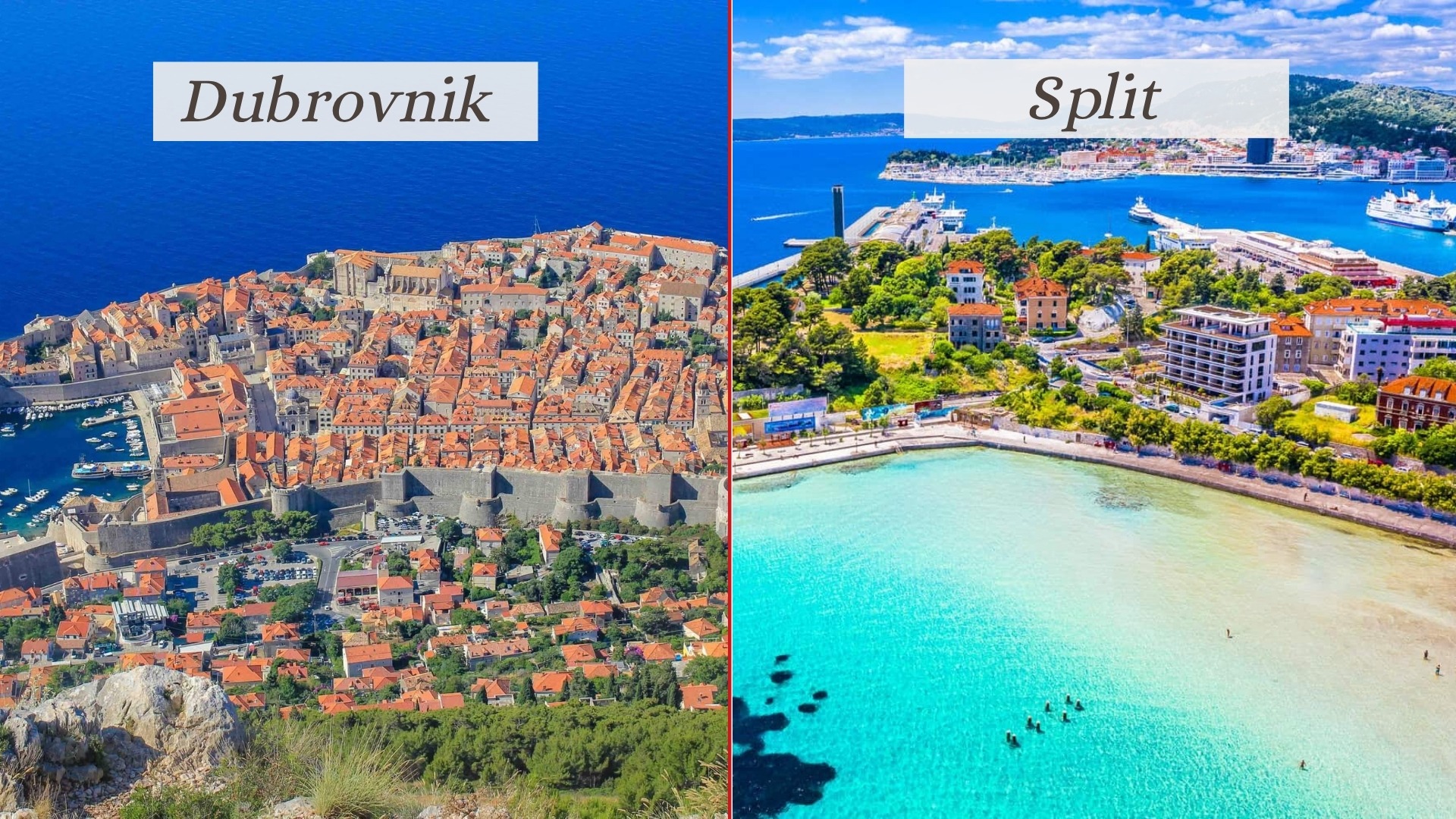
You have narrowed your Croatia holiday down to these two coastal gems and now you need to pick one. Dubrovnik vs Split is the classic debate for first-timers and returning visitors alike. Both sit on the sparkling Adriatic with historic centres and easy access to the sea yet they deliver very different experiences in 2026.
New direct flights from the United States to Split make that city even easier to reach this year while Dubrovnik continues to limit cruise ship arrivals to ease pressure on its streets. Whether you crave romantic walled views or a lively lived-in vibe this guide compares everything side by side so you can decide which one suits your plans. By the end you will know whether Split or Dubrovnik fits your 2026 trip better.
Quick 2026 Snapshot – Dubrovnik vs Split at a Glance
In 2026, Dubrovnik remains the “Pearl of the Adriatic,” focusing on high-end boutique stays and managed tourism to keep the city walls from becoming too congested. It is still the place for that iconic, postcard-perfect view. Split, on the other hand, is the ultimate gateway. With a refurbished ferry terminal and a growing digital nomad scene, it feels more like a city where people actually live and work rather than a museum.
| Feature | Dubrovnik | Split |
| Best For | Couples, Luxury, History | Families, Nightlife, Island Hopping |
| Average Daily Cost | £180 – £250 (High) | £120 – £170 (Moderate) |
| Crowd Level | High (Managed) | Medium to High |
| 2026 Highlight | New Electric Boat Transfers | Expanded Riva Pedestrian Zone |
| Vibe | Romantic & Polished | Energetic & Ancient |
History, Atmosphere and Iconic Sights
When we talk about Dubrovnik vs Split, we are really talking about two different eras of history that have been preserved in very different ways.
Dubrovnik – The Walled Fairy-Tale City
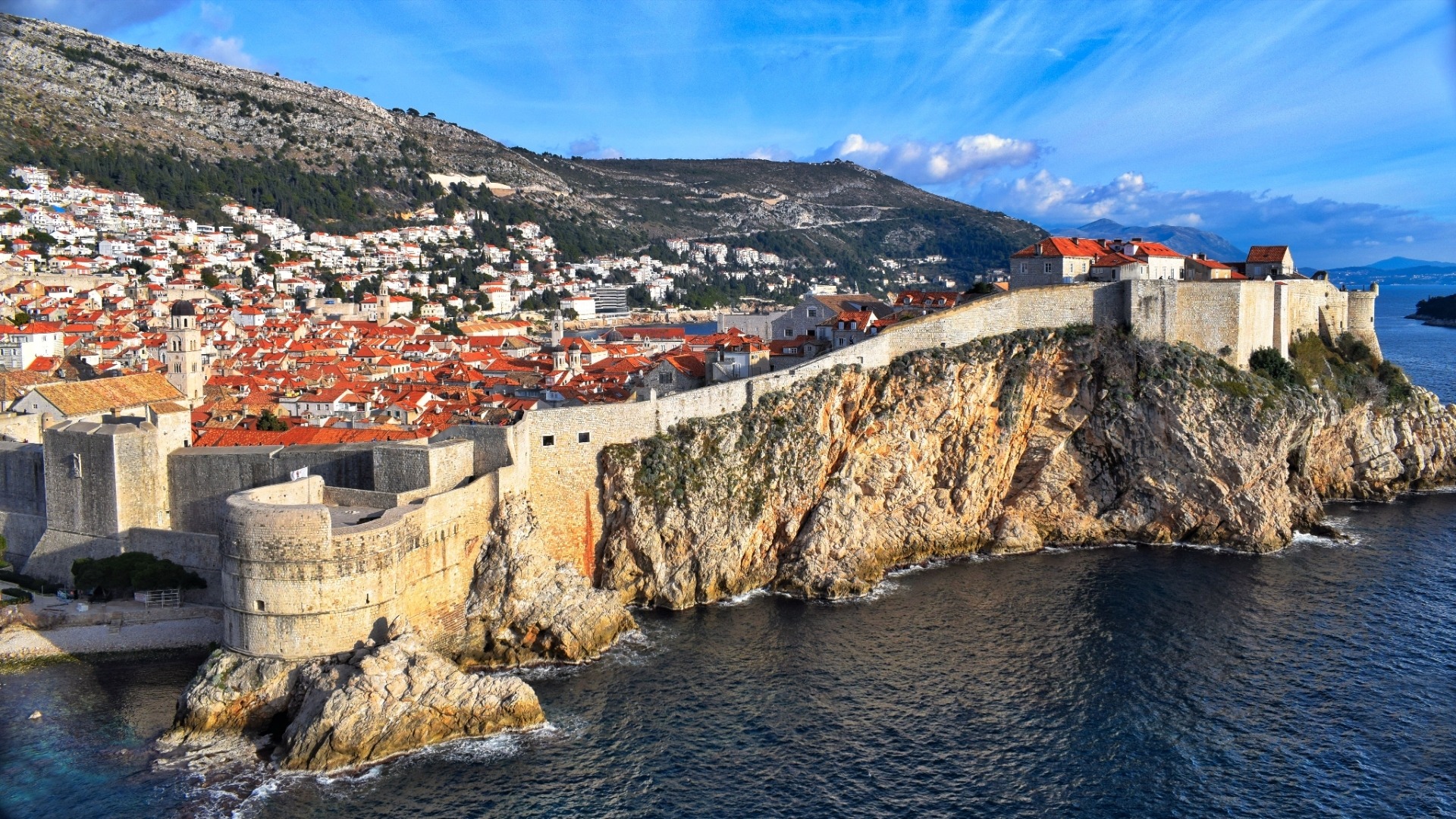 Walking into the old town of Dubrovnik feels like stepping onto a movie set, which is exactly why it was chosen as a primary Game of Thrones filming location. The entire city is encased in massive stone fortifications that you can walk along for a bird’s-eye view of the terracotta rooftops and the shimmering sea. In 2026, the city has implemented a “Respect the City” initiative, which limits the number of people entering the gates at once. This makes the experience of seeing the Rector’s Palace and the Jesuit Stairs much more pleasant than the shoulder-to-shoulder crowds of the past.
Split – The Lived-In Roman Palace
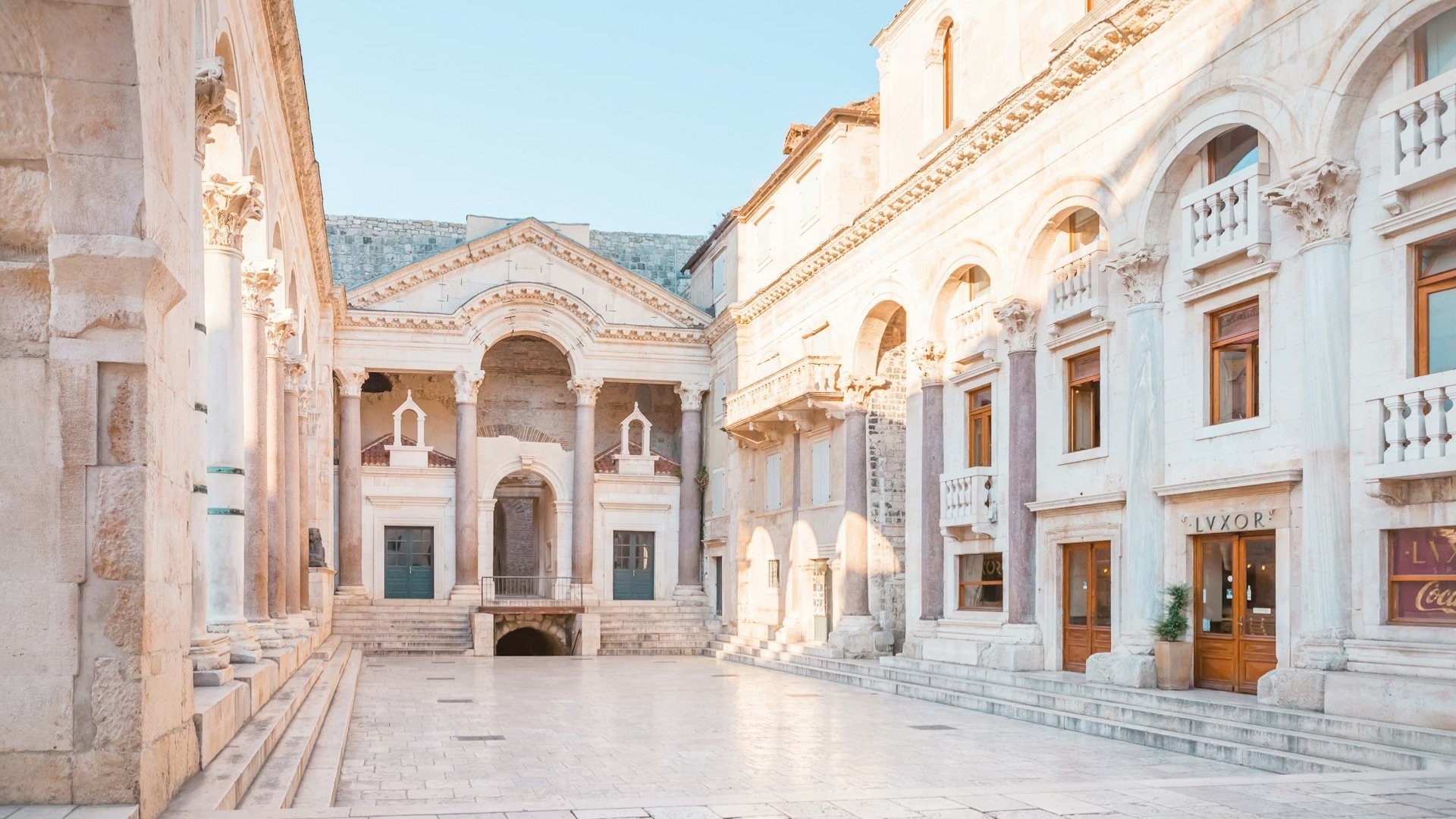 Split is unique because its heart is not a city in the traditional sense, but a retirement home for a Roman Emperor. The Diocletian Palace makes up the core of the city, but instead of being a roped-off monument, it is full of shops, flats, and bars. You can drink an espresso on the steps of the Peristyle where Roman guards once stood. It feels far less “curated” than Dubrovnik. In 2026, the city has done a great job of integrating new tech-hubs into these ancient walls, giving it a very grounded, authentic feel.
Which Feels More “Croatian” in 2026?
If you want the version of Croatia you see in travel brochures, it is Dubrovnik. However, if you want to see how Croatians actually live, Split wins every time. In Split, you will see laundry hanging between Roman columns and locals playing picigin on the beach. In Dubrovnik, almost every building in the center is a restaurant, shop, or holiday rental.
Beaches and Nature – Pebble Beaches Showdown
Croatia is famous for its crystal-clear water, but don’t expect vast stretches of sand. Both cities offer pebble beaches that require a sturdy pair of swim shoes, but the access and scenery differ.
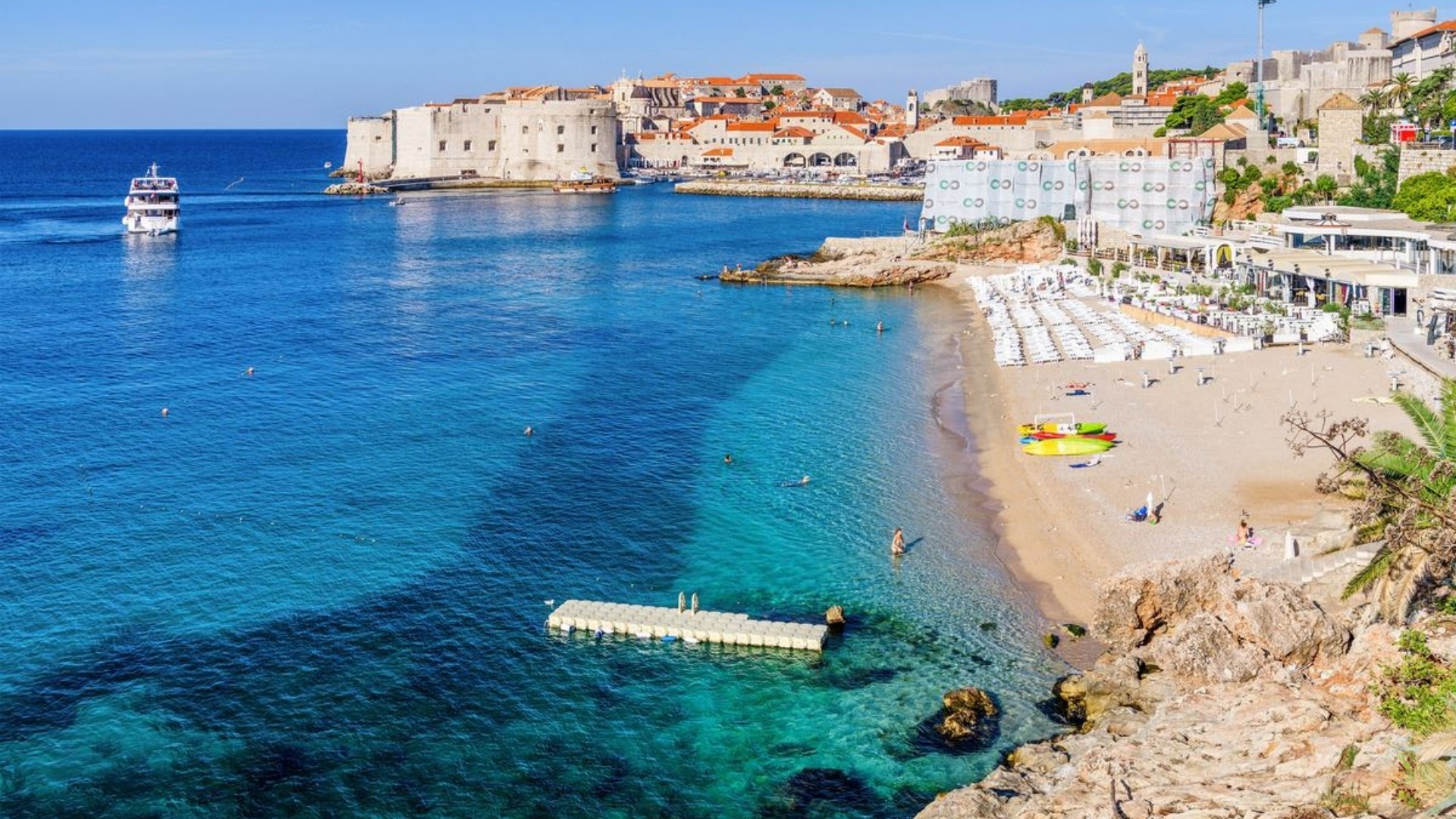
In Dubrovnik, the beaches are often tucked into dramatic rocky coves. Banje Beach is the most famous, offering a stunning view of the city walls, but it gets packed early. For a better 2026 experience, I recommend taking the 10-minute boat ride to Lokrum Island. It is a nature reserve where you can swim in a salt-filled lake and hike through botanical gardens away from the city heat.
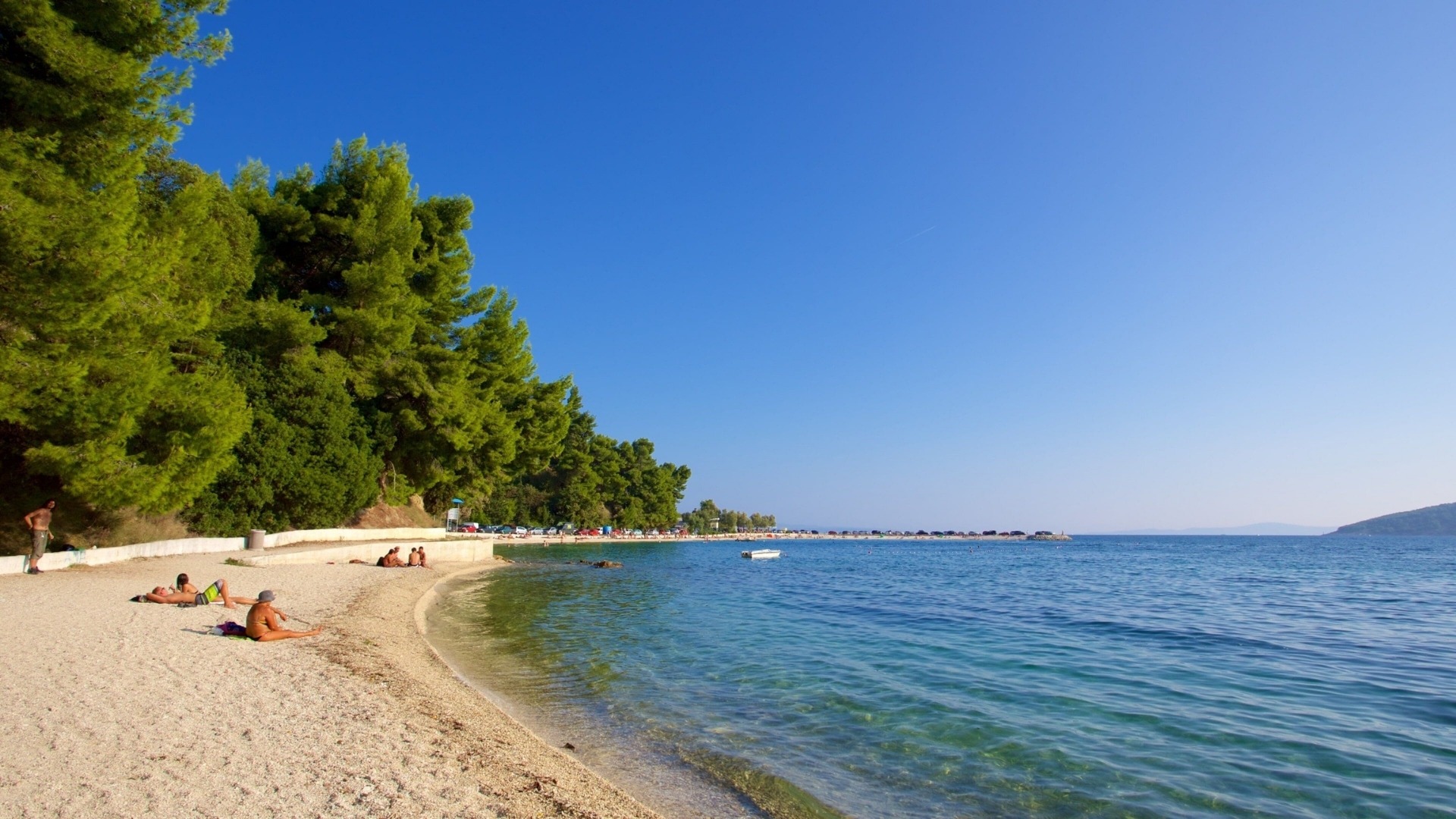
Split has the advantage of Marjan Hill, a massive forest park with hidden beaches along its base. Kasjuni Beach is a local favorite that has become quite trendy in 2026 with its upgraded beach clubs. The water quality in Split remains excellent despite the busy port, and the beaches are generally larger and more accessible for families than the steep cliffs of the south.
Costs and Budget Travel in 2026
There is no sugar-coating it, Croatia has become more expensive since joining the Eurozone. However, when comparing Split or Dubrovnik, your wallet will definitely prefer the former.
Budget travel is much more feasible in Split. Because it is a functional city with a large student population, you can still find “konobas” (traditional taverns) that serve affordable daily menus. In Dubrovnik, even a simple gelato or a coffee on the main street, the Stradun, can feel like a splurge.
2026 Daily Budget Breakdown (Per Person):
- Dubrovnik: £200 (Includes city wall ticket, one nice meal, and mid-range hotel).
- Split: £140 (Includes palace tour, ferry ticket, and hearty local dinner).
To save money in either city, look for accommodation in neighborhoods like Lapad in Dubrovnik or Varoš in Split. These are just outside the historic centers but offer much better value for money.
Crowds, Cruise Ships and Overtourism Reality Check
Overtourism is a hot topic in 2026. Dubrovnik vs Split is often a battle of who can manage their visitors better. Dubrovnik is the primary stop for Mediterranean cruise ships, which can dump thousands of people into the narrow limestone streets all at once. The city now coordinates ship arrivals much better, but it is still wise to check the cruise schedule before you head into the old town.
Split also gets its fair share of ships, but because the city is more spread out, the impact feels less claustrophobic. If you want to avoid the worst of the crowds in 2026, try to visit in the “shoulder” months of May, June, or September. The weather is still perfect for swimming, but you won’t be fighting for a spot at the dinner table.
Nightlife, Food and Culture
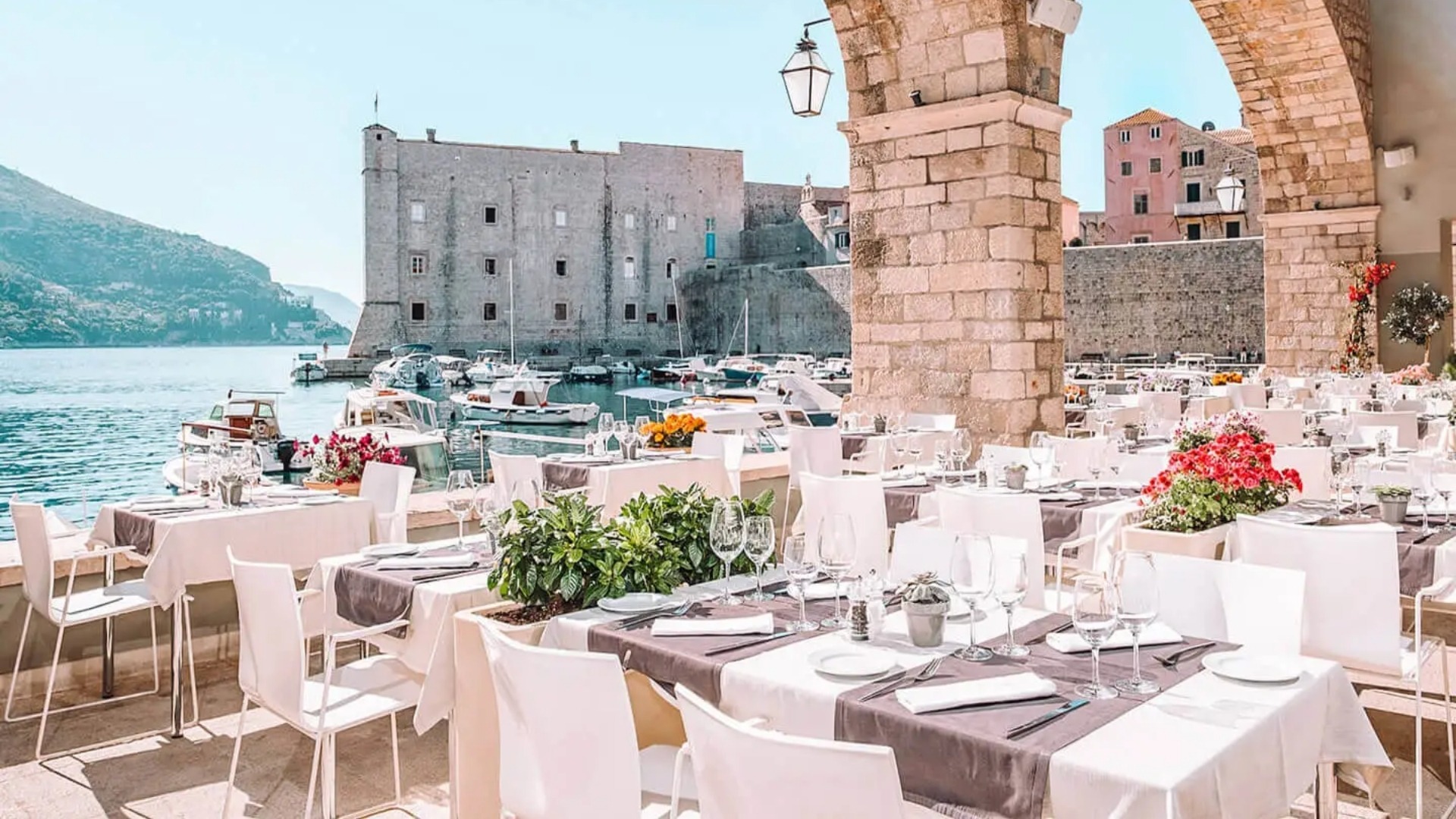 If you are looking for a quiet, candlelit dinner with a view, Dubrovnik is your place. The city has become a hub for fine dining, with several Michelin-recommended spots overlooking the water. The Dubrovnik Summer Festival in July and August is a massive cultural draw, featuring open-air theatre and classical music in the city’s fortresses.
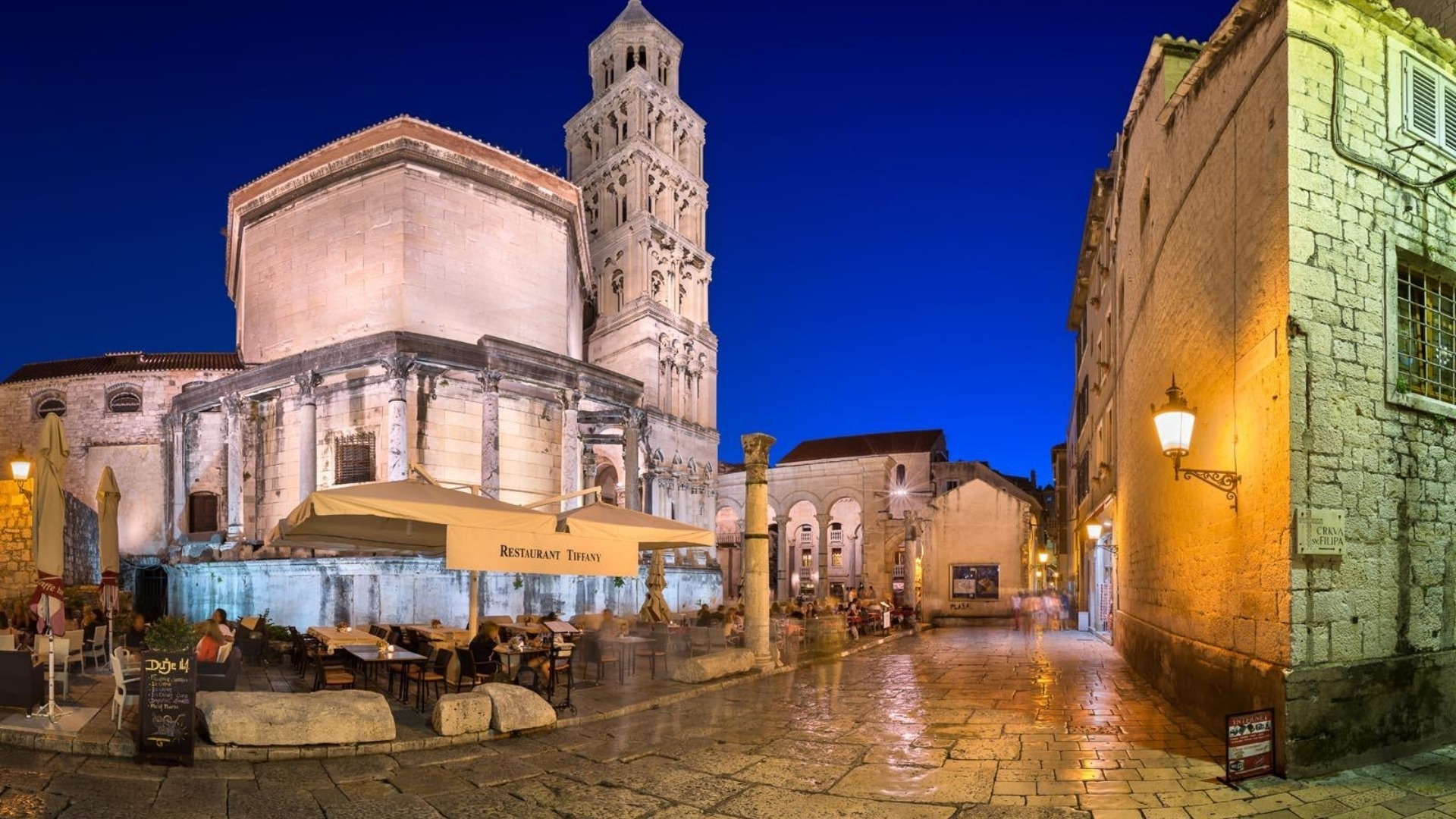 Split is much more about the “party.” It is home to the Ultra Europe festival and has a thriving bar scene centered around the palace walls. In 2026, the “Nights of Diocletian” event has been expanded, where the city goes back in time with gladiator fights and Roman feasts. If you want to dance until sunrise, Split is the clear winner.
Day Trips and Island Hopping
This is where the debate of Split or Dubrovnik usually gets settled. If your main goal is island hopping, Split is the undisputed king. It is the central hub for the national ferry lines. You can easily take day trips to Hvar for glamour, Brač for the famous Zlatni Rat beach, or Vis for a quiet, untouched vibe.
Dubrovnik has lovely options like the Elaphiti Islands or a trip across the border to Montenegro. However, these are generally more about scenic boat rides than the fast-paced ferry hopping you find in Split. In 2026, new high-speed catamaran routes have made it even easier to get from Split to the outer islands in under an hour.
Who Should Choose Which City in 2026?
Your priorities decide the winner in the Dubrovnik vs Split debate. Couples and romantics usually prefer Dubrovnik for its dramatic setting and intimate old town strolls. Families and anyone watching the budget lean towards Split because of lower costs and easier beach access. History buffs and first-timers often choose Dubrovnik for the instant wow factor of the city walls and Game of Thrones sites. Nightlife fans and those planning several day trips pick Split for its central location and vibrant evenings.
Answer these five quick questions and the choice becomes clear. Are you after romance and views? Go Dubrovnik. Do you want value variety and easier movement? Choose Split. Do you mind crowds for iconic sights? Dubrovnik. Prefer a lived-in local feel? Split. Planning lots of island time? Split again. For easy and affordable car rentals, you can use QEEQ.
Practical 2026 Travel Tips
Getting there feels simpler this year with the new direct United flights to Split and plenty of European connections to both airports. Fly into one city and out of the other if your schedule allows. Stay three to four nights in your chosen base and you see the highlights without rushing.
Here is a handy checklist that covers the essentials:
- Book city walls tickets online for Dubrovnik in advance
- Visit Diocletian Palace early or late to beat the heat
- Plan island hopping ferries from Split for best connections
- Head to pebble beaches with water shoes and plenty of sun cream
- Explore the old town on foot in both cities
- Watch for Game of Thrones filming spots in Dubrovnik
- Look for budget travel apartments away from the harbour
- Check cruise ships schedules to avoid peak days
- Catch the summer festival performances in Dubrovnik
- Add extra day trips from whichever city you base yourself
Final Verdict – Split or Dubrovnik in 2026?
Dubrovnik vs Split comes down to what you value most on your Croatian holiday. Dubrovnik delivers the postcard perfection and romantic atmosphere that many dream about while Split offers better value a more authentic local pulse and easier access to islands. In 2026 the new flights and continued crowd management make both cities stronger choices than ever. Many travellers now split their time between them but if you can pick only one Split edges ahead for most people thanks to its balance of cost convenience and variety. Whichever you choose you will come home with Adriatic memories that last. Book your flights sort your ferries and enjoy the coast at its 2026 best.