The pressure to check off every country and squeeze fifteen cities into a two week vacation has turned travel into an exhausting checklist rather than an enriching experience. Have you wanted to slow travel Europe but weren’t sure where to start or which cities would actually reward a longer stay?
The continent offers countless destinations where you can settle in for weeks or months, develop routines, discover neighborhood bakeries, and experience what it means to travel slowly rather than just see the sights.
This guide explores the best European cities for slow travel, places where the rhythm of daily life invites you to linger over morning coffee, wander without a map, and finally understand why locals love their city so much. These aren’t just tourist destinations but living, breathing communities where you can temporarily belong.
What Is Slow Travel and Why Europe Is Perfect for It
Slow travel means staying in one place long enough to develop a genuine sense of place rather than racing through attractions. You’re often asked about slow travel and how it’s unique from say responsible travel or sustainable travel, and the distinction matters.
While those approaches focus on minimizing negative impact, slow travel centers on deepening your experience and connection to a place. You might spend three weeks in one city instead of three days, shopping at local markets instead of restaurants, and discovering hidden corners that guidebooks never mention.
Europe supports this lifestyle beautifully through its walkable historic centers, extensive train networks, abundant cafe culture, and infrastructure built for human scale living rather than car dependency. The compact nature of European cities means you can explore thoroughly on foot or bicycle, while affordable public transport connects you to day trip destinations when you need variety.
8 Best European Cities For Slow Travel
Lisbon, Portugal
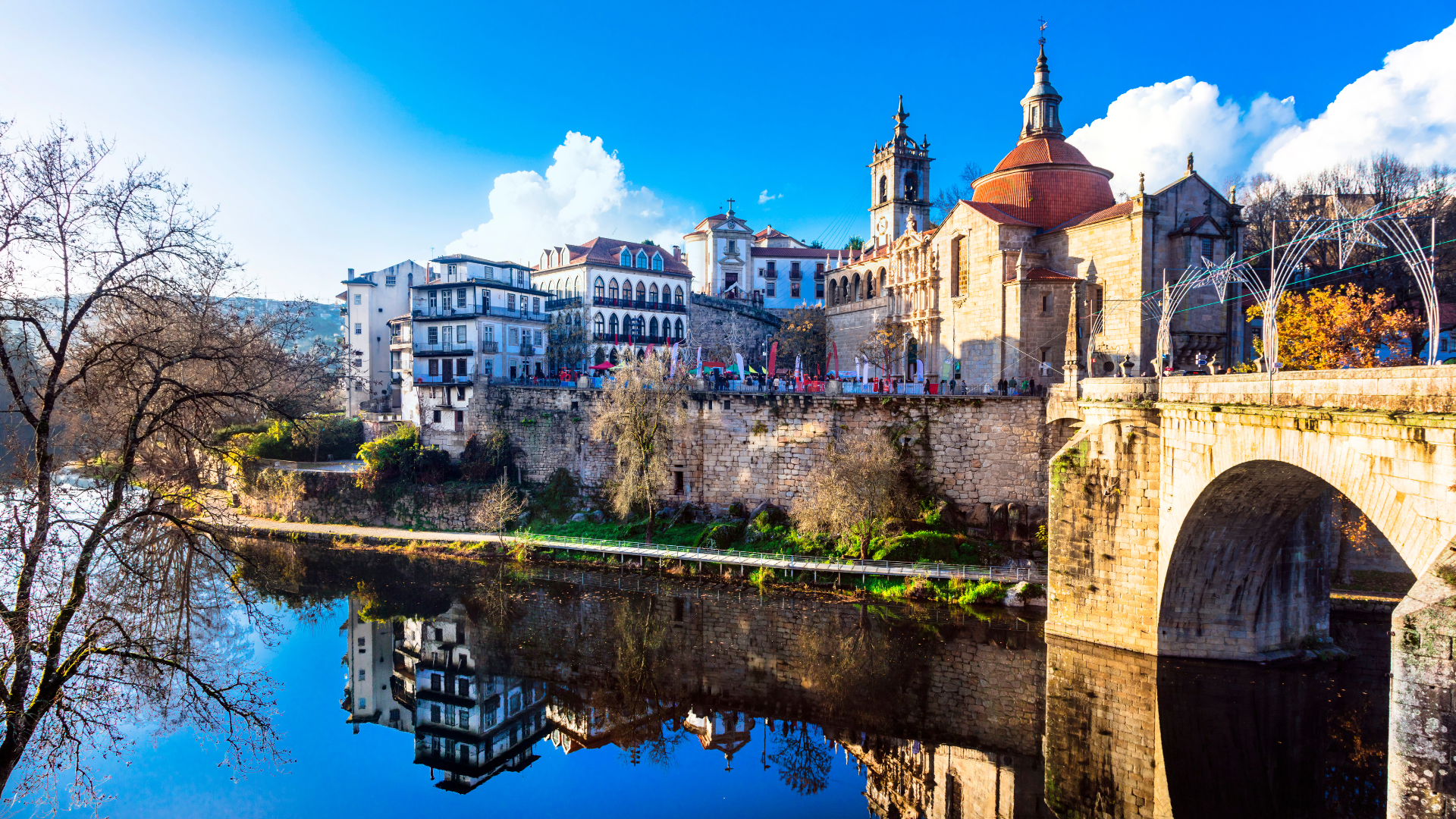 Lisbon tops many lists of the best European cities for slow travel because it balances rich culture with an unhurried Mediterranean pace. The city sprawls across seven hills, and each neighborhood has its own distinct personality that reveals itself only through extended exploration.
You might spend your first week in Alfama, getting lost in narrow alleyways and discovering tiny taverns where locals sing fado. Then you move your focus to Principe Real for its gardens and design shops, followed by time in Mouraria where immigrant communities have created a multicultural atmosphere unlike anywhere else in the city. The vintage tram system encourages slow movement through the streets, and the tradition of lingering over coffee or wine means you’ll never feel rushed to vacate a cafe table.
Lisbon has become particularly popular with digital nomads and creatives who appreciate the relaxed European cities vibe combined with decent internet and coworking spaces. The cost of living remains reasonable compared to other Western European capitals, though prices have risen as the city’s popularity has grown.
Florence, Italy
Florence proves that even heavily touristed cities can support slow travel if you approach them differently. The key is staying beyond the initial overwhelm of the Uffizi and Duomo crowds and finding the Florence that locals actually inhabit.
This means mornings at neighborhood markets like Sant’Ambrogio where vendors know your face by the second week, afternoons in the Oltrarno district where artisan workshops still practice traditional crafts, and evenings in residential areas where you’ll find family run trattorias with no English menus. The art and architecture that draw millions of tourists also provide endless opportunities for deeper exploration.
You can spend weeks studying Renaissance techniques in smaller museums, taking cooking classes that teach regional Tuscan traditions, or simply sitting in different piazzas each day watching the choreography of daily life.
Ljubljana, Slovenia
Ljubljana ranks among the most underrated slow travel destinations Europe offers, partly because Slovenia itself flies under the radar for many travelers. This compact capital of just 300,000 people delivers an incredibly high quality of life with its car free old town, the Ljubljanica River lined with cafes, and a palpable sense of European calm that larger capitals have lost.
The city moves at a human pace, and locals prioritize outdoor time, cultural events, and social connections over hustle culture. You can walk across the entire city center in less than thirty minutes, yet the density of cafes, markets, galleries, and parks means you’ll find new favorites even after weeks of exploration.
Seville, Spain
What makes Seville exceptional for slow travel Europe experiences is how thoroughly local life continues despite the tourist presence. Tapas culture means you can eat well and affordably by joining the evening rounds between bars, and the neighborhood plazas serve as outdoor living rooms where entire communities gather.
Flamenco isn’t just a tourist show here but a living tradition you’ll encounter in unexpected places if you stay long enough to find the authentic performances. The city’s compact historic core is entirely walkable, and the reliable weather means you can plan outdoor activities year round, though summer requires adjusting to the heat or escaping to nearby pueblos blancos in the hills. Monthly costs vary depending on your standards, but you can live comfortably on £1,000 to £1,500 including rent in a decent neighborhood.
Ghent, Belgium
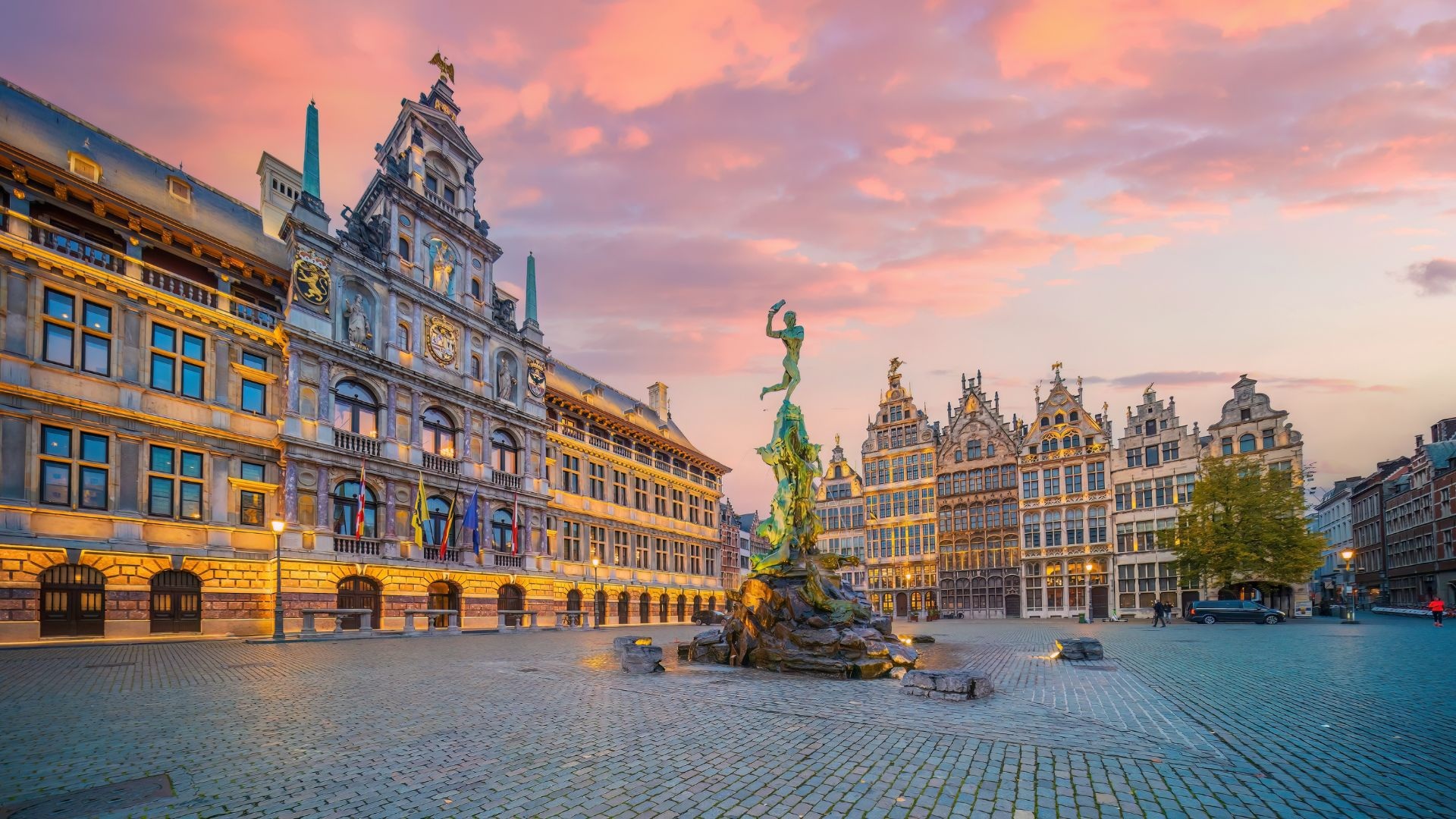 Ghent delivers all the medieval charm of Bruges without the overwhelming tourist crowds, making it perfect for those who want to travel slowly through Belgium. The city’s scale feels just right, large enough to offer variety and culture but compact enough to navigate entirely on foot or bicycle.
Cycling culture here rivals Amsterdam, and locals actually use bikes for daily transport rather than just recreation, which tells you everything about the city’s livability. The canal lined streets and preserved guild houses provide postcard scenery, but unlike museum cities that feel frozen in time, Ghent has a vibrant student population and contemporary culture that keeps things dynamic.
The food scene balances traditional Flemish cooking with international influences, and the cafe culture provides endless spots to settle in with a book and watch the world pass by. You’ll quickly develop favorites among the neighborhood bakeries, cheese shops, and chocolate makers that line residential streets away from the tourist center.
Kraków, Poland
Kraków combines old world European charm with costs that make extended stays genuinely affordable. The medieval old town remains remarkably intact, centered around Rynek Główny, one of the largest market squares in Europe where street life and outdoor cafes create constant activity.
The city has cultivated a serious cafe culture that rivals Vienna or Paris, with countless spots where you can occupy a table for hours over a single coffee without anyone rushing you out.
This represents one of the best European cities for slow travel if budget considerations matter. You can find comfortable apartment rentals for £400 to £700 per month, and daily living costs remain wonderfully low. A meal at a local restaurant might cost £8, a beer £2.50, and groceries a fraction of what you’d pay in Western Europe.
Aix en Provence, France
Aix en Provence distills everything appealing about southern France into a perfectly sized city that practically forces you to slow down. The daily market on Place Richelme becomes a ritual rather than just shopping, with vendors who’ll remember your preferences and chat about the season’s produce.
The tree lined Cours Mirabeau serves as the city’s main artery, where cafe tables spill onto wide sidewalks and people watching becomes a legitimate daily activity. Everything about Aix encourages a food focused and artistically inclined lifestyle, from the cooking schools teaching Provençal techniques to the countless galleries and the legacy of Cézanne who painted the surrounding countryside obsessively.
The city works beautifully as a base for exploring Provence, with lavender fields, Roman ruins, coastal towns, and wine regions all within day trip distance.
Tallinn, Estonia
Tallinn offers an unexpected combination of medieval atmosphere and cutting edge digital infrastructure that makes it increasingly popular for slow travel Europe adventures. The UNESCO listed old town feels transported from another century with its cobbled streets and defensive walls, yet step beyond the tourist zone and you’ll find a thoroughly modern city with reliable public transport, ubiquitous wifi, and a tech savvy population.
The compact city center is entirely walkable, while excellent transit connections serve the residential districts where you’d actually live during an extended stay. Neighborhoods like Kalamaja blend historic wooden architecture with contemporary cafes and creative businesses, offering authentic local life without sacrificing convenience.
Best European Cities for Slow Travel on a Budget
- Some of these slow travel destinations in Europe deliver exceptional value without sacrificing quality of life.
- Beyond the cities already mentioned, Porto offers all of Lisbon’s appeal at lower prices with fewer crowds. Budapest combines grand architecture with thermal baths and costs that allow comfortable living on £800 per month.
- Belgrade surprises visitors with its energetic culture, riverside location, and incredibly affordable daily expenses where a nice meal out might cost £10.
- Valencia provides beach access, excellent food, and reasonable prices compared to Barcelona or Madrid. It’s always easier to slow travel destinations in Europe that are less crowded, and these budget friendly options tend to fall into that category naturally.
How Long Should You Stay in One City for Slow Travel?
The minimum stay that qualifies as slow travel depends on who you ask, but most advocates suggest at least two weeks in one place as an absolute minimum. This allows you to move past the initial tourist orientation phase and start developing actual routines. You find your favorite bakery, discover which cafe has the best afternoon light, learn the optimal time to visit the market before crowds arrive. A month represents the sweet spot for many slow travelers, long enough to feel genuinely settled but not so long that you need to deal with complicated logistics. You can rent furnished apartments monthly, establish real routines, and experience how the city changes from week to week rather than just seeing a snapshot.
Visa considerations shape these decisions for non European travelers. The Schengen zone allows 90 days within any 180 day period for most nationalities, which creates natural limits on how long you can slow travel Europe without more permanent residency. Some travelers work around this by spending three months in Schengen countries, then three months in non Schengen European destinations like the UK, Ireland, or the Balkans. Others pursue digital nomad visas now offered by Portugal, Estonia, Croatia, and other countries that allow extended stays. The bureaucracy of longer stays can feel daunting, but many slow travelers find that embracing one or two cities deeply for several months beats frantically trying to see everything in shorter timeframes.
Final Thoughts on Choosing the Best European Cities for Slow Travel
Selecting the right city for your slow travel adventure depends on matching destinations to your actual lifestyle preferences rather than just checking boxes. Do you prioritize warm weather and beaches, or would you rather have four distinct seasons? Is affordable living essential, or can you stretch your budget for the perfect location? Do you need a creative community and cultural stimulation, or does quiet Europe appeal more to your temperament? The best European cities for slow travel vary dramatically in character, and what works beautifully for one person might feel completely wrong for another.