The South of France has a reputation for being expensive, and honestly, parts of it are. Monaco exists. Cannes during film festival week exists. But the region itself, covering Provence, the Côte d’Azur, Languedoc, and everything in between, is far more accessible than most people assume when they are planning a trip.
Budget travel South of France is genuinely possible, and not in a “survive on crackers and sleep on a park bench” kind of way. You can eat well, stay comfortably, visit extraordinary places, and keep your daily spend at a level that does not require a second mortgage.
The key is knowing which parts of the region to prioritise, when to go, and where the locals actually eat and drink rather than defaulting to the tourist strip.
Best Time to Visit the South of France on a Budget
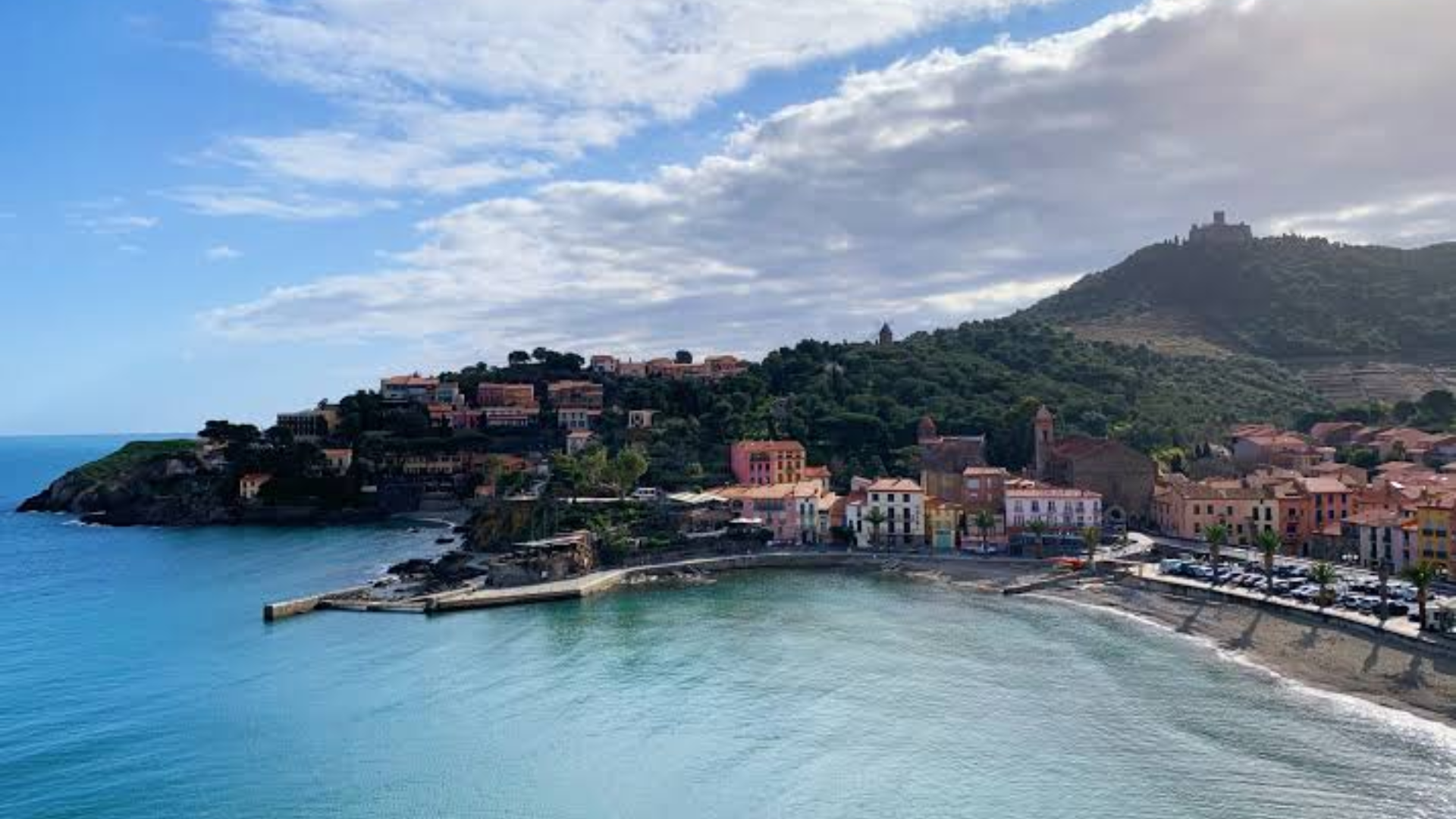 May and early June sit in the sweet spot for South of France on a budget. The weather is genuinely warm, the lavender fields are building toward their July peak, the beaches are usable, and the accommodation prices have not yet climbed into peak summer territory.
September and early October work equally well from a budget perspective, and some would argue the light and temperature in September is actually better than July without the crowds that push prices up across the entire coastline.
Off season travel from November through March delivers the lowest prices you will find anywhere in the region, and while some smaller businesses close, the cities stay fully operational and largely free of tourist pressure.
Budget Accommodation Options
 Nice has a solid hostel scene centred around the area near the train station on Avenue Thiers, with dorm beds running from around £20 to £28 per night at well-reviewed properties. Private rooms in guesthouses in the old town push toward £55 to £75 in shoulder season, which is reasonable for the location. Booking through Hostelworld or Booking.com with flexible cancellation and booking two to three weeks ahead rather than last minute consistently produces better rates than walk-up pricing.
Marseille runs cheaper than Nice across almost every accommodation category. Hostel stays in the areas around the Vieux-Port and Cours Julien neighbourhood start from around £18 to £22 for a dorm bed.
Aix-en-Provence has fewer hostels but a good range of small hotels and chambres d’hôtes in the surrounding villages that cost considerably less than in-city options. For Provence broadly, searching for gîtes and small village guesthouses rather than hotel chains regularly turns up genuinely charming rooms for £45 to £65 per night that feel nothing like budget accommodation in practice.
Suggested 7 to 10 Day Budget Itinerary
Nice and the Côte d’Azur
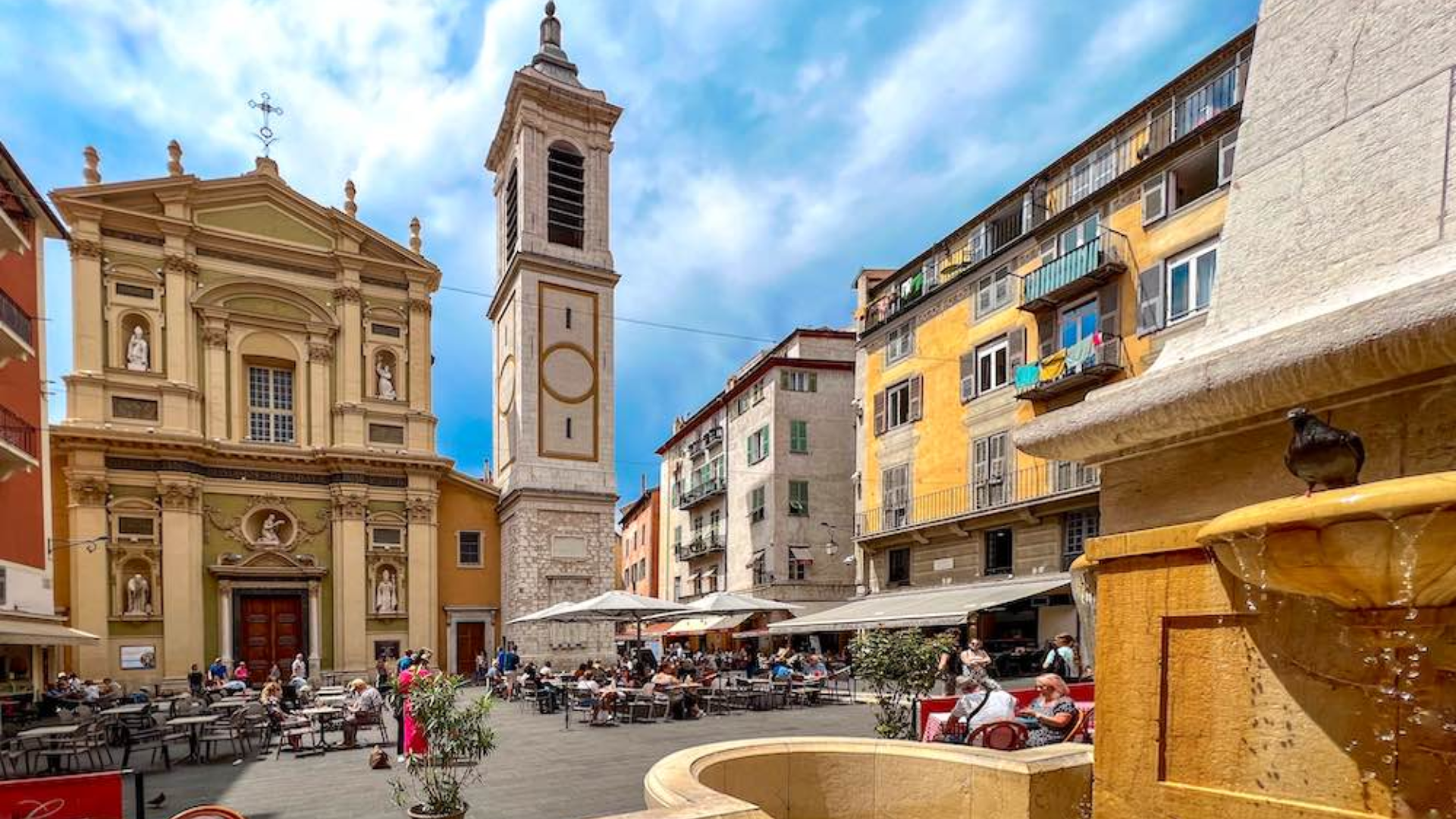 Start in Nice and give it two full days minimum. The old town, Vieux-Nice, is one of the best-preserved historic centres on the entire coast and costs nothing to walk through. The Promenade des Anglais runs along the pebble beach and gives you the full Riviera view without spending anything.
Take the free lift or walk up to Castle Hill for the best panoramic view of the bay, which is genuinely one of the strongest photo spots on the coast and completely free. Antibes is 20 minutes by train from Nice at around £4 return and offers a walled old town and a far less crowded beach than the Nice waterfront.
Provence Lavender Region
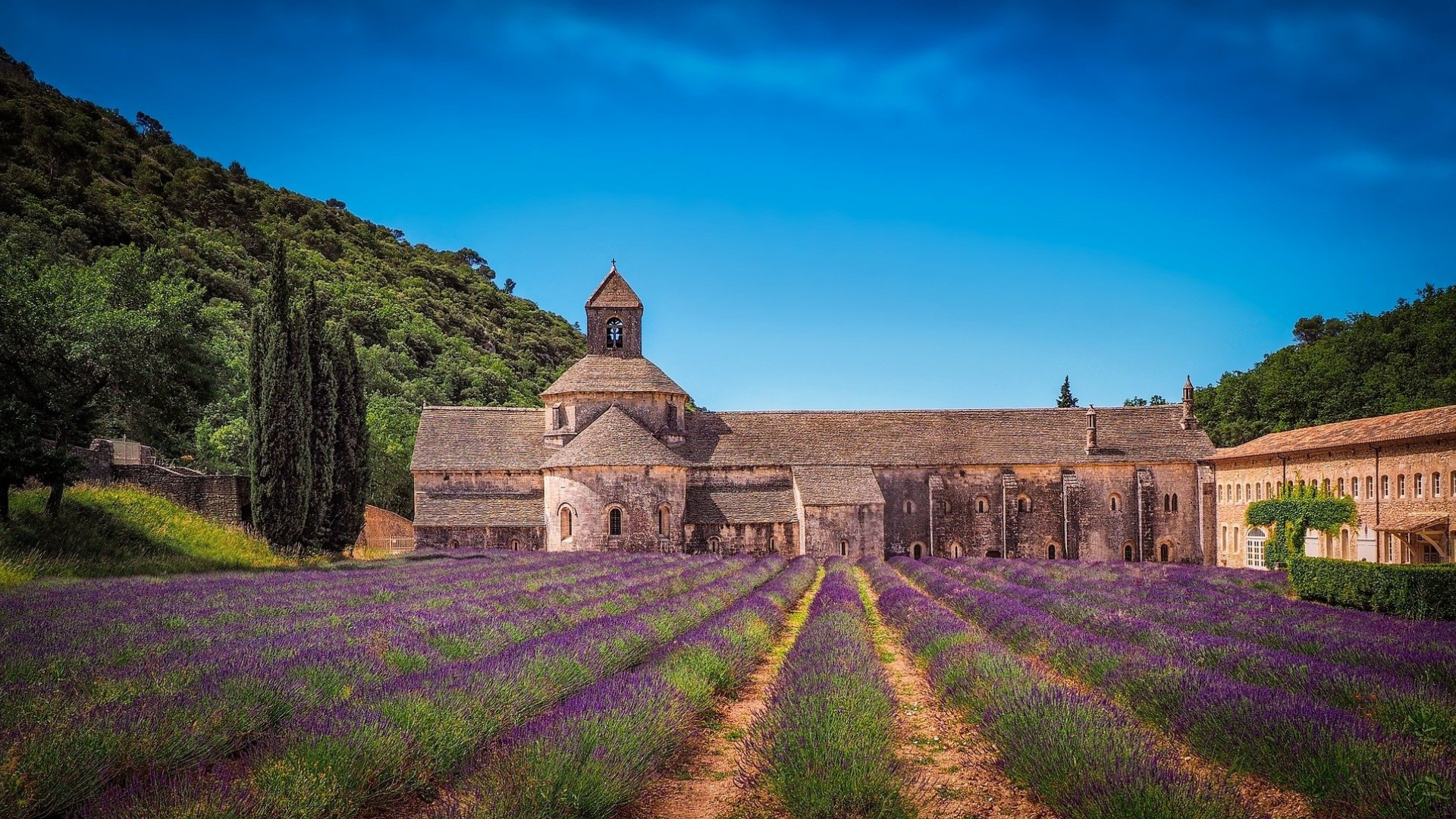 From Nice, head inland toward Valensole or the Luberon by regional bus or car. Valensole plateau produces the most concentrated lavender fields in France and peaks in late June through mid-July. The village of Moustiers-Sainte-Marie is nearby and is one of the most beautiful villages in France without the inflated prices of better-known Luberon destinations.
Spending two nights in this area with a base in a village guesthouse gives you access to the lavender fields, the Verdon Gorge for hiking, and local markets that operate several mornings per week through summer.
Marseille and Cassis
Marseille deserves more than a day trip. Give it two nights. The city is rough around some edges and completely authentic, which is exactly what makes it more interesting than the polished resort towns further east. The Vieux-Port fish market runs every morning and costs nothing to walk through.
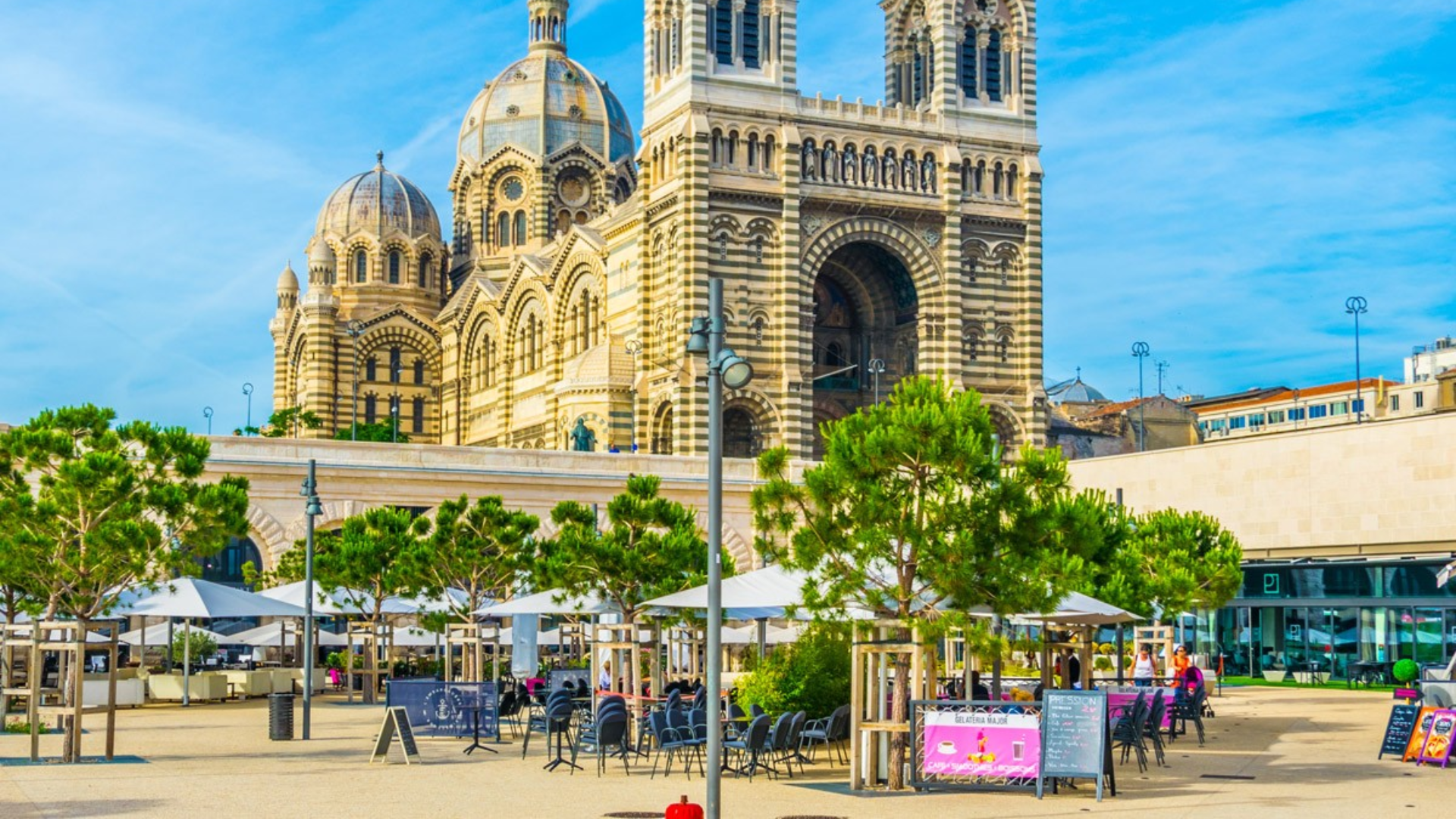 The Cathedral de la Major and the Basilique Notre-Dame de la Garde both have free entry. Cassis sits 20 kilometres east by bus and gives you access to the Calanques, a network of limestone inlets with turquoise water that rival anything on the French Riviera for visual impact. The hike into the Calanques from Cassis is free and takes around two hours return for the closest inlet.
Hill Towns and Villages
The Luberon villages including Gordes, Roussillon, and Bonnieux are genuinely stunning and largely free to walk through. Roussillon has an ochre cliff path with a small entry fee of around £3, which is worth paying. Les Baux-de-Provence has a paid château site but the village streets and views are accessible without entry. Spending a day driving or cycling between two or three hill villages costs almost nothing beyond transport and whatever you eat along the way.
Day Trips and Train Travel
The regional TER train network connects Nice, Cannes, Antibes, Marseille, Toulon, and Avignon with fares that stay genuinely affordable when booked a few days ahead through SNCF Connect. Nice to Cannes costs around £5 to £8. Nice to Marseille runs around £15 to £22 depending on timing. Avignon to Marseille is around £12. These are day trip distances that open up a significant amount of the region from a single base without needing a car.
Cheap and Free Things to Do in the South of France
Free Beaches, Markets, and Viewpoints
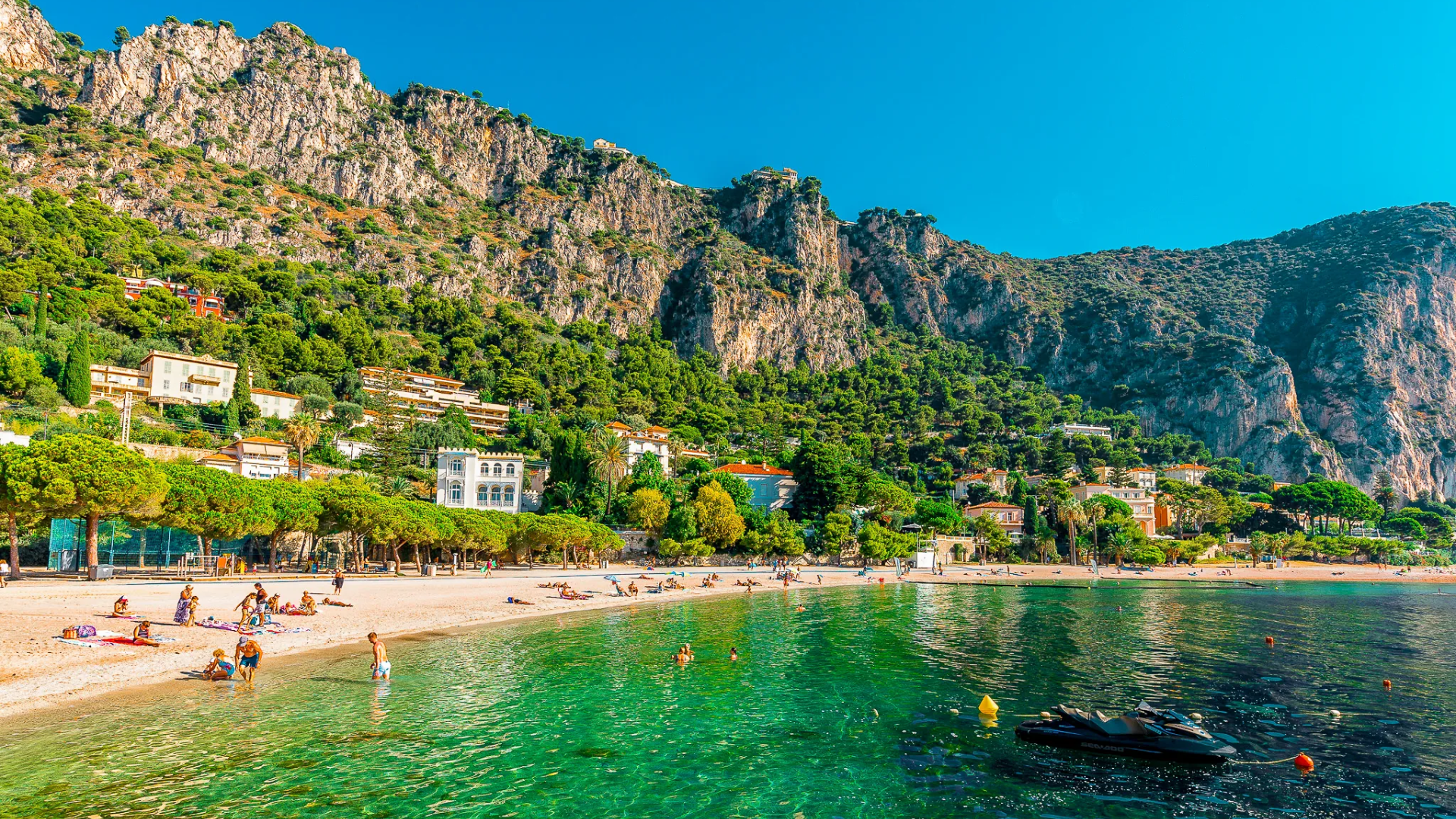 The vast majority of beaches along the Côte d’Azur are free public beaches despite the impression that private beach clubs dominate the coastline. Between the paid sunbed sections, public strips run the full length of most resort towns. Nice, Antibes, Cassis, and the beaches around Marseille all have accessible free sections.
The viewpoint above Èze village, the Jardin Exotique d’Èze, charges around £6 entry, but the free path through the medieval village gives you strong coastal views without paying. Local markets in Provence, Aix, Arles, and Nice operate weekly or daily and are free to browse, with the produce stalls genuinely worth visiting for the visual experience alone.
Affordable Wine Tasting and Hiking
Provence produces rosé wine at a scale that means cave cooperative tastings in villages throughout the Var and Vaucluse are either free or cost around £3 to £5 for a tasting flight. These cooperatives sell directly to visitors and the quality is often excellent.
Hiking in the Calanques National Park, the Luberon, the Alpilles, and the Verdon Gorge is entirely free with marked trails maintained by the national park authority. A good pair of shoes and an early start cover most of what the region’s landscape has to offer without any entry fee.
Hidden Gems and Local Experiences
Arles is significantly cheaper than Avignon and Aix for accommodation while sitting within the same Provence cultural zone and holding Roman ruins of its own. The Sunday market in Arles covers the entire Boulevard des Lices and is one of the best markets in the south for food, fabric, and regional produce. Uzès, northwest of Nîmes, holds a Saturday market that draws locals from across the Gard department and has a medieval centre that very few international tourists find.
Budget Food Guide: Eat Well Without Spending Much
Cheap eats in the South of France centre on a few reliable formats. The lunch formule, a set menu offered at most restaurants from Tuesday through Friday, delivers a two or three course meal for between £13 and £18 per person, which is consistently better value than ordering à la carte at dinner. Boulangeries sell filled baguette sandwiches for around £4 to £5 that make a strong lunch option alongside local fruit from a market stall.
Socca, a chickpea flour pancake specific to Nice, costs around £3 from street vendors in Vieux-Nice and is one of the most satisfying cheap eats in the region. Tapenade, local olives, and bread from a market combined with a bottle of local rosé under £6 from a supermarket makes for a picnic that outperforms most restaurant meals for less than £10 per person. Lidl and Intermarché branches in most towns stock excellent regional produce, cheese, and wine at prices well below market or deli rates.
Transportation and Money-Saving Travel Tips
Train travel on the regional TER network is the most practical and cost-effective way to move between major cities on a South of France on a budget itinerary. Book through SNCF Connect two to seven days ahead for the best available fares, and look for the Ouigo low-cost TGV services on longer routes like Paris to Nice or Lyon to Marseille, which regularly run at £15 to £25 per person. The BlaBlaCar rideshare platform connects drivers heading between cities with passengers looking for cheap seats, and fares between Nice and Marseille or Marseille and Montpellier regularly come in under £8.
For the Provence interior where train coverage thins out, car rental booked in advance through a comparison site like Rentalcars or Kayak produces significantly lower daily rates than walk-up rental at the airport. Collecting a small car from Marseille or Avignon for two to three days and covering the village circuit before returning it brings the per-person cost down considerably when split between two or three travellers.
Frequently Asked Questions (FAQs)
How much money do I need per day for South of France on a budget?
A realistic daily budget for South of France on a budget sits between £55 and £80 per person covering a hostel dorm bed or shared guesthouse room, two meals using the formule lunch and a simple evening meal, local transport, and one or two paid activities or entry fees. Travelling as a couple and sharing private rooms or gîtes brings the per-person daily cost down toward £45 to £65 with a slightly higher comfort level than hostel accommodation provides.
Is Nice expensive to visit?
Nice runs more expensive than Marseille or inland Provence for accommodation, but the core daily costs of eating and getting around are manageable. The free beaches, free old town, and free viewpoints mean the city itself does not demand a large daily spend beyond your bed. Staying near the train station rather than on the Promenade cuts accommodation costs by 20 to 30 percent without significantly affecting your access to the main areas.
What is the cheapest way to travel around the South of France?
Regional TER trains cover the coastal corridor between Menton and Marseille reliably and cheaply. BlaBlaCar fills in the gaps for inland routes where trains run less frequently. For the Provence village circuit specifically, a shared car rental split between two or more people delivers better flexibility than public transport at a comparable or lower per-person cost. Avoid renting a car in Nice or Cannes city centre where drop fees and airport surcharges push the base rate up considerably.
Can you visit the South of France in winter on a budget?
Winter is the most affordable season across the entire region for accommodation, with prices in Nice, Marseille, and Aix dropping by 30 to 50 percent compared to summer rates. The coast stays mild through December and January with daytime temperatures regularly reaching 12 to 15 degrees Celsius. Some coastal businesses and most lavender-focused experiences close from November through March, but the Roman sites, city markets, coastal walks, and restaurant scene in the main cities operate normally through the winter months.
Wrapping Up…
Budget travel South of France works better than most people expect before they start planning it properly. The region rewards visitors who travel in shoulder season, eat where locals eat, use the train network rather than taxis, and spend time in places like Arles, Uzès, and Cassis rather than defaulting to the most famous and most expensive addresses on the coast. South of France on a budget is not about cutting the experience down. It is about finding the version of the region that most visitors miss entirely, and that version is often the better one.