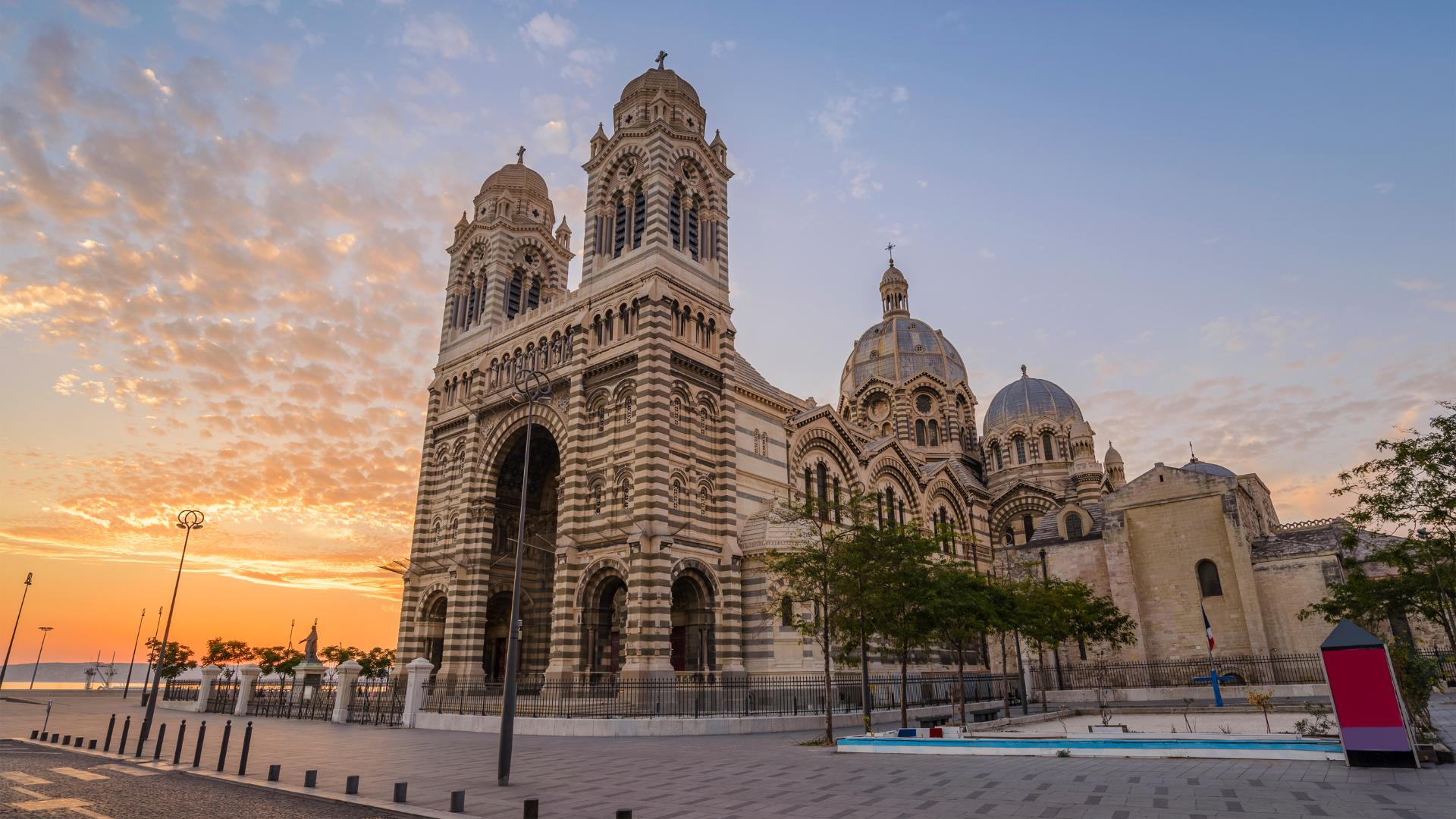
Marseille hit me quite differently than any other French city I’ve visited, and I’m still trying to properly articulate why. Maybe it’s the way the morning light catches the harbour while fishermen unload their catch, or how the smell of bouillabaisse mixes with sea salt in the air.
Perhaps it’s the gritty authenticity of a place that doesn’t feel the need to polish itself for visitors. Whatever it is, this grungy urban centre by the Mediterranean has an energy that’s completely its own—rougher around the edges than Paris, more diverse than Nice, and infinitely more interesting than the sanitized Riviera towns further east.
As beautiful and amazing as visiting it is, Marseille isn’t going to appeal to everyone, and honestly, that’s part of what makes it special. This is France’s second-largest city, but it feels worlds away from the postcard-perfect images you might have in your head.
The best things to do in Marseille range from hiking limestone cliffs to wandering ancient streets where washing hangs between buildings and street art covers every available surface. I’ve broken down all the essential things to do in Marseille in this guide, mixing the famous spots with the hidden corners that made me fall for this chaotic, beautiful city.
Getting to Know Marseille – A City Shaped by the Sea
Understanding Marseille means understanding its relationship with the Mediterranean. This city of Marseille by the sea has been a port for over 2,600 years. This makes it France’s oldest city and a crossroads where cultures from North Africa, the Middle East, and Southern Europe have mixed, clashed, and created something entirely unique.
That history is written into the very fabric of the place—in the food, the faces, the languages you hear on street corners, and the architectural layers that tell stories of Greek traders, Roman conquest, medieval commerce, and modern immigration.
What makes Marseille France feel so authentic is precisely what some visitors find challenging. This isn’t a city that’s dressed itself up for tourism. Yes, there are tourist attractions and increasingly gentrified neighbourhoods, though large swaths of Marseille remain deeply, defiantly local.
Streets can be rough, some areas feel sketchy, and you’ll encounter poverty alongside regeneration. But you’ll also find incredible warmth, genuine interactions, and a sense that you’re experiencing a real, living city rather than a museum or theme park version of France.
The Mediterranean influences everything here—the pace of life, the outdoor culture, the food, even the way people interact. There’s a relaxed lifestyle that feels more Italian or Spanish than typically French. Once you sync with that rhythm, Marseille starts to make perfect sense.
Best Things To Do in Marseille for First-Time Visitors
Walk Along the Old Port of Marseille
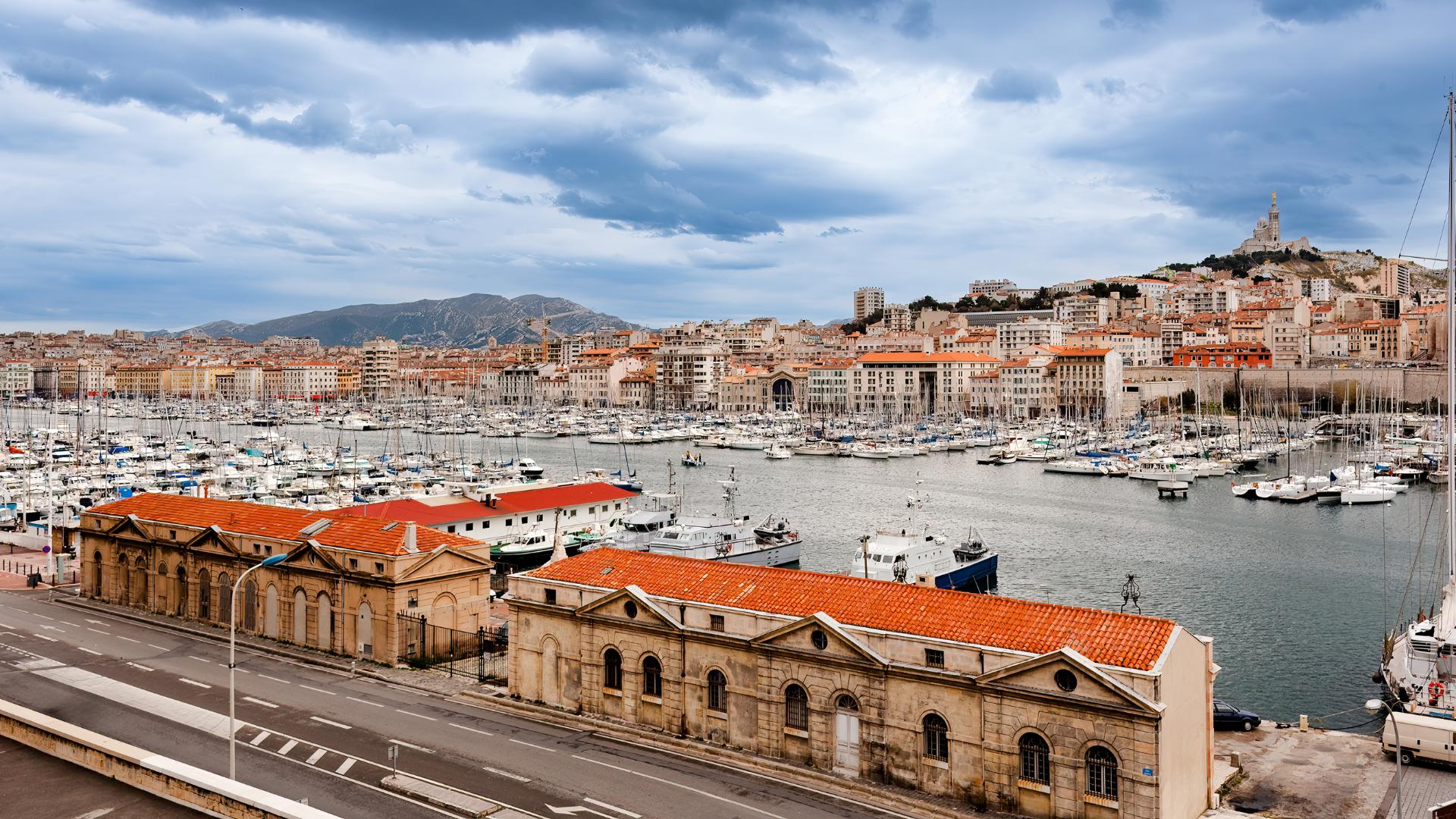
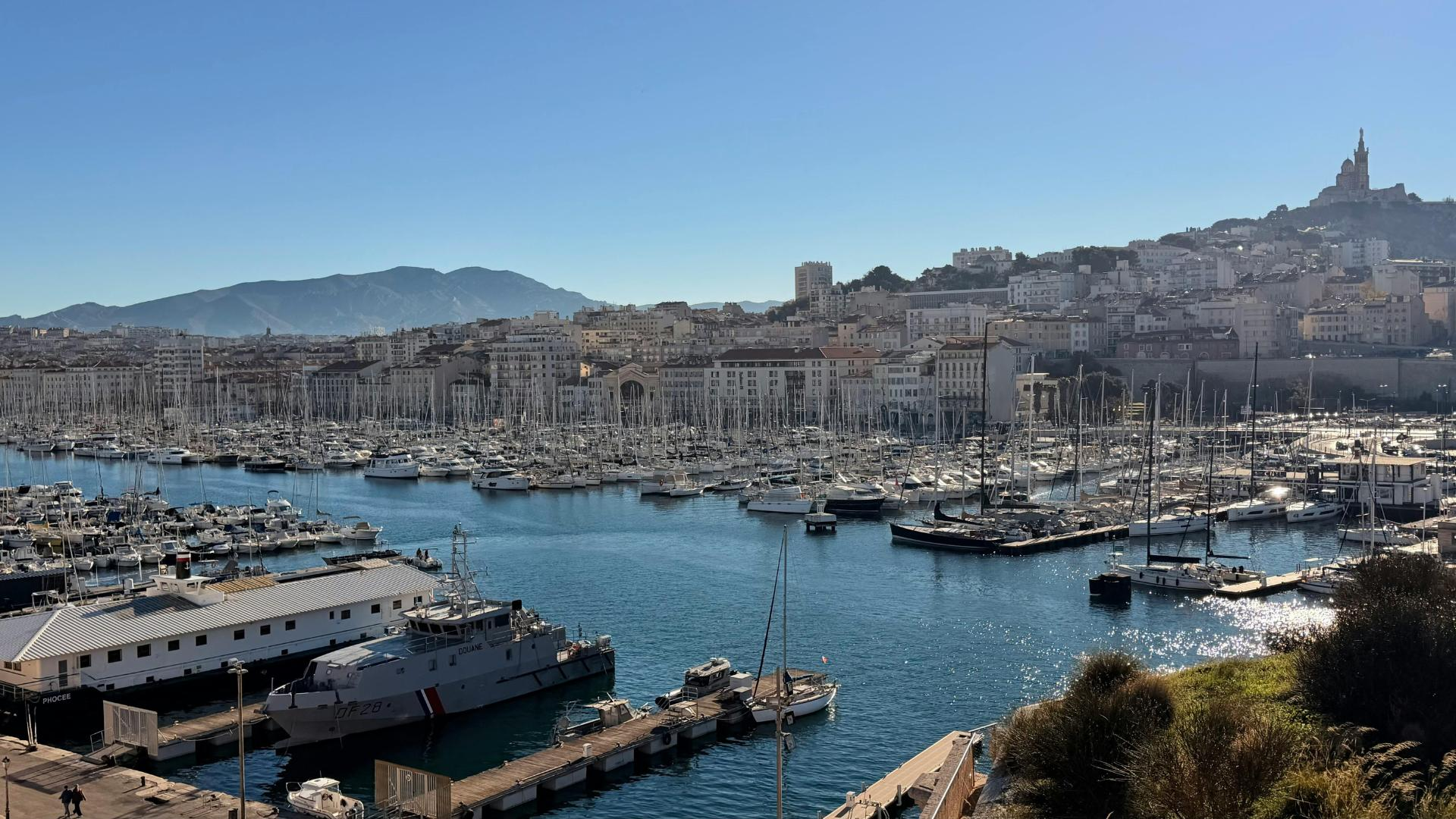 The Old Port of Marseille—or Vieux-Port—is where you’ll inevitably start and probably return to multiple times during your visit. This horseshoe-shaped harbour has been Marseille’s heart since Greek sailors founded the city here in 600 BC. It remains the best place to feel the pulse of Marseille harbour life even today.
The harbour is framed by two forts—Fort Saint-Jean on the north side and Fort Saint-Nicolas to the south. Between them, boats of every size bob in the water. From tiny fishing vessels to sleek yachts and the ferries that connect Marseille to Corsica and North Africa. The real magic happens in the details, though.
Sunrise at the Old Port is particularly special if you’re an early riser. The light turns everything golden, the fish market is in full swing, and you get to see Marseille before it puts on its public face. Sunset isn’t bad either. These simple moments capture what makes the things to do in Marseille so memorable. They’re often not about ticking off attractions but about experiencing the city’s rhythm.
Another Good Read: Bansko Travel Guide in Winter
Visit Notre-Dame de la Garde for the Best Views
Notre-Dame de la Garde dominates Marseille’s skyline from its hilltop perch. Visiting this iconic basilica offers the single best panoramic views you’ll find anywhere in the city. Locals call it “La Bonne Mère” (the Good Mother), and the golden statue of the Virgin Mary atop the bell tower watches over Marseille from 150 metres above sea level. The church itself is worth seeing. There are romano-byzantine architecture, spectacular mosaics, but honestly, most people come for those Marseille panoramic views.
From the terrace surrounding the basilica, the entire city spreads below you. You can trace the Old Port’s curve, spot the offshore islands, see the Calanques stretching along the coast, and on clear days, make out the Alps in the distance. It’s one of those viewpoint spots where you genuinely understand a city’s geography and how all the pieces fit together.
Getting up there requires either a decent walk (about 20-30 minutes from the Old Port, mostly uphill) or catching bus number 60 that runs regularly from the Metro. The walk is rewarding if you’ve got the energy. The basilica itself is free to enter, and it’s one of those Marseille attractions that absolutely deserves its popularity without feeling overrun or commercialized.
Explore Le Panier District
Le Panier district is Marseille’s oldest neighbourhood, and it’s the perfect counterpoint to the grand vistas from Notre-Dame de la Garde. This is Marseille at street level. Narrow lanes that turn corners without warning, tiny squares where old men play cards, and yes, vibrant Instagram fodder, I mean street art, covering walls, doorways, and basically any surface that stays still long enough to be painted.
The neighbourhood spreads up the hill behind the Old Port, a maze of steep streets that follow no particular logic.
Le Panier has been through various incarnations over the centuries. Immigrant hub, working-class district, near-slum, and now increasingly gentrified creative quarter. That mix of old and new, rough and polished, creates fascinating textures. This authentic complexity is what makes exploring Marseille’s old neighbourhoods so compelling.
The Place des Moulins is the neighbourhood’s highest point, and it does offer lovely views and a good place to catch your breath after all those hills. But honestly, the main thing to do in Le Panier is simply wander, camera ready, eyes open, and see what you find.
Wander Through Marseille Old Town
Beyond Le Panier, the Marseille old town sprawls in various directions, each quarter with its own character and history. The area around Cours Julien has become the city’s bohemian heart. It has vintage shops, record stores, street markets, and enough street art to keep you photographing for hours. It’s where young Marseillais hang out, where you’ll find the better independent restaurants, and where the city’s creative scene is most visible.
The Noailles neighbourhood sits just inland from the Old Port and offers one of the most intense experiences of Marseille’s cultural mix. The market here (which I’ll discuss more later) sprawls through surrounding streets, and the whole area buzzes with energy that feels more North African than European.
These Marseille old streets reward exploration without a fixed plan. Yes, have a rough idea of where you’re going and keep normal urban awareness about your belongings, but allow yourself to follow interesting-looking alleys, pop into shops that catch your eye, and chat with people if the opportunity arises. It’s among one of the best things to do in Marseille.
Marseille’s Coastal Side – Sea, Sun, and Scenic Walks
Discover the Calanques National Park
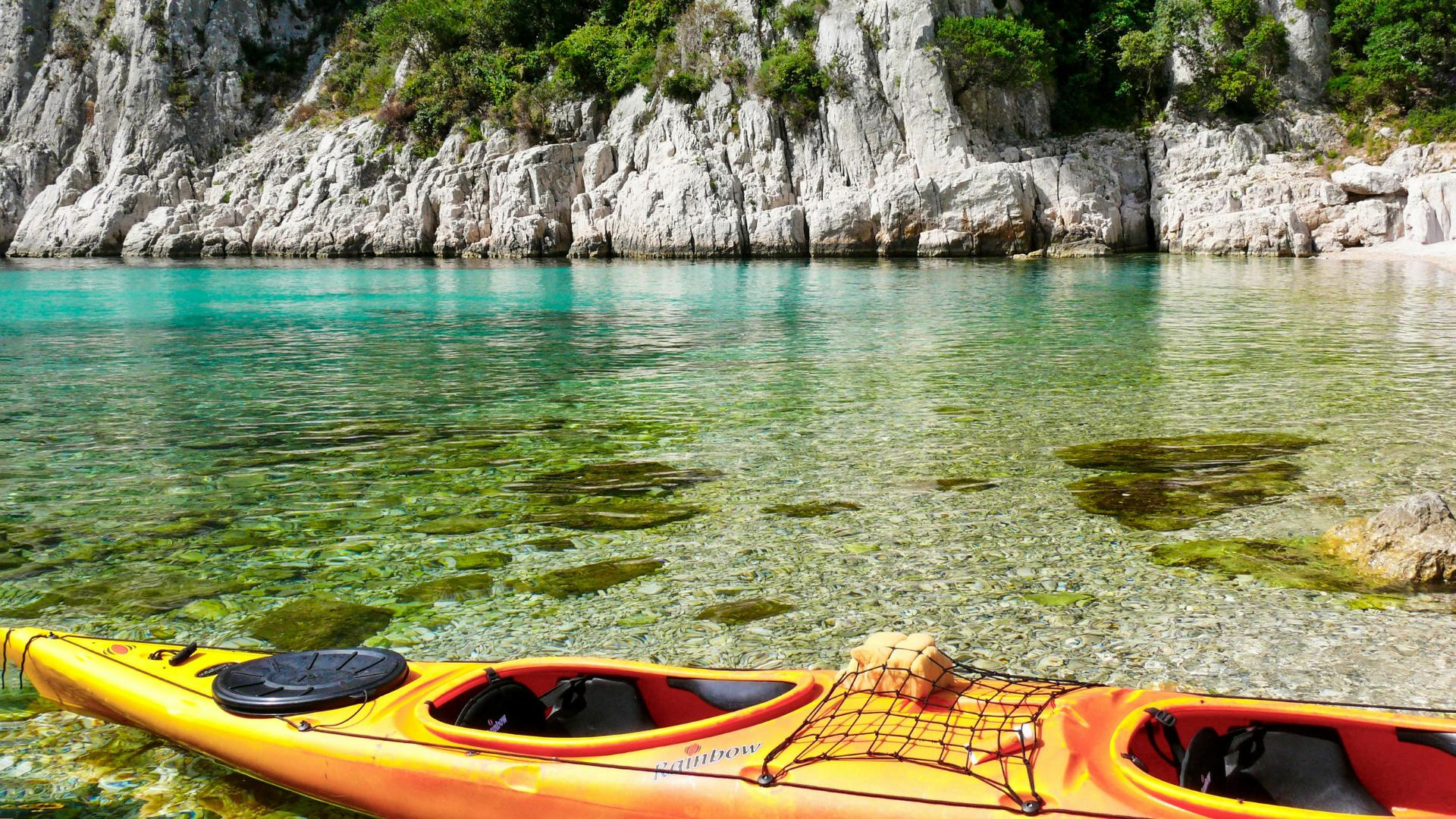 If you somehow lost interest in the city itself (which honestly seems unlikely but I’ll grant the possibility), the Calanques National Park alone would make visiting Marseille worthwhile. This protected area stretches along the coast between Marseille and Cassis. It nearly features dramatic limestone cliffs that plunge into impossibly turquoise Mediterranean water. The word “calanque” refers to these narrow, steep-sided inlets, and they create some of the most spectacular coastal scenery in France.
The Calanques are accessible by boat, car to certain points, or hiking, and each approach offers different experiences. The boat trips give you access to more calanques with less effort, and the perspective from the water really highlights the dramatic geology. Tours typically last 2-3 hours and cost around £25-35.
Hiking into the calanques is more rewarding if you’re physically able and the weather cooperates (note that trails often close during summer due to fire risk). The most popular accessible calanque is Sormiou, where a small beach community exists with a few restaurants and swimming spots. The water is stunning—that bright turquoise you associate with tropical destinations, but somehow even clearer. Other calanques like En-Vau and Port-Pin require longer, steeper hikes but reward you with even more dramatic scenery and fewer people.
Relax at the Best Marseille Beaches
Marseille’s urban beaches won’t win awards for pristine beauty compared to quieter stretches elsewhere on the French coast, though. They offer something better. They offer you a chance to swim in the Mediterranean while still being in the city. The main beaches run along the Prado coastline south of the Old Port, accessible by bus or a pleasant walk/cycle along the coastal path. These are proper city beaches with facilities, lifeguards during summer, beach volleyball courts, and that Marseille summer atmosphere where locals come to relax after work.
Further along the coast, toward Les Goudes and beyond, you’ll find smaller, quieter coves if you prefer something less developed. Some require a bit of scrambling down rocks, but you’ll be rewarded with clearer water and more privacy. The Marseille coastal scenery along this stretch is dramatic, with the Calanques beginning to rise in the distance and the road hugging cliffs high above the sea. It’s a completely different Marseille from the gritty urban centre, yet it’s all part of the same city.
Take a Coastal Walk Along the Corniche
The Corniche Kennedy is one of Marseille’s great pleasures, a coastal road and promenade that curves along the waterfront from the Old Port to the Prado beaches. This Marseille coastal walk offers constantly changing Marseille waterfront views.
You can walk, run, cycle, or just sit on one of the many benches and watch the sea. Locals use the Corniche daily. It’s where Marseillais come to exercise, think, meet friends, or simply escape the intensity of the city centre for a while. The Marseille walking routes along here are well maintained, with dedicated lanes for pedestrians and cyclists, regular access points down to the water, and enough variation to keep things interesting.
Various spots along the Corniche are worth stopping at. The Vallon des Auffes is a tiny fishing port that feels impossibly picturesque, with colorful boats, clifftop restaurants, and a sense of being in a small village rather than France’s second city. The Catalans beach at the start of the Corniche is popular for swimming and has a good restaurant. Further along, you’ll find Villa Valmer’s gardens (free entry), more swimming spots, and increasingly dramatic views as the coast becomes more rugged.
Food, Markets, and Local Flavours
Let’s talk about the Marseille food scene, because this is where the city really shines and where that cultural mix becomes delicious rather than just interesting. Marseille’s cuisine centers on seafood—hardly surprising for a Mediterranean port. It incorporates influences from Provence, North Africa, Italy, and beyond to create something distinctive.
Bouillabaisse is the city’s most famous dish, a rich fish stew that originated as a way for fishermen to use unsold catch. Traditional bouillabaisse is a serious affair, served in two parts—first the broth with rouille (a garlicky saffron mayonnaise) and croutons, then the fish and seafood. Good versions don’t come cheap (expect to pay £40-60 per person at proper restaurants), but it’s an experience worth having at least once.
Visit Local Markets for Everyday Marseille Life
Another one of the best things to do in Marseille is to visit the local markets. The daily fish market at the Old Port I’ve mentioned, but the neighbourhood markets offer even more insight into local life. The Noailles market is the most intense—a sprawling, chaotic explosion of produce, spices, clothing, household goods, and basically anything else you might need. It’s loud, crowded, sometimes overwhelming, but absolutely fascinating.
The Marseille food markets sell ingredients you’d never find in standard supermarkets. Fresh dates, preserved lemons, harissa in bulk, exotic fruits, fresh herbs bundled by the handful, and seafood so fresh it’s still twitching. Vendors call out prices in a rhythmic singsong, mixing French with Arabic and other languages. This is Marseille local neighbourhoods at their most authentic, where the city’s diversity isn’t a concept but a lived daily reality.
Other markets worth visiting include the Marché de la Plaine on Tuesday, Thursday, and Saturday mornings in the Cours Julien area. They are smaller than Noailles but with excellent produce and a more relaxed vibe.
Cultural and Historical Marseille Attractions
Although Marseille’s cultural attractions don’t rival Paris in quantity or fame, there’s enough here to satisfy anyone interested in art, history, or architecture. The MuCEM (Museum of European and Mediterranean Civilisations) is the standout. The architecture alone is worth seeing, with its lace-like concrete facade and footbridges connecting to Fort Saint-Jean. The fort itself is accessible with a museum entry (around £11) and offers great views plus historical exhibits.
Fort Saint-Jean certainly does deserve attention as one of the Marseille historic landmarks. The original abbey is said to date back to 415 AD, although it went through several cycles of destruction and renewal over the centuries. The Knights Hospitaller built much of what you see today in the 12th century, and later additions came under Louis XIV.
Unique Things to Do in Marseille That Locals Love
Beyond the obvious attractions, some of my favorite Marseille experiences came from following local habits and discovering spots that aren’t typically on tourist itineraries.
- The Marseille hidden corners and Marseille off-the-beaten-path locations often provide the most memorable moments precisely because you’re experiencing the city on its own terms rather than through a tourism filter.
- The Estaque neighbourhood, north of the city centre, offers a completely different perspective on Marseille. This former fishing village (made famous by Cézanne and Braque who painted here) maintains a strong working-class character and feels worlds away from the increasingly gentrified areas closer to the port.
- The waterfront has good, unpretentious restaurants serving fresh seafood at reasonable prices, and the steep streets behind the harbour provide wonderful views back across the industrial port toward the city.
- For Marseille authentic experiences, consider attending a football match at the Stade Vélodrome if Olympique de Marseille are playing at home. The atmosphere is electric, the singing constant, and you’ll see Marseille’s passion and pride on full display. Even if you’re not particularly into football, the experience of being among 65,000 locals all united in support of their team teaches you something about the city’s character.
A Perfect Marseille Itinerary (2–4 Days)
Let me suggest a Marseille itinerary that balances the must-see highlights with time to explore, relax, and let the city reveal itself naturally. Obviously, adjust based on your interests and energy levels.
Day 1: Old Port and Historic Core Start at the Old Port, grab breakfast at a café overlooking the harbour, and watch the city wake up. Visit the fish market if it’s morning, then walk through Le Panier district. Have lunch somewhere in Le Panier. There are plenty of small restaurants serving good, simple food. Afternoon, visit the MuCEM and Fort Saint-Jean. Evening, return to the Old Port for sunset, then dinner at a proper bouillabaisse restaurant.
Day 2: Calanques and Coast Either take a boat tour of the Calanques or hike into one of them—depending on your fitness level and desire for adventure. If hiking, start early to avoid afternoon heat. Pack a picnic and swimming gear. Spend several hours exploring, swimming, and soaking up the dramatic coastal scenery. Return to Marseille mid-to-late afternoon. Walk along the Corniche in the evening, stop for drinks at Vallon des Auffes, and have dinner at one of the clifftop restaurants with sea views.
Day 3: Markets, Culture, and Neighbourhoods Morning at Noailles market—experience the chaos and diversity while picking up picnic supplies. Walk up to Notre-Dame de la Garde, either on foot or by bus. Spend time at the basilica and viewpoint. Afternoon, explore Cours Julien area and the surrounding streets. Visit any museums or galleries that interest you. Evening, experience Marseille nightlife—drinks in the bars around Cours Julien, dinner somewhere you’ve been recommended by locals, and see where the night takes you.
Day 4: Day Trip or Deep Dive Either take a day trip to Cassis, Aix-en-Provence, or the Îles du Frioul, or spend a final day going deeper into Marseille neighbourhoods you’ve enjoyed. The Marseille day trips options are excellent—Cassis is a beautiful fishing village with Calanques access, Aix is an elegant university town with great art museums, and the offshore islands offer beaches and WWII history. Alternatively, use the day to revisit favorite spots, discover new areas, and generally soak up Marseille at a relaxed pace.
This structure gives you the Marseille city highlights while leaving room for spontaneity and personal discovery. The best Marseille trips balance planned activities with unstructured time for wandering and unexpected experiences.
Best Time to Visit Marseille
The best time to visit Marseille depends on what you’re prioritizing, but generally, spring (April-June) and autumn (September-October) offer the sweet spot of good weather without peak summer crowds or heat. Temperatures during these months typically range from 15-25°C—warm enough for comfortable sightseeing and often swimming, but not so hot that walking around the city becomes exhausting.
Practical Marseille Travel Tips
Getting to Marseille is straightforward from most of Europe. Flying to Marseille is possible when travelling from Europe or Africa.
- Ryanair has the most routes to Marseille Provence Airport, but it does have connections on various other carriers including British Airways, easyJet, and airlines from across Europe and North Africa.
- The airport is about 25 kilometers from the city centre, with buses, taxis, and rental cars available. The airport bus runs regularly to the main train station (Gare Saint-Charles) and costs around £8-10.
- To get to Marseille from within France, your best choices are the train or bus.
- Taking the TGV from Avignon was quite a quick and comfortable ride, and it would also work for Nice and Paris (which is only 3.5 hours away on the TGV!).
- The train station is well connected to the metro system, making onward travel into the city simple. Buses are significantly cheaper but slower—consider them if you’re on a tight budget but not if time is limited.
Getting around Marseille once you’re there relies mainly on the metro, tram, and bus system. The metro has two lines that cover the city reasonably well, and trams serve the coastal areas. A single journey ticket costs around £1.70, but day passes (£5-6) or multi-day passes make more sense if you’re using public transport regularly. That said, much of the central area is walkable, and I found myself using the metro less than expected.
Safety in Marseille deserves honest discussion. The city has a reputation for crime, some deserved and some exaggerated. Certain areas—particularly around the northern neighborhoods and Gare Saint-Charles late at night—require extra awareness.
Petty theft like pickpocketing happens in tourist areas, so keep valuables secure and stay aware. That said, I never felt unsafe during my visit when taking normal urban precautions. The vast majority of tourists have trouble-free visits to Marseille—just use the same common sense you’d apply in any large city.
The Marseille travel tips that made my visit smoother: book accommodation near the metro for easy movement; learn basic French phrases (Marseille is less English-speaking than Paris); avoid leaving valuables visible in rental cars; embrace the later dining culture (restaurants often don’t start serving dinner until 7:30-8pm); and remember that Monday is not great for museum visits as many close.
Is Marseille Worth Visiting?
This question comes up constantly in travel forums, and the answer genuinely depends on what kind of traveler you are and what you want from a French city experience. Let me give you my honest assessment to help you decide if a visit to Marseille makes sense for your trip.
Marseille is worth visiting if you appreciate cities with rough edges and authentic character over polished beauty. If you want to experience real French urban life rather than picture-perfect tourism, if you’re interested in cultural diversity and how Mediterranean identity actually manifests in a modern city, and if you’re drawn to the combination of gritty streets and stunning coastal nature, Marseille will fascinate you. Solo travelers, adventurous couples, and anyone who enjoys exploring beyond obvious tourist circuits will find plenty to love here.
The Marseille France experience is also excellent for food lovers (that mix of Provençal, North African, and seafood-focused cuisine is genuinely special), outdoor enthusiasts (the Calanques alone justify a visit), and people who like their cities with strong personalities rather than bland international appeal.
Marseille might not be worth visiting if you want classic French elegance and refinement (go to Paris, Lyon, or Bordeaux), if rough edges and occasionally chaotic urban environments stress you out rather than intrigue you, or if your France trip is short and you’re prioritizing famous landmarks over authentic experiences. If safety concerns make you uncomfortable in cities with mixed reputations, or if you strongly prefer places where everything is clean, organized, and obviously tourist-friendly, Marseille might frustrate you.
Groups with very limited mobility might find Marseille challenging—the old town involves lots of hills and stairs, and while the metro is accessible, many older areas are not. Families with young children will have mixed experiences—beaches and outdoor spaces are great, but the city’s intensity and some rougher neighborhoods might not suit everyone’s comfort level.
Final Thoughts – Letting Marseille Reveal Itself
After all this discussion of the best things to do in Marseille, I want to emphasize that the city reveals itself gradually rather than all at once. My first impressions were mixed—I found the Old Port area touristy, the main train station slightly intimidating, and the whole city a bit overwhelming. But as I spent more time wandering those old streets, sitting in neighbourhood cafés, swimming in calanques, and chatting with locals, Marseille started making sense in a way no guidebook could fully prepare me for.
This Marseille travel guide has covered the practical stuff—what to see, where to go, how to navigate the things to do in Marseille—but what I really want to convey is the importance of approaching this city with openness and patience. The Marseille travel inspiration I hope you take from this guide is that the best travel experiences often come from places that challenge you a little, that make you work to understand them, and that reward curiosity and openness. Marseille fits that description perfectly. It won’t be everyone’s favorite French city, but for those who connect with its energy and character, it becomes the kind of place you think about long after you’ve left.