Copenhagen is one of Europe’s most charming and approachable cities for travelers experiencing it for the first time. This Danish capital blends medieval architecture with cutting-edge design, creates streets filled with cyclists alongside waterfront cafés, and maintains a relaxed atmosphere that instantly puts newcomers at ease.
The city manages to feel both cosmopolitan and cozy, offering world-class museums and Michelin-starred restaurants. This Copenhagen travel guide focuses specifically on what first-time visitors need to know, cutting through generic advice to highlight what actually matters when you’re exploring the city for the first time.
By the end, you’ll understand how to navigate Copenhagen confidently, where to spend your limited time, and how to experience the city like someone who already knows their way around.
Why Copenhagen Is Perfect for First-Time Visitors
Copenhagen welcomes newcomers with an ease that few European capitals can match. The city layout makes intuitive sense even without a map, with most major attractions concentrated in walkable distances from each other. You can stroll from the colorful Nyhavn waterfront to the royal palaces in under 20 minutes.
Safety and cleanliness stand out immediately to visitors from other major cities. Copenhagen consistently ranks among the world’s safest capitals, where locals leave bikes unlocked and parents let children play in parks without hovering.
Besides, nearly everyone speaks excellent English in Copenhagen. You can navigate the entire city, ask for help, and have meaningful conversations without knowing a word of Danish.
Where Is Copenhagen Located?
Copenhagen sits on the eastern edge of Denmark’s Zealand island, positioned so close to Sweden that you can see the Swedish coast across the Øresund strait. The city serves as Denmark’s capital and largest urban center. This strategic location has shaped Copenhagen’s role as a trade hub and cultural crossroads for centuries.
Best Time to Visit Copenhagen for First-Time Visitors
 The best time to visit Copenhagen for first-time visitors is from May to September. During these months, the city is at its most vibrant, with mild weather and long daylight hours reaching up to 17.5 hours in June. While summer is the peak season for festivals and outdoor life, the shoulder months of May and September offer a balanced experience with fewer crowds and lower hotel rates.
Getting to Copenhagen
Flying Into Copenhagen Airport (CPH)
Copenhagen Airport serves as Scandinavia’s busiest hub with direct flights from major cities across Europe, North America, and Asia. The airport sits just 8 kilometers from the city center. Modern facilities, efficient security, and clear English signage make arrival straightforward even for nervous first-time international travelers.
The Metro connects the airport to central Copenhagen in just 14 minutes, departing every few minutes throughout the day. Trains also run frequently to Copenhagen Central Station in about 15 minutes.
Taxis cost around 250-300 DKK (£25-30) for the same journey, though they’re rarely necessary given the excellent public transport options. This easy airport access means you can land, clear customs, and be exploring Nyhavn within an hour of touchdown.
Another Good Read: 15 Best Things To Do In Den Haag (The Hague), Netherlands
Getting Around Copenhagen
Walking the City
Copenhagen’s compact layout makes walking the primary mode of transportation for many Copenhagen for first-time visitors. The historic center (Indre By) contains most major attractions within a 2-kilometer radius. You can walk from Nyhavn to Tivoli Gardens in 20 minutes, or from the Little Mermaid to the city center in 30 minutes. The flat terrain requires no special fitness level, and well-maintained sidewalks make navigation comfortable.
Pedestrian streets like Strøget and surrounding areas create car-free zones perfect for leisurely exploration. Walking lets you discover small courtyards, hidden cafés, and architectural details that you miss when rushing through on bikes or buses. Download an offline map or grab a paper map from your hotel to help navigate, though the city’s logical street layout makes getting lost difficult.
Cycling Like a Local
Cycling defines Copenhagen culture with over 50% of residents biking to work daily. The extensive network of dedicated bike lanes makes cycling safe and intuitive even for nervous riders. Bike rentals cost around 100-150 DKK (£10-15) per day from numerous shops throughout the city. Many hotels also offer guest bikes at no extra charge.
Where to Stay in Copenhagen (Best Areas for First-Timers)
Indre By (City Centre)
Indre By puts you within walking distance of Nyhavn, Strøget, Tivoli Gardens, and major museums. Hotels here range from historic properties to modern chains, with prices reflecting the prime location. Staying in the city center means you maximize limited time and can easily return to your hotel to drop off shopping bags or rest between activities.
Vesterbro
Vesterbro transforms from Copenhagen’s former red-light district into the city’s trendiest neighborhood. Today it hosts excellent restaurants, craft beer bars, vintage shops, and the famous Meatpacking District (Kødbyen). Accommodations cost less than city center options while still maintaining easy access via short walks or quick public transport.
Nørrebro
Nørrebro offers the most authentic local experience with diverse populations, independent shops, and neighborhood cafés that cater to residents rather than tourists. Accommodations here cost noticeably less than central areas, and you experience how Copenhagen feels to people who actually live here. The area centers around Nørrebrogade street and the beautiful Assistens Cemetery where Hans Christian Andersen is buried.
Østerbro
Østerbro provides a quieter, more residential alternative with tree-lined streets, parks, and upscale shops. Families often prefer this area for its safe, calm atmosphere and proximity to the Little Mermaid statue and Kastellet fortress. Accommodations lean toward boutique hotels and serviced apartments rather than budget hostels.
Top Things to See and Do in Copenhagen
 Nyhavn Harbour
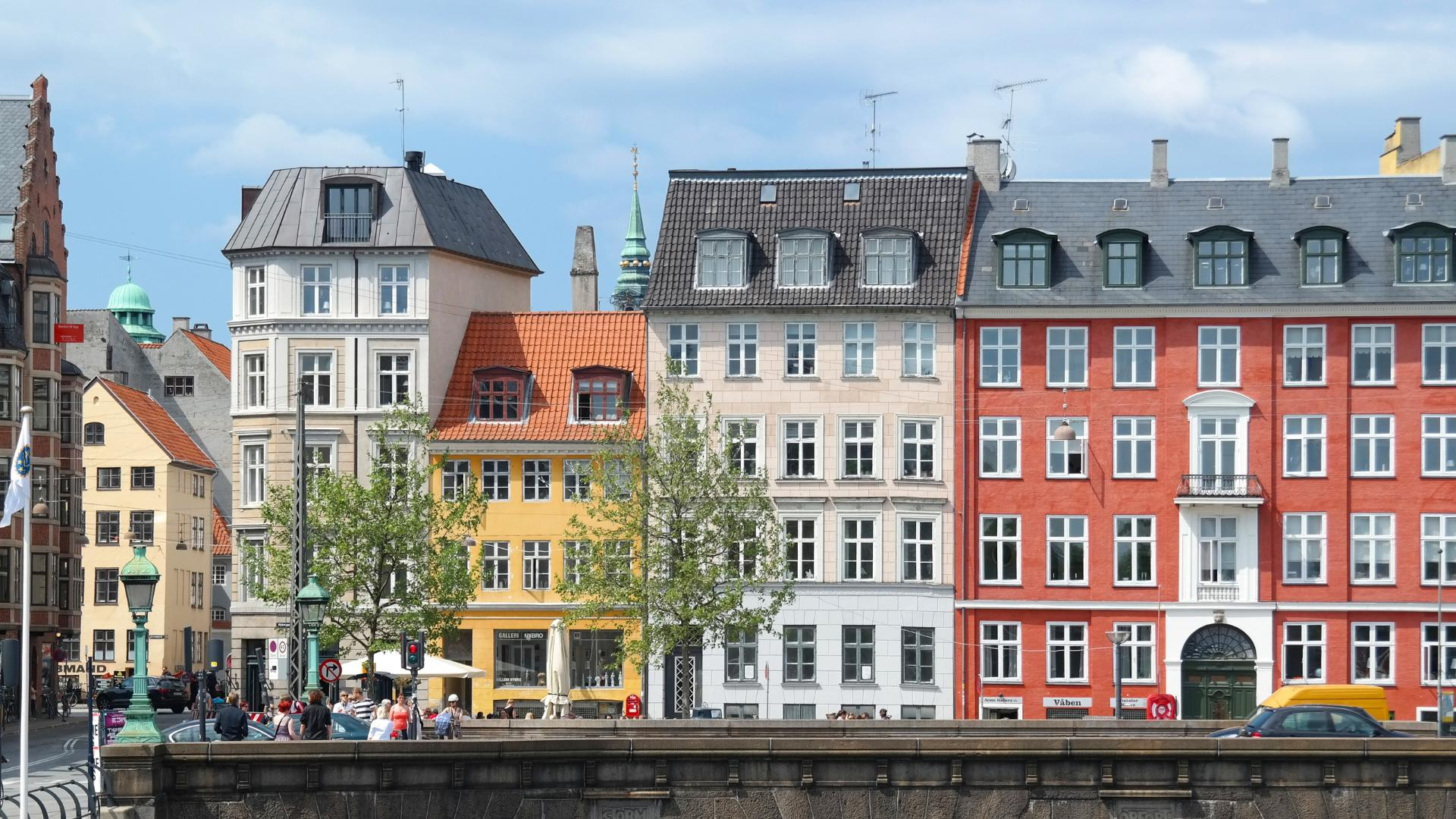
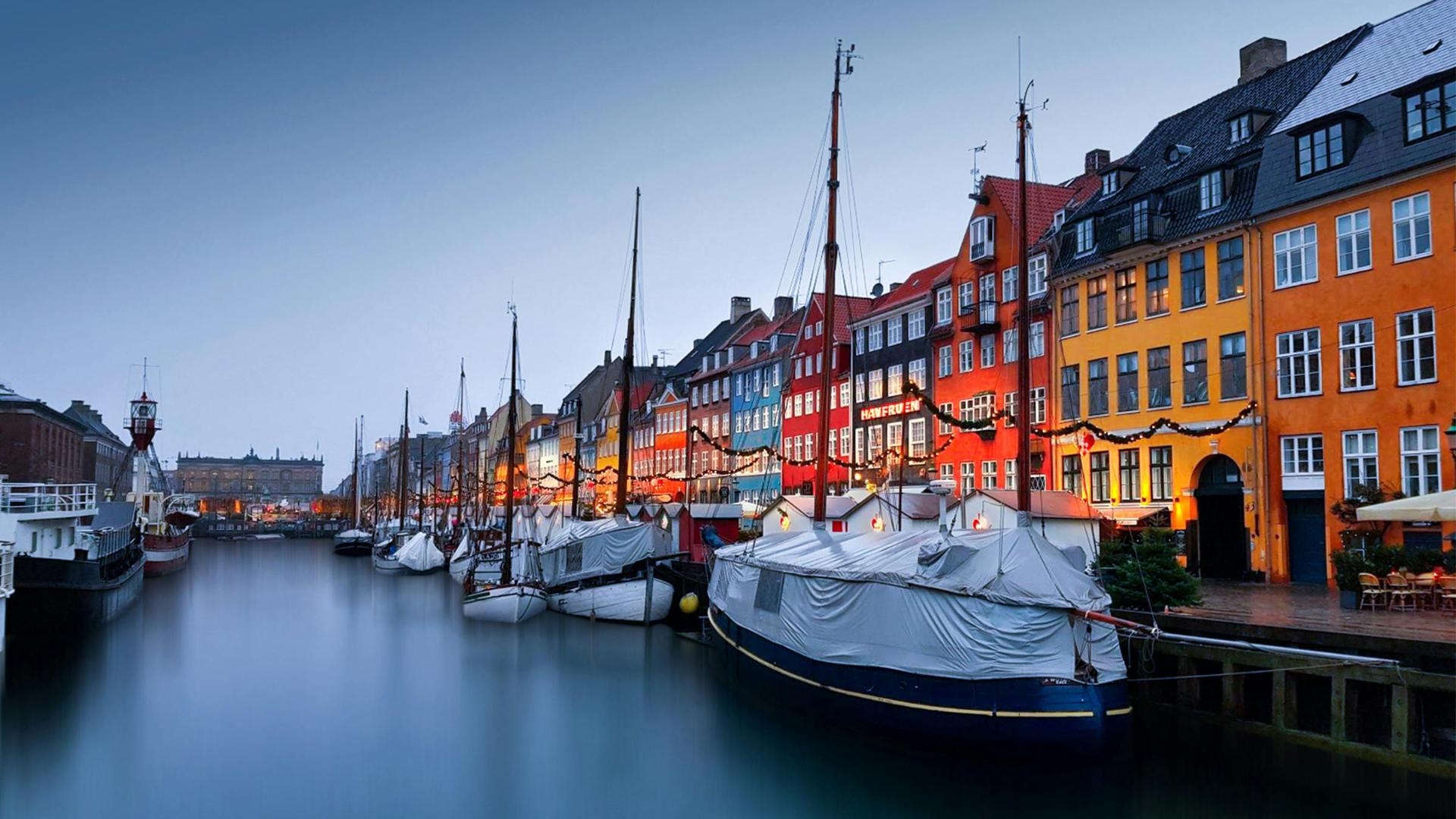
Nyhavn’s colorful 17th-century townhouses lining the canal create Copenhagen’s most photographed scene. This former sailors’ district now hosts restaurants, cafés, and bars where visitors and locals gather along the waterfront. The canal boats departing from Nyhavn offer excellent sightseeing cruises that provide different perspectives on Copenhagen’s architecture and maritime heritage.
Visit early morning or late evening to photograph Nyhavn without crowds blocking the classic view. The area gets extremely busy mid-day during summer. Cafés and restaurants here charge premium prices for the location, so consider this spot more for photos and ambiance than dining value. Walking along both sides of the canal reveals different building facades and gives you the full Nyhavn experience that defines many Copenhagen for first-time visitors’ expectations.
Tivoli Gardens
Tivoli Gardens opened in 1843, making it one of the world’s oldest amusement parks and supposedly inspiring Walt Disney’s park designs. The park operates seasonally, closing during winter except for special Christmas and Halloween seasons. Admission costs around 145 DKK (£15) plus individual ride tickets, or you can purchase ride passes. Even if you skip the rides, walking through Tivoli’s grounds provides a uniquely Copenhagen experience that blends nostalgia with contemporary entertainment. This Copenhagen travel guide recommends at least one evening visit to see the park lit up.
The Little Mermaid Statue
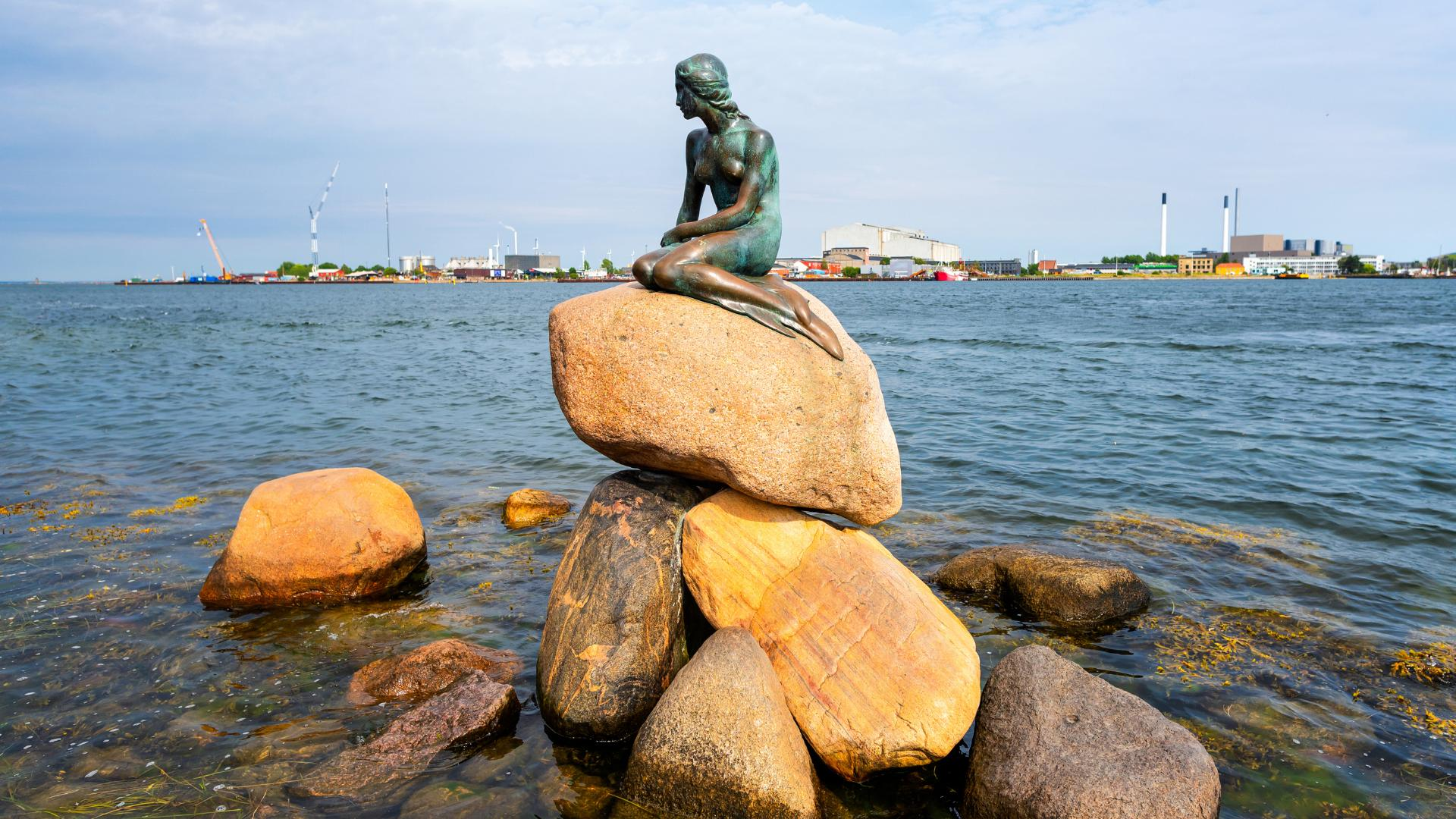 Hans Christian Andersen’s famous character inspired this bronze statue that became Copenhagen’s unofficial symbol. The sculpture sits on a rock at Langelinie promenade, appearing much smaller than most visitors expect at just 1.25 meters tall.
Set realistic expectations for this landmark, which takes about 5 minutes to see, photograph, and move on. The surrounding Kastellet fortress and waterfront areas justify the trip more than the statue itself. Visit early morning or evening for smaller crowds and better light for photos. Many Copenhagen for first-time visitors feel underwhelmed by the statue’s size, so treat it as a quick photo stop rather than a major attraction.
Amalienborg Palace
Amalienborg serves as the winter residence of Denmark’s royal family across four identical rococo palaces surrounding an octagonal courtyard. The changing of the guard ceremony occurs daily at noon when the royal family is in residence, providing free entertainment popular with visitors. One palace opens as a museum showcasing royal apartments and exhibits about Danish monarchs.
The architectural symmetry and the maritime church backdrop create an elegant square worth visiting even outside museum hours. Watch for the flag flying from the palace roof, which signals that the Queen is in residence. The nearby waterfront walkway offers views across to the Opera House and makes for pleasant strolling after visiting the palace.
Rosenborg Castle
Rosenborg Castle houses Denmark’s crown jewels and royal regalia in basement vaults you can visit. Plan 1-2 hours to tour the castle and explore the gardens. The crown jewels exhibition impresses with ceremonial swords, crowns, and jewelry displayed in dramatic vaulted chambers. Audio guides explain the historical context and help you appreciate the craftsmanship. Visit the gardens even if you skip the castle interior, as these formal grounds provide beautiful green space right in the city center.
Strøget Shopping Street
Strøget connects City Hall Square to Kongens Nytorv in a mile-long pedestrian shopping zone. This car-free area includes both international chains and Danish brands, interspersed with street performers and cafés. The street’s character changes as you walk from touristy western sections to more upscale eastern portions near Kongens Nytorv.
Use Strøget as a main navigation route through the city center rather than just for shopping. The side streets and parallel lanes contain more interesting independent shops and quieter cafés than Strøget itself. This area shows how Copenhagen balances commercial activity with pedestrian-friendly urban planning that this Copenhagen travel guide highlights as essential to the city’s livability.
Copenhagen’s Neighbourhoods Worth Exploring
Christianshavn
Christianshavn’s canals and 17th-century architecture create an Amsterdam-like atmosphere on the eastern side of the harbor. The neighborhood centers around the alternative community of Freetown Christiania, a self-governing area that split from mainstream Copenhagen in 1971. Whether you visit Christiania depends on your comfort with its unorthodox character and open cannabis trade.
Beyond Christiania, Christianshavn offers excellent dining along canals, the impressive Church of Our Saviour with its external spiral tower stairs, and quieter streets perfect for walking. The neighborhood connects to the city center via bridges and feels distinctly different from Copenhagen’s other areas, providing perspective on the city’s diversity.
Frederiksberg
Frederiksberg technically exists as a separate municipality completely surrounded by Copenhagen, though visitors experience it as another neighborhood. Frederiksberg Gardens provide extensive green spaces perfect for picnics and strolling. The area feels more residential and relaxed compared to the tourist-focused center.
Copenhagen Zoo and the Cisterns (an underground art space in former water reservoirs) attract visitors to Frederiksberg. The neighborhood’s main shopping street offers more affordable dining than central Copenhagen, and the overall vibe appeals to travelers seeking respite from constant sightseeing. Access Frederiksberg easily via Metro to Frederiksberg station.
Danish Food Every First-Time Visitor Should Try
Smørrebrød defines traditional Danish lunch through open-faced sandwiches piled with toppings like pickled herring, liver pâté, roast beef, or shrimp. These creations combine art and food, with precise arrangements of ingredients on dark rye bread. Traditional restaurants like Aamanns or Schønnemann serve authentic smørrebrød, though expect to pay 80-150 DKK (£8-16) per sandwich.
Local cafés and bakeries appear on nearly every block, serving excellent coffee, pastries, and light meals. Copenhagen’s café culture encourages lingering over coffee and cake, embracing the hygge concept of coziness and contentment. Expect to pay 35-50 DKK (£3-5) for quality coffee and 40-60 DKK (£4-6) for pastries at neighborhood cafés.
How Much Does Copenhagen Cost?
Copenhagen ranks among Europe’s most expensive cities, requiring budget awareness for Copenhagen for first-time visitors to avoid financial stress. General price expectations show meals at casual restaurants costing £17–£29 per person (150–250 DKK), while fine dining reaches £58–£93 or more (500–800 DKK). A beer in a bar costs £6–£9 (50–80 DKK), and coffee runs £4–£6 (35–50 DKK).
Budget travelers can survive on £58–£82 daily (500–700 DKK) by staying in hostels (£23–£41, 200–350 DKK), eating supermarket meals and cheap eats (£23–£35, 200–300 DKK), and using free attractions. Mid-range travelers spending £140–£210 daily (1,200–1,800 DKK) enjoy comfortable hotels (£93–£140, 800–1,200 DKK), restaurant meals (£35–£58, 300–500 DKK), and paid attractions (£12–£23, 100–200 DKK).
Higher‑end travel easily exceeds £350 daily (3,000 DKK) with boutique hotels (1,500+ DKK/£175+), fine dining (800+ DKK/£93+), and activities. This Copenhagen travel guide recommends realistic budgeting that accounts for Denmark’s high cost of living to avoid surprise expenses.
Tips for saving money include shopping at supermarkets like Netto or Rema 1000 for breakfast and snacks, visiting free attractions like Christiansborg tower and changing of the guard, taking advantage of happy hour specials (usually 4–7 PM), and considering the Copenhagen Card if visiting many paid attractions.
Common Mistakes First-Time Visitors Should Avoid
- Overplanning every minute of your Copenhagen trip removes spontaneity that often creates the best travel memories. This Copenhagen travel guide encourages scheduling major attractions but leaving time for wandering neighborhoods, sitting in cafés, or following interesting side streets. Copenhagen rewards relaxed exploration more than rushed sightseeing.
- Ignoring neighborhoods beyond the immediate center means missing authentic Copenhagen character. Vesterbro, Nørrebro, and Christianshavn offer different perspectives on the city that tourist areas can’t provide. Spend at least a few hours exploring residential areas to understand how locals actually live.
- Skipping local food in favor of international chains wastes opportunities to experience Danish cuisine. While Copenhagen hosts excellent international restaurants, you came to Denmark to try Danish food. Seek out smørrebrød, pastries from proper bakeries, and traditional dishes rather than defaulting to familiar options.
- Assuming everything will be exactly like home creates disappointment when customs differ. Embrace different meal times (Danes eat dinner early, around 6 PM), smaller portion sizes, and the slower pace of service that reflects quality over speed. These cultural differences define Copenhagen for first-time visitors rather than representing deficiencies.
Useful Travel Tips for Copenhagen
- Currency and payments use Danish Kroner (DKK), though Copenhagen is nearly cashless.
- Credit and debit cards work everywhere, even for small purchases like coffee.
- Many places don’t accept cash at all, so carrying large amounts proves unnecessary and potentially problematic.
- Notify your bank before traveling to avoid card blocks, and ensure your PIN works for chip-and-pin transactions common in Europe.
- Internet and SIM cards provide easy connectivity through widespread free WiFi in hotels, cafés, and some public spaces.
- Purchase a Danish SIM card for data if you need constant connectivity, though EU residents benefit from roaming agreements that include Denmark.
- Many international phone plans now include reasonable European data, so check your carrier’s policies before buying local SIM cards.
Suggested 3-Day Copenhagen Itinerary In Copenhagen
 Day 1: Historic Centre
Start at Christiansborg Palace tower for panoramic views and orientation. Walk through Slotsholmen island to Nyhavn for photos and a canal tour. Explore Amalienborg Palace and watch the changing of the guard at noon. Walk through Kongens Have gardens to Rosenborg Castle and crown jewels. End the day at Tivoli Gardens for evening magic and dinner. This packed day hits major attractions while following a logical walking route through the city center.
Day 2: Culture and Neighbourhoods
Begin with pastries from a local bakery in Vesterbro or Nørrebro. Explore your chosen neighborhood’s shops and cafés. Visit the National Museum or another cultural institution based on your interests. Walk through Christianshavn including Christiania if you’re curious about alternative communities. Climb the Church of Our Saviour tower for excellent views. Enjoy dinner in the Meatpacking District. This day balances culture with neighborhood exploration that reveals Copenhagen beyond tourist sites.
Day 3: Day Trip or Relaxed Exploring
Choose between a day trip to Malmö, Kronborg Castle, or Louisiana Museum based on your interests. Alternatively, slow down and revisit favorite areas from previous days. Shop on Strøget or vintage hunt in Vesterbro. Visit any attractions you missed. Enjoy a long lunch with smørrebrød. Take an evening bike ride through the city. This flexible day lets you customize based on energy levels and specific interests while avoiding burnout from constant sightseeing.
Wrapping Up – Your First Time in Copenhagen
Copenhagen proves remarkably easy and rewarding for first-time visitors who approach it with open minds and realistic expectations. The city’s compact size, excellent English proficiency, and safe atmosphere remove common travel anxieties that plague visits to larger or more complex destinations. You can navigate Copenhagen confidently after just a day or two, making the learning curve gentle rather than steep.
This Copenhagen travel guide for first-time visitors encourages slow travel that prioritizes experiences over checklists. Sit in cafés longer than you think you should. Bike through neighborhoods without specific destinations. Let yourself get slightly lost and discover hidden courtyards or local bakeries you’d miss while rushing between major sites. Copenhagen rewards this relaxed approach more than frantic sightseeing.
The mix of history, design, food culture, and simply pleasant urban environments makes Copenhagen memorable for reasons beyond specific attractions. You’ll remember how the city felt as much as what you saw. That feeling of ease, safety, and contentment explains why Copenhagen for first-time visitors so often becomes Copenhagen for return visitors. The city invites you back to explore deeper, and this Copenhagen travel guide provides the foundation for that first essential visit that starts your relationship with Denmark’s remarkable capital.