Planning a trip to Sri Lanka often feels like trying to solve a beautiful, tropical puzzle. Because the island sits so close to the equator, you might assume it is a perpetual paradise of unbroken sunshine. However, the reality is governed by a complex weather system that can see one beach basking in golden light while another, just a few hours away, faces a tropical downpour.
Choosing between the sophisticated resorts of the West Coast and the bohemian, palm-fringed bays of the South Coast is the first big decision you will make. This guide breaks down the data and the vibe of each region to help you navigate the nuances of the best time to visit Sri Lanka West Coast versus the South. Whether you are chasing the perfect wave, looking for a family-friendly villa, or hoping to spot a blue whale, timing is everything.
Sri Lanka’s Monsoon System
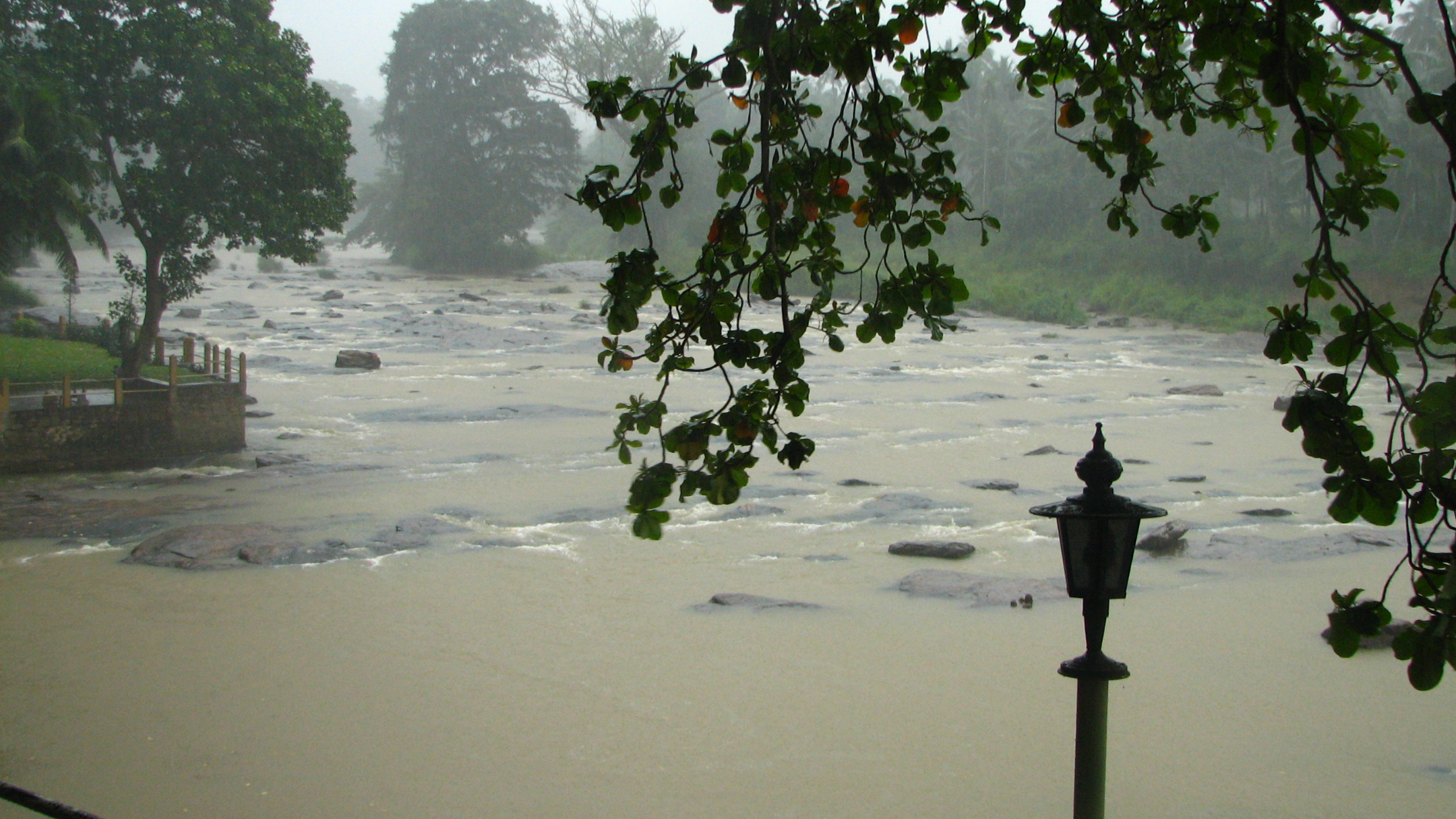 To understand the island, you must first understand its two distinct monsoons. Sri Lanka does not have a traditional four-season cycle like Europe. Instead, it is defined by the Yala and Maha monsoons. The Yala monsoon brings rain to the southwest from May to September, while the Maha monsoon affects the northeast from October to January. This creates a “seesaw” effect.
When the east is wet, the west is dry, and vice versa. However, the South Coast sits in a unique position where it often catches the tail end of both systems but also enjoys long stretches of clear skies when the West Coast is still damp. Understanding the Sri Lanka monsoon season is vital because it dictates the sea conditions. During the rainy season, the ocean becomes too rough for swimming or boat safaris, effectively closing down many coastal activities.
West Coast vs South Coast – Key Differences
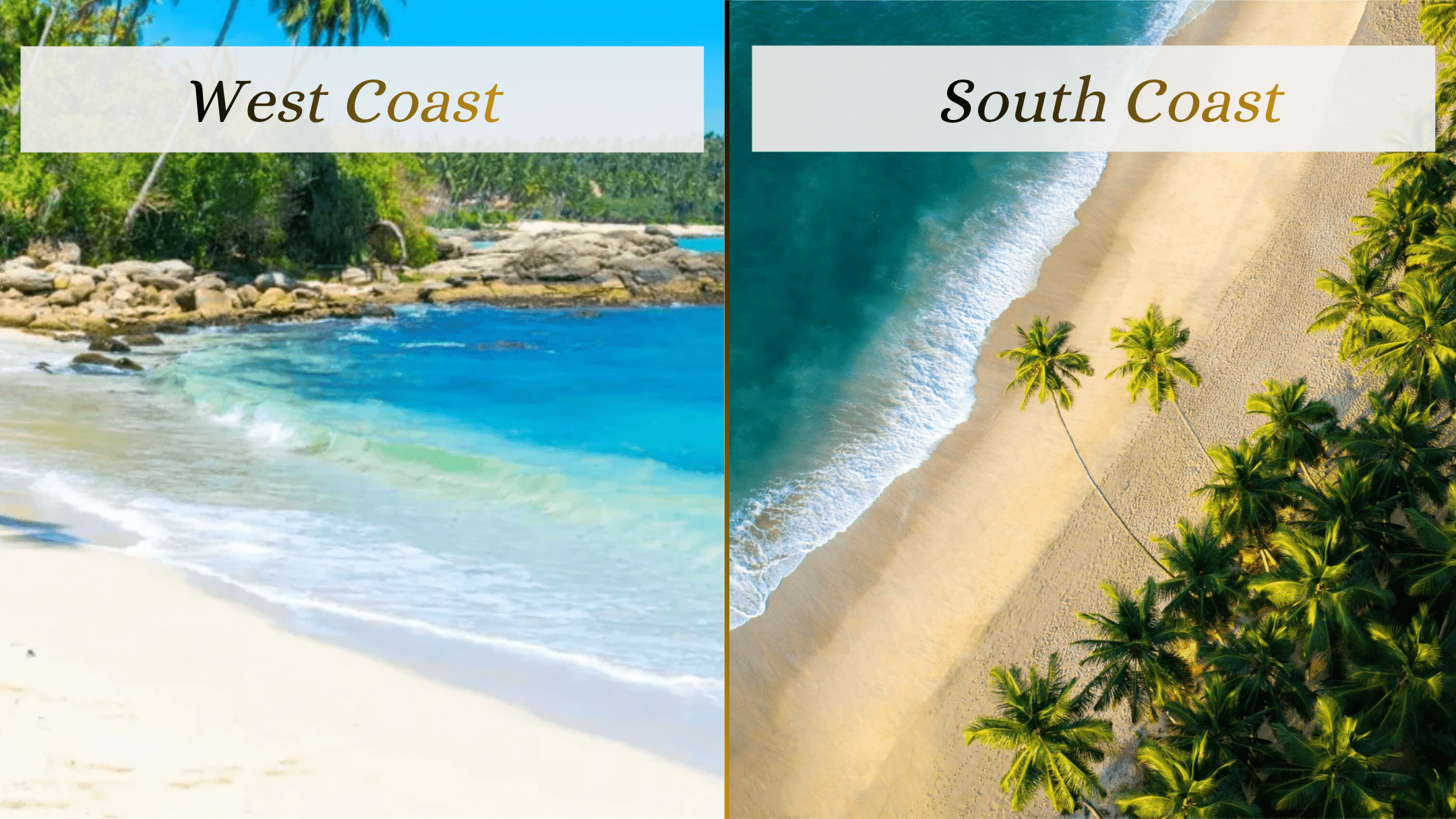
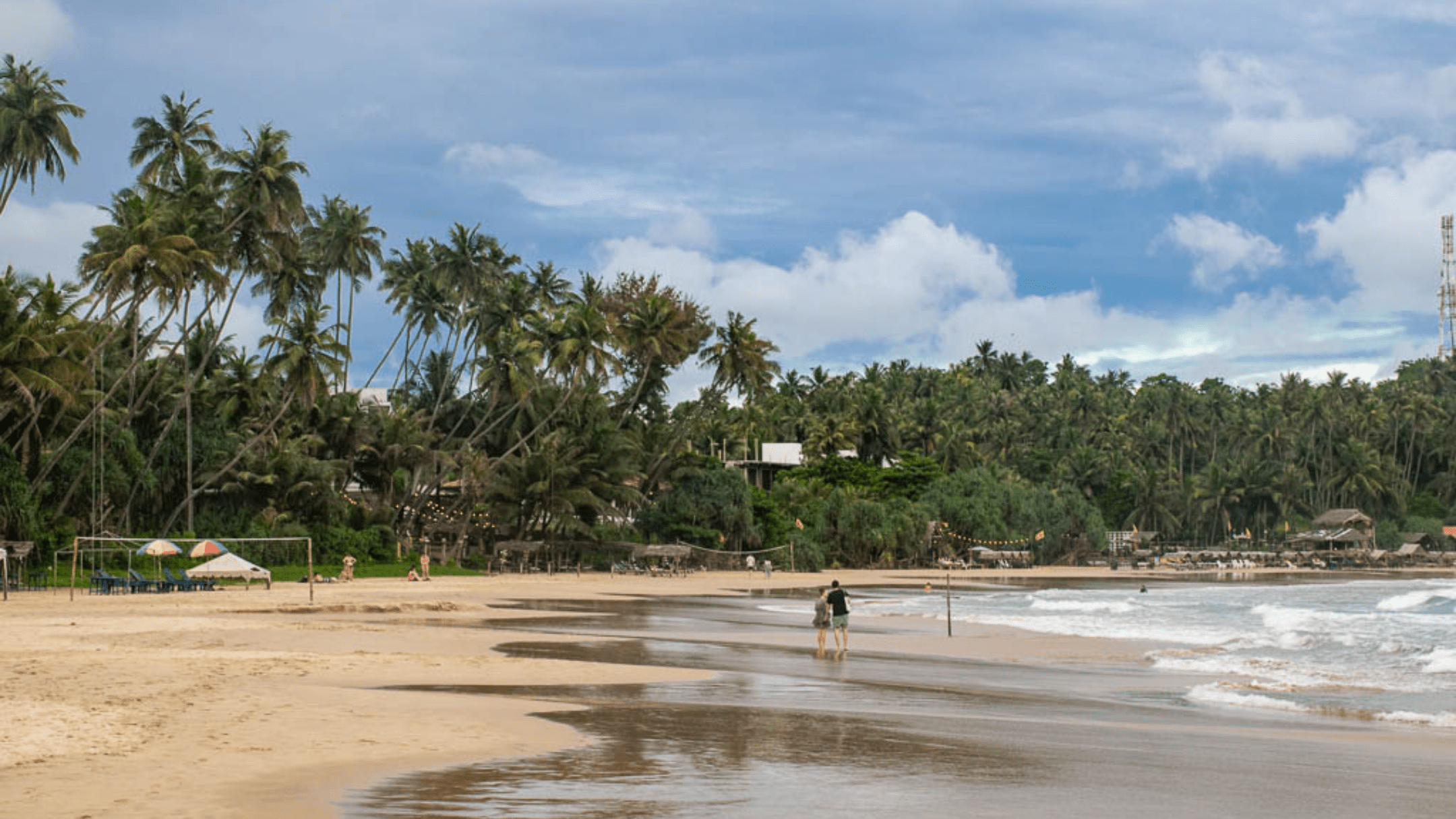 The West Coast, stretching from Negombo down to Kalutara, is the traditional heart of Sri Lankan tourism. It is characterised by long, golden stretches of sand and large, high-end resorts. The infrastructure here is excellent, making it the top choice for a family holiday Sri Lanka style. In contrast, the South Coast, running from Galle to Tangalle, offers a more varied landscape of rocky coves, turquoise lagoons, and surf breaks. It feels more intimate and adventurous.
| Feature | West Coast | South Coast |
| Development | High (Large resorts, malls) | Moderate (Boutique hotels, villas) |
| Best Activities | Water sports, dining, spas | Whale watching, surfing, forts |
| Crowd Levels | Busy in peak season | Trendy, concentrated in hubs |
| Vibe | Sophisticated & Convenient | Laid-back & Artisanal |
The west coast vs south coast debate often comes down to what you want to do. If you want a luxury hotel with a massive pool near the airport, the West wins. If you want to hop between beach bars and surf camps, the South is your calling.
Month-by-Month Weather Breakdown
Navigating Sri Lanka weather by month requires a bit of strategy. Here is how the year typically unfolds for these two stunning regions.
January to March – Peak Dry Season
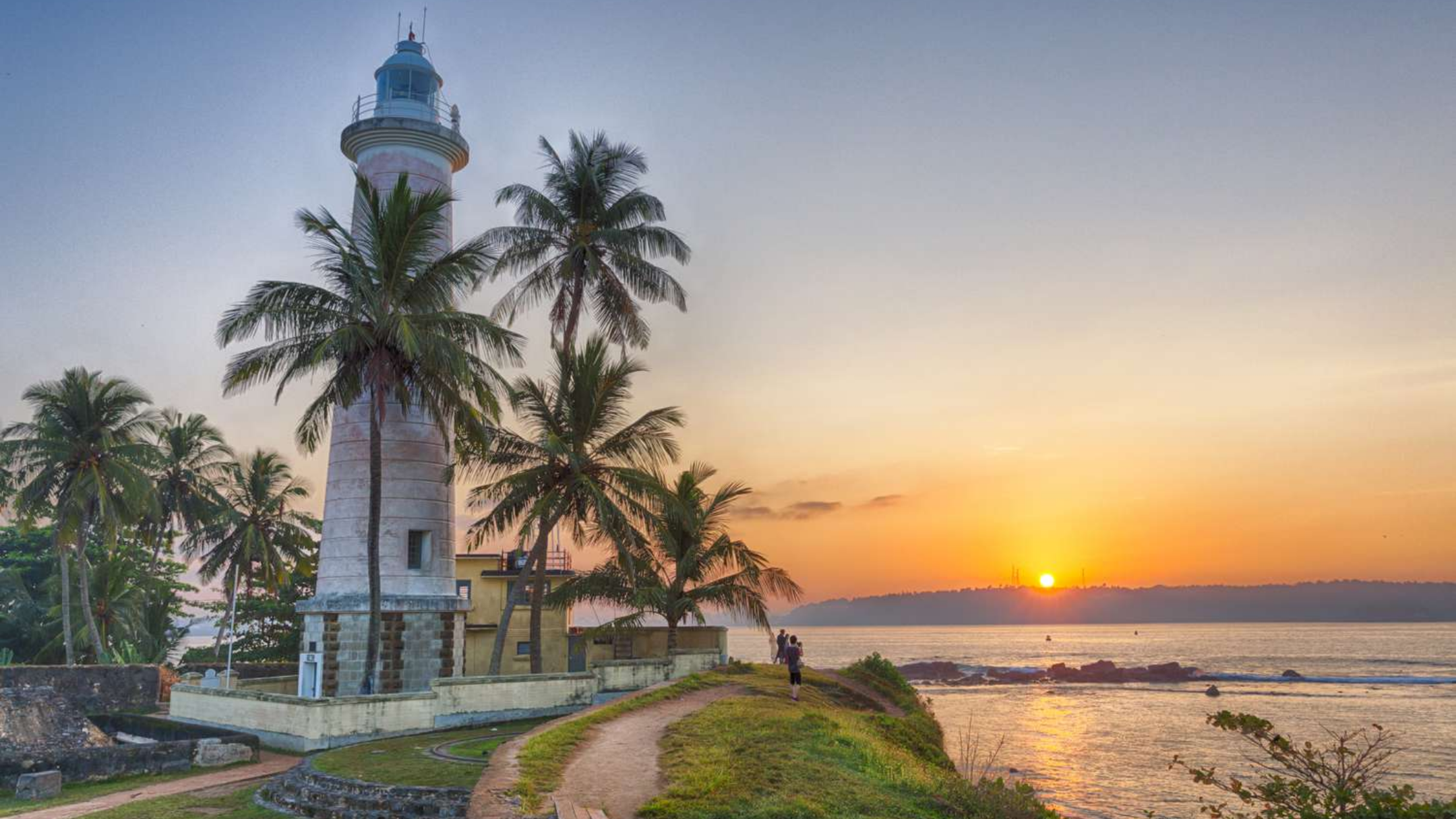 This is the undisputed peak season for both coasts. During these dry months, you can expect temperatures to hover around 30°C with very little rainfall. The best time to visit Sri Lanka West Coast is arguably January, when the humidity is at its lowest and the sea is like glass. On the South Coast, the crowd levels are at their highest as travelers flock to Mirissa and Unawatuna.
- West Coast: Crystal clear water and vibrant nightlife in Hikkaduwa.
- South Coast: Perfect conditions for whale watching and coastal hiking.
- Pros: Guaranteed sunshine, all restaurants are open.
- Cons: Highest prices in pounds, busy beaches.
April to June – Transition & Early Monsoon
April is often the hottest month of the year. It is a shoulder season Sri Lanka experiences as the winds begin to shift. By May, the Southwest monsoon starts to settle in. While the West Coast begins to see more frequent afternoon showers, the South Coast often remains surprisingly dry until much later in the season.
- West Coast: High humidity and the start of the low season discounts.
- South Coast: Still very much swimmable, though the sea starts to get choppy.
- Pros: Lower hotel rates, fewer tourists.
- Cons: Very high heat and humidity levels.
July to September – Southwest Monsoon Impact
This is a fascinating time for the island. The West Coast is firmly in its rainy season, with heavy downpours and grey skies. However, the South Coast often experiences a “mini dry season” during these months. This is a brilliant time for a surfing season Sri Lanka trip, particularly for those who do not mind a bit of wind.
- West Coast: Many beach cafes close and swimming is often prohibited due to currents.
- South Coast: Great for those looking for beach weather without the January crowds.
- Pros: Excellent value for money, lush green scenery.
- Cons: Rough seas on the West Coast.
October to December – Second Transition & Northeast Monsoon
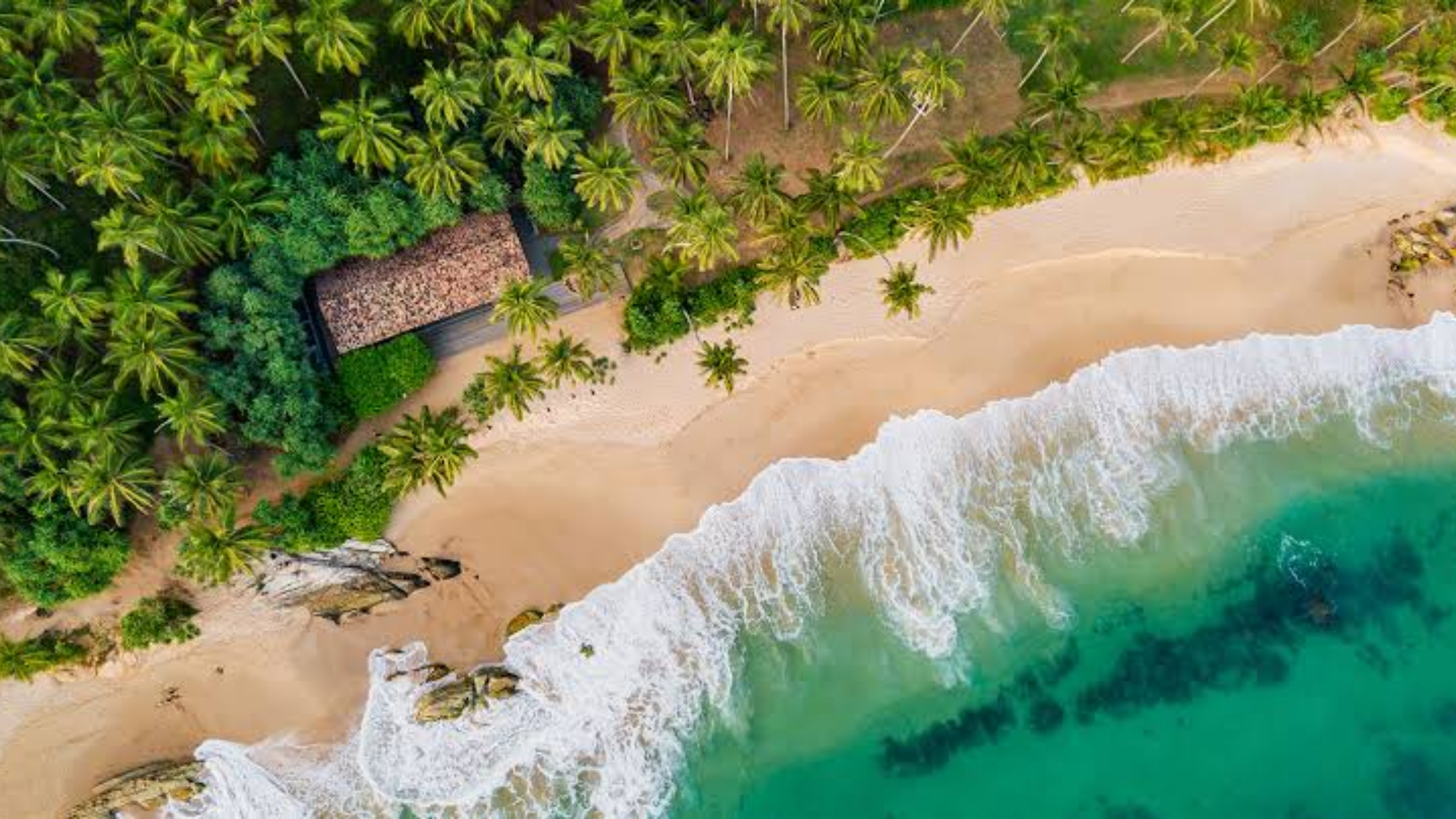 October is traditionally the wettest month across the entire island as the monsoons change over. However, by late November, the weather settles. The best time to visit Sri Lanka South Coast begins in December, as the sea calms down and the blue whales return to the deep waters off Mirissa.
- West Coast: Becomes increasingly popular for Christmas and New Year breaks.
- South Coast: Becomes the place to be for the winter sun.
- Pros: The landscape is incredibly vibrant after the rains.
- Cons: Unpredictable “inter-monsoon” thunderstorms in October.
Best Time for Specific Activities
Whale Watching
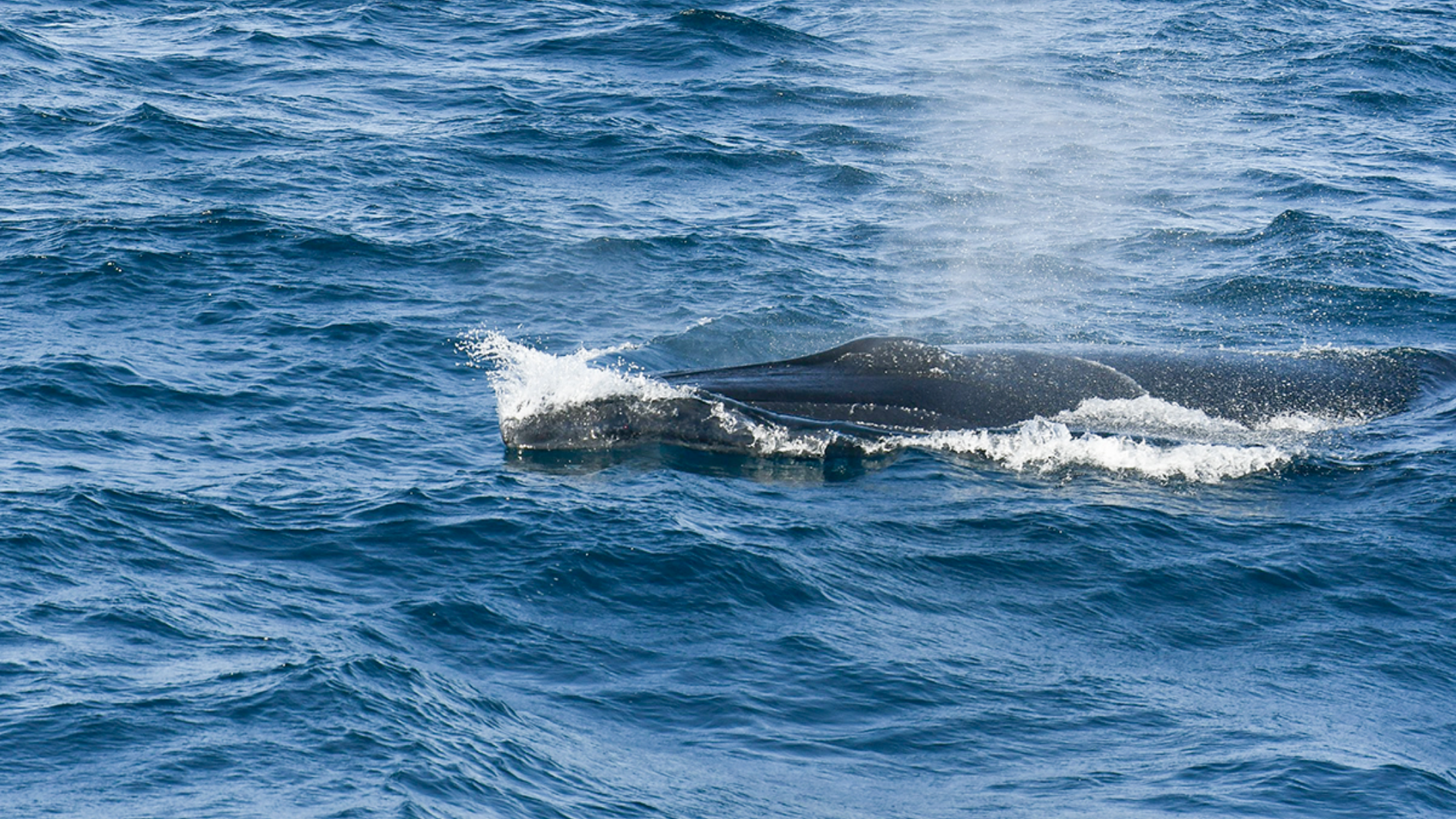 The primary hub for whale watching is Mirissa on the South Coast. The season runs from November to April. During this window, the sea is calm enough for boats to head out safely. If you visit outside these months, you will likely find the tours are cancelled due to safety concerns.
Surfing Season
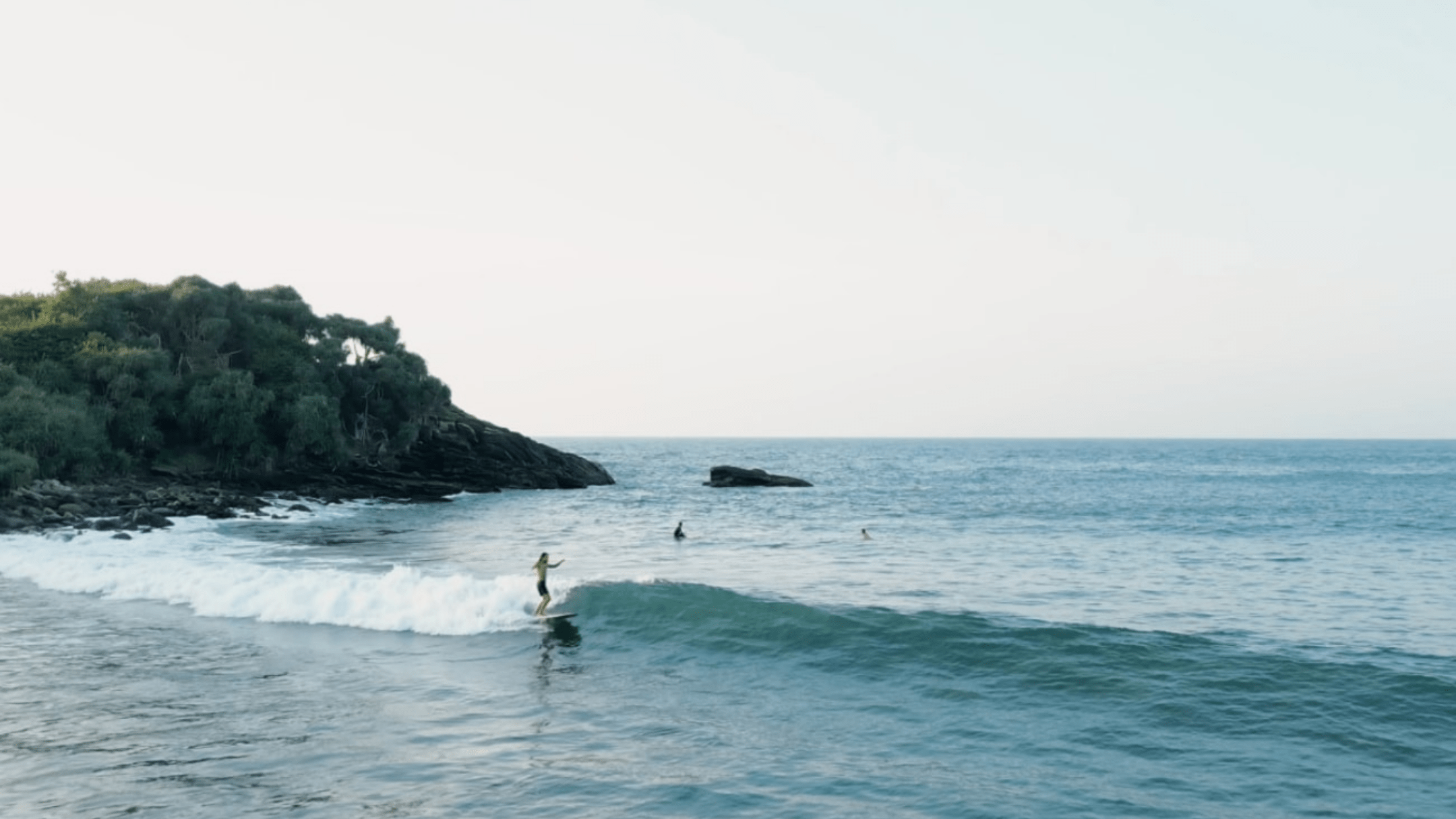 The surfing season is split. For the West and South coasts, the best waves arrive between November and March. This is when the offshore winds create clean, manageable breaks. Intermediate surfers often prefer the South Coast reefs, while beginners enjoy the sandy breaks of Weligama.
Families and Budget Travel
For a family holiday Sri Lanka, the dry months of January and February are best to ensure the children can swim safely in the sea. If you are on a budget, the shoulder season Sri Lanka offers in April or September is ideal. You can often find luxury villas for under £80 per night that would usually cost triple that in January.
2026 Travel Trends & Practical Tips
 As we look toward 2026, Sri Lanka is seeing a massive shift toward sustainable travel. Eco-resorts in the South are becoming more popular than the big blocks in the West. With new direct flight routes expected to expand, the West Coast remains the most accessible, but the extension of the Southern Expressway has made the South Coast just a two-hour drive from Colombo.
Climate change has made rain patterns Sri Lanka once relied on slightly more erratic. We are seeing shorter, more intense bursts of rain rather than day-long drizzles. To save money, look for “early bird” bookings for the 2026 peak season at least six months in advance. Many boutique hotels now offer significant discounts if you pay in pounds upfront.
The Ultimate Decision Guide – Which Coast When?
Coast Comparison Scorecard
| Category | West Coast | South Coast |
| Beach Weather (Dec-Mar) | 10/10 | 9/10 |
| Activities & Adventure | 6/10 | 10/10 |
| Crowd Levels (Peacefulness) | 5/10 | 7/10 |
| Value for Money | 8/10 | 7/10 |
| Wildlife Experiences | 4/10 | 9/10 |
Choose the West Coast if you want easy access from the airport, love high-end dining, and prefer wide, sandy beaches with full resort amenities. It is the best time to visit Sri Lanka West Coast if your priority is a seamless, stress-free holiday.
Choose the South Coast if you are an animal lover, a surfer, or someone who enjoys a “cool” cafe culture. The best time to visit Sri Lanka South Coast is between December and March for the full experience.
Visit both coasts if you have at least ten days. The drive between them is stunning and allows you to see the transition from urban luxury to tropical wildness.
Frequently Asked Questions
Is the West Coast or South Coast better in December?
Both are excellent, but the South Coast has a slight edge for holiday vibes and whale watching opportunities. The West Coast is perfect if you want a classic resort Christmas.
When is the cheapest time to visit Sri Lanka’s coasts?
May, June, and October are the cheapest months. This is the low season when you can find incredible deals on accommodation, though you must pack an umbrella.
Can I visit both West and South Coast in one trip?
Absolutely. They are well-connected by a modern highway. You can spend a few days in a Negombo resort and then head south to Galle in just a few hours.
How does the monsoon affect whale watching?
During the monsoon season, the sea is too rough for the small boats. Tours generally stop running from May to October for safety reasons.
Wrapping Up…
Deciding on the best time to visit Sri Lanka West Coast or its southern counterpart essentially comes down to your tolerance for rain and your love for the ocean. If you stick to the window between December and March, you really cannot go wrong with either. However, for those who want to avoid the crowd levels of the new year, the transition months of April and November offer a beautiful balance of price and performance. Sri Lanka remains one of the most diverse and welcoming islands in the world. No matter which coast you choose, the warmth of the people and the quality of the food will make your 2026 trip unforgettable. Just remember to check the rain patterns Sri Lanka is currently experiencing before you fly, and you will be set for the holiday of a lifetime.