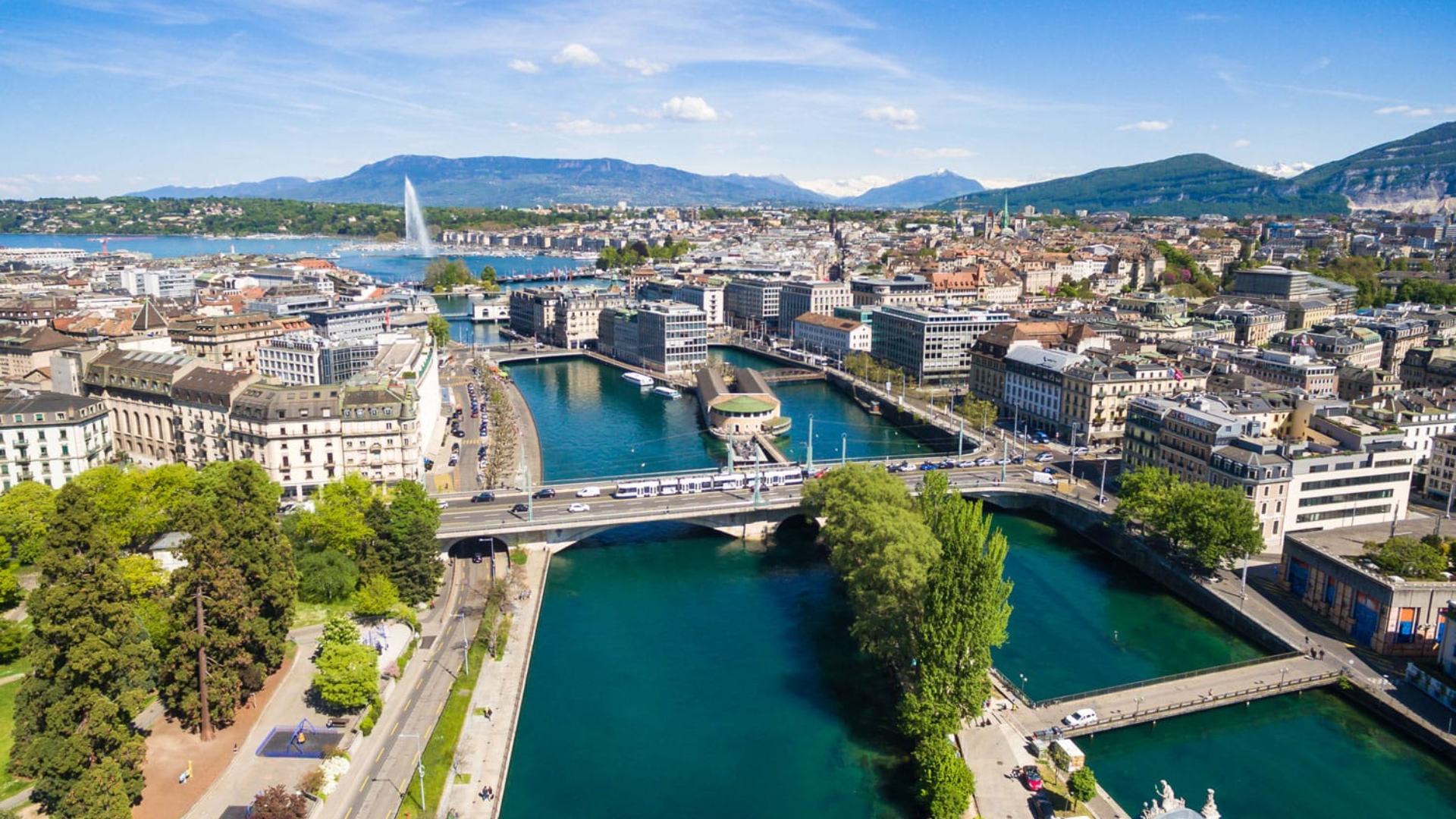
People either romanticize Geneva or completely write it off. Too expensive. Too quiet. Too corporate. You hear all of that. But here’s what those opinions tend to miss — Geneva delivers in ways that most European cities simply do not.
Geneva travel is not about stumbling into chaotic, backpacker-style adventures. It’s about precision. It’s about a city that takes quality seriously, from its food to its public transportation to the view you get standing at the edge of a glacier-fed lake on a clear morning.
So is Geneva worth visiting? That depends on what you’re after. This review breaks it all down without the fluff — attractions, costs, timing, and who actually belongs here.
Top Attractions & Things to Do in Geneva
Lake Geneva & Jet d’Eau
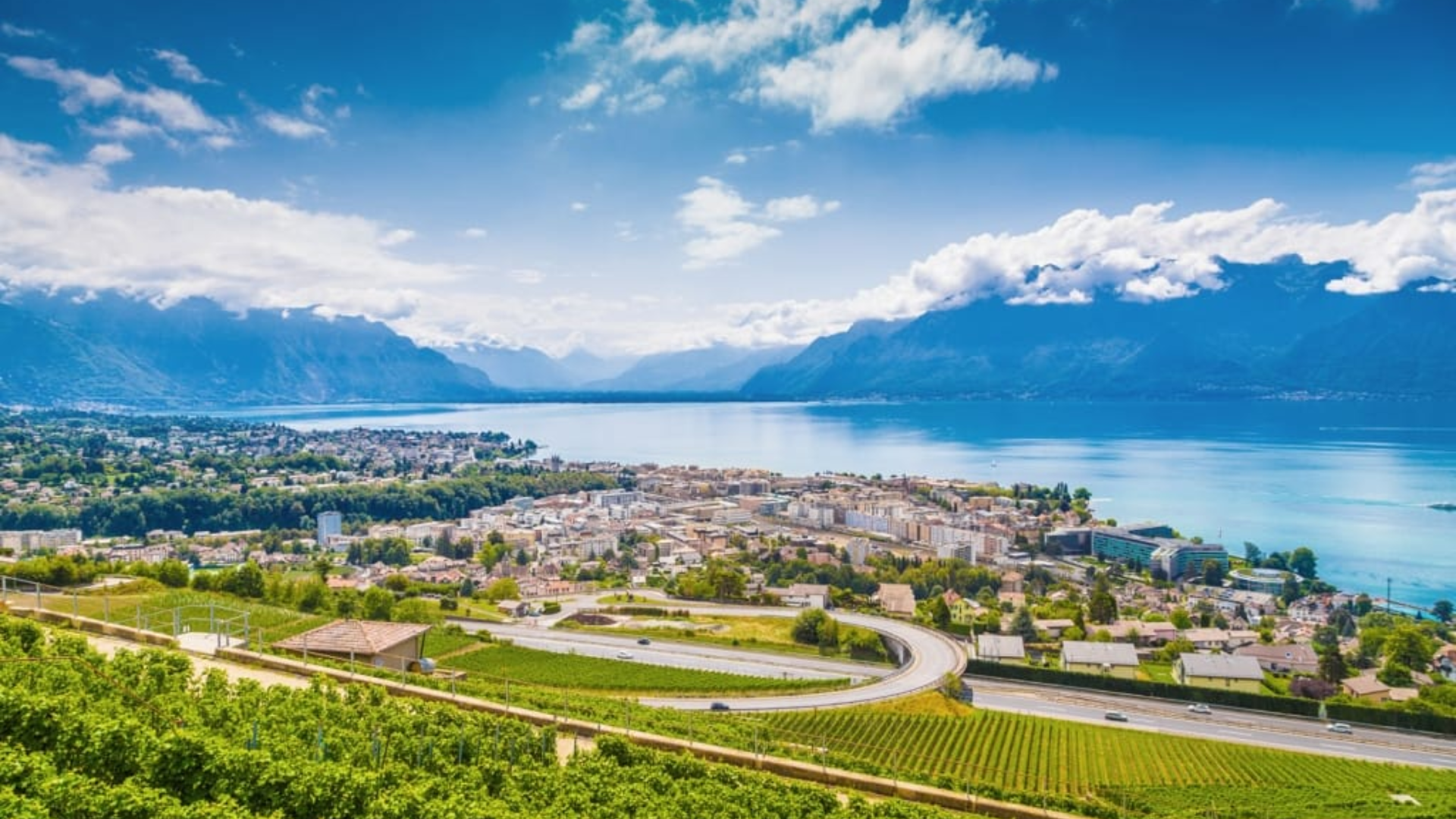
 You start at the water. That’s just how Geneva travel works. Lake Geneva is not a backdrop — it is the city’s centerpiece. The lake stretches across 73 kilometers, shared between Switzerland and France, and the water holds this striking shade of blue-green that photographs never quite capture. Locals cycle along the quays on weekday mornings. Tourists sit on the grass with cups of coffee. The whole thing feels unusually calm for a major city.
Then there’s the Jet d’Eau — the 140-meter water fountain that shoots out of the lake with enough force to drench you if the wind shifts. It’s one of those landmarks that sounds boring on paper and then genuinely impresses in person. Go at night when it’s lit up. Go in winter when the mist catches the light. It earns its spot on every Geneva Switzerland postcard, and it earns it honestly.
Old Town & St. Pierre Cathedral
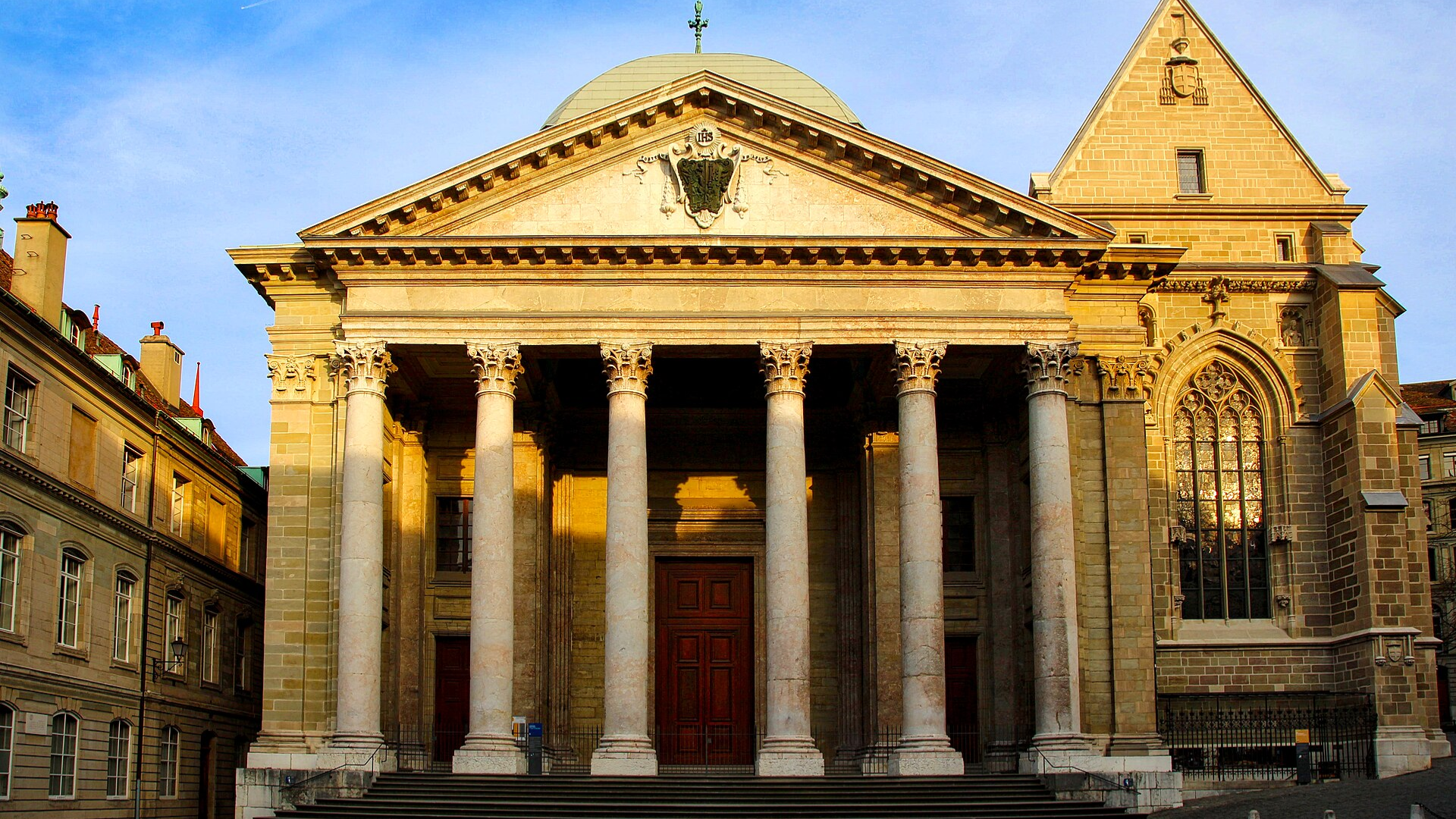 Old Town Geneva is compact, hilly, and genuinely beautiful. The cobblestone streets push upward toward St. Pierre Cathedral, which dates back to the 12th century. You can climb the towers for a panoramic view of the city and the Alps beyond it — on a clear day, Mont Blanc is visible in the distance.
The Old Town also carries weight beyond aesthetics. This is where John Calvin set up the Protestant Reformation in the 16th century. That history sits in the stones here. The Reformation Wall, just behind the cathedral, stretches 100 meters and features towering relief figures of the major Reformation leaders. It doesn’t shout for attention but it rewards the people who walk up to it.
The neighborhood around it — small restaurants, art galleries, antique dealers — makes for a genuinely pleasant afternoon.
United Nations & International Area
Geneva holds a level of global significance that most visitors underestimate. The European headquarters of the United Nations sits here, along with the World Health Organization, the International Red Cross, and over 40 other international organizations. That footprint shapes the entire energy of the city.
You can tour the UN’s Palais des Nations, and the experience is more interesting than a standard museum visit. The history embedded in those rooms covers the League of Nations, Cold War negotiations, and decisions that affected entire regions of the world. If global affairs hold any interest for you, this is worth two or three hours of your time.
Museums — Patek Philippe & the Red Cross Museum
Geneva museums
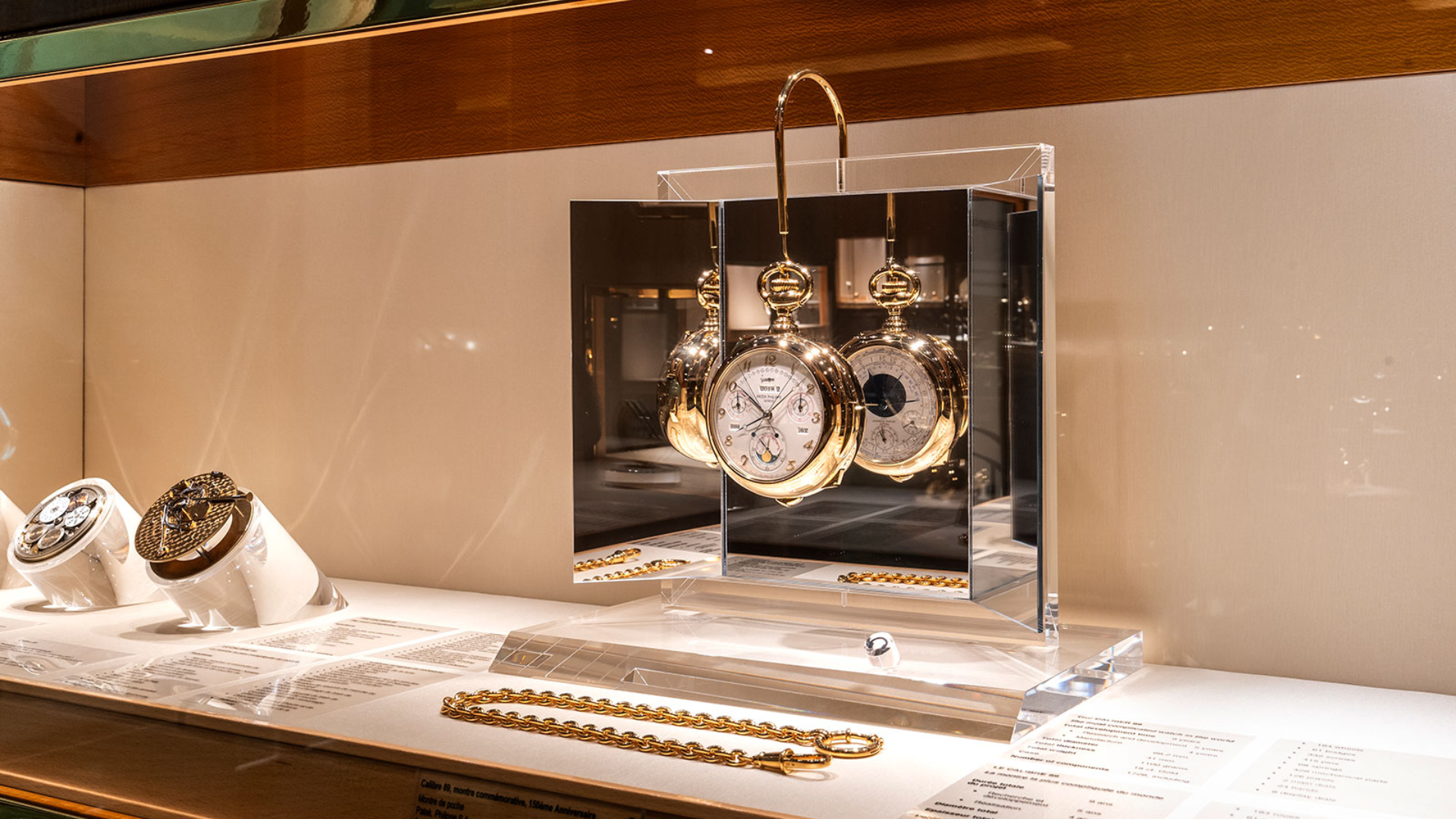 punch well above the city’s size. The Patek Philippe Museum is one of the finest watch museums in the world. It houses over 2,500 timepieces spanning five centuries. Even if you’ve never thought about watchmaking before, the craftsmanship on display here is difficult to walk away from without a new level of respect for the trade.
The International Red Cross and Red Crescent Museum sits near the UN and covers humanitarian history in a way that’s moving without being manipulative. The exhibits are thoughtfully designed and occasionally difficult, but they document some of the most important human rights work of the last 150 years.
Both museums are worth full visits. Neither one rushes you.
Carouge & Local Neighborhoods
Most Geneva travel guides skip Carouge. That’s a mistake. Carouge is a neighborhood just south of the city center with a completely different personality. It was built by the King of Sardinia in the 18th century and designed in a Mediterranean style — wide arcaded streets, inner courtyards, a slower pace. The boutiques here are independent. The bars are local. The weekend market pulls in some of the best produce in the region. If you want to see the version of Geneva that residents actually live in, Carouge is where you go.
Day Trips from Geneva
- Geneva day trips are some of the best in Europe. The city’s location is almost unfair in that respect.
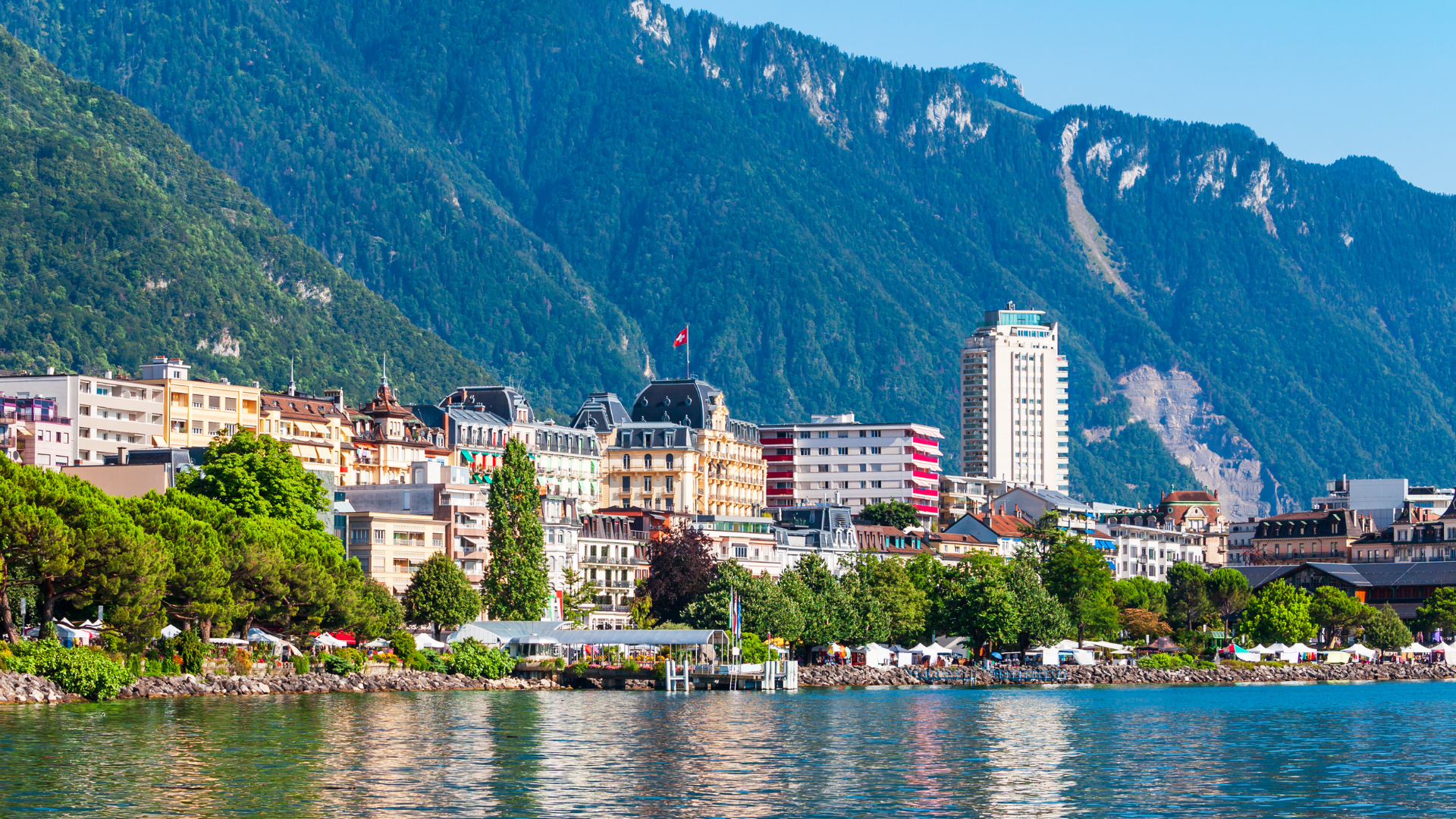
- Montreux is an hour by train. The Chillon Castle sits right on the lake’s edge, and the town itself holds a quiet elegance that the summer jazz festival amplifies each July.
- Chamonix is 90 minutes away and puts you at the base of Mont Blanc. The cable car up to the Aiguille du Midi at 3,842 meters is one of the more dramatic things you can do in the Alps.
- Annecy, just across the French border, is often called the Venice of the Alps. It’s an hour by bus or train, the old canal district is genuinely beautiful, and the lake is among the cleanest in Europe. It makes for a relaxed, photogenic day.
Cost Breakdown — Is Geneva Expensive?
Yes. Geneva is an expensive city. There’s no point softening that. A sit-down lunch for two with drinks runs CHF 60 to CHF 100. A hotel in a central location starts around CHF 200 per night and moves up fast. Public transportation is efficient but not cheap — a day pass runs about CHF 10.
That said, several of the city’s best experiences cost nothing or very little. Walking the Old Town is free. The lake is free. Most parks and viewpoints are free. The Jet d’Eau is free. The Red Cross Museum charges CHF 15. Patek Philippe Museum is CHF 10.
- Cost of visiting Geneva depends almost entirely on where you eat and where you sleep. Street food options and grocery stores can keep a daily budget manageable. Budget travelers can do Geneva — it just requires more intentional planning than Paris or Prague.
- Geneva vs Zurich on cost: they’re comparable. Geneva edges slightly higher on food. Zurich edges higher on nightlife and entertainment.
Best Time to Visit Geneva
The best time to visit Geneva is late spring or early fall — May through June and September through October. The weather holds steady, the crowds stay reasonable, and the lake is at its most beautiful.
Summer brings festivals, packed boat tours, and the occasional heat wave. Winter is quiet, often cold, and the city takes on a subdued elegance that some travelers find more appealing than peak season. The Geneva Motor Show traditionally fills hotel rooms every March, so book early if you’re visiting then.
Who Should Visit Geneva? Personalized Recommendations
 Geneva travel rewards a specific kind of traveler. If you want nightlife and nonstop energy, you’ll be underwhelmed. If you want a city that’s beautiful, organized, and quietly fascinating — Geneva delivers.
It’s ideal for first-time visitors to Switzerland who want a central base for Geneva itinerary planning. It’s ideal for history enthusiasts, museum lovers, and people who appreciate a well-designed public space. It works well for couples. It works well for solo travelers who value safety and cleanliness above chaos.
The city operates on Swiss efficiency, and that extends to how it treats visitors. Clean streets, clear signage, punctual transit — everything works here. That’s rarer than it sounds.
Wrapping Up…
Is Geneva worth visiting? For the right traveler, absolutely yes. It won’t overwhelm you with things to do. It won’t pull you into party streets or bargain markets. What it will do is show you a city that has figured out quality — in its architecture, its cultural institutions, its location, and its pace.
Geneva travel takes you somewhere that earns its reputation without needing to oversell it. Come with realistic expectations, a decent budget, and at least three full days. You’ll leave with a stronger opinion of the place than when you arrived — and that opinion will almost certainly be a good one.