Transylvania gets filtered through a very specific lens for most people before they ever step foot there. Dracula, fog, gothic architecture, and vague unease tend to be the starting associations, and while the region does not run from that reputation entirely, the reality is considerably richer and more varied than the myth suggests.
This Transylvania travel guide is built around what the region actually offers in 2026: medieval towns that have survived centuries without becoming theme parks, mountain roads that rank among the most dramatic drives in Europe, Saxon villages that hold their character despite modernization pressure on all sides, and a food and wine culture that most visitors genuinely do not expect going in. This complete travel guide to Transylvania covers all of it with the practical detail a first-time visitor actually needs.
Why Visit Transylvania in 2026
Transylvania is having a moment that is not driven by Dracula tourism. European travelers have been discovering it steadily over the past decade as an alternative to the overcrowded circuits of Western Europe, and the value proposition in 2026 remains genuinely strong. Accommodation, food, and transport costs run well below Western European equivalents, the infrastructure has improved significantly, and the tourist footprint in most towns outside peak summer weeks stays manageable.
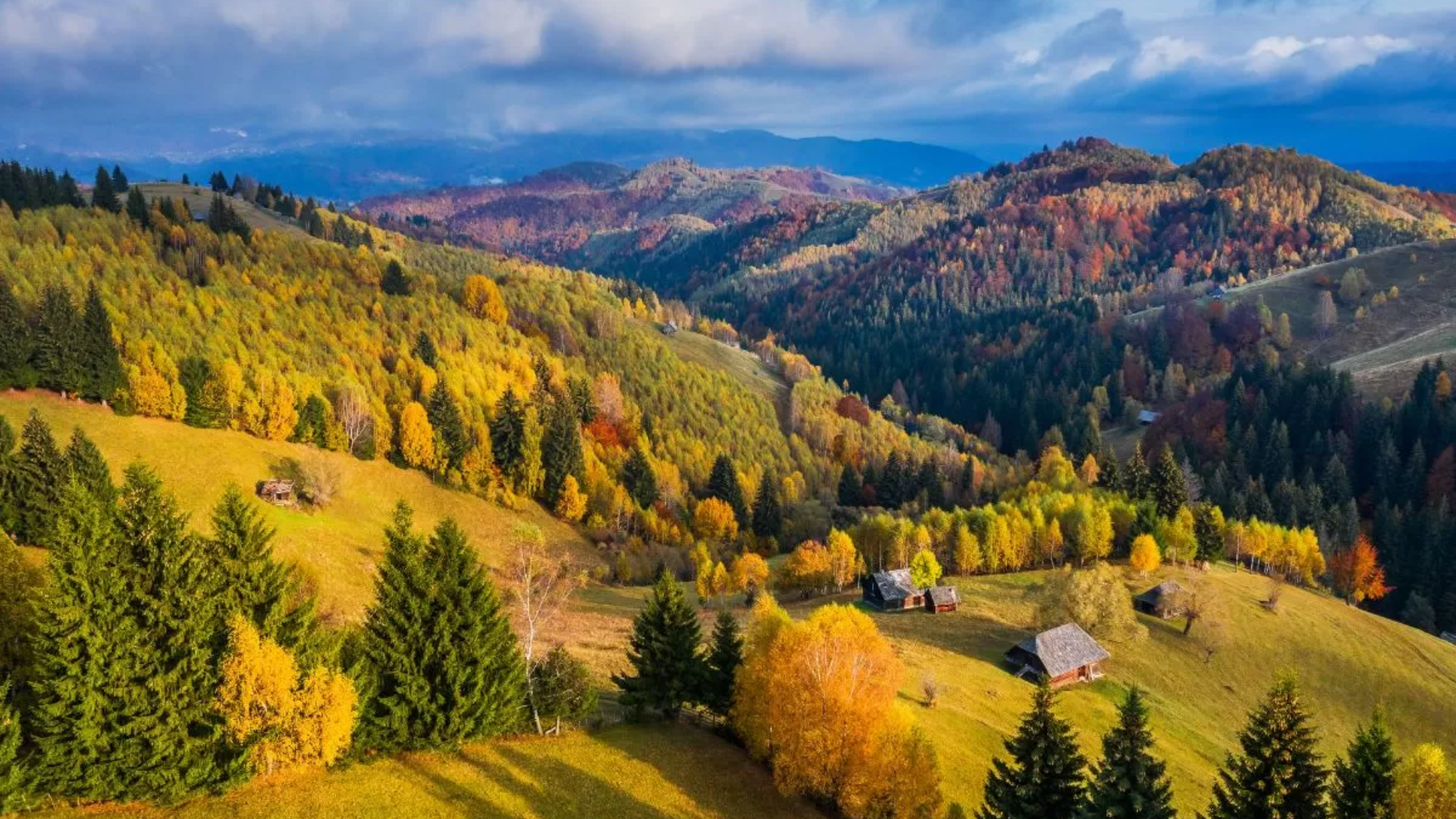
The Romanian Carpathians that frame the region offer summer hiking and winter skiing on terrain that sees a fraction of the crowds that the Alps attract. The Saxon heritage villages sitting between the major cities are largely intact and largely unvisited by international tourists, which makes them some of the most authentic rural experiences available anywhere in Central Europe right now.
Spring and early autumn are the strongest seasons for a first visit. May and June bring green landscapes and mild temperatures without the July and August peak crowds. September and October deliver the most dramatic light and foliage, cooler conditions for walking, and significantly lower prices across accommodation. Winter has its own appeal, particularly around the fortified towns with snowfall, but road conditions on mountain routes require careful planning.
Best Places to Visit in Transylvania
Brasov: The Heart of Transylvania
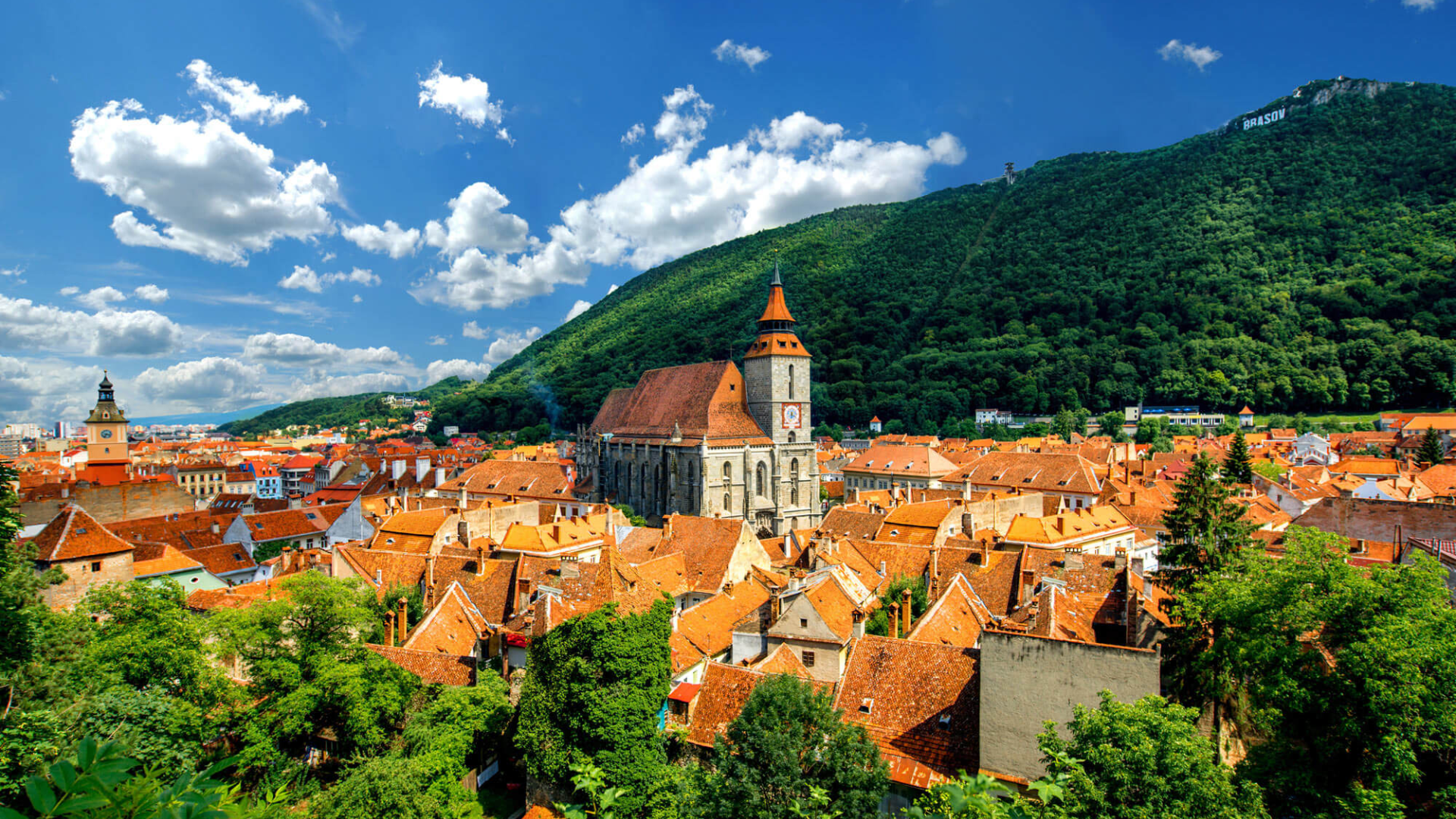
 Brasov sits at the center of most Transylvania itineraries for good reason. The medieval old town is compact, walkable, and extremely well-preserved, with the Black Church dominating the main square in a way that registers immediately on arrival. The Gothic structure dates to the 14th century and is the largest Gothic church in Romania by floor area.
The Council Square surrounding the church functions as the social hub of the old town, lined with 18th-century buildings that now house cafes, restaurants, and small shops. The narrow streets running off the square lead into residential sections that still feel lived-in rather than curated for tourism. Cable car access to Tampa Mountain above the city gives you a straightforward way to get above the roofline for the panoramic view that most visitors make a point of getting.
Brasov Transylvania works well as a base for multiple days because of how much is reachable within an hour’s drive. Bran Castle, Peles Castle, and several Saxon villages all sit within that radius, which means you can push out for day trips and return to a comfortable base each evening.
Bran Castle and Surroundings
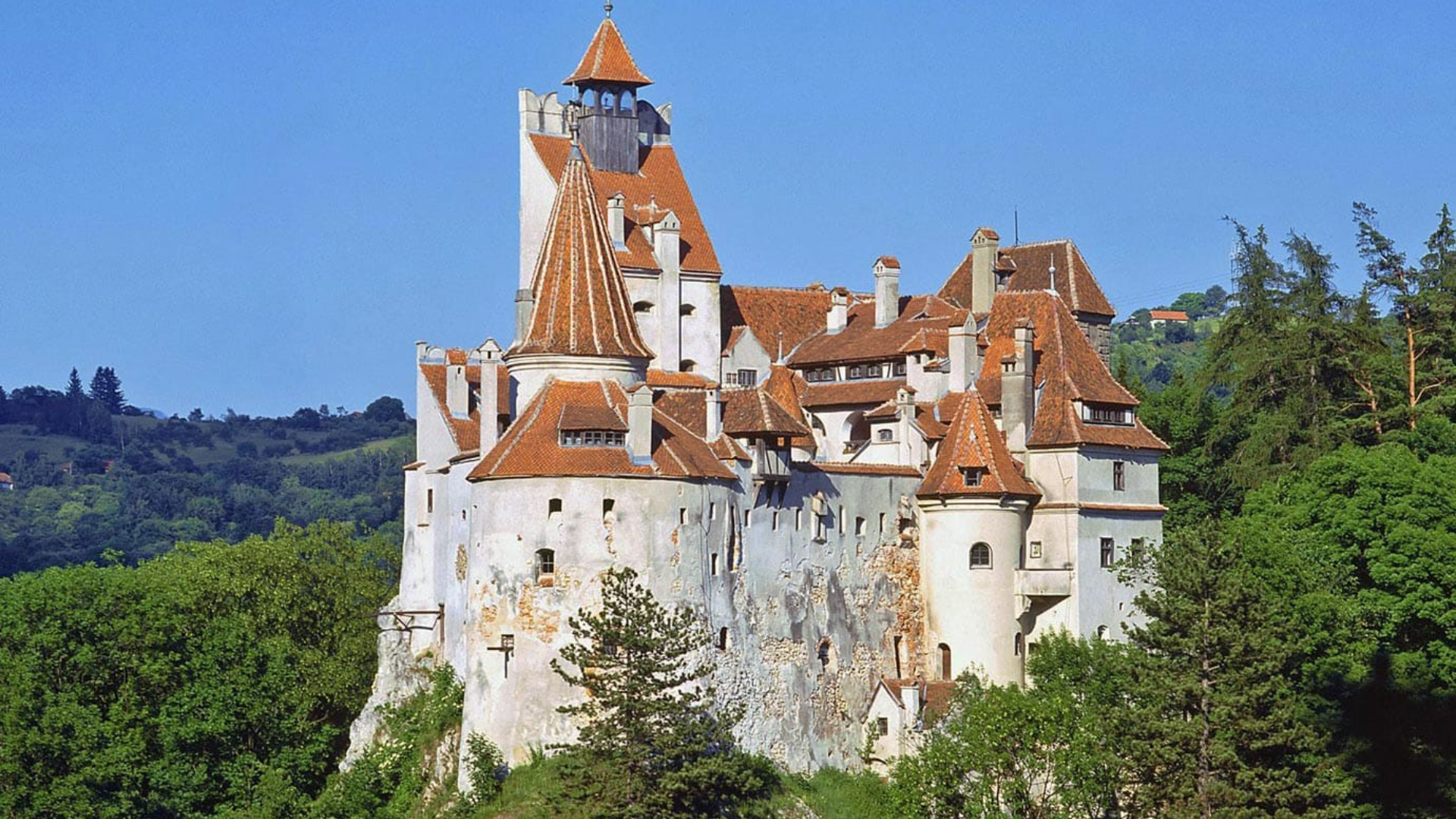
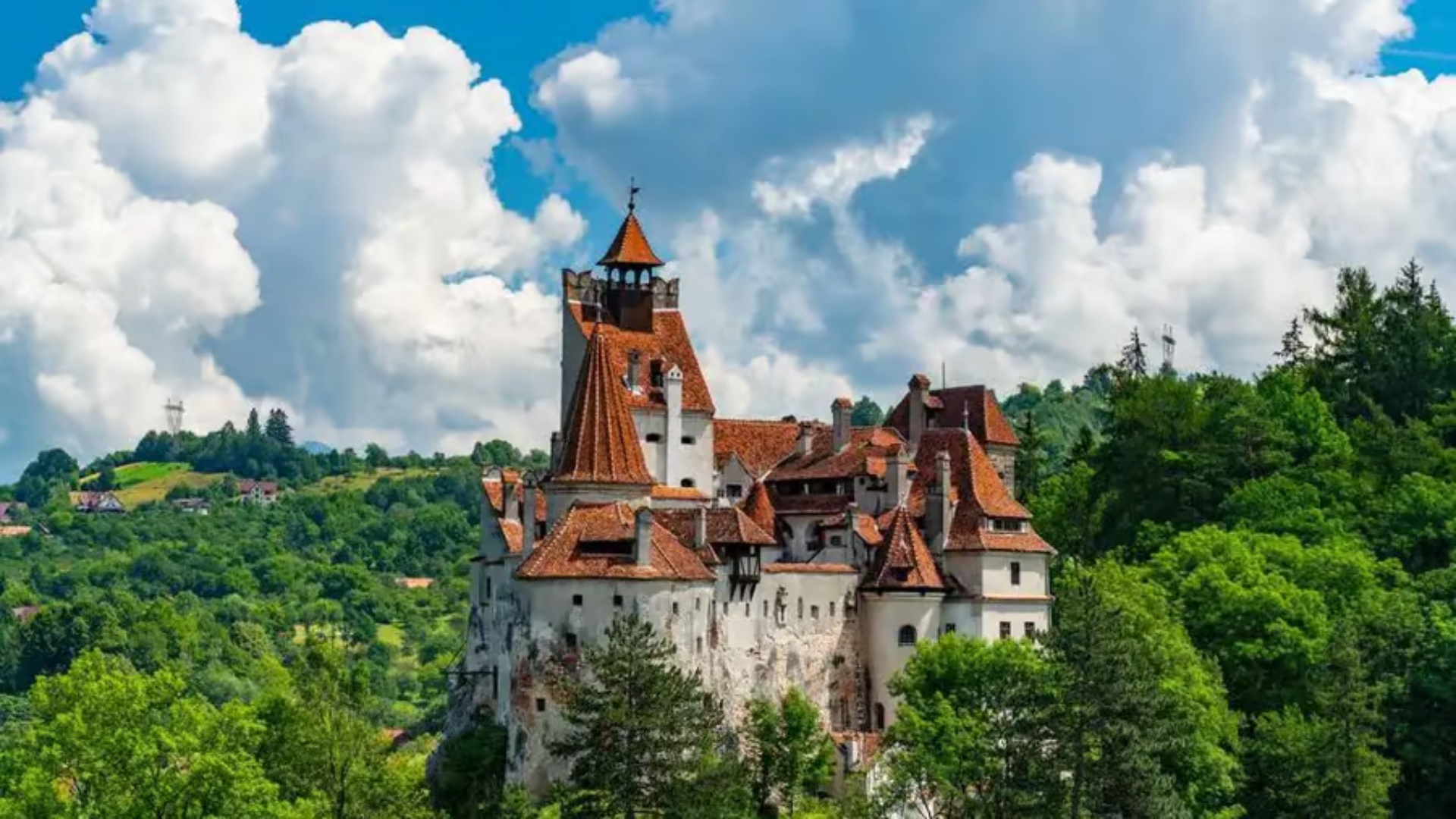 Bran Castle is the most visited single attraction in the region and the one most directly tied to the Dracula association. The historical connection is tenuous at best. Vlad III, the historical figure who inspired Bram Stoker’s character, may have passed through briefly, but he was never based there and the castle’s association with the Dracula story is largely a 20th-century tourism construction. The castle itself is worth visiting regardless of that context. The 14th-century structure perched on a rocky outcrop above the village is genuinely dramatic, and the interior preserves a collection of furniture and royal objects from Queen Marie of Romania’s tenure in the early 20th century.
Castle visits here work best on weekday mornings when the tour groups are lighter. The surrounding village has developed into a souvenir market strip that is easy enough to navigate around if that is not what you came for.
Sighisoara: Perfectly Preserved Medieval Citadel
Sighisoara Citadel is the most atmospheric medieval town in the region and arguably the best-preserved inhabited medieval citadel in Europe. The upper citadel sits on a hill above the lower town, surrounded by walls and towers that date back to the 12th century. Walking the cobbled streets of the upper citadel in the early morning before the day trips arrive gives you an experience that feels genuinely removed from the present.
The Clock Tower at the citadel entrance is the defining structure, built in the 14th century and now housing a history museum with views across the rooftops from the upper level. The Church on the Hill above the citadel is reached via a covered wooden staircase of 175 steps and sits alongside a German cemetery with medieval gravestones largely intact. Sighisoara also carries the distinction of being the claimed birthplace of Vlad III, which is acknowledged in the town with considerably more historical nuance than the Bran Castle approach.
Sibiu: European Capital of Culture Vibes
 Sibiu Romania operates at a slightly different frequency from the other major towns in the region. It earned the title of European Capital of Culture in 2007 and the investment and attention from that period produced a city that feels polished without having lost its character. The two main squares, Piata Mare and Piata Mica, connected by a short street and overlooking the lower town through arched windows built into the retaining wall, are among the most striking urban spaces in Central Europe.
The Brukenthal National Museum on Piata Mare holds one of the oldest and most significant art collections in Romania, with Flemish and German works that would draw serious attention if the museum sat in Vienna or Prague. Sibiu also has the strongest restaurant and cafe scene of any town in the region outside Brasov, which matters after a week of travel.
Peles Castle and Sinaia
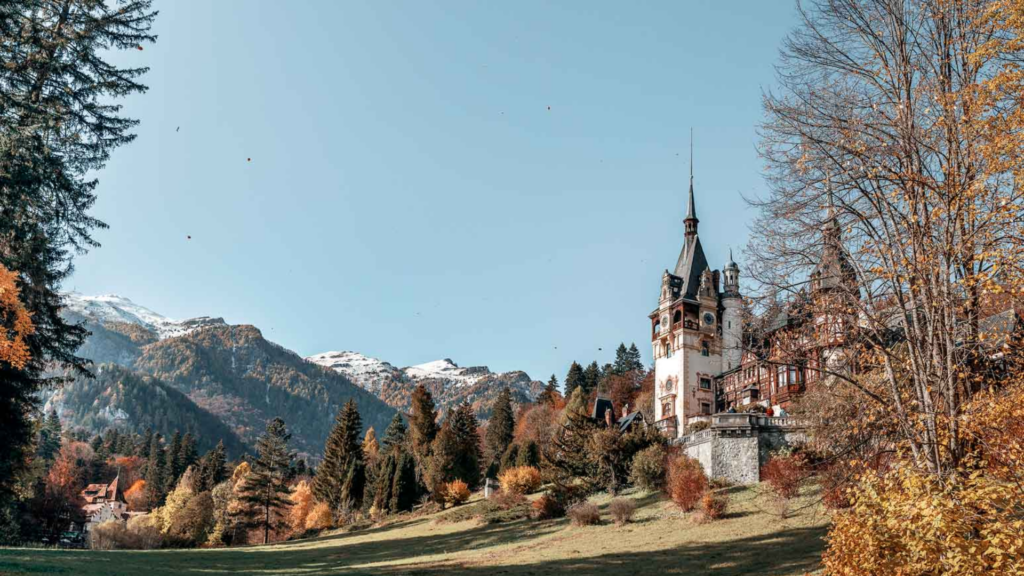
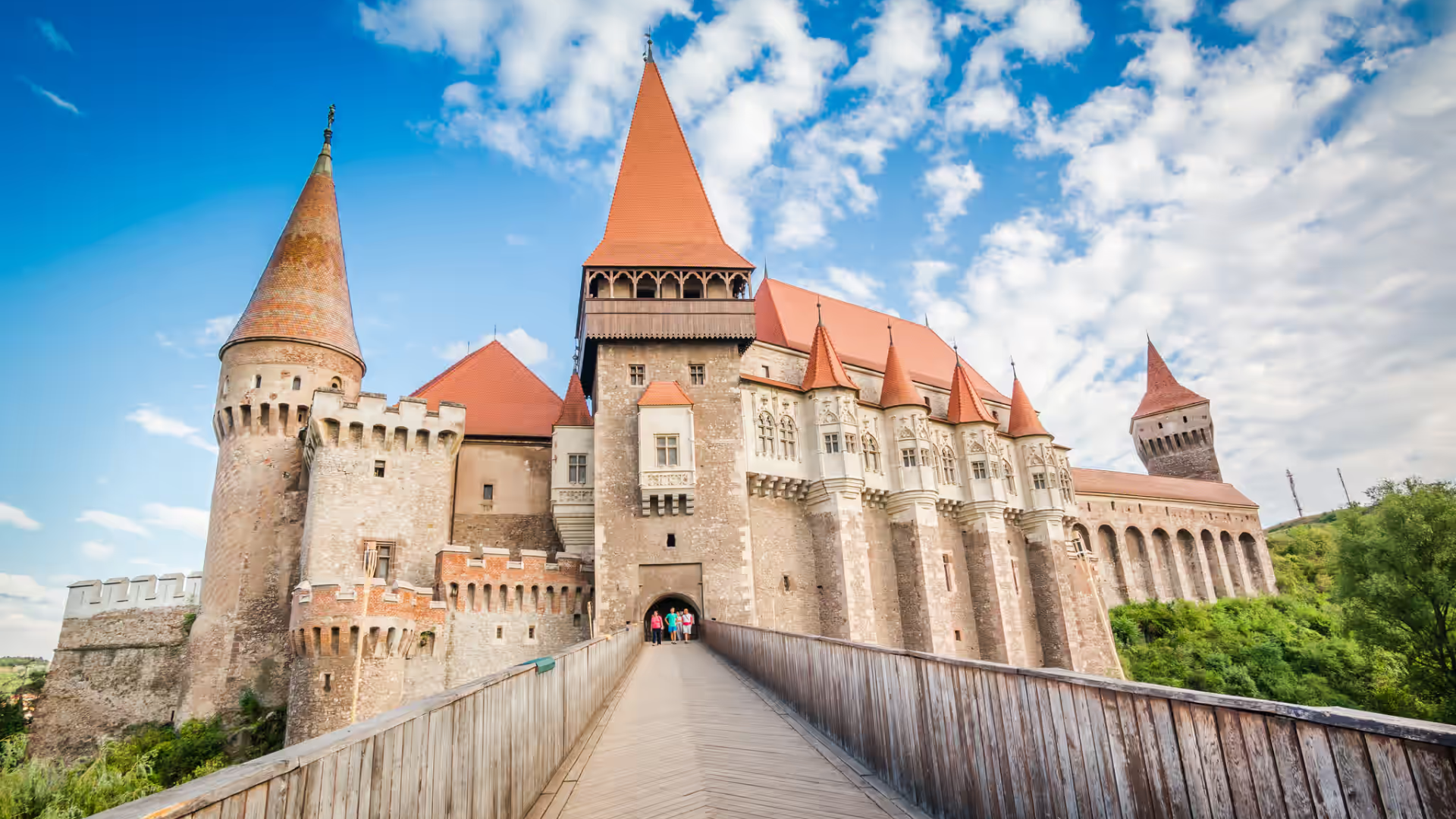
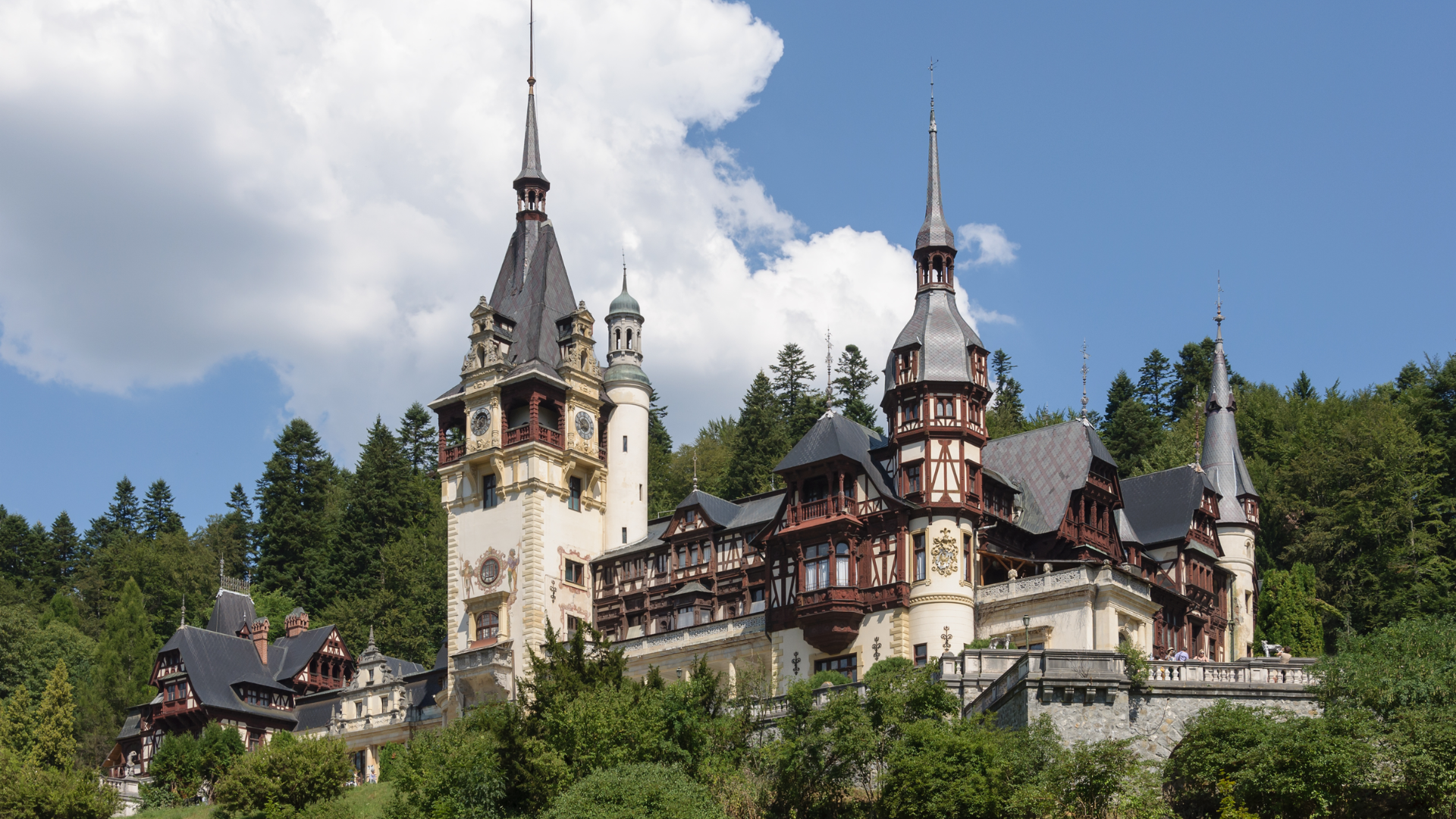 Peles Castle sits in the forested hills above the mountain resort town of Sinaia and represents a completely different architectural register from the medieval fortifications elsewhere in the region. Built between 1873 and 1914 as the summer residence of Romania’s first king, the Neo-Renaissance structure looks more like a Bavarian fantasy than anything that belongs in the Carpathians. The interior is among the most ornately decorated royal spaces in Eastern Europe, with 160 rooms covering German, Moorish, and Renaissance Revival decorative styles.
Sinaia below the castle is a functional mountain town with good accommodation options and ski access to the Bucegi plateau in winter.
Corvin Castle (Hunedoara)
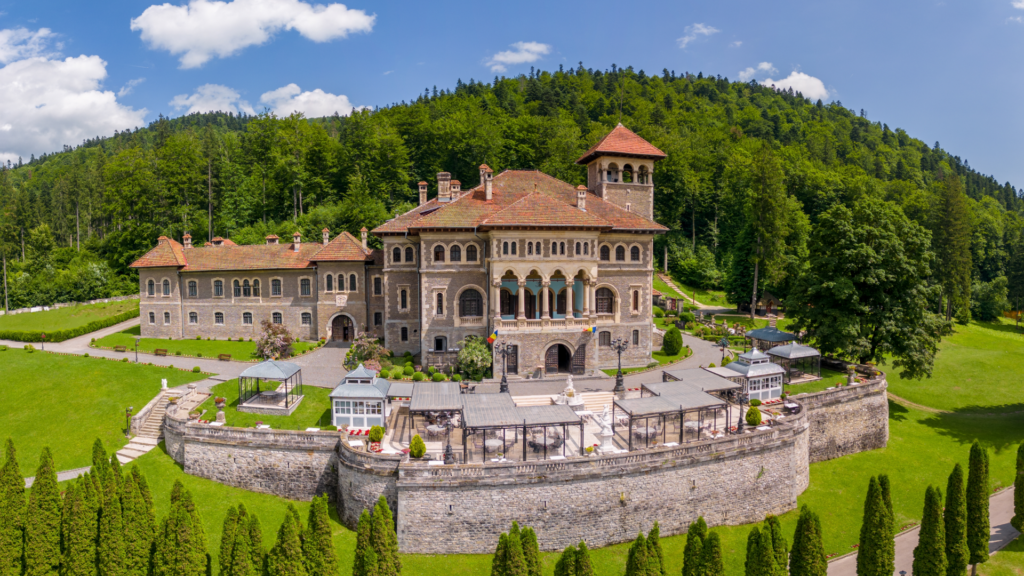
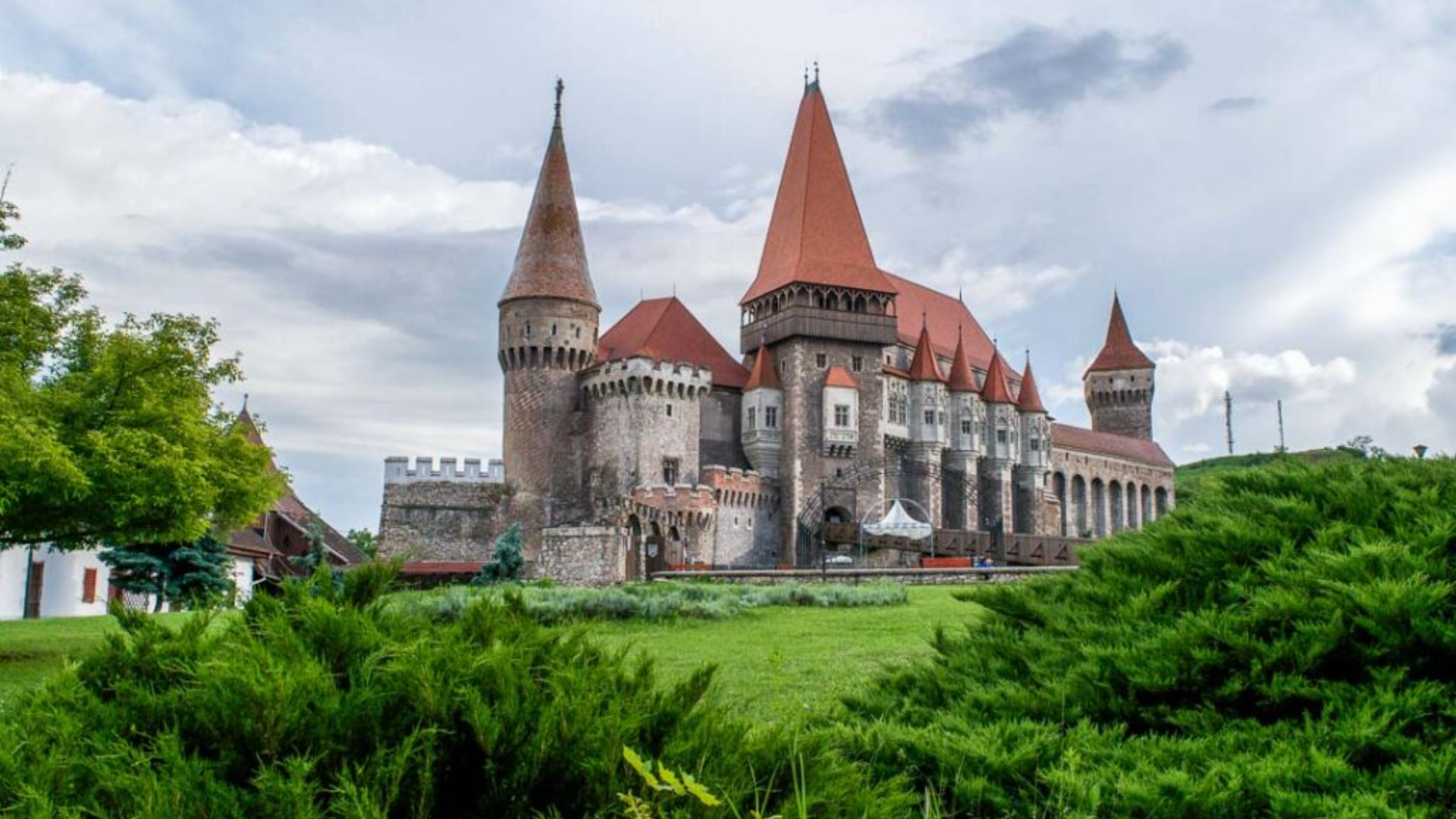 Corvin Castle in Hunedoara is the most cinematically dramatic fortress in Romania and one of the most impressive Gothic castles in Europe by any measure. The 15th-century structure rises from a rocky outcrop surrounded by a dry moat, with towers, drawbridge, and a great hall that have survived largely intact. It sits about two hours from Brasov and the drive through the western Transylvania landscape makes the journey part of the experience. Visitor numbers here run well below Bran Castle, which gives you more space to move through the interior at your own pace.
The Transfagarasan Highway and Balea Lake
The Transfagarasan Highway is a mountain road built in the 1970s across the Fagaras Mountains that climbs to nearly 6,700 feet before descending on the other side. The drive from the Transylvania side covers a series of switchbacks with views across the Carpathian ridgeline that justify the entire road trip for most people who make the effort. Balea Lake at the summit is accessible by cable car in winter when the road is closed, and the ice hotel that forms there annually has become an attraction in its own right.
The road is open from June through October depending on snowmelt conditions. Allow half a day minimum and plan around clear weather since low cloud closes off most of the views that make the drive worthwhile.
Suggested Transylvania Itineraries
5-Day Highlights Itinerary
Day one and two in Brasov, covering the old town, Tampa Mountain, and an afternoon drive to a Saxon village in the Bran Valley. Day three as a full day covering Bran Castle in the morning and Peles Castle and Sinaia in the afternoon before returning to Brasov. Day four drive to Sighisoara with a stop at one of the fortified churches in the villages along the way. Day five in Sighisoara with the citadel and Church on the Hill before heading back through the countryside.
7 to 10 Day In-Depth Route
Extend the five-day structure by adding two nights in Sibiu, a day at Corvin Castle with a push west into the Hunedoara region, and a dedicated day on the Transfagarasan Highway. A 10-day Romania road trip version can incorporate Bucharest on either end, with the train or a direct drive connecting the capital to Sinaia and Brasov as the gateway into the region.
Road Trip vs Public Transport
A car opens the Saxon villages, Corvin Castle, and the Transfagarasan Highway in a way that public transport simply cannot replicate. Between the major towns of Brasov, Sighisoara, and Sibiu, trains run regularly and are a perfectly reasonable way to move if the rural driving routes are not the priority. Car rental from Bucharest or Brasov runs around $30 to $60 per day for a standard vehicle, and Romanian roads between major towns have improved significantly over the past decade.
Local Culture, Food, and Unique Experiences
The local cuisine in Transylvania is heavier and more meat-forward than most visitors expect, shaped by the Saxon heritage and the cold mountain winters rather than by the lighter Mediterranean influences found in southern Romania. Sarmale, stuffed cabbage rolls slow-cooked with pork and rice, is the dish that shows up at every traditional table. Ciorba, a sour soup made with vegetables and often meat, is the everyday starter that most Romanians eat more frequently than anything else. Mici, grilled minced meat rolls served with mustard and fresh bread, are the street food staple that functions as a reference point for the entire culinary culture.
The wine region in the Tarnave area northeast of Sibiu produces whites from local grape varieties including Feteasca Alba and Feteasca Regala that have started attracting serious attention from European wine writers over the past few years. Wine tasting at a small producer in the Tarnave area is one of the most memorable half-days available in the region and almost completely off the standard tourist circuit.
Bear watching in the Carpathians around Brasov is an established experience run by licensed guides, typically as an evening excursion to purpose-built hides in the forest. Romania holds the largest brown bear population in Europe outside Russia, and sightings on these guided sessions are consistent enough to be a genuinely reliable wildlife experience rather than a speculative one.
The Saxon villages of Viscri, Biertan, and Copsa Mare each hold fortified churches dating back to the 13th and 14th centuries, built as refuges during the repeated invasion periods that shaped this part of Europe. Viscri in particular has become quietly famous through the association with King Charles III, who purchased and restored a property there over two decades ago and whose connection with the village drew international attention to its preservation.
Practical Travel Information for 2026
 Getting there: Bucharest Henri Coanda Airport is the main international gateway, with direct connections from most major European cities and increasing transatlantic routing through hub airports. Cluj-Napoca Airport serves the western Transylvania region and has expanded its European connections significantly over the past few years. Flying into Cluj and out of Bucharest, or the reverse, works cleanly with a linear road trip route across the region.
Getting around: Car rental remains the most flexible option and the only practical choice for reaching the Saxon villages, Corvin Castle, and the Transfagarasan Highway. Trains connect Bucharest, Brasov, Sighisoara, Sibiu, and Cluj with reasonable frequency and comfort. Intercity buses fill gaps in the train network and run on time in most cases.
Where to stay: Brasov offers the widest range of accommodation from budget hostels to boutique hotels in the old town. Sibiu has the strongest concentration of mid-range and design hotels. For a more immersive experience, guesthouses in the Saxon villages run by local families or small operators offer a quality of connection to the landscape and the culture that town hotels cannot replicate.
Budget breakdown: A mid-range daily budget of $80 to $120 covers comfortable accommodation, three meals, entrance fees, and local transport. Budget travelers managing hostels and local restaurants can run closer to $40 to $60 per day. The cost differential from Western Europe is still meaningful enough to make Transylvania one of the better value destinations on the continent in 2026.
Safety and practicalities: Transylvania is a safe destination for international tourists by any reasonable measure. Petty theft in crowded tourist areas follows the same pattern as anywhere in Europe and the same basic awareness applies. Romanian is the official language, German is still spoken in some Saxon communities, and English is widely understood in the tourist areas of all major towns. Tipping around 10 percent is standard at restaurants.
Wrapping Up…
Transylvania rewards visitors who come with more curiosity than expectation. The Dracula frame is a starting point that the region has long since outgrown, and the travelers who leave most satisfied are the ones who pushed past the castle circuit into the Saxon villages, the mountain roads, the local restaurants, and the quiet hilltop fortresses that most tour itineraries skip entirely. This complete travel guide to Transylvania gives you the framework. The actual experience is considerably better than any guide can fully prepare you for, and that gap is the best thing we can say about a destination in 2026.