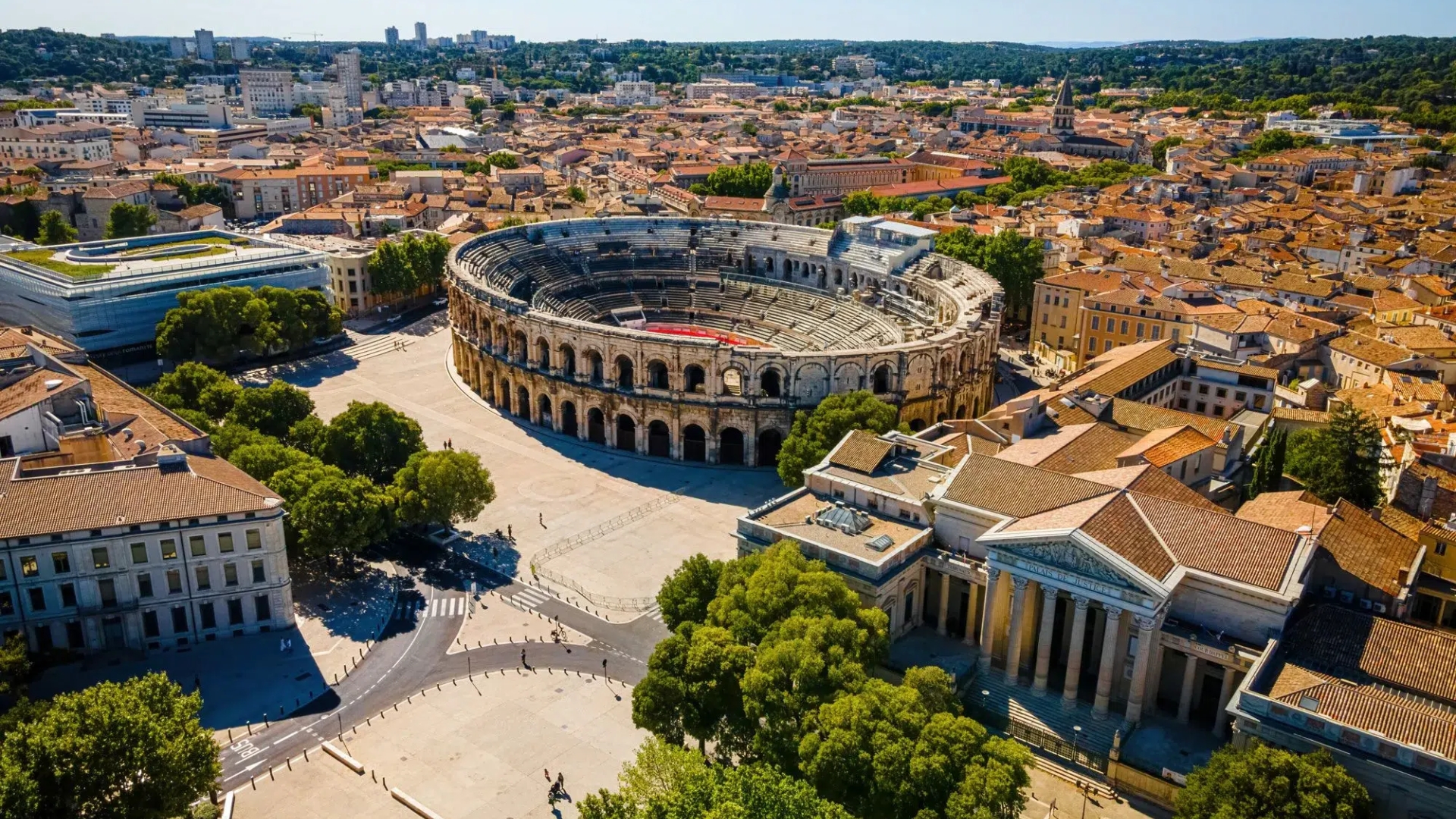
When people think of the Roman Empire, their minds usually drift straight to the chaotic streets of Rome or perhaps the sun-drenched ruins of Pompeii. Yet, tucked away in the Occitanie region of Southern France lies a city that arguably offers a more coherent and breathtaking glimpse into antiquity than the Italian capital itself. Nîmes is a place where the pulse of the Roman world still beats strongly within a modern French frame. It is quite a shock to realize that Nîmes underrated Roman city status persists despite it housing the best-preserved arena and temple in the world.
The reason why Nîmes is underrated often boils down to marketing. While Arles leans into its Van Gogh connection and Orange banks on its singular theatre, Nîmes has quietly maintained a collection of monuments that are not just ruins, but living parts of the city. In 2026, as over-tourism clogs the arteries of Europe’s major capitals, Nîmes stands out as a sophisticated alternative. It offers a rare blend of high-end French lifestyle and brutal Roman history without the soul-crushing queues.
Nîmes vs Other Famous Roman Cities – The Honest Comparison
Choosing which Roman sites to visit in Europe can be a bit of a gamble. Rome is unparalleled in scale but can feel like a theme park due to the sheer volume of tourists. Arles is charming but its ruins feel more weathered and fragmented. Nîmes, however, hits a “Goldilocks” zone. Everything is walkable, the preservation is startlingly good, and the city feels like a real place where people live, rather than just a museum.
| Criteria | Nîmes | Rome | Arles | Orange |
| Preservation Quality | Exceptional | Mixed | High | Moderate |
| Crowd Levels | Low to Moderate | Extreme | Moderate | Low |
| Typical Entry Price | £12 – £15 | £16 – £25 | £8 – £12 | £10 – £13 |
| Modern Usability | High (Concerts/Daily life) | Low (Protected ruins) | Moderate | High (Theatre only) |
| Authentic Experience | 10/10 | 7/10 | 8/10 | 7/10 |
The value here is hard to beat. For about £13, you get access to a Roman arena that you can actually climb to the very top of, unlike the restricted levels of the Colosseum. When you factor in the lack of hour-long security lines, the “authentic Roman experience per visitor” in Nîmes is simply higher than anywhere else in the Mediterranean.
The Roman Legacy of Nîmes – What Makes It Special
Nîmes was originally known as Colonia Nemausus, named after a local Celtic god of the spring. It rose to prominence under Emperor Augustus, who settled his veteran soldiers here after their victory in Egypt. This Egyptian connection is still visible today in the city’s coat of arms, which depicts a crocodile chained to a palm tree. Because it sat directly on the Via Domitia, the main road linking Italy to Spain, it became a showcase for Roman wealth and engineering.
What truly sets Roman Nîmes apart is the continuity of its structures. Unlike many French Roman cities where the stones were scavenged to build medieval churches, the people of Nîmes kept their Roman heritage in use. The arena became a fortified village, and the temple was used as a stable, a home, and a church. This pragmatism saved the ancient Roman architecture from the typical decay of time. Today, Nîmes has more intact Roman structures still in daily use than any other city in the country, making it a functional monument rather than a graveyard of stones.
1. The Arènes de Nîmes – Europe’s Best-Preserved Roman Arena
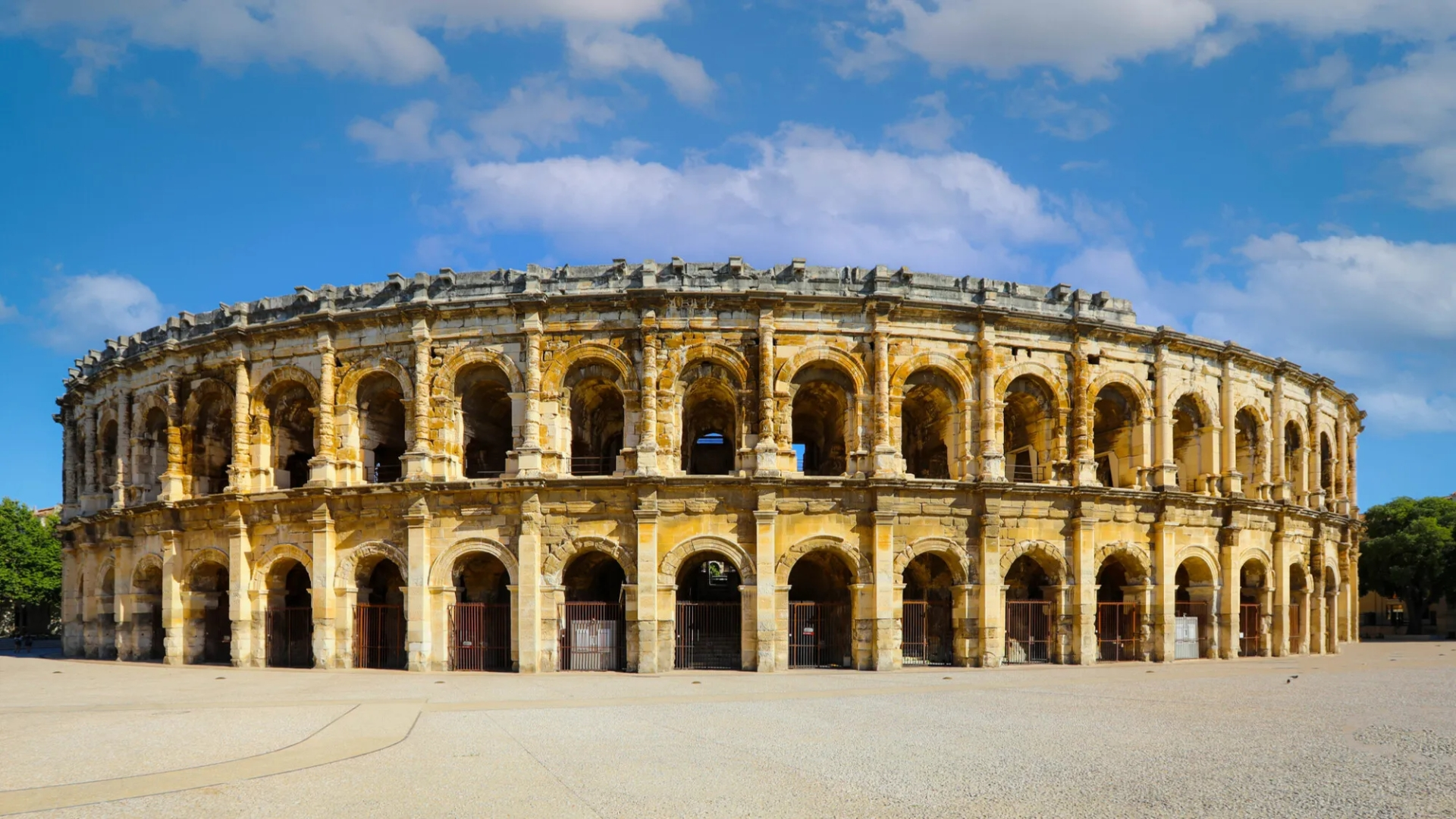 The Arènes de Nîmes is a masterpiece of engineering that dates back to around 100 AD. While it is smaller than the Colosseum, its state of preservation is far superior. The exterior facade, consisting of two levels of sixty arches each, is almost entirely complete. Inside, you can see exactly where the Roman elite sat and where the lower classes cheered from the higher tiers.
This gladiator arena is not just for looking at. It remains a central hub for the city’s culture. In 2026, it continues to host massive musical acts and traditional festivals. The best part for visitors is the accessibility. You are free to wander through the arched galleries and the underground passages where the animals and fighters once waited. Unlike the sterile, cordoned-off feeling of many Italian sites, here you feel the grit and the scale of the history beneath your feet.
2. Maison Carrée – The Most Perfect Roman Temple Still Standing
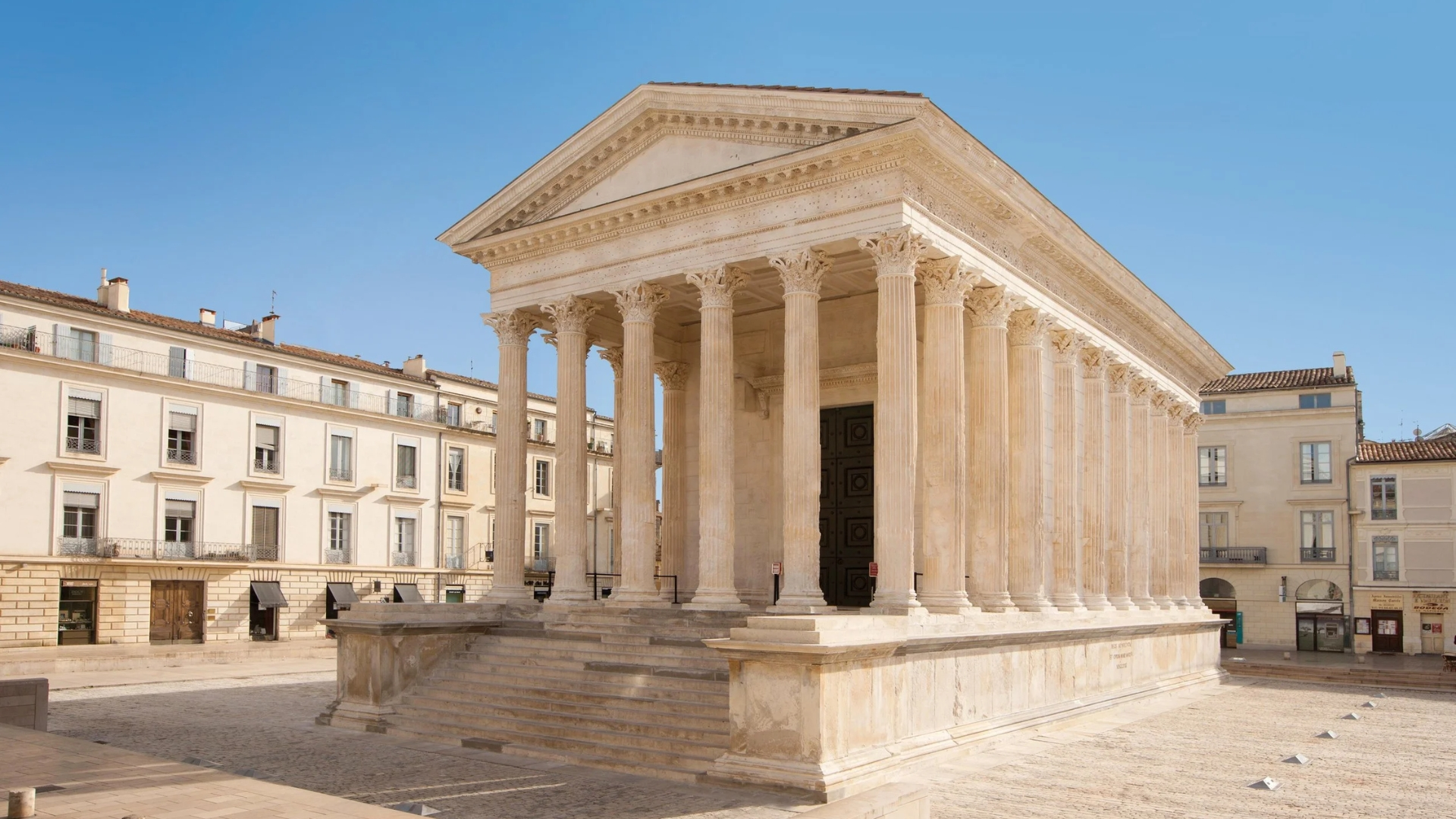 In the heart of the city stands the Maison Carrée, a Roman temple so perfectly preserved that it looks as though it was finished last week. Dedicated to the heirs of Augustus, it is the only temple of the ancient world that has reached us almost entirely intact. Its elegant Corinthian columns and precise proportions are a lesson in classical harmony.
This building had a profound effect on the world long after the Romans left. Thomas Jefferson was so enamoured with it while serving as the American minister to France that he used it as the blueprint for the Virginia State Capitol. Today, it houses a museum that explains the city’s origins. Standing in front of it in the modern square, you can appreciate the underrated gem status of Nîmes. You can sit at a nearby cafe with a glass of wine and stare at a 2,000-year-old masterpiece without a single selfie stick blocking your view.
3. Pont du Gard – The Engineering Marvel Just Outside Nîmes
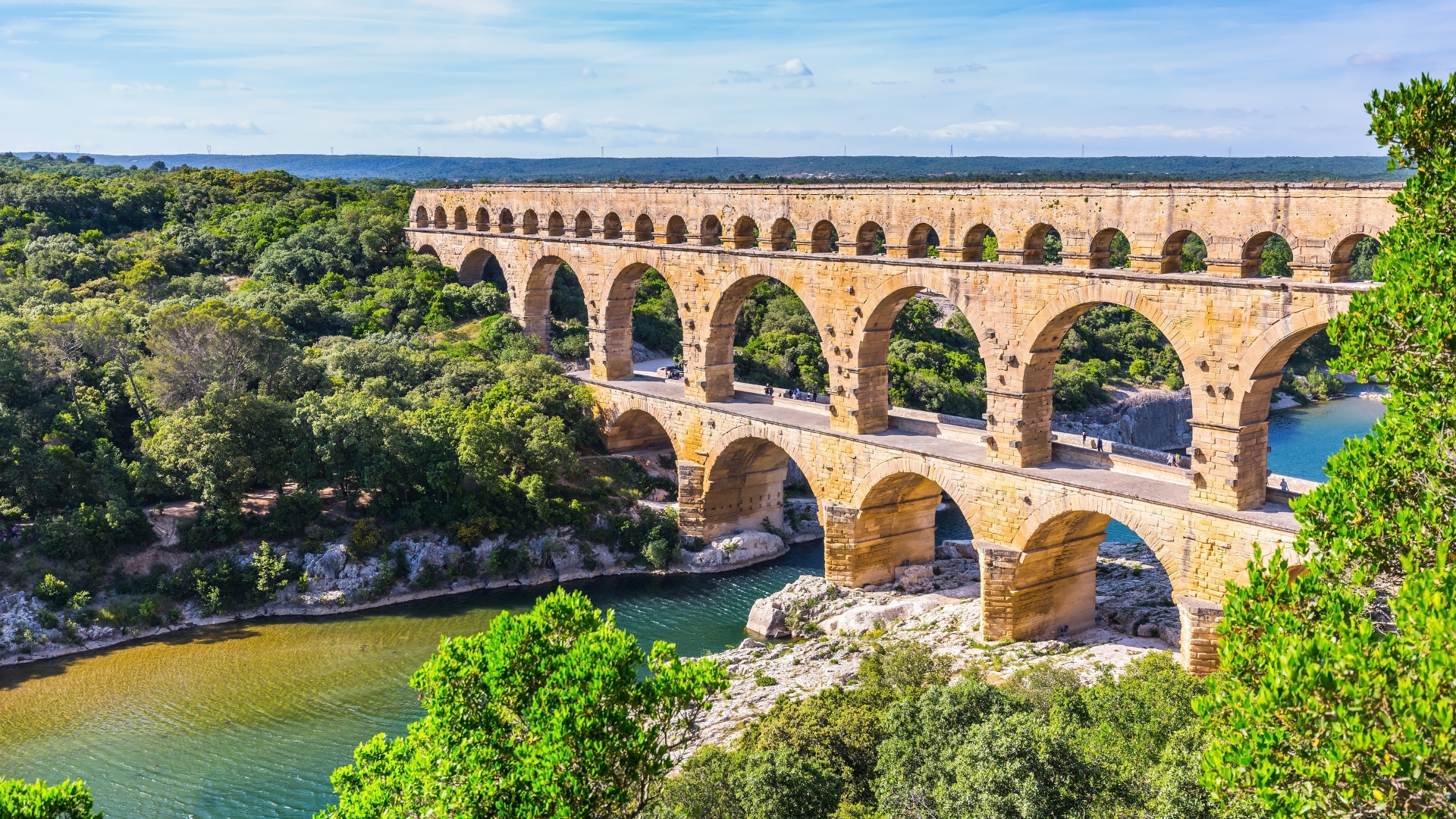 A short drive or bus ride from the city centre leads you to the Pont du Gard, a staggering ancient aqueduct that served as the lifeline for Roman Nîmes. This three-tiered bridge carried water over the Gardon River with such precision that it only dropped a few centimetres over its entire length. It is widely considered one of the most impressive feats of Roman engineering left on the planet.
In 2026, the site is managed with a focus on ecology and hiking. You can walk across the lower levels or take a trail to higher ground for a view that makes the bridge look like a toy. While the site is a major draw, the sheer size of the park means it rarely feels crowded. It is a place where you can swim in the river beneath the arches of history, a far cry from the cramped tour group experience you find at other best Roman sites France has to offer.
Hidden Roman Gems Most Tourists Miss in Nîmes
Beyond the big three, Nîmes is scattered with Roman ruins that provide a quieter, more personal connection to the past.
Jardins de la Fontaine & Temple of Diana
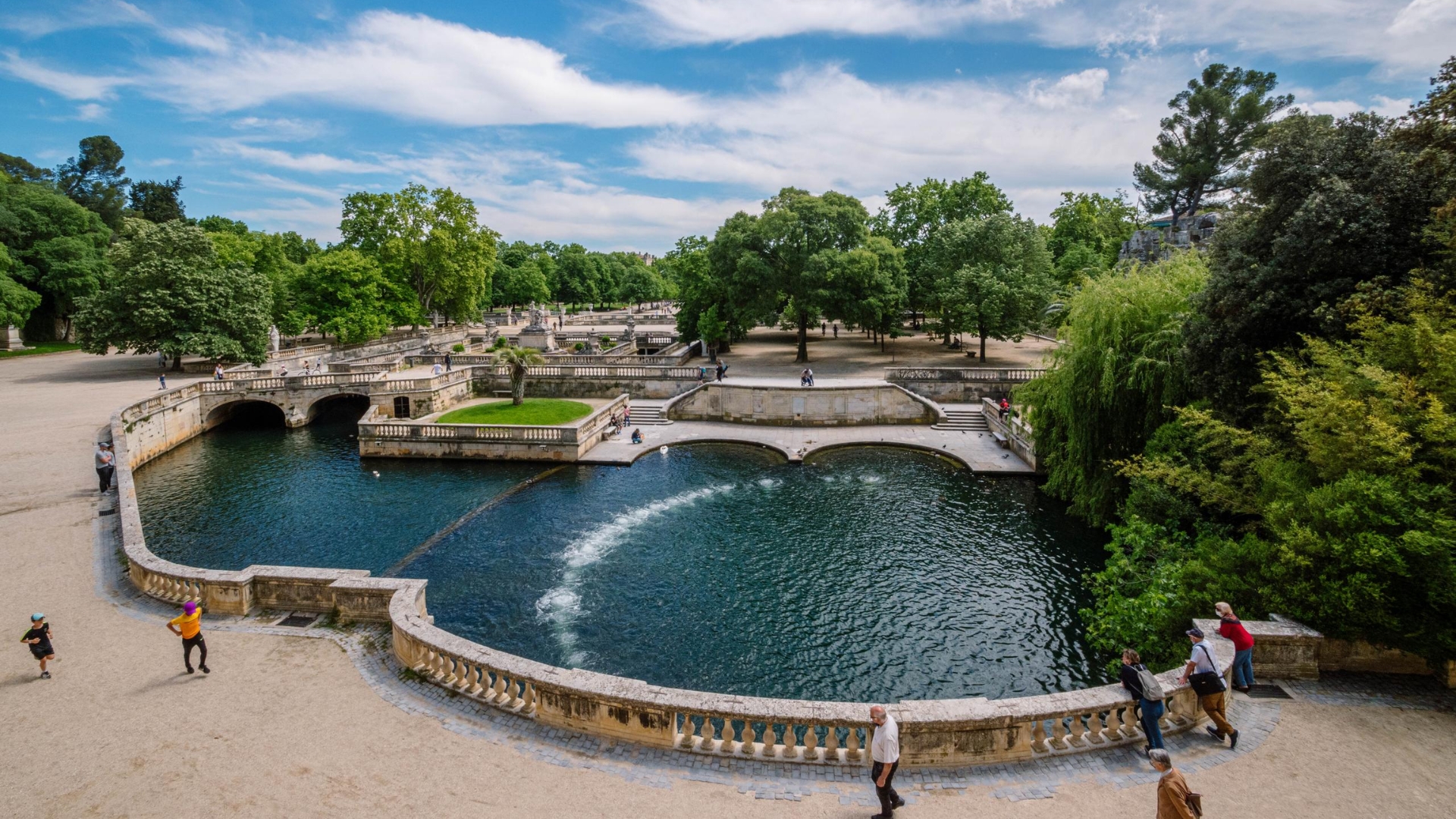 The Jardins de la Fontaine were among the first public parks in Europe, built around the original Roman spring. Nestled within the greenery is the Temple of Diana. Its purpose remains a mystery to archaeologists, but its romantic, crumbling arches make it one of the most atmospheric spots in the city.
Tour Magne
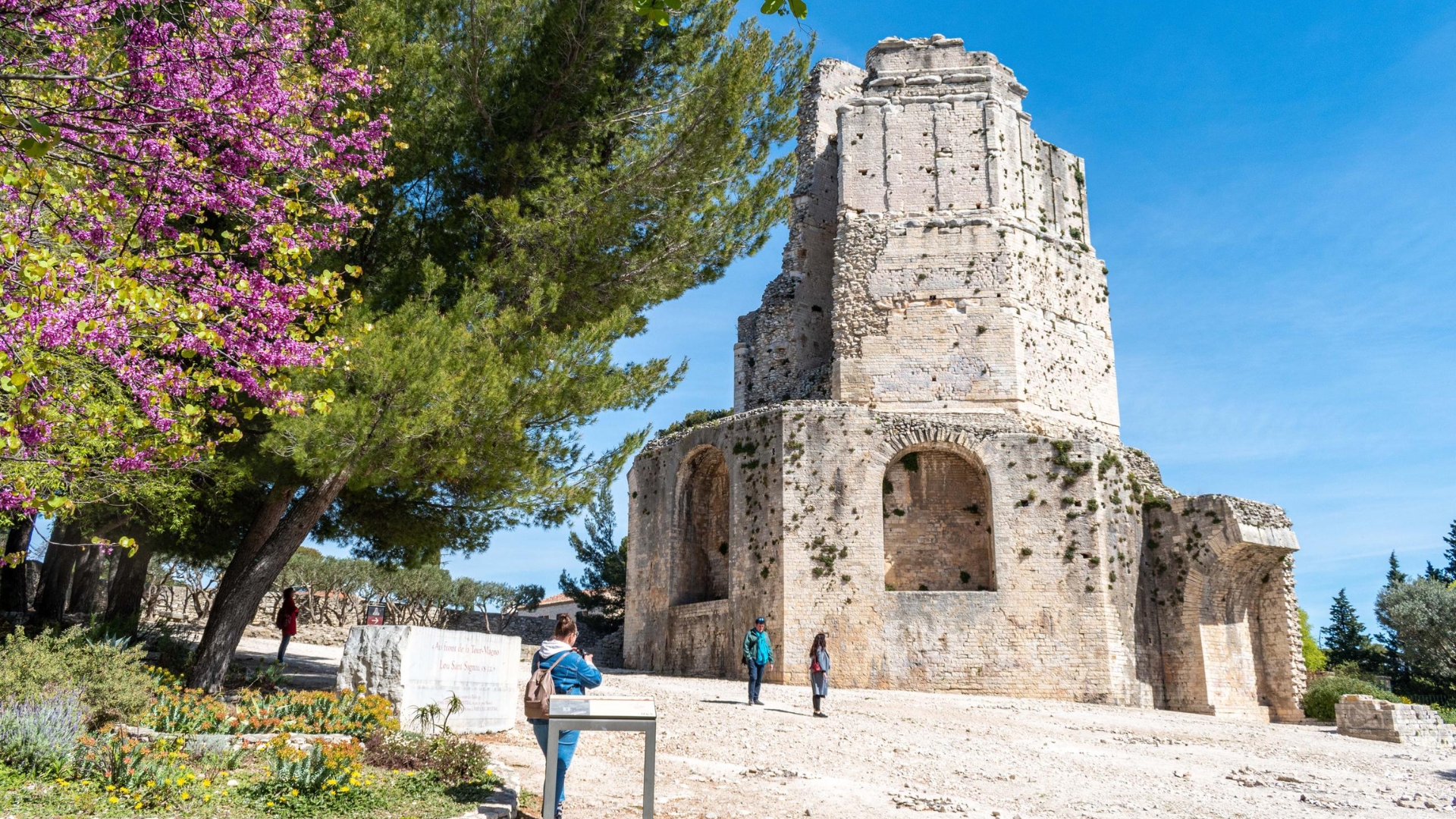 Perched atop the highest hill in Nîmes is the Tour Magne. Once part of the city’s Roman walls, this tower was a signal of power visible for miles. The climb to the top is steep, but the reward is a panoramic view of the red-tiled roofs of Nîmes and the distant peaks of the Alpilles.
Roman Gates and City Walls
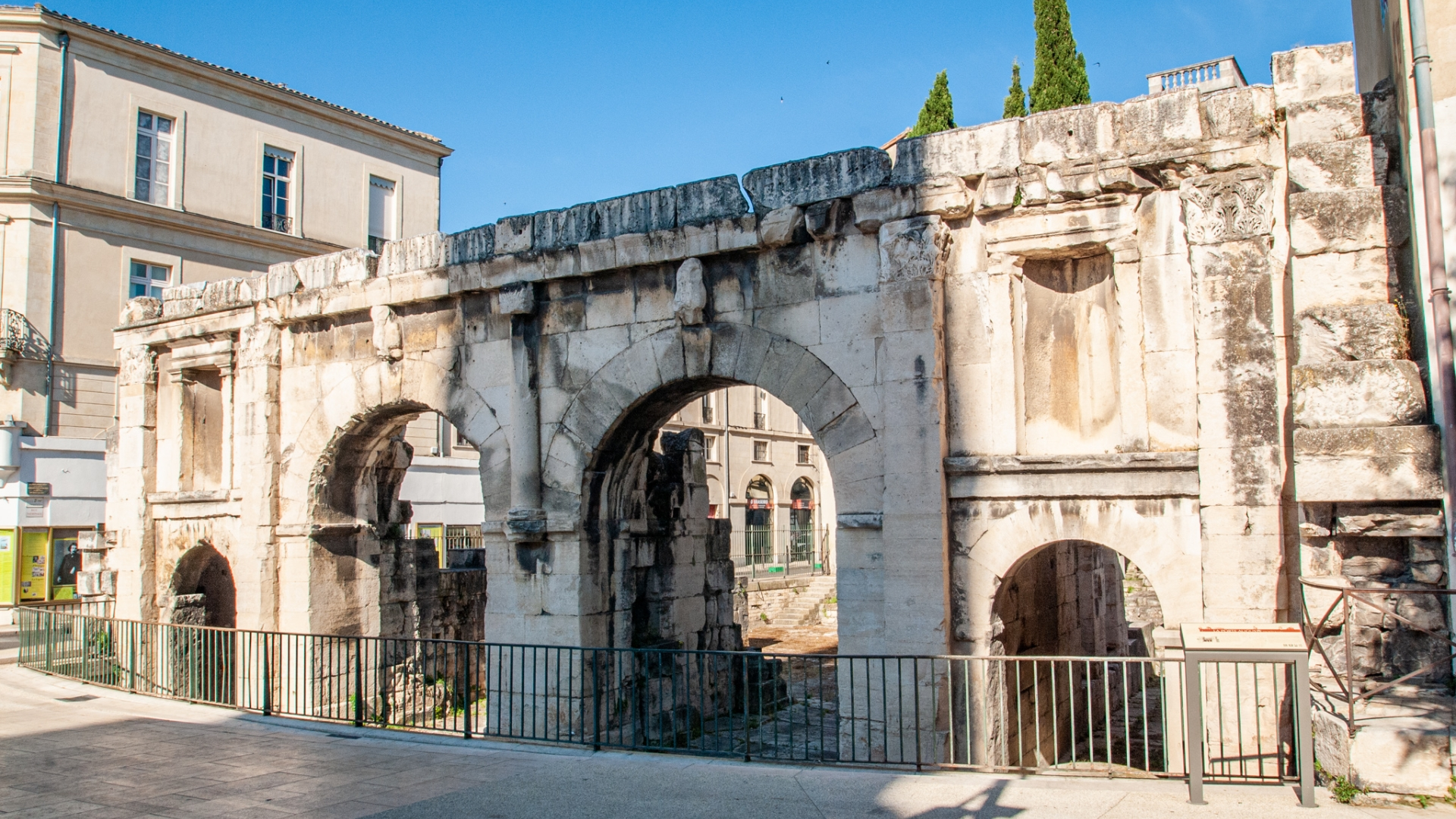 The Porte d’Auguste and Porte de France are two of the original gates that once allowed travellers into the city from the Via Domitia. They are now integrated into the modern streetscape, standing as silent sentinels amongst the shops and apartments.
Underground Finds (2024–2026)
Recent excavations near the train station have uncovered stunning mosaics and residential foundations that are currently being prepared for public viewing. These finds prove that Nîmes history is still being written, with the city constantly peeling back layers of its Roman skin.
Why Nîmes Feels More Authentic Than Rome or Arles
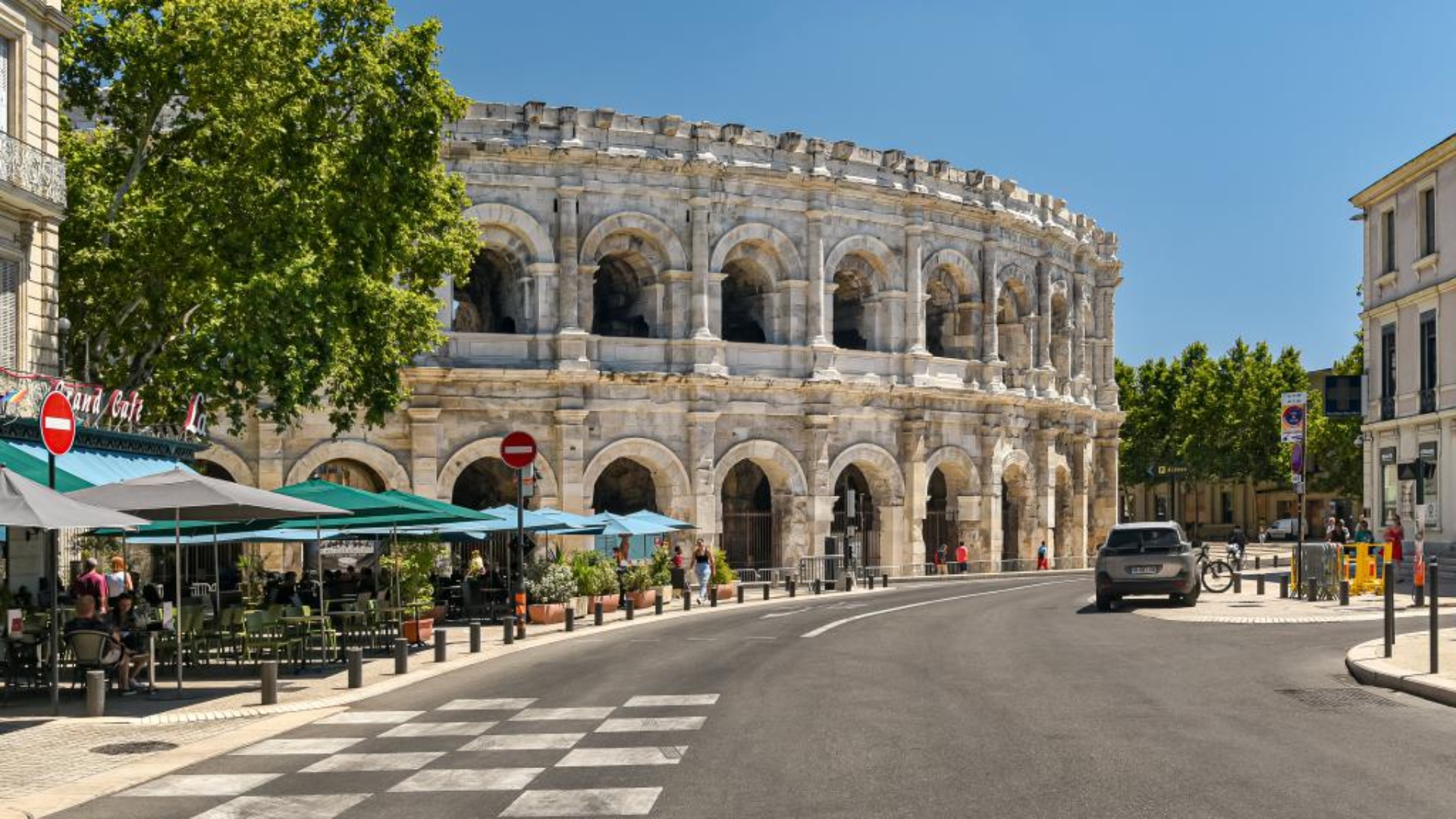 There is a specific kind of magic in Nîmes that stems from its lack of pretension. It is a city that is proud of its past but doesn’t feel strangled by it. Because why Nîmes is underrated is largely a matter of perception, the city hasn’t been “Disney-fied” to the extent of its rivals. You won’t find men in cheap plastic centurion costumes charging you for photos outside the arena.
Instead, you find a city where the Roman heritage is woven into the fabric of daily life. The squares are paved with stone that echoes the ancient forum, and the local festivals celebrate their Mediterranean roots with genuine passion. It is crowd-free in the sense that you can always find a quiet corner, and the pace of life remains delightfully southern French.
Practical 2026 Travel Guide to Nîmes
Best Time to Visit
To see the Nîmes underrated Roman city experience at its best, aim for May or September. The weather is warm but not oppressive, and the light on the limestone monuments is exquisite. Avoid the peak of July when the heat can be fierce.
Where to Stay
Stay within the “Écusson,” the shield-shaped historic centre. There are several boutique hotels that actually have Roman stonework in their basements. This area is entirely walkable and puts you minutes away from the major sites.
Combining Your Trip
Nîmes is perfectly positioned for a broader tour. You can visit the Pont du Gard in the morning and be in the medieval town of Uzès for lunch. It is also just twenty minutes by train from Montpellier, making it an easy base for exploring the region.
Budget Breakdown
- Roman Pass: Around £15 for access to the Arena, Maison Carrée, and Tour Magne.
- Accommodation: £80 – £130 per night for a mid-range hotel.
- Dining: A three-course “Menu du Jour” usually costs between £18 and £25.
- Transport: The city is walkable, but a bus to Pont du Gard is about £1.50 each way.
The Roman Legacy Scorecard
| Category | Nîmes | Rome | Arles | Orange |
| Preservation | 10/10 | 7/10 | 8/10 | 8/10 |
| Accessibility | 9/10 | 5/10 | 9/10 | 8/10 |
| Atmosphere | 10/10 | 6/10 | 8/10 | 7/10 |
| Value for Money | 9/10 | 4/10 | 8/10 | 8/10 |
| Roman Legacy Score | 38/40 | 22/40 | 33/40 | 31/40 |
This scorecard highlights exactly why Nîmes is the superior choice for those who want to feel the weight of history without the weight of ten thousand other tourists.
Frequently Asked Questions
Is Nîmes worth visiting if I’ve already been to Rome?
Absolutely. Nîmes offers a completely different perspective. While Rome shows you the heart of the empire, Nîmes shows you the peak of Roman life in the provinces. The preservation here is often much better than what you see in Italy.
How long do I need in Nîmes to see all Roman sites?
Two full days is enough to see the major sites at a relaxed pace. If you want to include a trip to the Pont du Gard and explore the museums, three days is ideal.
Is the Arènes de Nîmes better than the Colosseum?
In terms of size, no. In terms of experience, yes. You can explore almost every inch of the Nîmes arena, and it is far more complete. The lack of massive crowds makes the experience much more immersive.
What makes Maison Carrée so special?
It is the only Roman temple in the world that is still standing in its entirety. Its influence on neo-classical architecture in the UK and USA makes it a cornerstone of Western design.
Can I do a day trip to Pont du Gard from Nîmes?
Yes, it is very easy. There is a regular bus service from the main station, and the journey takes about forty minutes. It is a must-do part of any visit to the area.
Conclusion
Nîmes is a rare find in a world that feels increasingly explored and exploited. It manages to hold onto its dignity while showcasing some of the most important historical treasures in Europe. The fact that it remains Nîmes underrated Roman city in the minds of many is a blessing for those who do visit. You get the majesty of a Roman legacy, the thrill of an ancient aqueduct, and the charm of a Southern French town all in one place. In 2026, there is no better place to step back in time while still enjoying the very best of modern life.