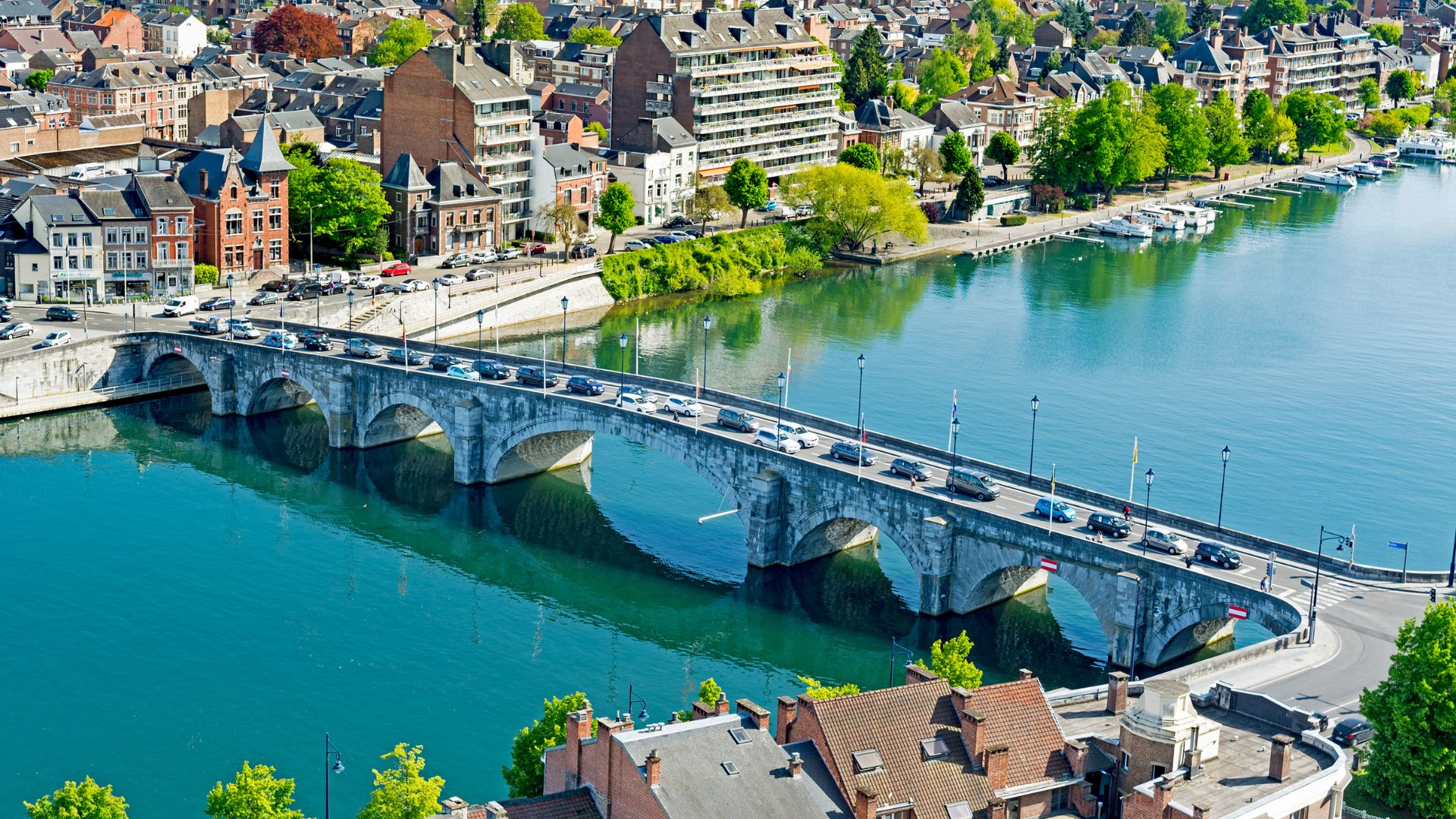
You know what happens when you tell someone you’re planning a European trip? They immediately start listing off Paris, Rome, Barcelona, and London. Don’t get me wrong, these cities are incredible. But the truth is, some of the best European experiences are waiting for you in places you might not have even heard of yet.
Europe is packed with smaller cities that offer everything the famous ones do, just without the massive crowds and eye-watering prices. We’re talking about medieval architecture that rivals anything in Prague, food scenes that compete with Italy’s best, and enough culture to keep you busy for days. The best part? You won’t spend half your vacation standing in queues or fighting for a table at lunch.
Let me walk you through 10 underrated cities in Europe to visit that deserve a spot on your travel list.
Ljubljana, Slovenia
This Slovenian capital feels like someone took all the best parts of a fairytale and made them real. The city center is completely manageable on foot, which means you can actually enjoy it without constantly checking Google Maps or hailing taxis.
The Ljubljanica River cuts through the city, lined with outdoor cafés where you can sip local wine while watching people stroll by. You’ll find a mix of Baroque and Art Nouveau buildings that give the city its distinctive character. Ljubljana Castle sits on a hill overlooking everything, and the views from up there are worth the walk.
What really sets Ljubljana apart is how it feels more like a lively university town than a busy capital. Tivoli Park gives you green space right in the city, and the Central Market is where you should go for fresh Slovenian food. The whole place has this relaxed vibe that makes you want to slow down and actually enjoy yourself.
Plovdiv, Bulgaria
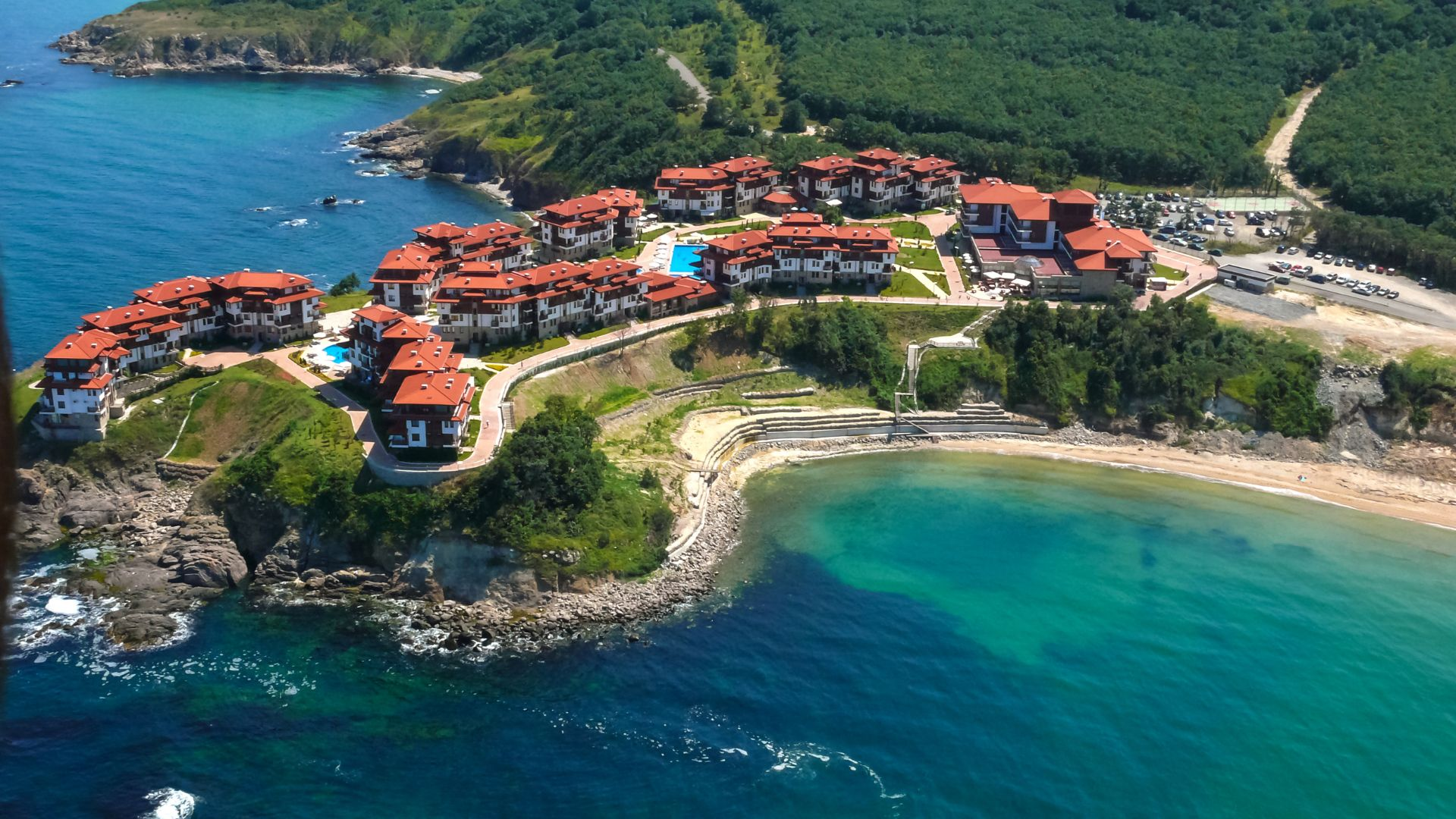 Bulgaria’s second-largest city might not be on everyone’s radar, but it absolutely should be. Plovdiv has been around for ages, and you can see that history everywhere you look.
The old town is ridiculously gorgeous. Cobblestone streets wind between colorful houses, and around every corner there’s another story waiting. The Ancient Roman Theatre of Philippopolis still stands proudly above the city, and when you’re up there looking out, you really get a sense of how much history has happened in this place.
The food and drink scene here is seriously exciting. Local restaurants serve traditional Bulgarian dishes that you won’t find anywhere else, and the prices are refreshingly reasonable. You can eat like royalty without emptying your wallet. Bulgaria recently adopted the euro as its currency and launched a digital nomad visa, which makes 2026 a particularly good time to visit.
Turin, Italy
Everyone flocks to Rome, Florence, and Venice when they think of Italy. Meanwhile, Turin sits quietly in Northern Italy, offering aperitivo culture, stunning architecture, and way fewer tourists.
The city sits where the Po and Dora Riparia rivers meet, which gives it some really scenic views. You can enjoy excellent Piedmont wine at local bars that offer generous spreads during aperitivo hour. The whole experience feels authentically Italian, not like something designed for tourists.
Turin is also significantly more affordable than the bigger Italian cities. You get that Northern Italian charm without the massive crowds or inflated prices. The city has museums, elegant squares, and a food culture that rivals anywhere in the country.
Sarajevo, Bosnia and Herzegovina
Sarajevo is one of those cities that really makes you think. The history here is complex, and taking time to understand it makes the visit so much more meaningful.
You can literally walk from an Ottoman-style bazaar into an Austro-Hungarian district in minutes. Mosques, churches, and synagogues all exist in the old town, telling the story of the city’s diverse cultural past. The mix of architectural styles and religious buildings is unlike anywhere else in Europe.
The food scene is a major highlight. You absolutely have to try ćevapi, which is grilled meat served with flatbread. Local restaurants serve it fresh and hot, and it’s the kind of meal that sticks with you long after you’ve left. Sarajevo gives you a side of Europe that feels completely different from the Western capitals.
Trondheim, Norway
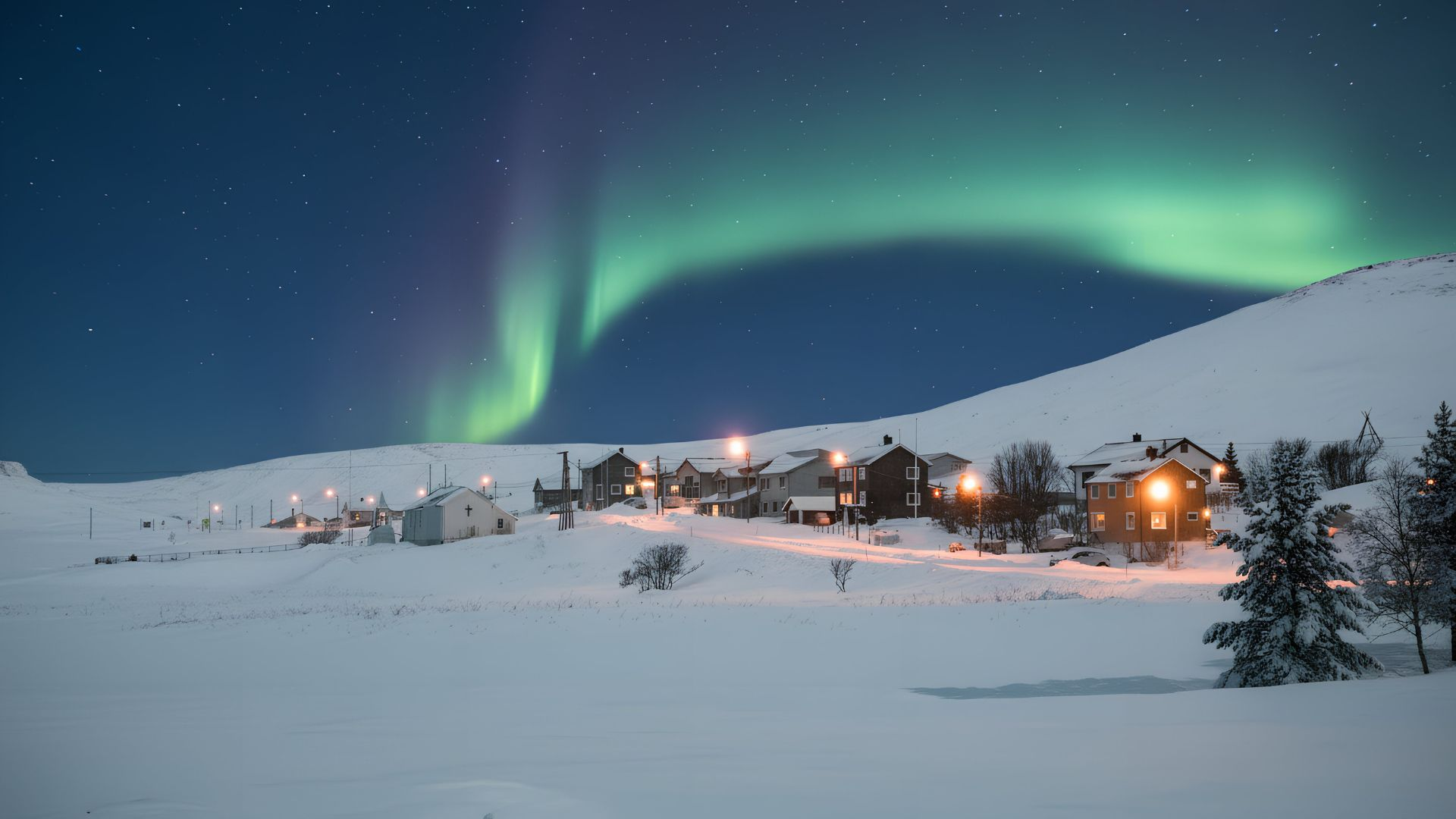 When people think Norway, they usually think Oslo or Bergen. But Trondheim deserves your attention, especially in 2026.
This city has over 1,000 years of history. Nidaros Cathedral is the northernmost medieval church in the world and probably Norway’s most beautiful Gothic building. The Bakklandet area has brightly painted wooden houses and cobblestone streets that look like they came straight out of a postcard.
Along the riverside, you’ll find charming cafés where you can grab hot chocolate and the fluffiest cinnamon buns. Streif is perfect for an afternoon break. If you want something different, Rockheim is an interactive pop and rock museum that’s fun for all ages.
Riga, Latvia
Latvia’s capital city remains one of the most affordable and least crowded European capitals. You can explore the charming Old Town and narrow streets without battling overwhelming tourist crowds.
More than a third of Riga’s central buildings showcase breathtaking Art Nouveau architecture, particularly along Alberta Street. If you love architecture, this alone makes the trip worthwhile. The designs are intricate and beautifully preserved.
The Old Town has everything you want from a medieval European city. Cobblestone streets, historic buildings, and landmarks like the House of the Blackheads and St. Peter’s Church give you plenty to explore. You can spend days here and still find new corners to discover.
Trenčín, Slovakia
This is probably the perfect year to visit Trenčín. The city was crowned European Capital of Culture for 2026, which means cultural events, festivals, exhibitions, and performances throughout the year.
Trenčín feels like it’s stuck in a romantic medieval era. The Old Town is a maze of cobbled lanes lined with colorful townhouses, and perched on a rock above the city is an imposing castle. Sturdy towers, beautiful courtyards, and hidden passageways make exploring the castle feel like an adventure.
The city has about 55,000 residents, so it still feels small and unspoiled. You won’t find the commercialization that’s taken over bigger tourist destinations. Summer months from June to August will be the most intense for cultural programming, but spring and early autumn are ideal if you want to avoid crowds.
Ghent, Belgium
Belgium has plenty of tourist destinations, but Ghent manages to offer all the charm without the chaos. People often call it a boring university town, which couldn’t be further from the truth.
Ghent has the same waterways, cyclists, cobblestones, and classic Belgian architecture as Brussels or Bruges, just without the massive tourist crowds. The city feels calmer and more colorful. You can actually enjoy the canals and medieval buildings without constantly being surrounded by tour groups.
The food here is classic Belgian. Chocolate, waffles, and French fries are all excellent. Local restaurants serve traditional dishes in a relaxed atmosphere. If you enjoyed Amsterdam’s canals but want something smaller and less touristy, Ghent gives you that Dutch-influenced vibe with Belgian character.
Vic, Spain
Tens of millions of tourists descend on Barcelona every year, completely ignoring the wider Catalonia region around it. Vic is a perfectly preserved medieval gem that stays largely free of crowds.
The Old Town has arcaded plazas and Gothic architecture that rivals Barcelona’s Gothic Quarter, but you’ll never see it packed with tourists the same way. Plaça Major is flanked with historic buildings and tapas bars where you can relax and enjoy the atmosphere.
The Roman Temple of Vic dates back to the 2nd century and gives you a taste of ancient history. The Episcopal Museum is one of Spain’s best for Romanesque and Gothic art displays. You get all the cultural richness of a major Spanish city without fighting through crowds at every attraction.
Warsaw, Poland
Warsaw surprised me more than almost any other city on this list. Most people add it to their itinerary just to say they’ve been to Poland’s capital, then rush off to Krakow. But Warsaw deserves more time than that.
The city has this unique blend of history, culture, and modernity that works really well together. The restored Old Town has beautiful buildings around the main square, while the modern business district of Wola shows Poland’s contemporary side with sleek skyscrapers.
What’s fascinating is how harmoniously these different eras exist together. You’ll find world-class museums, theaters, and galleries throughout the city. The arts scene here is thriving. Walking through Warsaw, you get a sense of a city that’s looked its difficult past in the face and built something remarkable for the future.
Why Choose Underrated Cities In Europe to Visit
These underrated cities in Europe to visit share something important. They’re easier to navigate than the major capitals, which means less stress and more actual vacation time. You spend less time in queues and more time exploring.
The cost difference is real too. Accommodation, food, and attractions in these cities typically cost significantly less than in places like Paris or London. Your money goes further, which means you can stay longer or splurge on nicer experiences.
Local culture feels more accessible in smaller cities. Restaurant staff have time to chat, locals are happy to give recommendations, and you get a real sense of what daily life is like. In major tourist cities, everything feels designed for visitors. These underrated cities in Europe to visit still feel like they belong to the people who live there.
The crowds are manageable. You can walk into restaurants without reservations, visit museums without booking months ahead, and actually take photos of landmarks without a hundred people in the background. That alone makes these destinations worth considering.
Planning Your Trip
Spring (April to June) and early autumn (September to October) are perfect times to visit most of these underrated cities in Europe to visit. You get good weather, fewer crowds, and lower prices than peak summer months.
Some of these cities are slightly harder to reach than major capitals, and that’s part of why they stay uncrowded. You might need to take a regional train or rent a car for part of your journey. But the extra effort keeps mass tourism away and preserves the authentic character.
Budget airlines and affordable train connections make getting to these underrated cities in Europe to visit easier than you’d think. Low-cost flights pop up regularly if you’re flexible with dates. Night trains between European cities can save you both time and accommodation costs.
Don’t rush through these places. The best discoveries happen when you stay long enough for the local baker to recognize you or the café owner to remember your coffee order. These cities reward slow travel and genuine curiosity.
Final Thoughts
The underrated cities in Europe to visit on this list offer everything the famous destinations do, just with more breathing room and authenticity. You’ll find incredible architecture, delicious food, rich history, and vibrant culture without the overwhelming crowds.
Europe’s major capitals will always have their appeal. But if you’ve already seen the big attractions, or you’re just looking for something different, these smaller cities deliver memorable experiences that often surpass what you’d find in more famous places.
Next time someone asks about your European travel plans, maybe surprise them. Skip the predictable itinerary and choose a few of these underrated cities in Europe to visit instead. You might discover that the places you’ve never heard of end up being the ones you’ll never forget.