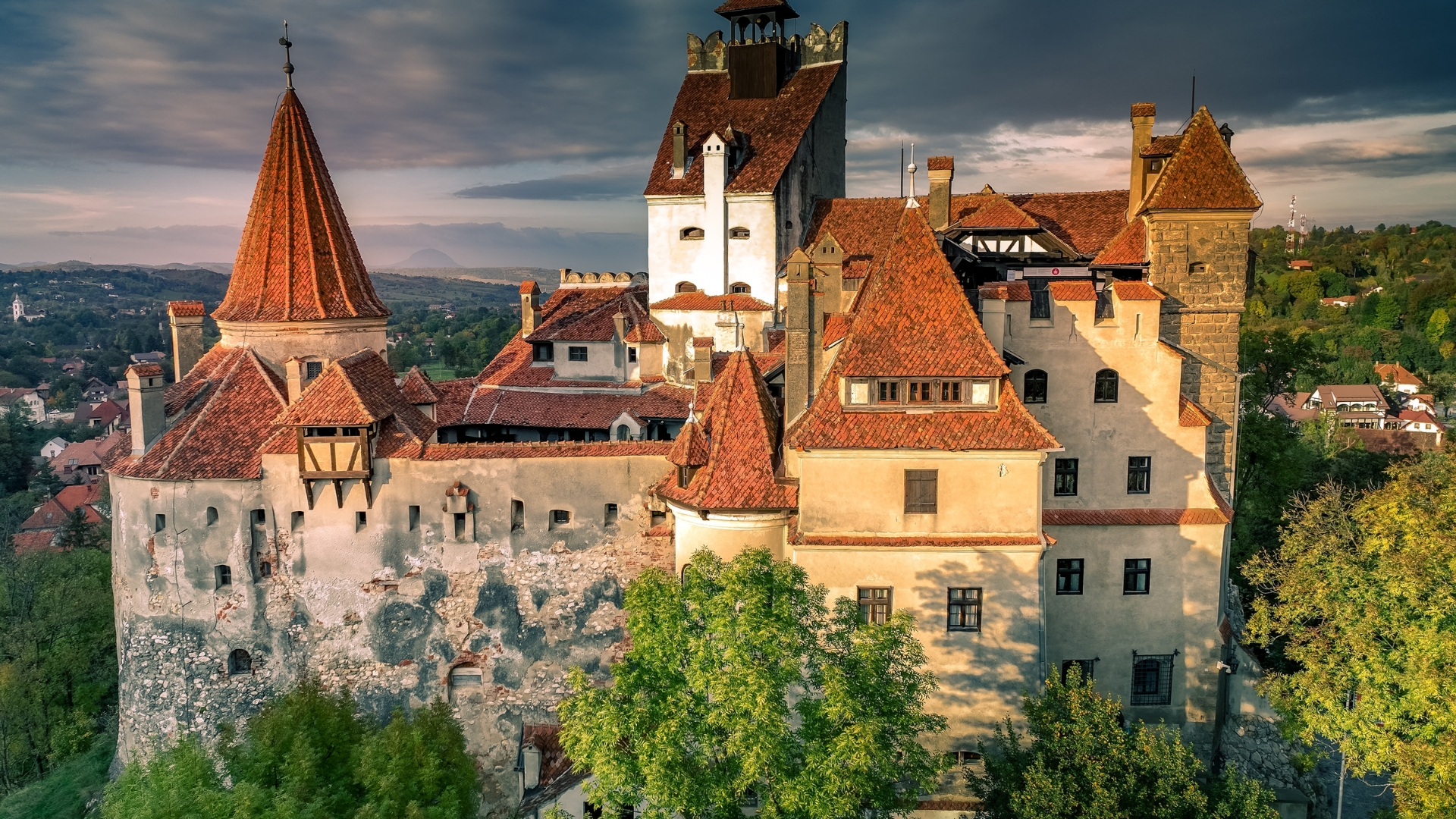
Perched dramatically on a jagged rock face in the heart of the Carpathian Mountains, Bran Castle remains the most iconic silhouette in all of Eastern Europe. For many, it represents the ultimate Gothic fantasy, the physical manifestation of a vampire’s lair that has captivated the world for over a century.
However, as you wind your way through the narrow mountain pass that separates Transylvania from Wallachia, you quickly realise that this fortress is far more than just a prop for a horror novel. In 2026, it stands as a complex monument where centuries of harsh military history, royal elegance, and global folklore collide. Whether you are coming to find the ghost of a count or to admire the legacy of a queen, this guide will help you navigate the truth behind the stones.
The Real History of Bran Castle
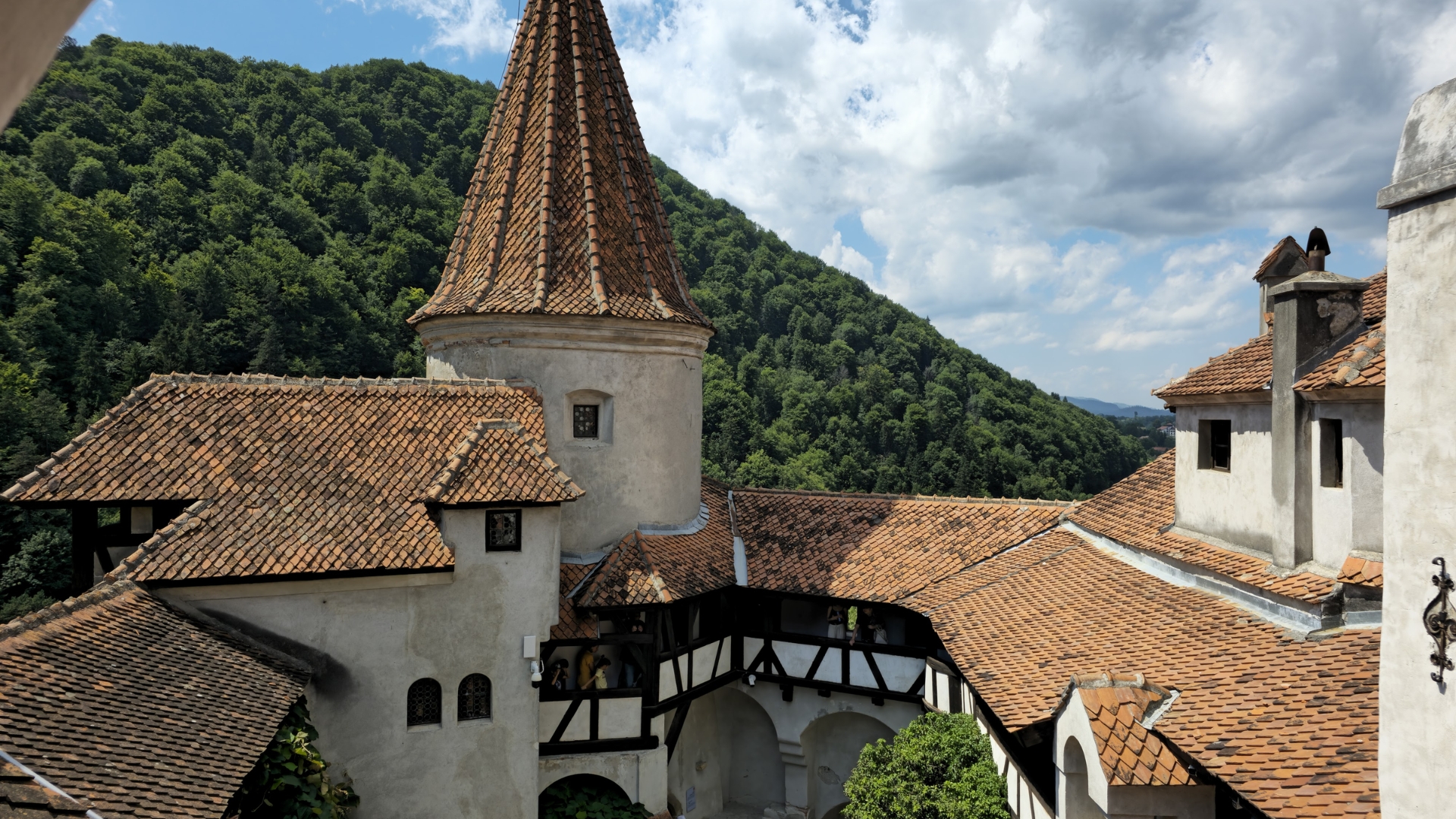 To understand Bran Castle, you have to look past the red capes and plastic fangs sold at the base of the hill. The story actually begins in 1377. The Hungarian King Louis I of Anjou granted the people of Brasov the right to build a stone fortress at their own expense and using their own labour. This wasn’t built for a vampire, but as a vital medieval fortress designed to guard the border. Its position was purely strategic, serving as a customs house and a defensive shield against the expanding Ottoman Empire. For hundreds of years, soldiers stood on these battlements, not looking for monsters, but for invading armies and merchants trying to sneak goods through the mountains without paying taxes.
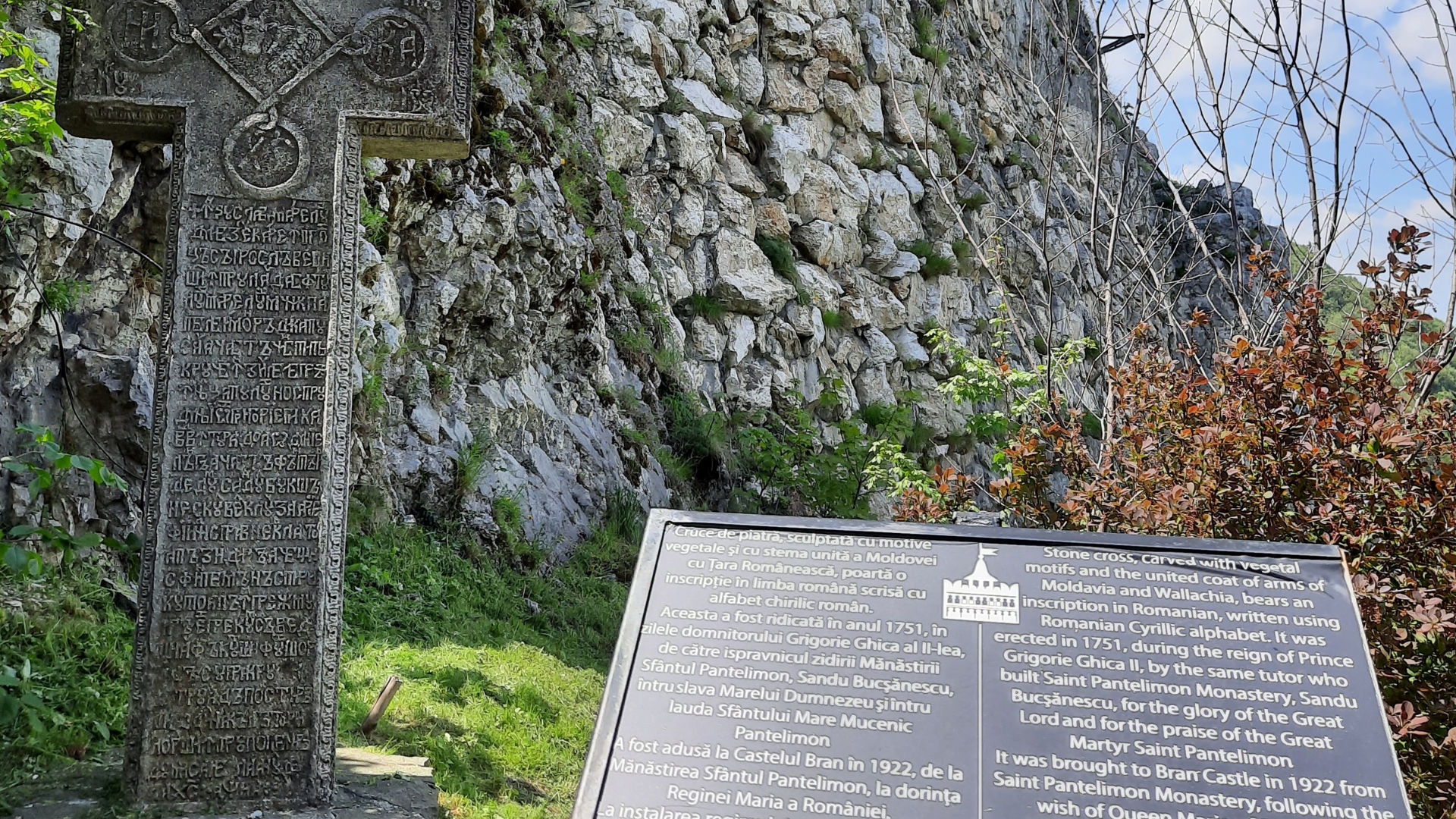 The castle’s history took a much softer turn in the early 20th century. After Transylvania became part of Greater Romania, the city of Brasov gifted the castle to Queen Marie of Romania in 1920. She absolutely loved the place and turned the cold, military outpost into a warm, royal summer residence. She added gardens, a tea house, and even an elevator to connect the castle to the park below. While most people call it Dracula Castle today, the locals often remember it more fondly as the home of their beloved Queen, whose heart was even kept in a chapel nearby for a time. It is this mix of brutal defensive architecture and refined royal comfort that makes the building so unique.
The Dracula Connection – Legend vs Reality
This is where the story gets a bit complicated. If you ask a historian about the Dracula legend, they will tell you that the connection between this building and the fictional Count is almost entirely accidental. Bram Stoker, the Irish author who wrote Dracula, never actually visited Romania. He based his description of the vampire’s home on a vague illustration of Bran Castle that he found in a library. He chose it simply because it looked the part—menacing, isolated, and perched on a cliff.
Then we have the real-life figure often linked to the myth: Vlad the Impaler, known as Vlad Tepes. Vlad was a voivode of Wallachia famous for his gruesome methods of punishing his enemies. While he was a terrifying figure, his actual link to Bran Castle is quite thin. He may have passed through the area, and some records suggest he was imprisoned here for a few days after being captured by the Hungarian King, but it was never his home.
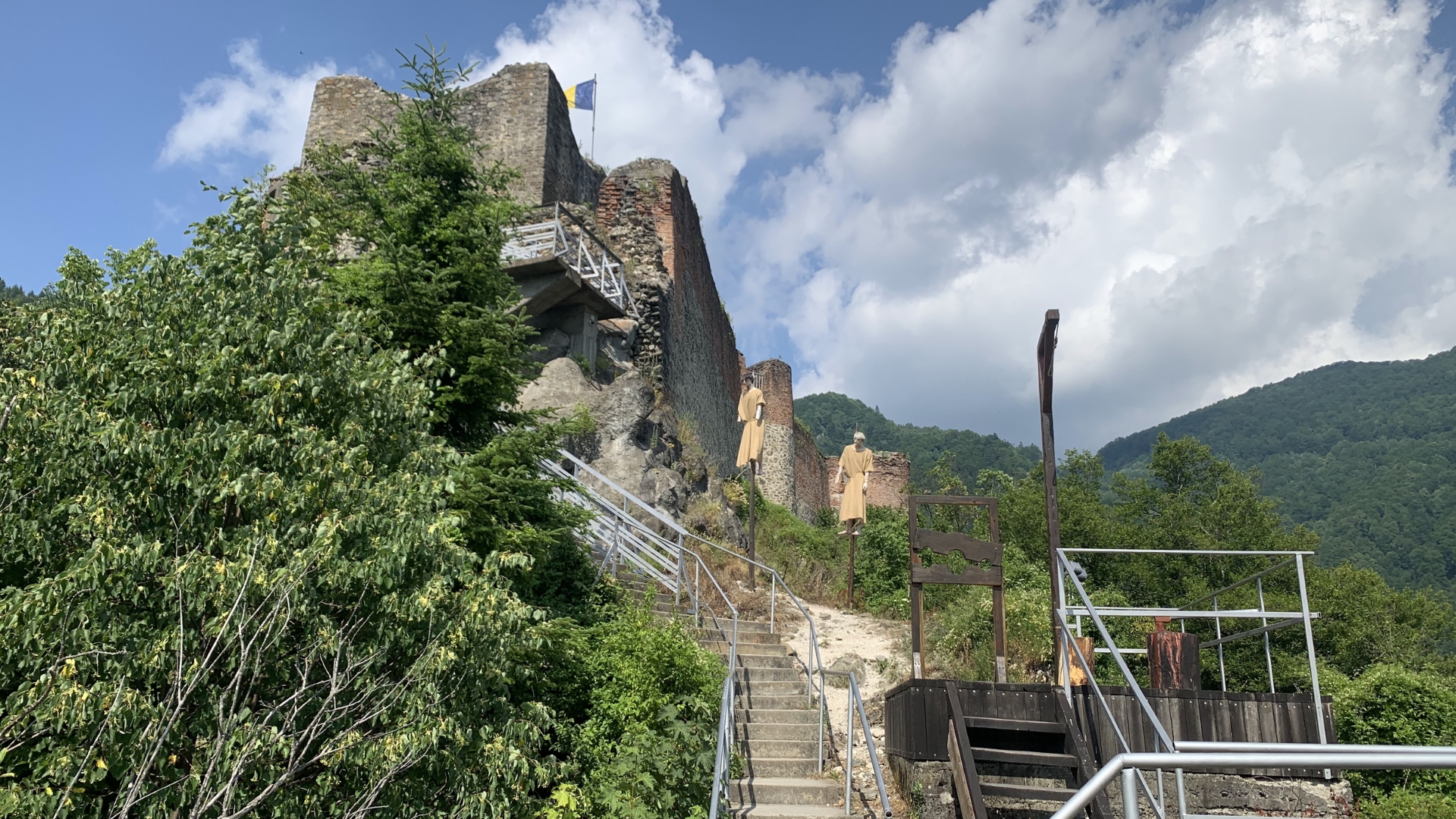 If you want the real Dracula castle in terms of Vlad’s actual residence, you would have to visit the ruins of Poenari Castle, which is much harder to reach and far less intact. The Romanian tourism board eventually leaned into the name Dracula Castle because, let’s be honest, it brings in millions of visitors who want to see the legend come to life.
Inside Bran Castle – What You’ll Actually See
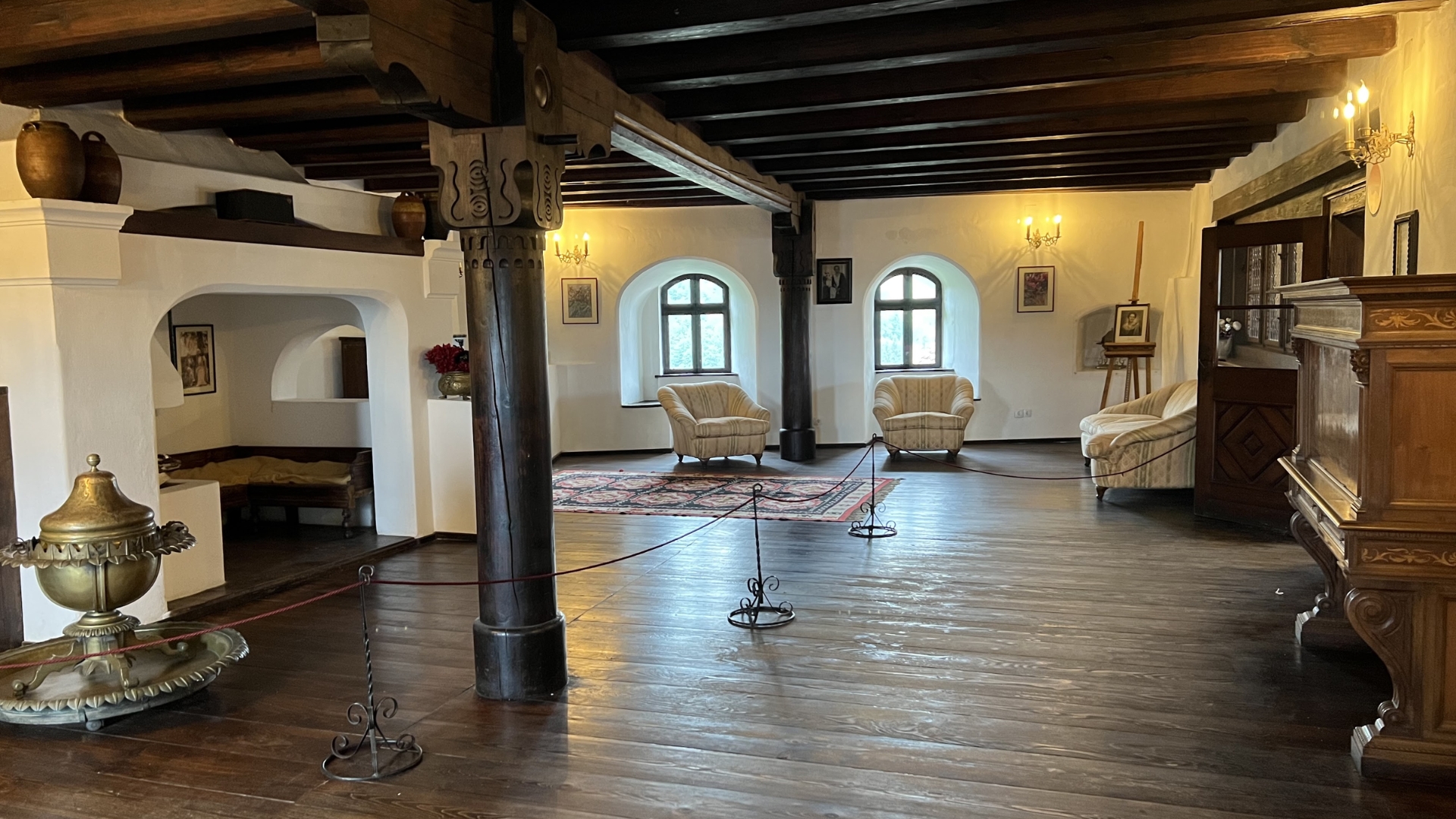 When you step through the heavy wooden doors and begin exploring the Bran Castle interior, you might be surprised by how cosy it feels. Because Queen Marie spent so much time here, the rooms are filled with beautiful carved furniture, traditional Romanian ceramics, and fine tapestries.
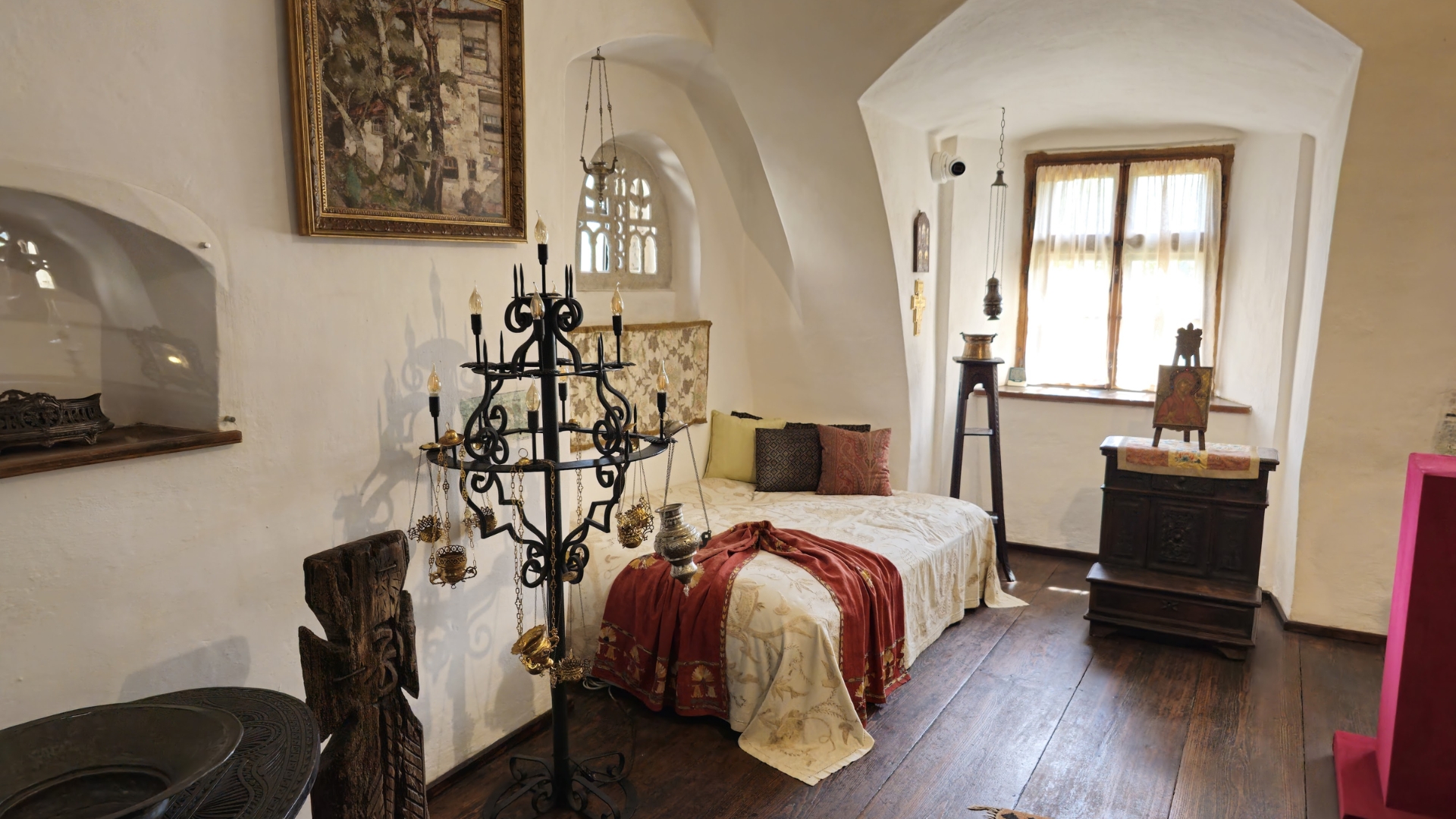
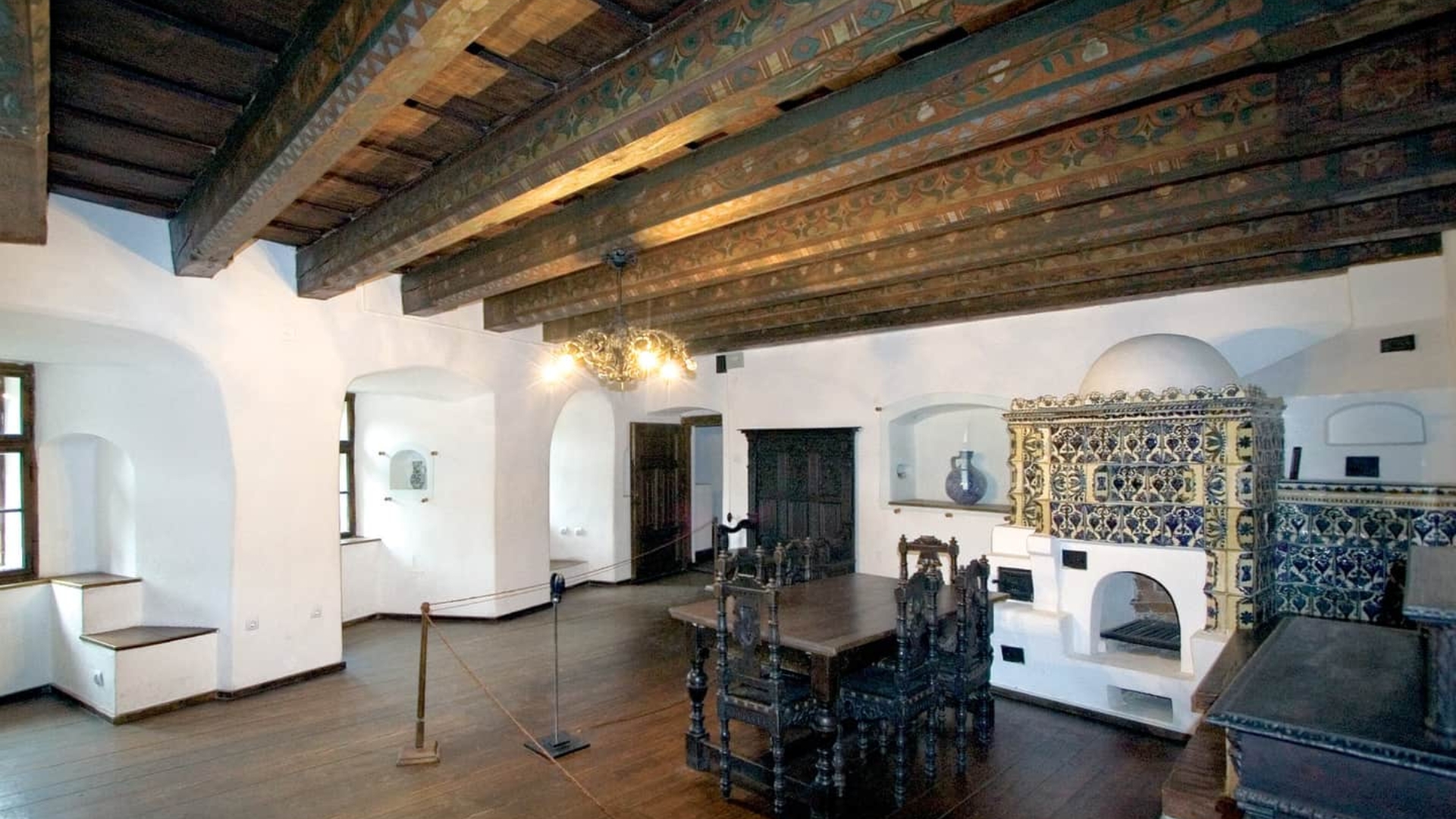 It doesn’t feel like a dusty museum; it feels like a home. You can wander through the narrow staircases and find yourself in the Queen’s bedroom or the King’s dining room, which still hold the original royal collections.
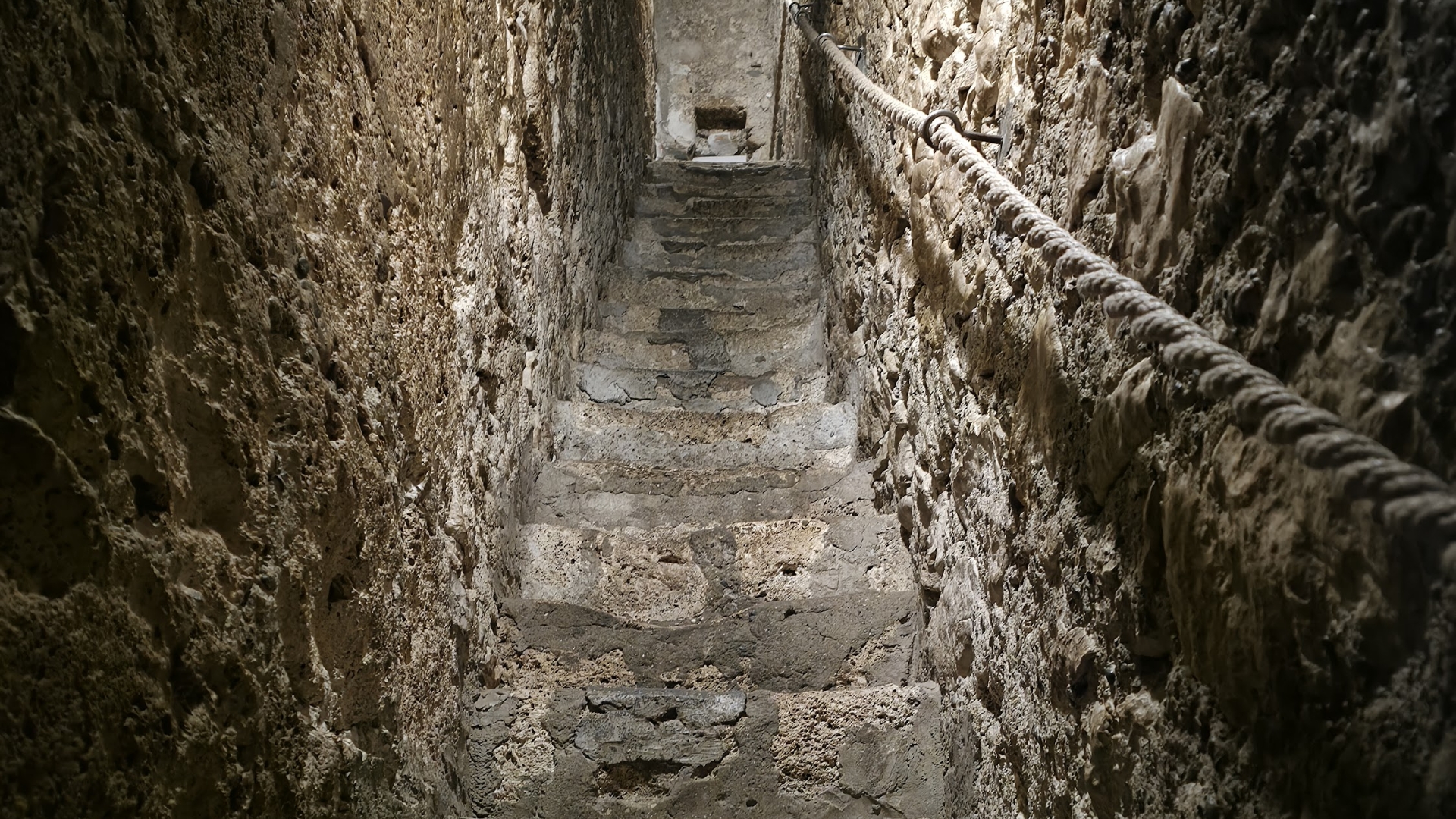 One of the most exciting features is the secret staircase. It’s a very narrow, stone passage that connects the first and third floors. It was hidden behind a fireplace for centuries and was only rediscovered during the renovations in the 1920s.
 As you climb it, you get a real sense of the claustrophobic, defensive nature of the original medieval fortress. There is also a dedicated floor for those who came for the spooks, featuring an exhibition on the history of the Dracula legend and the various monsters of Romanian folklore, known as strigoi. It’s a clever way to acknowledge the myths while keeping the rest of the castle dedicated to its authentic history.
How to Visit Bran Castle in 2026 – Practical Guide
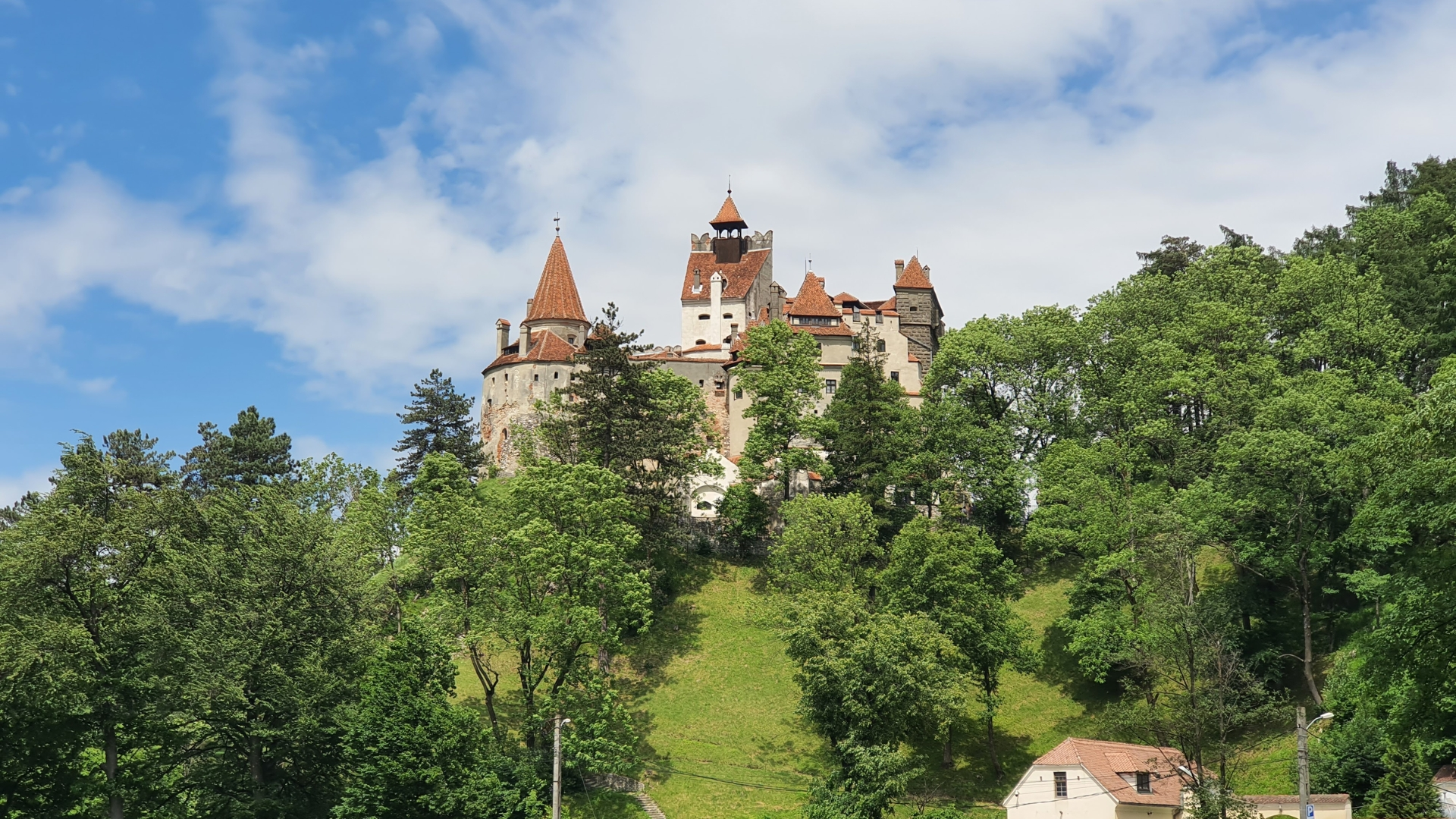 Visiting Bran Castle is a highlight of any Transylvania tour, but it requires a bit of planning if you want to avoid the worst of the crowds. By 2026, the site has become even more popular, so showing up without a plan is a recipe for long queues.
Current ticket prices and opening hours
In 2026, ticket prices for adults sit around 70-80 RON (roughly £12-£14). There are discounts for seniors, students, and children, so make sure you have some ID if you qualify. The castle is usually open from 9:00 AM to 6:00 PM during the high season, though on Mondays, it typically doesn’t open until midday. Always check the official website the night before you go, as private events can sometimes close off certain sections.
Best time to visit Romania’s Bran Castle
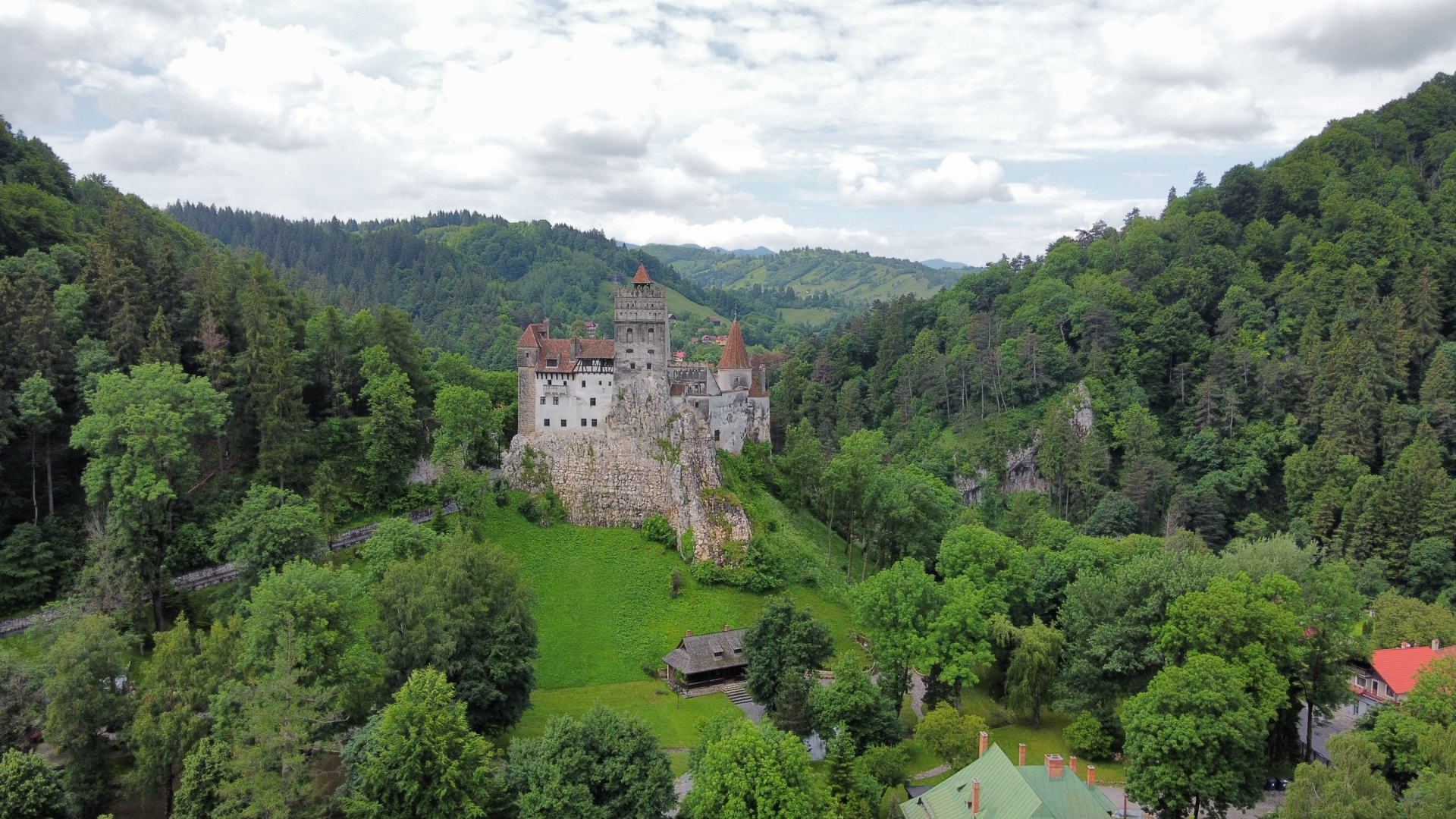 If you want to have a peaceful experience, you need to be there at the gates when they open. By 11:00 AM, the big tour buses from Bucharest start to arrive, and the narrow corridors can feel very cramped. Late afternoon, about two hours before closing, is also a fantastic time to visit. The light hitting the stone walls is perfect for photography, and the day-trippers are usually heading back to their hotels by then.
How to get there from Bucharest or Brasov
Most people use Brasov as their base. From there, it is a very easy 45-minute bus ride or a quick Uber or Bolt. If you are coming from Bucharest, it is a much longer day trip. You can take a train to Brasov and then a bus, but it will take you about three to four hours each way. Many people find it much easier to hire a car or book a guided day trip that includes transport.
Parking and guides
If you’re driving, there are several paid parking lots at the base of the hill. Avoid the “street parking” offers from locals and stick to the official lots for peace of mind. Audio guides are available in multiple languages and are well worth the small extra fee, as the signage inside the castle can be a bit sparse.
Photography and best spots of Romania’s Bran Castle
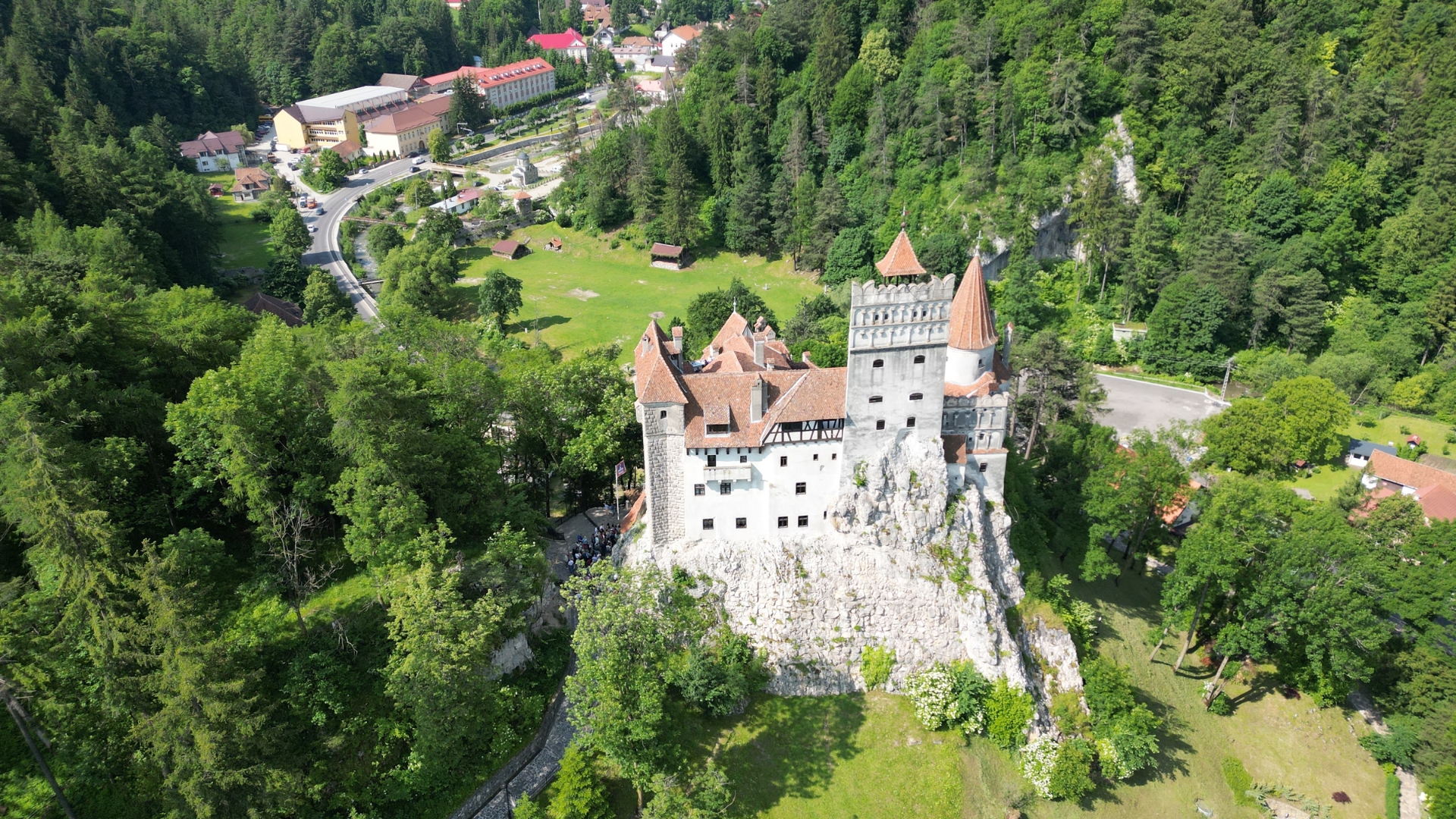 Photography is allowed for personal use, but don’t bring a tripod unless you want to pay a hefty professional fee. The best photo spot is actually from the park below the castle or from the “Royal Meadow,” where you can get the full scale of the fortress against the mountains.
Combining your trip
Don’t just visit Bran and leave. You can easily make a full day of it by stopping at Rasnov Fortress, which is just ten minutes away. If you have a car, Peles Castle in Sinaia is about an hour’s drive and offers a completely different, much more lavish neo-Renaissance vibe.
Bran Castle vs Other Transylvania Castles
Is it the best castle in Romania? That depends on what you want. Bran Castle is the most famous because of the Dracula legend, and its cliffside location is unbeatable. However, if you want pure architectural opulence, Peles Castle is far more impressive on the inside.
If you want a massive, “Lord of the Rings” style medieval fortress, Corvin Castle in Hunedoara is much larger and more intimidating. And, as mentioned, for the die-hard Vlad the Impaler fans, Poenari Castle is the only one with a direct physical link to his life. Bran is the “all-rounder”—it has the looks, the lore, and the royal history all in one place.
Frequently Asked Questions (FAQs)
Is Bran Castle really Dracula’s castle?
In the world of fiction, yes. In history, no. It is the castle that fits the description in the book, but the character of Dracula is a vampire, and the real Vlad Tepes only spent a very short time here, likely as a prisoner.
Is it worth visiting Bran Castle if I’m not into Dracula?
Absolutely. The link to Queen Marie and the medieval architecture are fascinating on their own. The views of the surrounding mountains from the castle balconies are worth the entry price alone.
How long do I need at Bran Castle?
About two hours is plenty for the interior and the secret passages. Add another hour if you want to explore the traditional village museum at the base of the hill or browse the markets.
Are there any secret rooms or hidden passages?
Yes! The hidden stone staircase is the main one, but the castle is full of small nooks, crannies, and narrow corridors that were designed to help soldiers move quickly during an attack.
Wrapping Up…
Visiting Bran Castle is a bit like stepping into a storybook where the pages have been rewritten several times. It began as a harsh border post, became a royal sanctuary, and eventually evolved into a global symbol of the macabre. While the Dracula legend might be the thing that gets you through the gates, it is the authentic history of the people who lived and fought here that will likely stay with you. In 2026, the fortress remains as captivating as ever, standing tall against the Transylvanian sky. Whether you’re a history buff or a fan of the supernatural, standing on that balcony and looking out over the mountain pass is a moment you won’t soon forget.