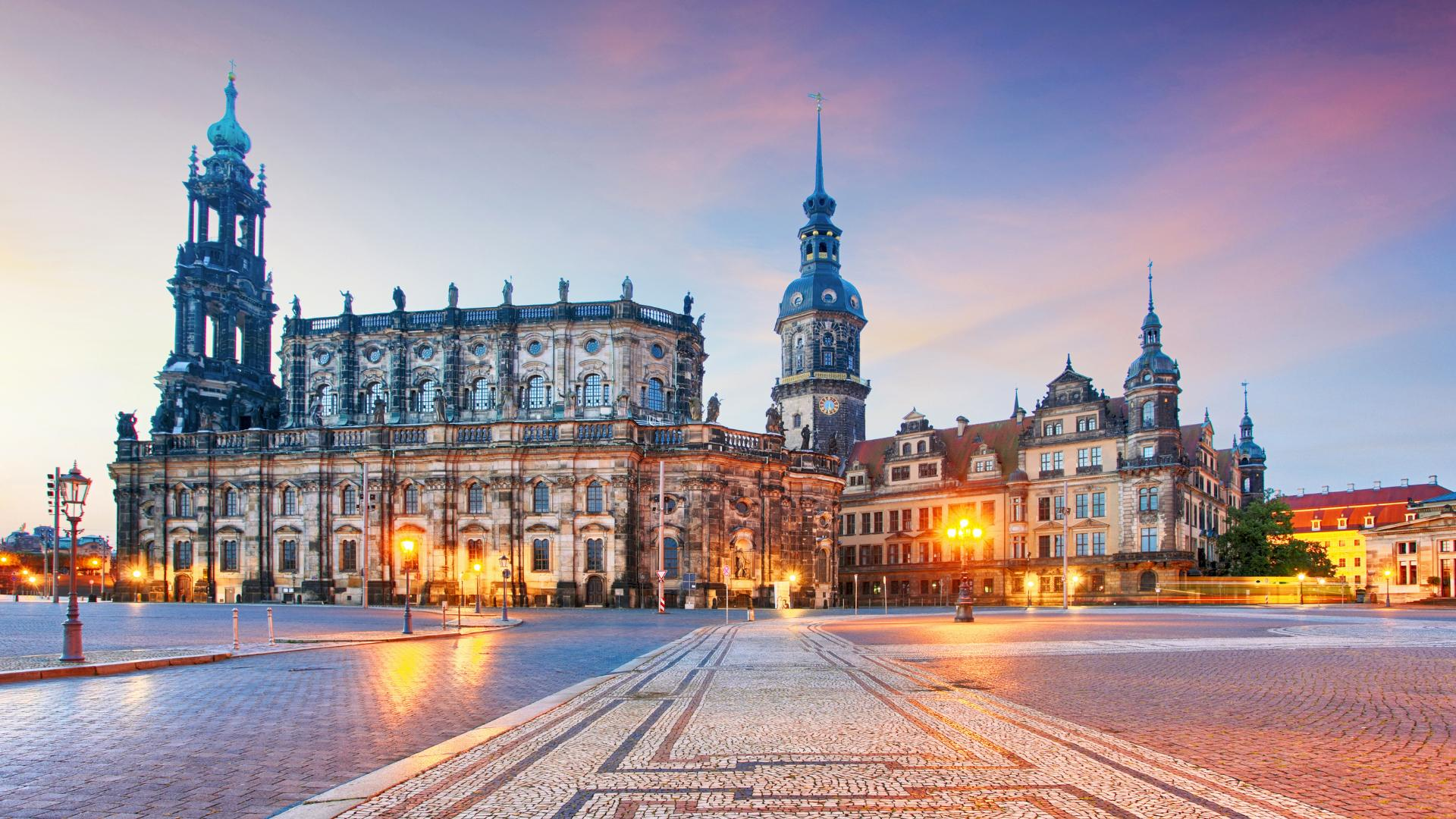
Europe has always carried a quiet authority when it comes to culture. Walk through any old square, sit inside a small museum, or listen to a local story, and you feel centuries of life layered beneath the present day.
That depth is why the best European destinations for culture lovers continue to attract travellers who want more than views and photos. Culture here is not staged. It lives in streets, cafés, rituals, and everyday routines.
In this guide, I am speaking directly to you as someone who values meaning over speed. You will discover places where history, art, and local life connect naturally. These European cultural destinations are not just impressive, they feel lived in, and that is what makes them unforgettable.
What Makes a European Destination Perfect for Culture Lovers
History, Heritage, and Architecture
Culture starts with stories, and Europe tells them through stone, streets, and skyline. Cities here grew slowly, shaped by empires, faiths, revolutions, and everyday people. When you walk through old quarters, history does not sit behind glass. It surrounds you. The best european destinations for culture lovers allow you to feel time layered rather than frozen. Architecture becomes a language, one that explains how people lived, worshipped, governed, and dreamed.
Museums, Art, and Creative Identity
Art in Europe is not limited to galleries, yet museums remain essential. They hold context. They explain why a city thinks the way it does. From classical sculpture to modern expression, european cultural destinations reveal how creativity evolves alongside society. Art here feels personal. It connects to philosophy, politics, and daily life, which is why culture lovers never feel detached from it.
Traditions, Festivals, and Local Life
Culture becomes real when you witness how people celebrate, mourn, and gather. Festivals, music, food traditions, and neighbourhood rituals define identity. The best european destinations for culture lovers offer access to local life, not just highlights. When culture blends into routine, travel feels richer and more honest.
5 Best European Destinations For Culture Lovers
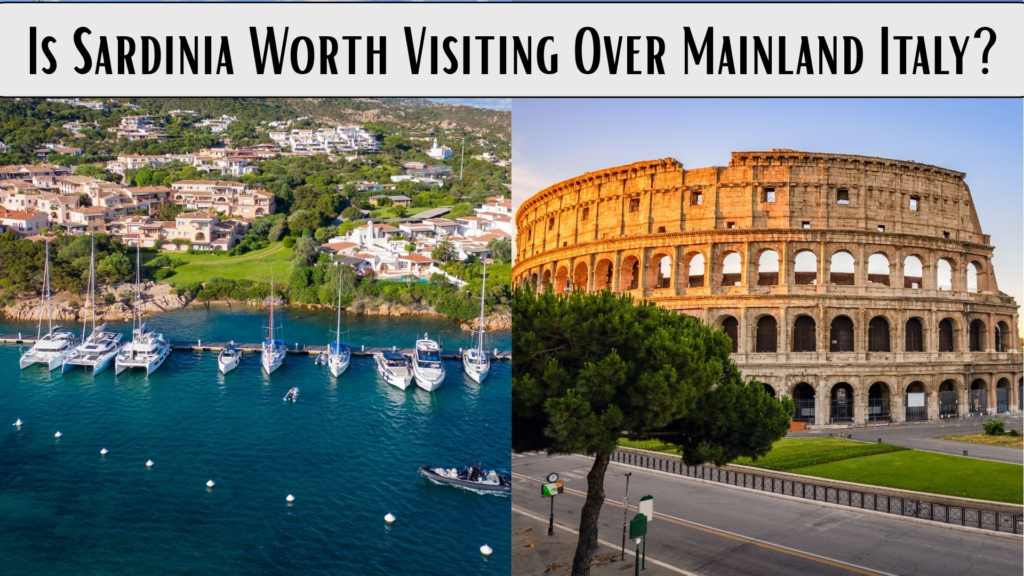
Rome, Italy – A Living Open Air Museum
 Rome presents an almost overwhelming concentration of cultural significance spanning nearly three millennia of continuous habitation. The city functions as multiple destinations layered on top of each other, with ancient Roman ruins sharing space with Renaissance churches and Baroque fountains, all operating within a thoroughly modern European capital. You literally cannot walk through central Rome without encountering significant historical and artistic treasures, from the Colosseum and Roman Forum to countless churches housing works by Caravaggio, Bernini, and other masters.
What makes Rome exceptional among the best European destinations for culture lovers is how these monuments exist as part of daily life rather than cordoned off attractions. Locals cross ancient bridges on their morning commute, meet friends in plazas designed by Renaissance architects, and grab lunch at restaurants built into structures that predate Christianity. The Vatican Museums alone could occupy weeks of focused study, containing one of the world’s great art collections culminating in Michelangelo’s Sistine Chapel ceiling. The city’s traditions from Catholic rituals to food culture maintain strong connections to their historical roots while adapting to contemporary contexts.
The challenge with Rome is that its fame brings overwhelming crowds, particularly during summer and around major holidays. The infrastructure sometimes struggles to manage the volume of visitors, and tourist focused businesses can diminish the authenticity of certain areas. However, Rome’s sheer scale means you can still find quieter neighbourhoods where local culture predominates, and even the most famous sites reward patient exploration when you look beyond the obvious highlights.
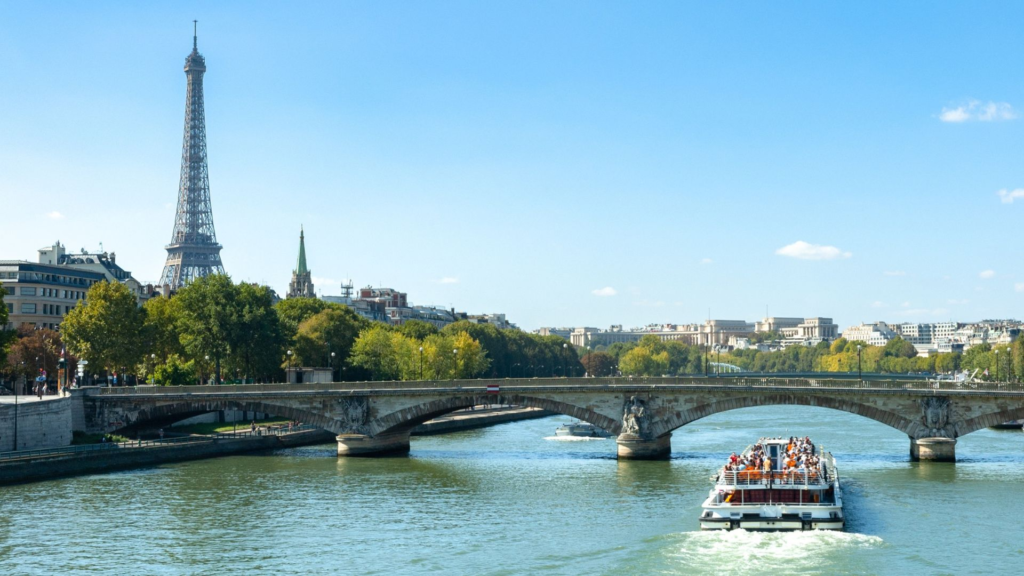
Paris, France – Art, Literature, and Timeless Elegance
 Paris has shaped Western culture so profoundly that we sometimes forget how remarkable its artistic concentration actually is. The Louvre would be the greatest museum in most countries, yet Paris also contains the Musée d’Orsay with its unmatched Impressionist collection, the Rodin Museum, the Pompidou Centre for modern art, and dozens of smaller but significant institutions. The city’s architecture maintains extraordinary coherence thanks to careful planning, creating streetscapes that influenced urban design worldwide.
Beyond the museums and monuments, Paris developed as a centre for literature, philosophy, and intellectual exchange that continues today. The cafés where existentialists debated still operate, serving coffee at the same marble tables where Sartre and Beauvoir spent their afternoons. The city’s bookshops, particularly the famous Shakespeare and Company, maintain literary traditions while supporting contemporary writers. Fashion, cinema, gastronomy, and numerous other cultural expressions have Parisian roots or found their highest development here.
Paris exemplifies how European cultural destinations can balance preservation with innovation. Classical music thrives in venues like the Opéra Garnier while experimental performances fill contemporary spaces. Traditional bistros serve cuisine perfected over generations while innovative chefs push boundaries at the cutting edge. This conversation between old and new creates cultural vitality rather than a stale museum atmosphere. The cost of experiencing Paris has risen substantially, with museum tickets around £15, meals easily exceeding £20, and accommodation prices among Europe’s highest. However, many churches with extraordinary art remain free to enter, and simply walking the streets provides constant cultural enrichment.
Vienna, Austria – Music, Palaces, and Imperial Culture
Vienna’s cultural identity centres on its imperial past and particularly its musical heritage as the home of Mozart, Beethoven, Brahms, and the Strauss family. The city takes classical music seriously in ways few places can match, with world class venues including the Staatsoper and the Musikverein providing performances nearly every night. The architecture reflects Habsburg imperial grandeur, from the massive Hofburg palace complex to the ornate Schönbrunn summer residence, all preserved in remarkable condition.
The museum quarter contains several major institutions including the Kunsthistorisches Museum with its outstanding collection of Old Masters. Viennese café culture represents another significant cultural tradition, with grand coffee houses maintaining rituals around specific coffee preparations and providing spaces where people spend hours reading newspapers and socialising. The city’s dedication to preserving traditions while maintaining relevance makes it stand out among cultural cities in Europe.
Vienna’s formality can feel stuffy compared to more relaxed southern European cities, and the focus on high culture sometimes overshadows contemporary creativity. However, the emerging areas like the Museumsquartier show how the city is adapting while maintaining its cultural standards. The city remains more affordable than Paris or London, with quality accommodation available from £80 per night and excellent meals for £15 to £25.
Athens, Greece – The Birthplace of Western Civilisation
 Athens holds unique status as the source of so many ideas and institutions that define Western culture. Democracy, philosophy, theatre, and countless other foundations of European civilisation originated here, and the physical remains of ancient Athens still dominate the modern city. The Acropolis and Parthenon represent pinnacles of classical architecture, while the Ancient Agora shows where Socrates walked and taught. The National Archaeological Museum contains treasures that trace Greek culture from prehistory through the Byzantine era.
Modern Athens blends this extraordinary heritage with vibrant contemporary culture that tourists sometimes overlook. The city’s neighbourhood culture remains thoroughly Greek, with tavernas, kafenions, and social patterns that maintain traditional character. Street art has exploded across formerly downtrodden areas, creating an contemporary artistic layer that dialogues with the ancient past. The prices in Athens remain among the most reasonable of major European cultural destinations, with museum entry around £10, meals from £12, and accommodation widely available under £60 per night.
The city’s infrastructure and appearance can feel rough around the edges, with graffiti and unfinished construction visible in many areas. However, this lived in quality makes Athens feel like a real city rather than a preserved theme park, and the accessibility of ancient sites integrated into modern neighbourhoods creates unique opportunities for experiencing how past and present coexist.
Florence, Italy – Renaissance Art at Its Finest
Florence functions as a shrine to Renaissance art and humanism, the place where Michelangelo, Leonardo da Vinci, Botticelli, and Donatello created works that defined an entire era. The Uffizi Gallery contains perhaps the world’s finest Renaissance collection, while the Accademia houses Michelangelo’s David. The architecture throughout the historic centre comes from Renaissance masters, with Brunelleschi’s dome on the Duomo representing an engineering and artistic triumph that still astounds.
What makes Florence exceptional among art and culture destinations in Europe is the concentration and quality of its cultural heritage within a compact, walkable area. You can experience masterpiece after masterpiece without the geographic spread that characterises larger cities. The Tuscan context enriches the experience, with food culture, wine traditions, and the surrounding landscape all contributing to a cohesive cultural identity.
The tourist crowds in Florence can be intense, particularly around major sites like the Duomo and Uffizi where queues extend for hours during peak season. The small historic centre means there’s less room to escape into local neighbourhoods compared to Rome or Paris. Advance booking for major museums is essential, and prices for everything from accommodation to meals reflect the high demand. Despite these challenges, Florence rewards culture focused visitors with unmatched artistic density and beauty.
Underrated European Cultural Cities Worth Exploring
Kraków, Poland – Preserved History and Deep Traditions
Kraków feels quietly proud. Its old town remains remarkably intact, offering insight into medieval Europe without reconstruction. Traditions hold strong here. Music, religion, and daily rituals continue naturally.
Kraków proves that European cultural destinations do not need fame to feel meaningful. As one of the European cities rich in history, it offers authenticity rather than spectacle. Culture here feels personal, shaped by resilience and memory.
Porto, Portugal – Cultural Heritage Beyond Lisbon
Porto lives by the river, shaped by trade, craft, and community. Its architecture feels weathered yet expressive. Wine culture reflects patience and tradition. Local life unfolds slowly, allowing visitors to observe rather than rush.
Porto earns recognition among the Best European destinations for culture lovers who want depth without crowds. Culture flows through conversation, food, and craftsmanship, making it one of the best cities in Europe for culture beyond the obvious choices.
Seville, Spain – Flamenco, Festivals, and Moorish Influence
Seville expresses culture through movement and sound. Flamenco tells stories of identity and emotion. Festivals transform the city into shared celebration. Moorish architecture reveals historical layers that still influence modern life.
Seville stands as one of the most expressive Cultural cities in Europe. Its traditions remain active, not archived. This energy makes it a standout among European cultural destinations rooted in emotion and rhythm.
Best Time to Visit Europe for Cultural Travel
Timing shapes cultural experience. Spring and autumn allow festivals without crowds. Summer offers celebrations but demands patience. Winter reveals quieter routines, where daily life feels most authentic. For culture focused travel, avoiding peak seasons often deepens connection.
Understanding cultural calendars helps travellers experience Culture Europe beyond surface level. Local events, religious holidays, and seasonal traditions add meaning that guidebooks often overlook.
Tips for Planning a Culture Focused European Trip
- Start with intention. Choose destinations based on interests rather than popularity. Music lovers may prefer Vienna.
- Art lovers may lean toward Florence or Paris. History enthusiasts often connect deeply with Athens or Rome.
- Slow travel allows culture to settle. Spending more time in fewer cities reveals patterns, habits, and routines.
- Budget planning becomes easier, too. Many museums offer free days. Local food costs less than tourist dining. Cultural travel does not require luxury. Some of the richest experiences come from simple moments.
Balancing multiple cities works best when connections feel logical. Trains support thoughtful itineraries across European cultural destinations without exhaustion.
Why Europe Is a Dream Destination for Culture Lovers
Europe concentrates diversity into a small region. Languages, traditions, and histories change quickly across borders. This density allows deep exploration without long travel.
The balance between old traditions and modern creativity defines European Culture. Cities preserve history while encouraging new expression. That harmony explains why the Best European destinations for culture lovers continue to inspire travellers who seek meaning over motion.
Wrapping Up…
Culture in Europe does not ask for attention. It reveals itself gradually, through places, people, and routines. The Best European destinations for culture lovers offer more than attractions. They offer connection. From iconic capitals to underrated cities, each destination carries its own voice.
Exploring European cultural destinations invites you to listen rather than rush. When you travel with curiosity and patience, Europe rewards you with depth, perspective, and understanding. That is the quiet power of Cultural Europe, and that is why culture lovers return, again and again.