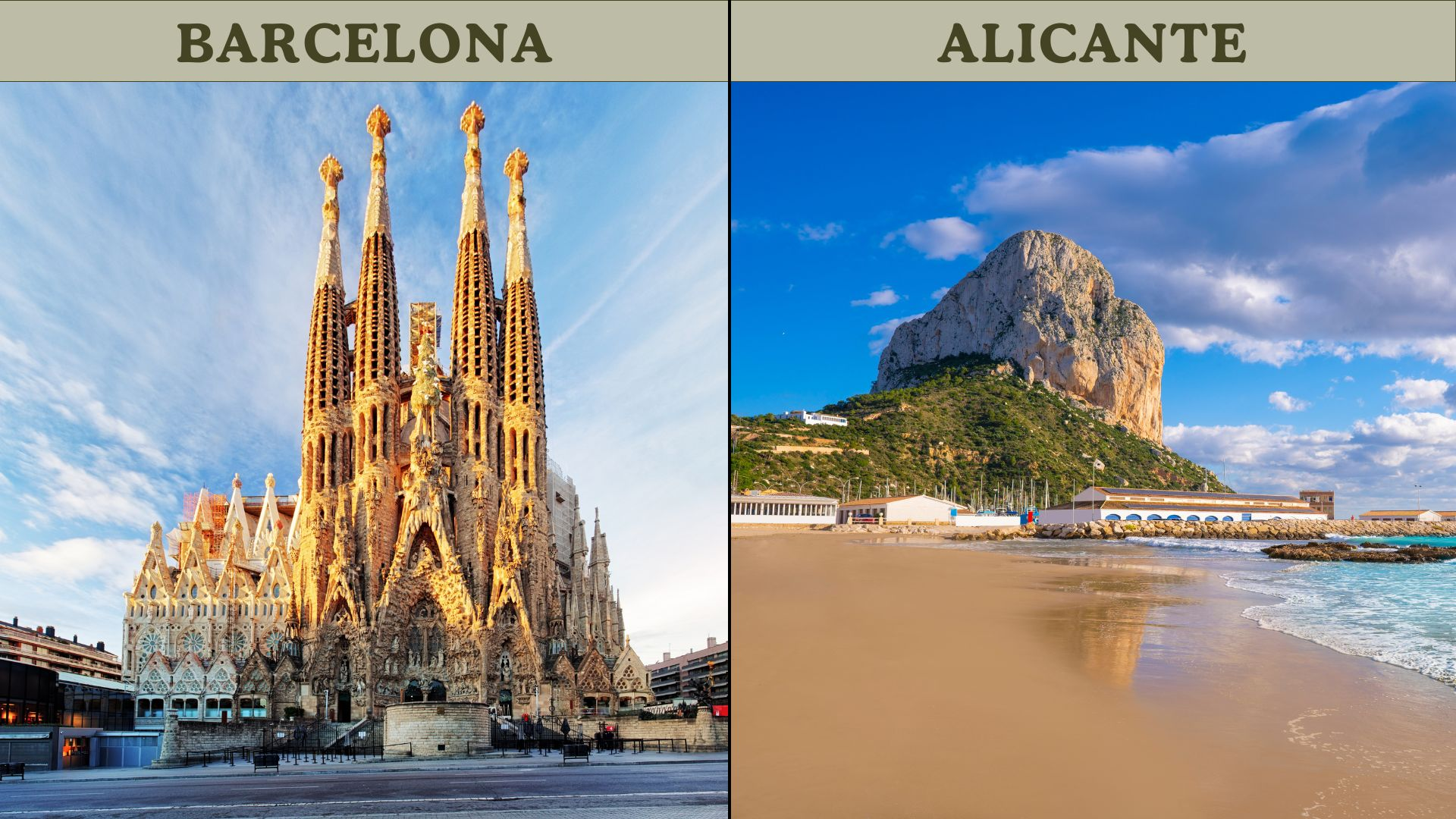
Choosing between Alicante and Barcelona for your Spanish holiday can feel overwhelming. Both cities offer Mediterranean charm, excellent food, and year round sunshine, though they do deliver completely different experiences.
Barcelona dazzles with Gaudí architecture, world class museums, and cosmopolitan energy. On the contrary, Alicante provides relaxed beach living, authentic Spanish culture, and smaller crowds. The question of Alicante or Barcelona depends entirely on what you want from your trip.
I have spent considerable time in both cities, and each has earned a special place in my travel memories for different reasons. Understanding what sets them apart helps you make the right choice for your next holiday. So, keep scrolling and get to a number of differences between Alicante and Barcelona, and make a good decision.
Overview of Alicante vs Barcelona
Key Highlights of Alicante
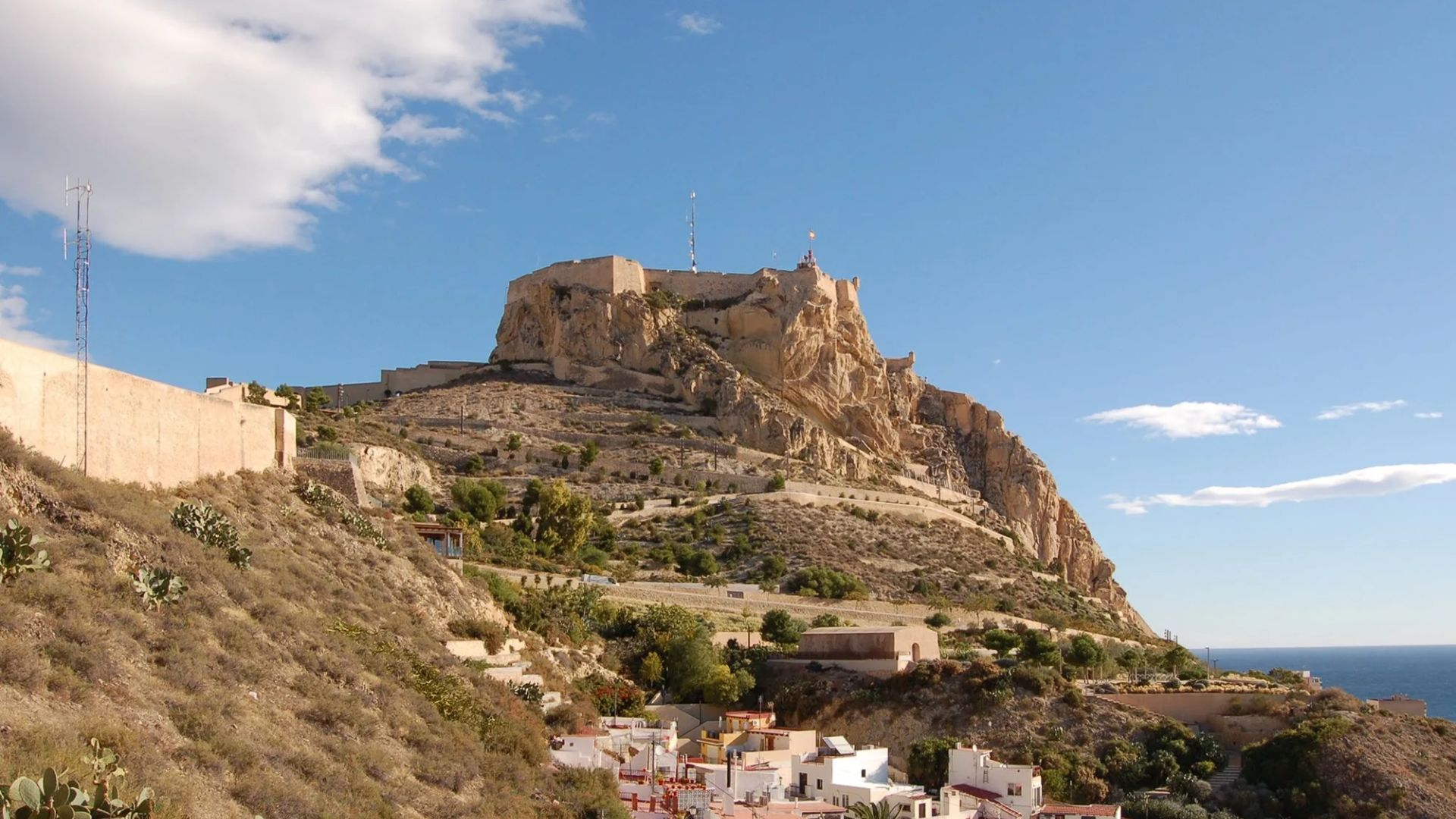
Alicante sits on Spain’s Costa Blanca and offers a more laid back Mediterranean experience. The city blends beach relaxation with authentic Spanish culture. Castle de Santa Bárbara overlooks the harbour, and this could in turn let you soak in stunning views and historical context.
The Explanada de España promenade invites evening strolls along perfectly maintained marble pathways. Tabarca Island makes an easy day trip for snorkelling and seafood. The city maintains traditional Spanish rhythms with late dinners, afternoon siestas, and festivals that feel genuine rather than tourist focused.
Key Highlights Of Barcelona
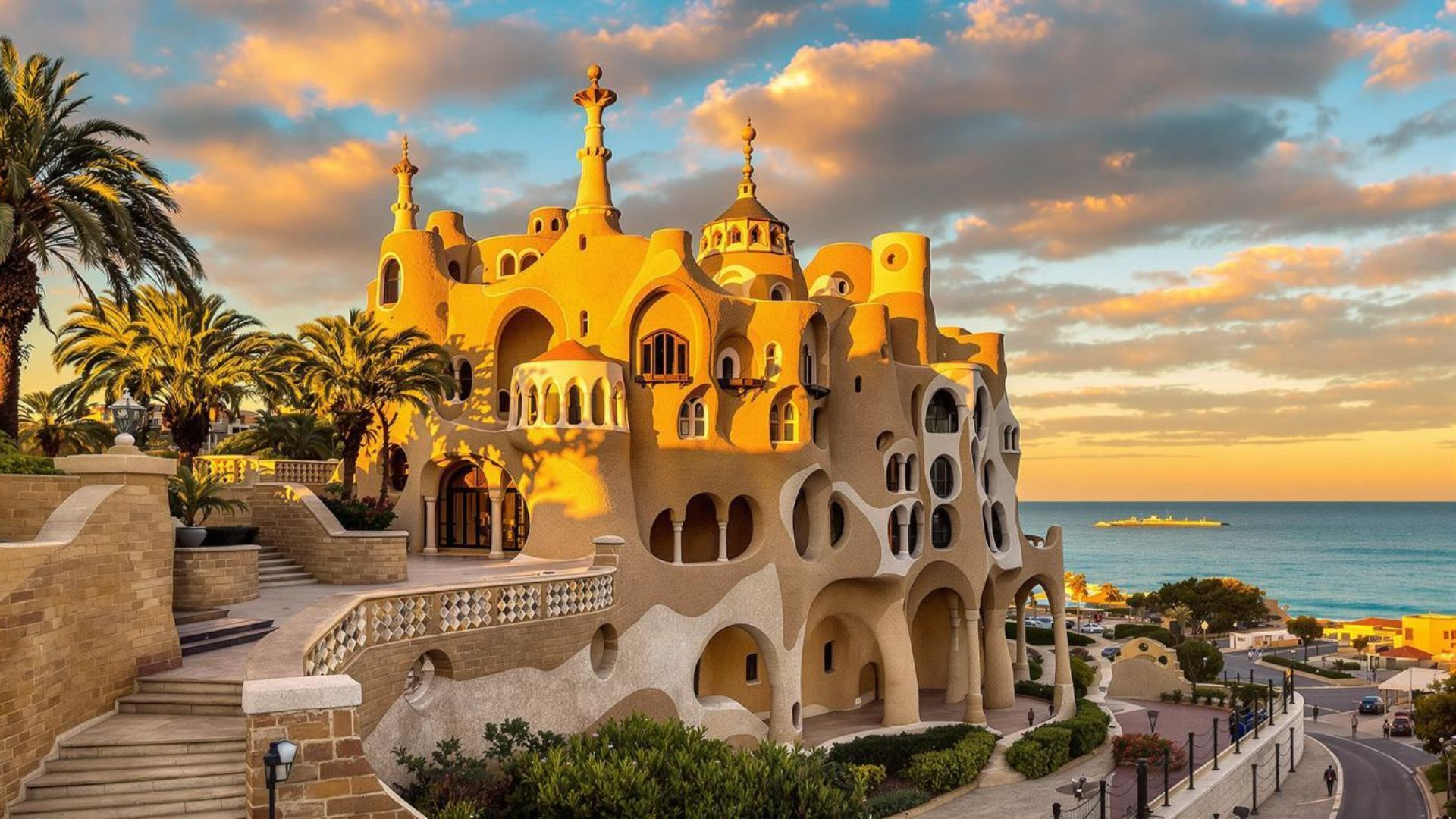
Barcelona stands as Catalunya’s capital and Spain’s second largest city. Antoni Gaudí’s architectural masterpieces, including Sagrada Família and Park Güell, draw millions annually. The Gothic Quarter preserves medieval streets and Roman ruins. World class museums like the Picasso Museum and MACBA showcase art from classical to contemporary. The city balances historical preservation with modern innovation, creating a dynamic urban environment that never stops evolving.
Alicante vs Barcelona – Beaches
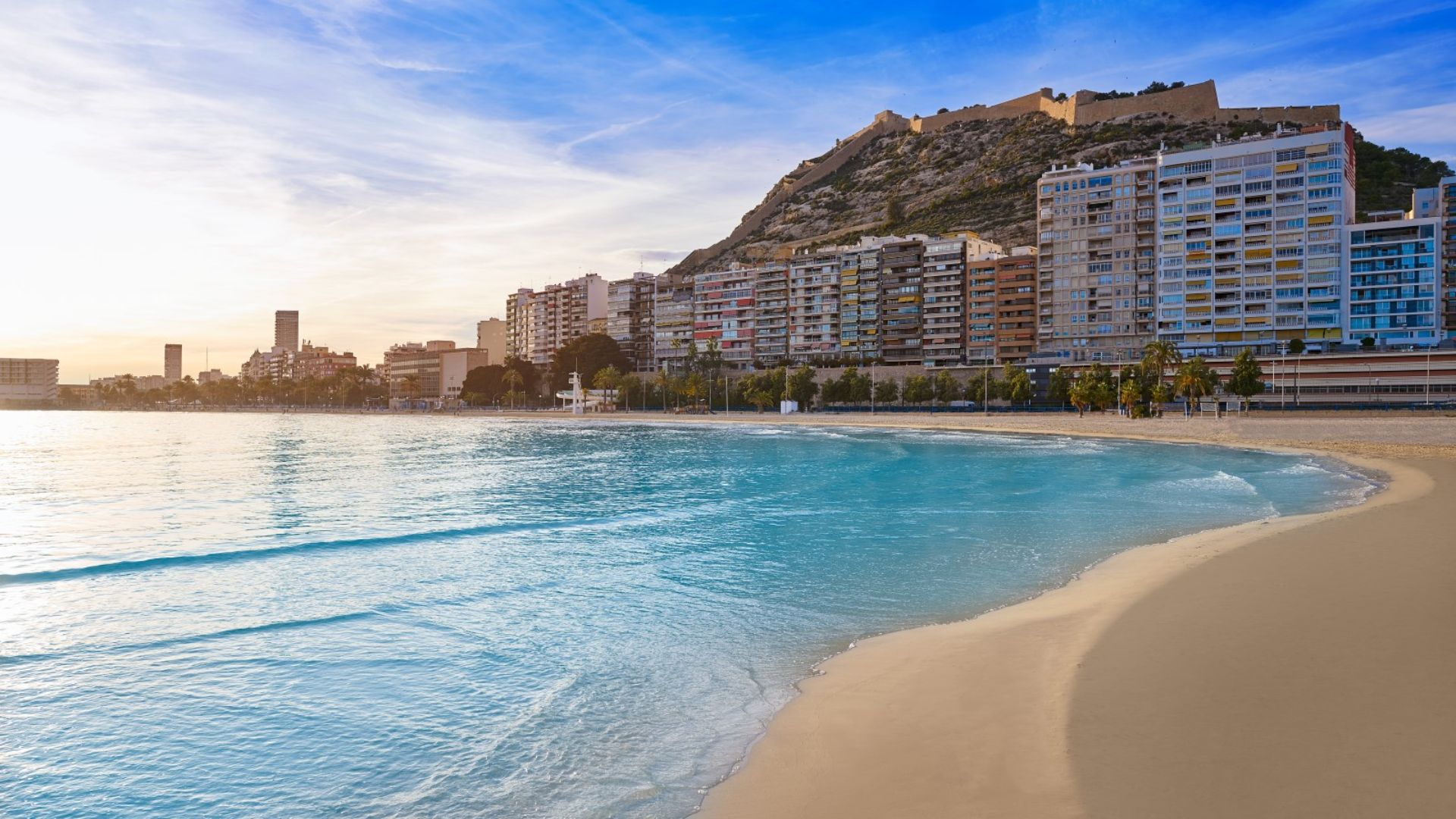
When comparing beaches in Alicante vs Barcelona, Alicante wins decisively. Playa del Postiguet sits right in the city centre with golden sand and calm water. San Juan Beach stretches for miles with fine sand and excellent facilities. The water stays cleaner and warmer than Barcelona’s urban beaches. You can walk from your hotel to the beach in minutes.
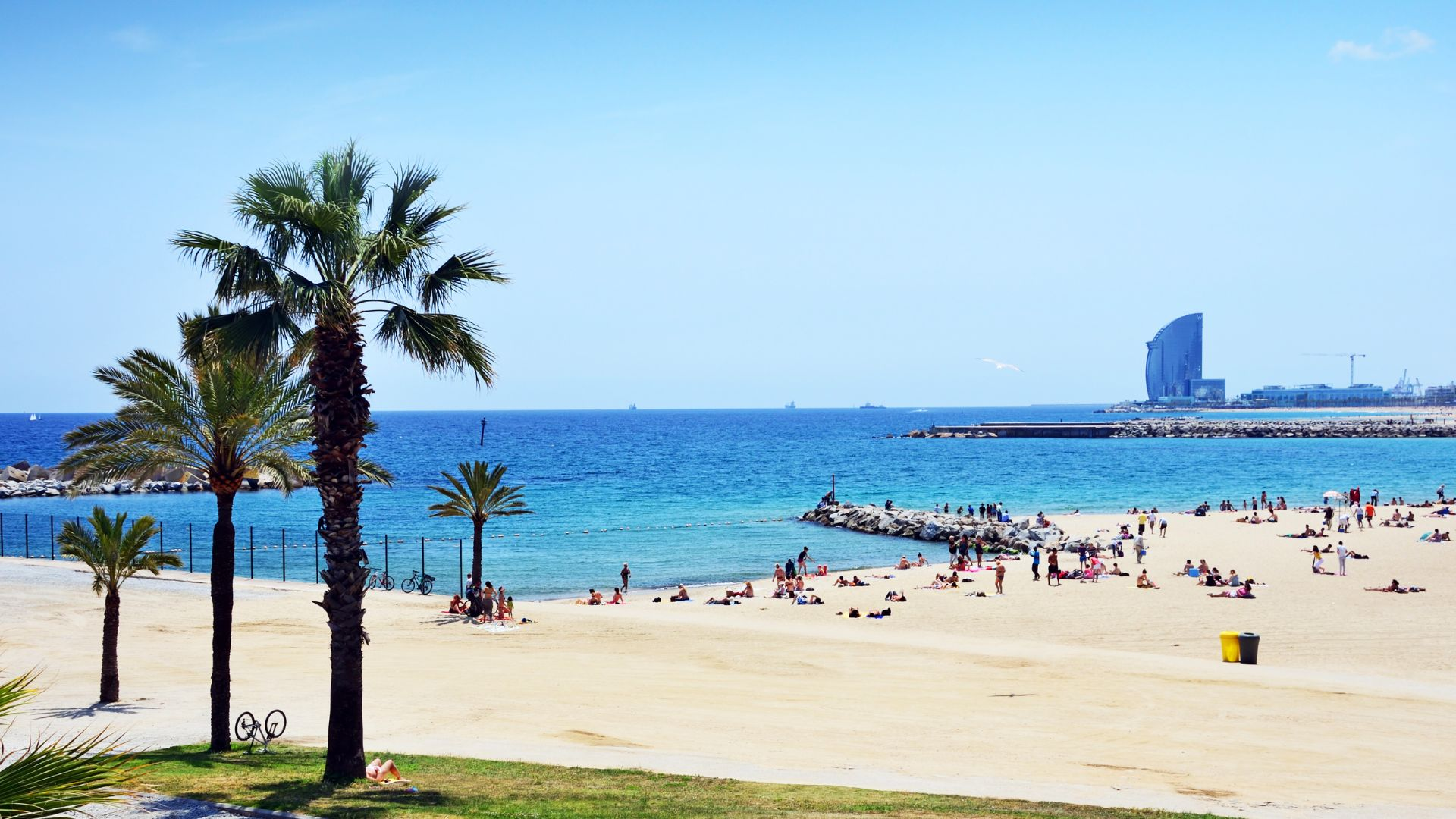
Barcelona’s beaches like Barceloneta serve their purpose but feel more urban and crowded. The sand is coarser, and the water quality does not match Alicante’s standards. Summer weekends see these beaches packed with tourists and locals competing for space. However, Barcelona’s beaches offer better nightlife and beach bars.
The promenade provides excellent infrastructure for cycling and walking. If beaches top your priority list, Alicante delivers a superior seaside experience. If you want beach access whilst focusing primarily on culture and nightlife, Barcelona’s beaches suffice.
Alicante vs Barcelona – Things to Do
Things to Do in Alicante
Castle de Santa Bárbara dominates Alicante’s skyline and offers the city’s best panoramic views. The fortress dates to the 9th century and tells the story of Moorish, Christian, and modern Spanish history.
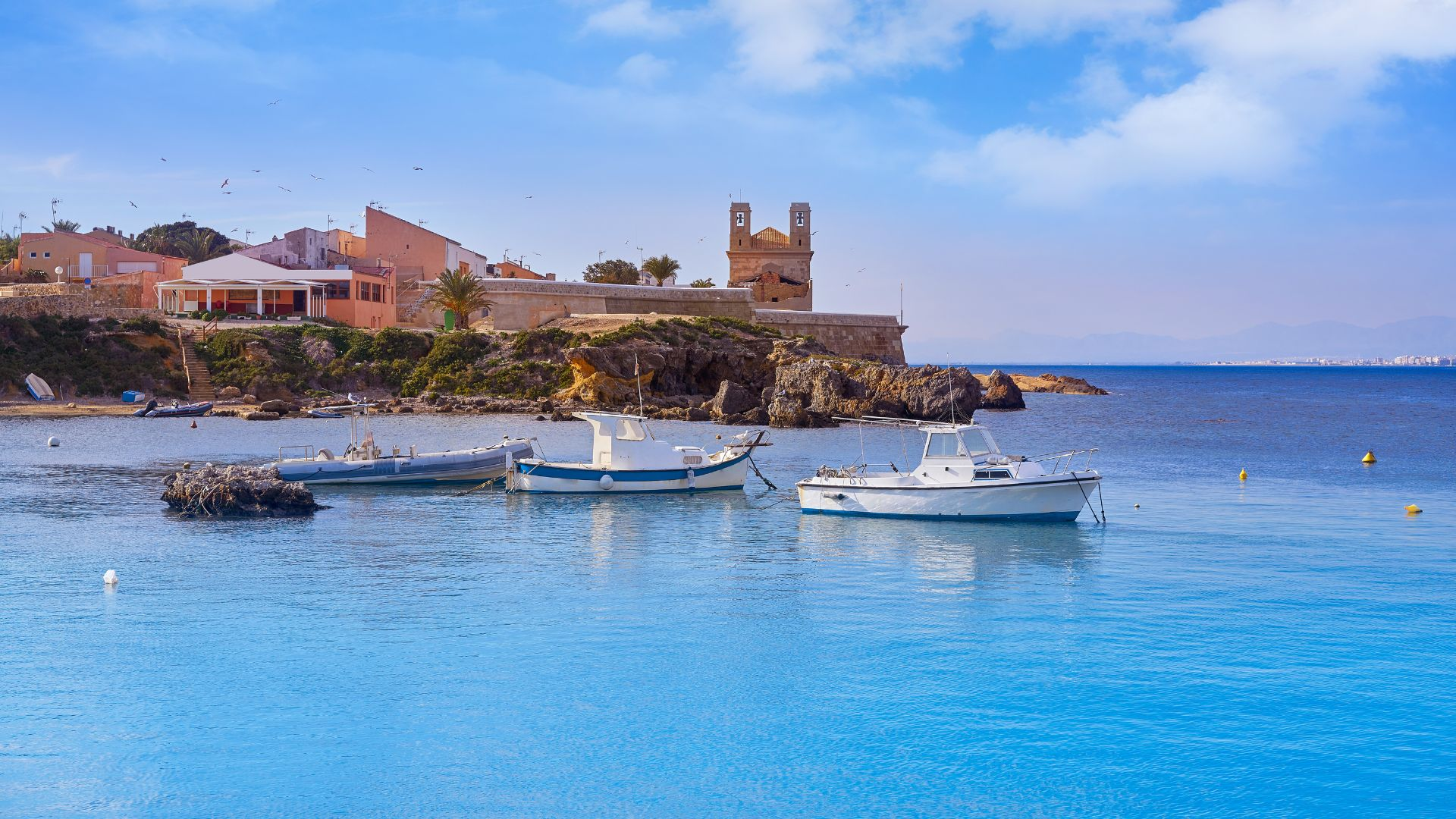
You can hike up or take the lift through the mountain. The marina area invites leisurely walks amongst yachts and waterfront restaurants. Tabarca Island, a short ferry ride away, provides crystal clear snorkelling, fresh seafood, and a car free environment perfect for relaxation.
The MARQ Archaeological Museum showcases the region’s history through interactive exhibits that engage all ages. The Central Market bursts with local produce, fresh fish, and traditional Spanish ingredients.
Evening strolls along the Explanada become a daily ritual for both visitors and locals. Local festivals like Hogueras de San Juan in June bring the entire city together with bonfires, fireworks, and street parties that last all night.
Things to Do in Barcelona
Gaudí architecture tours consume days if you want to see everything properly. Sagrada Família alone deserves several hours, and advance booking is essential. Park Güell offers whimsical design and city views.
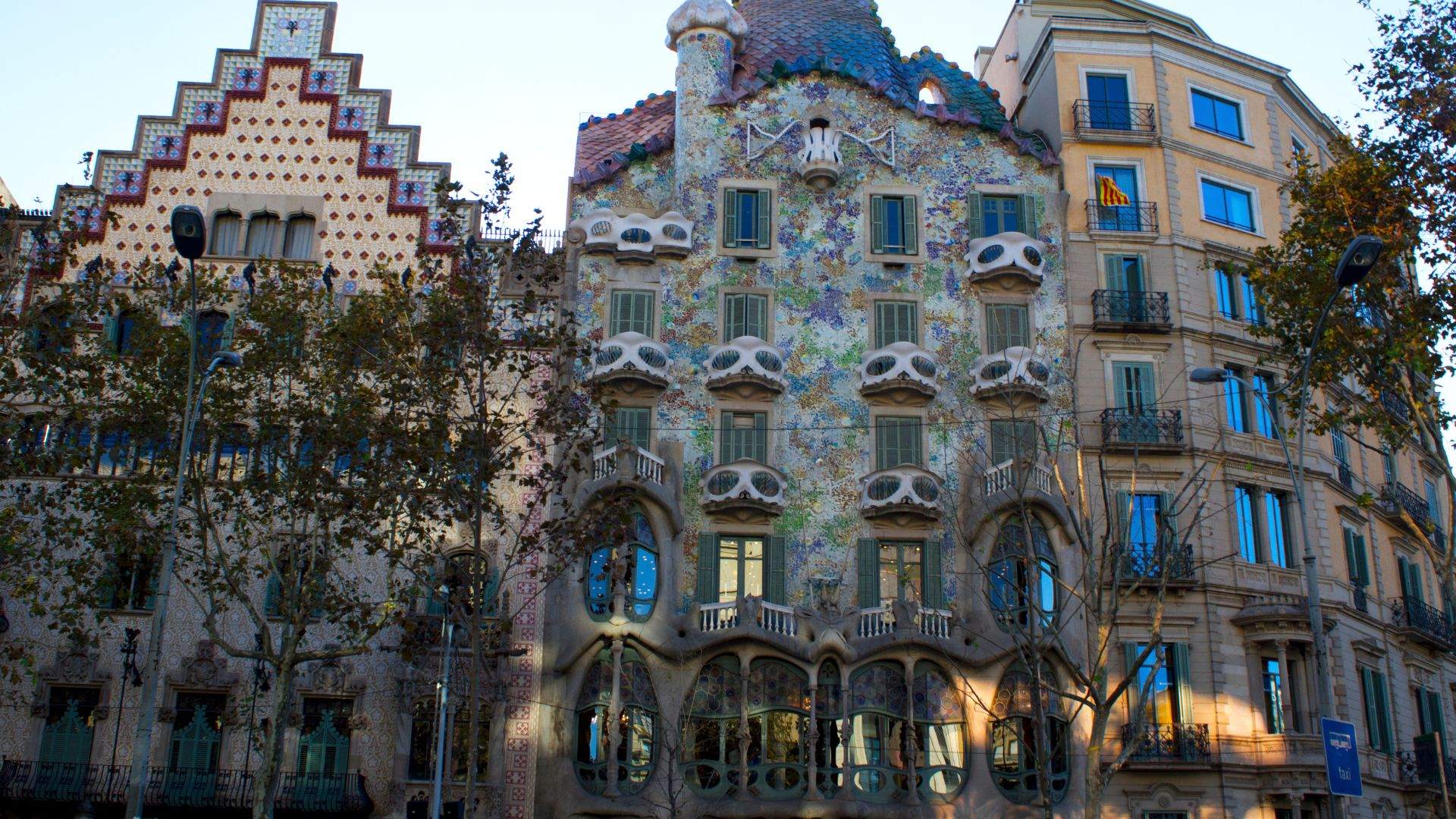
Casa Batlló and La Pedrera showcase Gaudí’s residential genius. The Gothic Quarter preserves medieval Barcelona with narrow lanes, hidden plazas, and the stunning Cathedral.
Museums cater to every interest. The Picasso Museum houses the artist’s early works. MACBA focuses on contemporary art. Day trips from Barcelona reach Montserrat monastery, the Dalí Museum in Figueres, or the beaches of Costa Brava. Things to do in Alicante vs Barcelona shows Barcelona offers more variety and quantity, whilst Alicante provides depth in fewer attractions.
Alicante vs Barcelona – Culture and History
Barcelona vs Alicante presents an interesting cultural contrast. Barcelona maintains strong Catalan identity separate from broader Spanish culture. The language, customs, and political attitudes reflect this distinct regional character. The city’s history as a major Mediterranean port and industrial centre created cosmopolitan attitudes and architectural innovation. Roman ruins, medieval churches, Modernist buildings, and contemporary structures layer centuries of development.
Alicante offers more traditionally Spanish culture without the regional complexity. The city feels authentically Spanish rather than consciously Catalan. History here focuses on Moorish occupation, Christian reconquest, and maritime trade. The pace feels slower and more traditionally Mediterranean. Locals maintain siesta schedules and late dining habits that Barcelona has partially abandoned. You experience genuine Spanish culture without filtering it through tourism or regional politics.
Alicante vs Barcelona – Food Scene
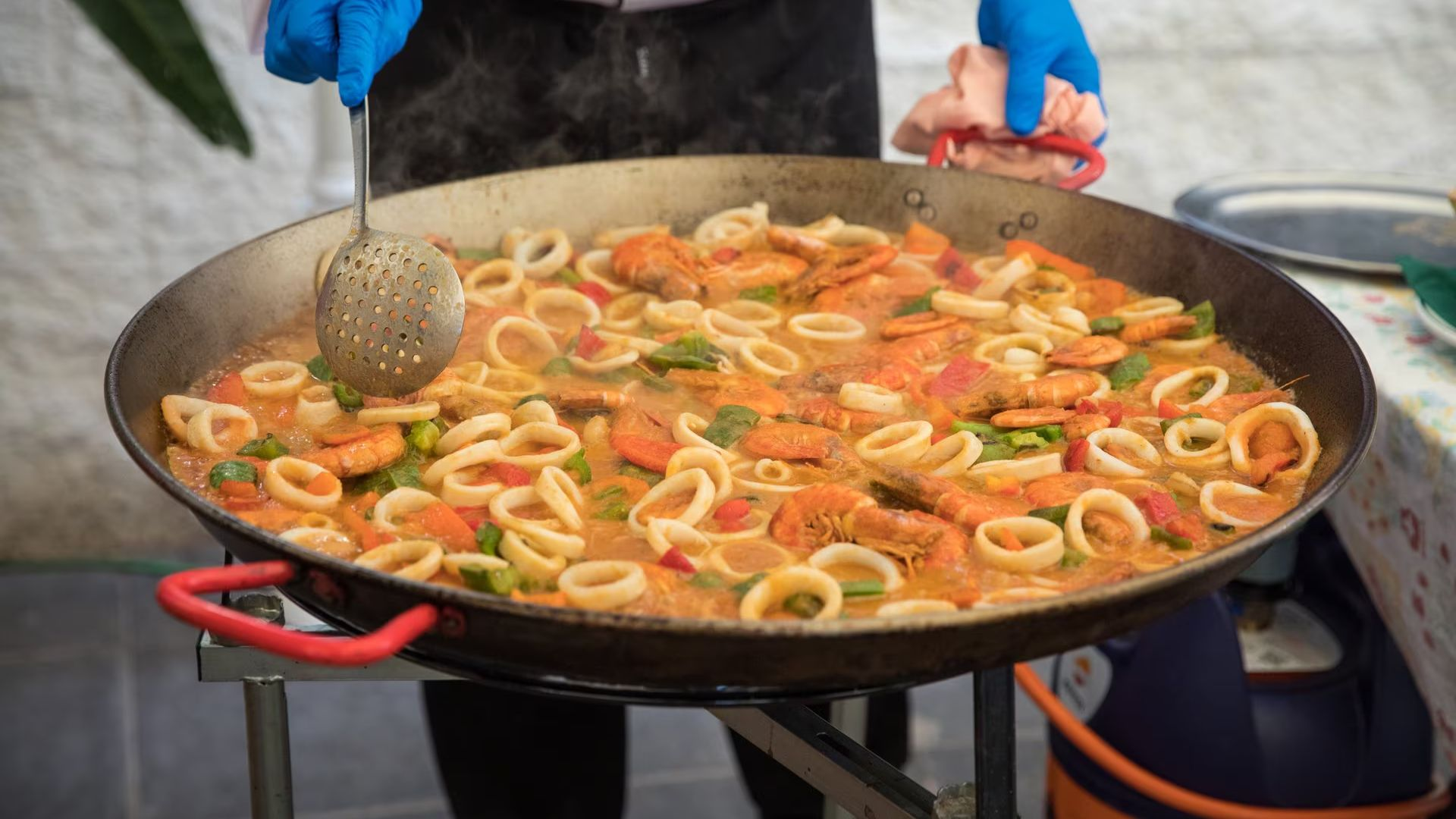
Both cities excel at food but in different ways. Barcelona offers more international cuisine, innovative restaurants, and Michelin starred dining. Tapas bars in the Gothic Quarter and El Born serve excellent small plates. The seafood remains fresh, and Catalan specialties like pa amb tomàquet and escalivada appear on every menu. Food markets throughout the city provide ingredients and quick meals.
Alicante focuses on traditional Mediterranean cooking without much fusion or innovation. Rice dishes dominate menus, with paella and arroz a banda prepared expertly. The seafood tastes incredibly fresh given the city’s fishing heritage. Tapas culture thrives here, and the pintxos bars serve generous portions. Prices run lower than Barcelona across all dining categories. If you want culinary adventure and variety, Barcelona wins. For authentic Spanish cooking at better value, Alicante delivers.
Alicante vs Barcelona – Nightlife
Alicante vs Barcelona nightlife shows stark differences. Barcelona’s nightlife is legendary, with clubs, bars, and beach parties running until sunrise. The city attracts international DJs and maintains a reputation as one of Europe’s party capitals. El Raval, El Born, and Gràcia neighbourhoods each offer distinct vibes. Beach clubs operate all summer along the coast. The scene caters to tourists, international students, and sophisticated locals equally.
Alicante’s nightlife feels more relaxed and locally focused. The Barrio neighbourhood hosts most bars and clubs, which fill with Spanish students and young professionals. Music tends toward Spanish pop and reggaeton rather than international house and techno. Everything costs less, and the atmosphere feels friendlier to newcomers. Beach bars stay open late during summer but without Barcelona’s intensity. If clubbing matters greatly, Barcelona clearly wins. For casual drinks and dancing without the chaos, Alicante suits better.
Alicante vs Barcelona – Cost of Travel
Accommodation
The cost of travel Alicante vs Barcelona differs significantly. Barcelona hotel prices reflect the city’s popularity, with mid range hotels starting around £80 to £120 per night in central locations. Budget hostels begin at £25 to £35 per bed. Luxury properties easily exceed £200 nightly. Alicante offers similar quality for 30 to 40 percent less. Mid range hotels cost £50 to £80, and budget options start at £20. Airbnb prices follow similar patterns with Barcelona commanding premium rates.
Food and Restaurants
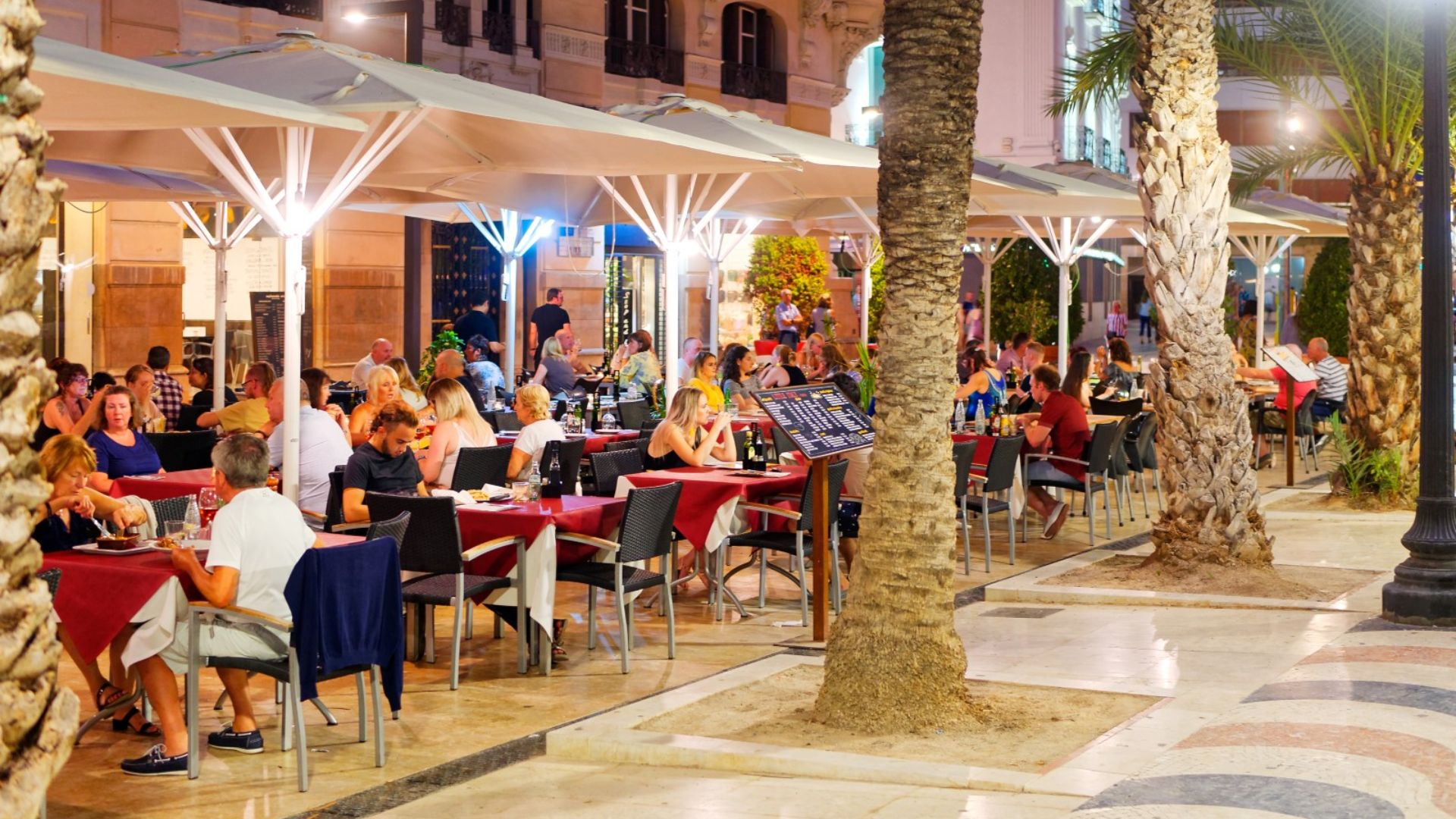 Restaurant meals in Barcelona average £12 to £18 for lunch menus and £25 to £40 for dinner in tourist areas. Local neighbourhoods offer better value but still exceed Alicante prices. Alicante lunch menus run £10 to £14, and dinners cost £18 to £30 for similar quality. Tapas and drinks cost noticeably less, with beer around £2 to £3 in Alicante versus £4 to £5 in Barcelona. Groceries and market purchases also favour Alicante.
Attractions and Transport
Barcelona’s major attractions charge admission. Sagrada Família costs around £30, Park Güell £10, and museums £12 to £15 each. These add up quickly. Metro passes run about £12 for unlimited travel across several days. Alicante’s Castle costs nothing to visit, and many beaches and promenades are free. The city bus costs about £1.50 per ride. Overall, Barcelona requires a substantially larger budget despite both being Mediterranean cities. If you’re flying from Uk, like me, you can use priority pass to access airport lounges and relax with food, drinks, and comfortable seating before your flight. Also check out budget airlines you could use to travel by staying under budget. I had a good experience with Ryanair, and you might find it works well for your trip too.
Alicante vs Barcelona – Weather
Alicante vs Barcelona weather shows minimal but meaningful differences. Both enjoy Mediterranean climates with mild winters and hot summers. Alicante sits further south and receives slightly less rain, around 300 sunny days annually. Summer temperatures reach 30 to 35°C, perfect for beach days. Winters stay mild at 15 to 18°C. Barcelona experiences similar patterns but with more rainfall, particularly in autumn. Winter temperatures drop slightly lower, averaging 12 to 15°C. Both cities remain pleasant year round, though Alicante edges ahead for guaranteed sunshine.
Alicante vs Barcelona – Accessibility and Transport
Barcelona offers superior accessibility with a major international airport serving destinations worldwide. The train network connects Barcelona to France and the rest of Spain efficiently. Metro, bus, and taxi systems make getting around simple. Alicante airport is smaller but serves most European cities, especially during summer. Train connections to Madrid and Valencia work well. The city itself is walkable, with buses covering areas beyond walking distance. Both cities function well for tourists, though Barcelona’s larger size and international connections give it an advantage.
Who Should Choose Alicante?
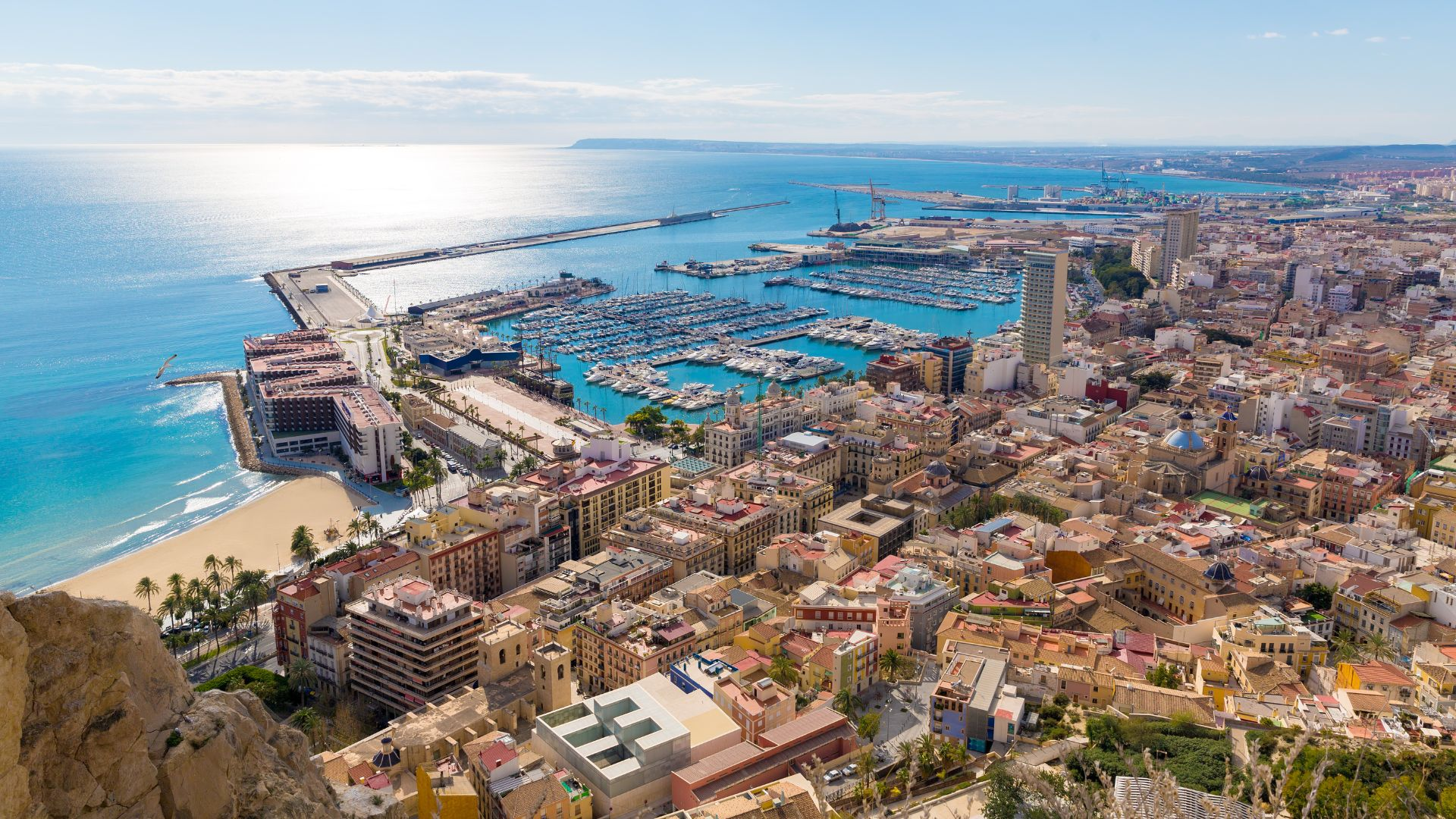 Beach lovers who prioritise sand and sea over museums should choose Alicante. Budget conscious travellers stretch money further here. People seeking authentic Spanish culture without tourist crowds prefer Alicante’s relaxed atmosphere. Those who want to unwind rather than rush between attractions find Alicante’s pace perfect. Families appreciate the safe beaches and lower costs. If you dream of lazy beach days, fresh seafood, and traditional Spanish living, Alicante delivers exactly that experience.
Who Should Choose Barcelona?
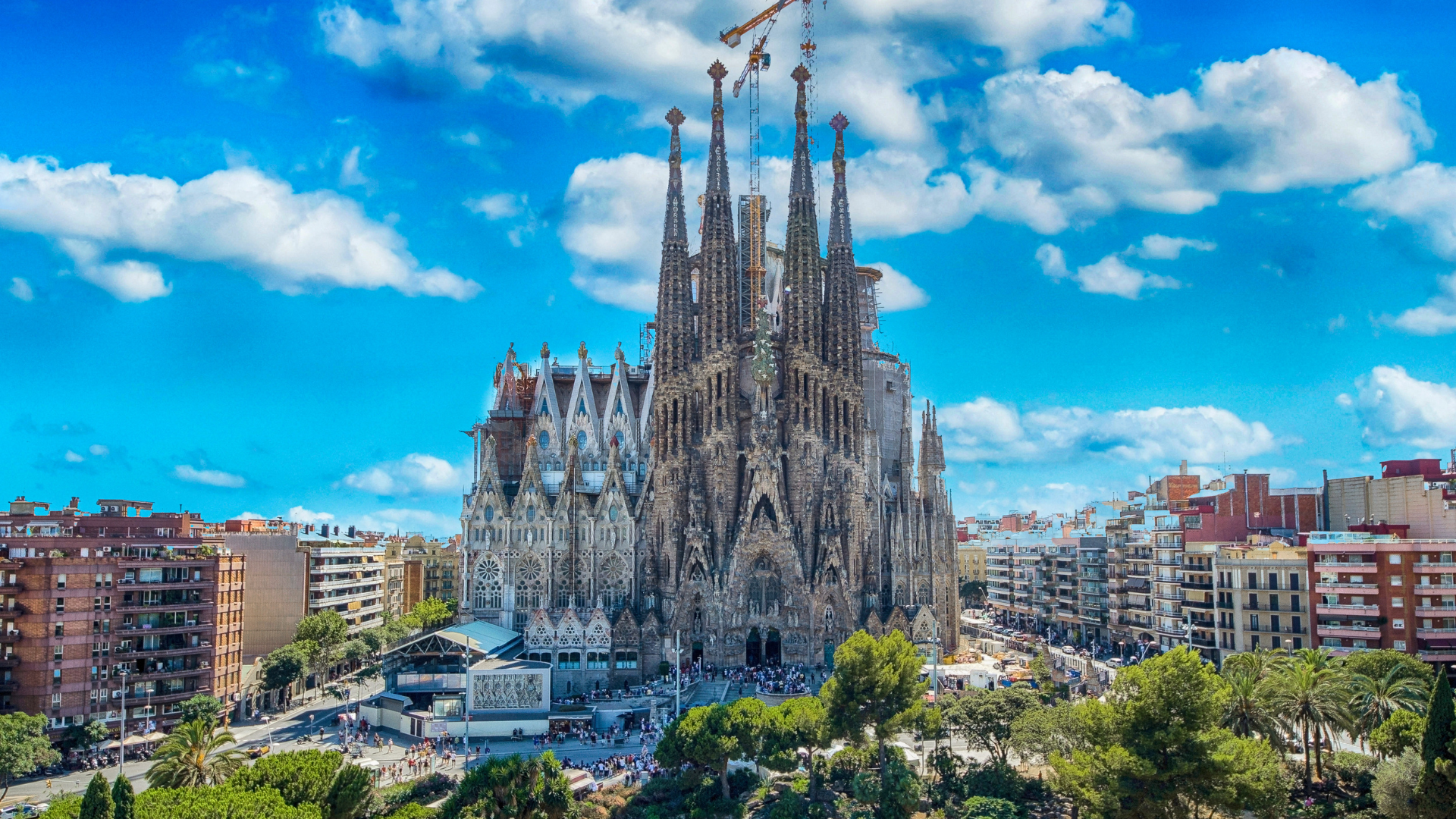 Culture enthusiasts who love architecture, art, and museums choose Barcelona without question. First time visitors to Spain often pick Barcelona for its iconic status. People who enjoy urban energy, diverse nightlife, and international atmosphere thrive here. Foodies wanting innovative cuisine and variety favour Barcelona’s restaurant scene. Those combining Spain with broader European travel benefit from Barcelona’s connectivity. If you want Spain’s greatest hits with world class culture, Barcelona satisfies completely.
Can You Visit Alicante and Barcelona in One Trip?
Absolutely, and many travellers do exactly this. High speed trains connect the cities in about 90 minutes, making day trips possible though not ideal. A better approach splits a week or 10 days between both destinations. Spend three to four days in Barcelona covering major sights, then head to Alicante for beach relaxation. This combination gives you cultural immersion and coastal unwinding. The cities complement each other perfectly, offering contrast that enriches your Spanish experience. Book accommodation separately in each city rather than day tripping.
Final Verdict – Alicante or Barcelona?
So is Alicante or Barcelona better for your trip? Barcelona wins for first time visitors wanting iconic Spanish experiences and world famous attractions. The architecture, museums, and cosmopolitan energy justify the higher costs and crowds. Alicante or Barcelona for vacation depends on whether you prioritise culture or beaches. Barcelona delivers unmatched cultural depth. Alicante provides superior beach quality, authentic Spanish atmosphere, and better value.
For pure relaxation, Alicante wins easily. The beaches, slower pace, and lower costs create ideal holiday conditions. Barcelona suits travellers who want to stay busy, explore constantly, and experience a major European city. When considering Alicante vs Barcelona, think about your travel style. Do you want to see famous landmarks or relax by the Mediterranean? Both cities reward visitors, just in completely different ways. Neither choice disappoints, but choosing the right fit for your preferences ensures your Spanish holiday exceeds expectations rather than merely meeting them.