Sri Lanka packs a remarkable amount into a relatively small island. Within a single trip you can stand on top of an ancient rock fortress, ride one of the most scenic railways in the world through misty tea country, watch elephants cross a dusty plain at dawn, and finish with your feet in the Indian Ocean at a beach that still feels genuinely unhurried.
The challenge is not finding things to do. The challenge is building a route that connects all of it without turning the trip into an exhausting sprint between attractions. This ultimate 10-day Sri Lanka itinerary does exactly that. It balances pace, variety, and practicality so that you see the best the island offers while still having time to actually enjoy each place you land in.
Itinerary Overview and Map
This route runs in a logical loop from Colombo, moving north into the Cultural Triangle, then southeast through the hill country, and finishing along the south coast before returning north to fly out. It avoids unnecessary backtracking and keeps travel days manageable throughout.
| Day | Location | Theme | Overnight |
| 1–2 | Colombo and Negombo | Arrival and acclimatisation | Negombo or Colombo |
| 3–4 | Sigiriya and Dambulla | Ancient ruins and rock climbing | Sigiriya area |
| 5–6 | Kandy | Culture and hill country entry | Kandy |
| 7–8 | Ella and Nuwara Eliya | Hill country, trains, and tea | Ella |
| 9 | Yala or Udawalawe | Wildlife safari | Tissamaharama or Embilipitiya |
| 10 | Galle and Mirissa | South coast and beach relaxation | Galle or Mirissa |
The total driving distance across the full loop sits at roughly 650 kilometres, with most individual legs taking between two and four hours by road.
Days 1 and 2: Colombo and Negombo
 Most international flights into Sri Lanka land at Bandaranaike International Airport, which sits closer to Negombo than to Colombo city centre. Given that, spending your first night in Negombo rather than fighting the Colombo traffic after a long flight is a practical and genuinely sensible call.
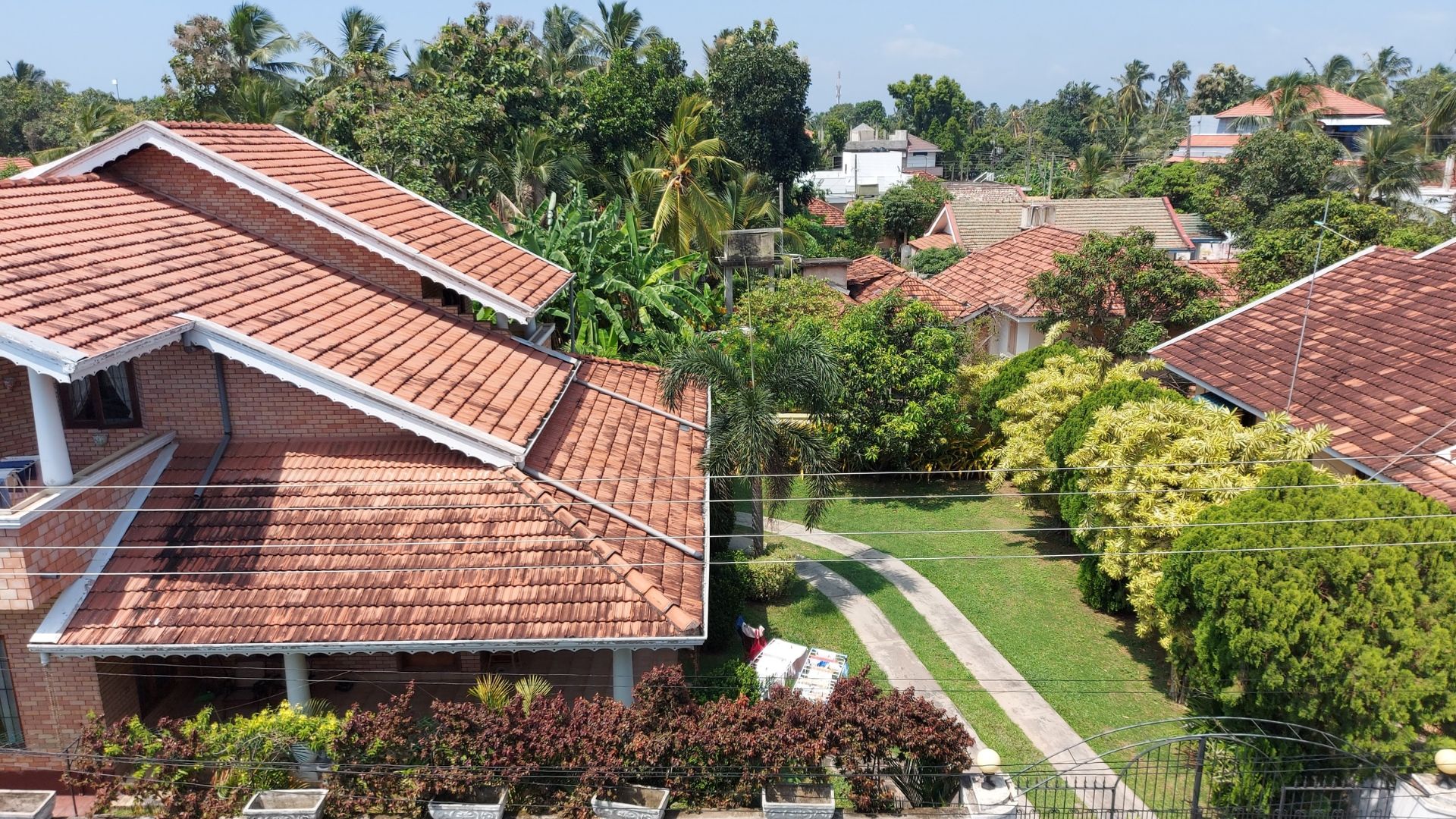 Negombo has enough to keep you occupied for a morning without overwhelming you on arrival day. The fish market along the lagoon opens early and gives you a vivid first look at how the town actually operates. The Dutch Canal runs through the area and the old Dutch fort walls, though mostly ruined, are worth a short walk. The beach stretches north from town and is calm enough for an easy swim if the timing works.
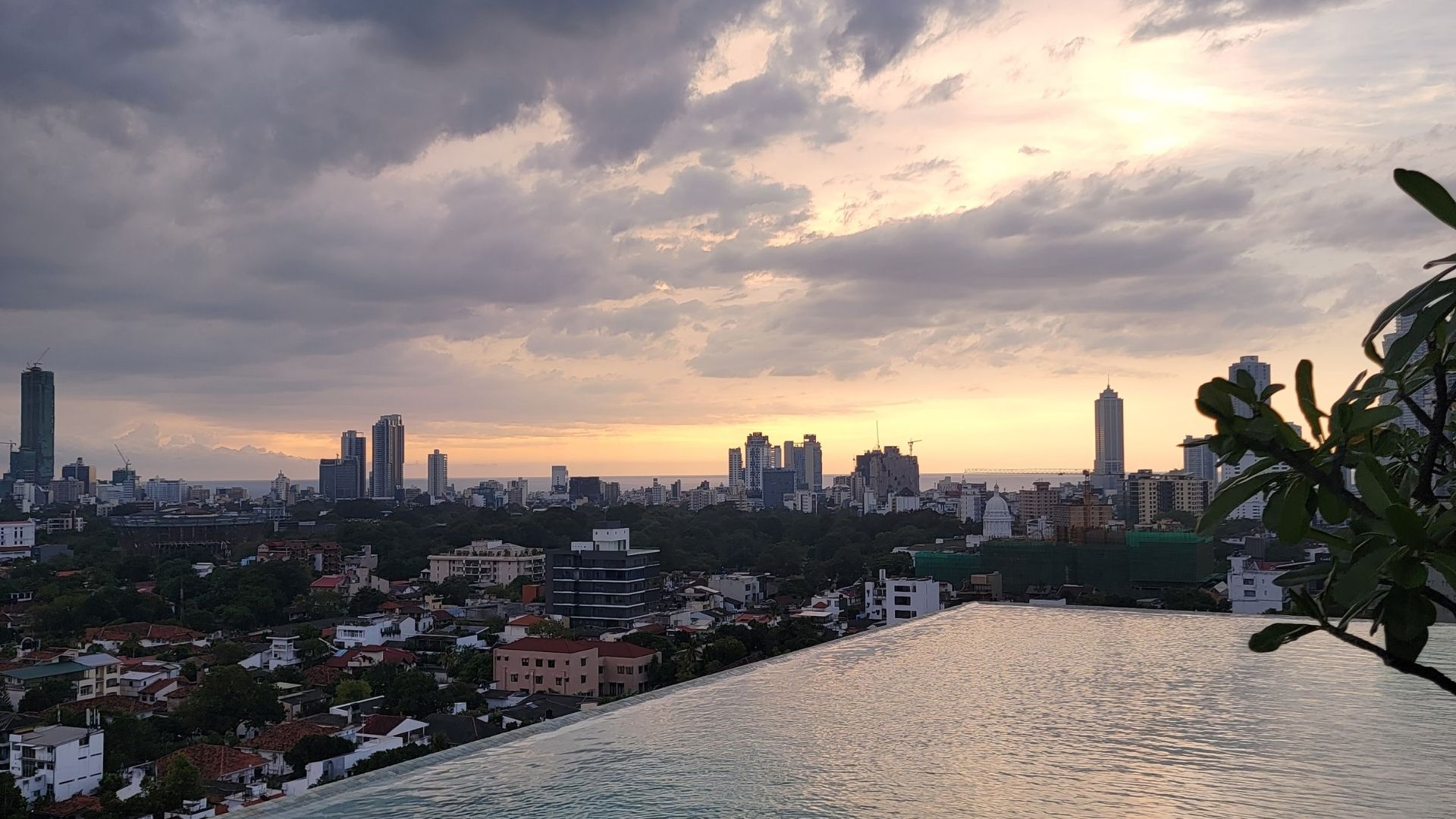
On day two, the drive south to Colombo takes around 45 minutes without traffic, and considerably longer with it. Colombo rewards a slow half-day rather than a rushed full-day push.
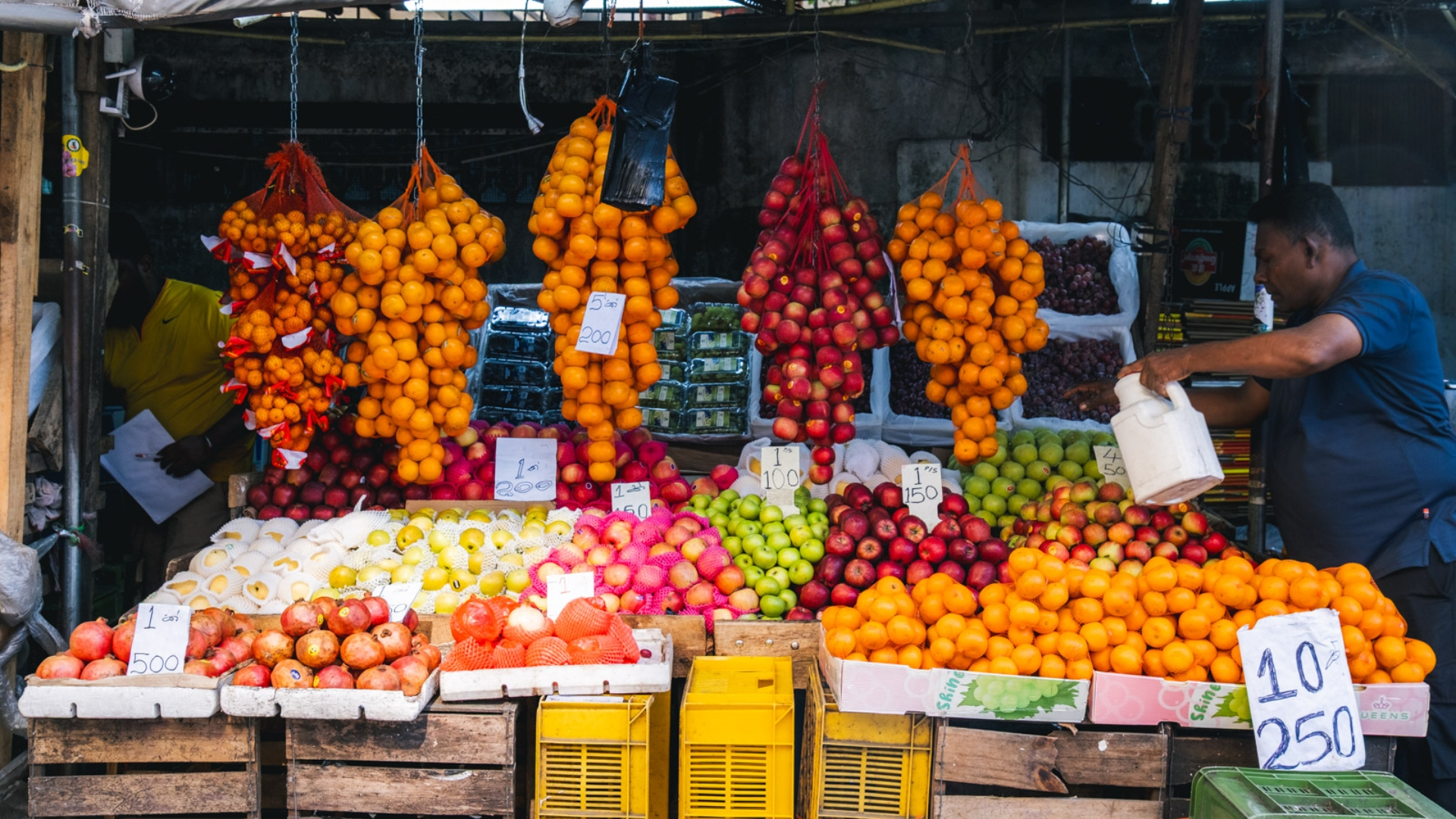 Pettah market is the commercial heart of the city and moves at a pace that can feel overwhelming in a good way.
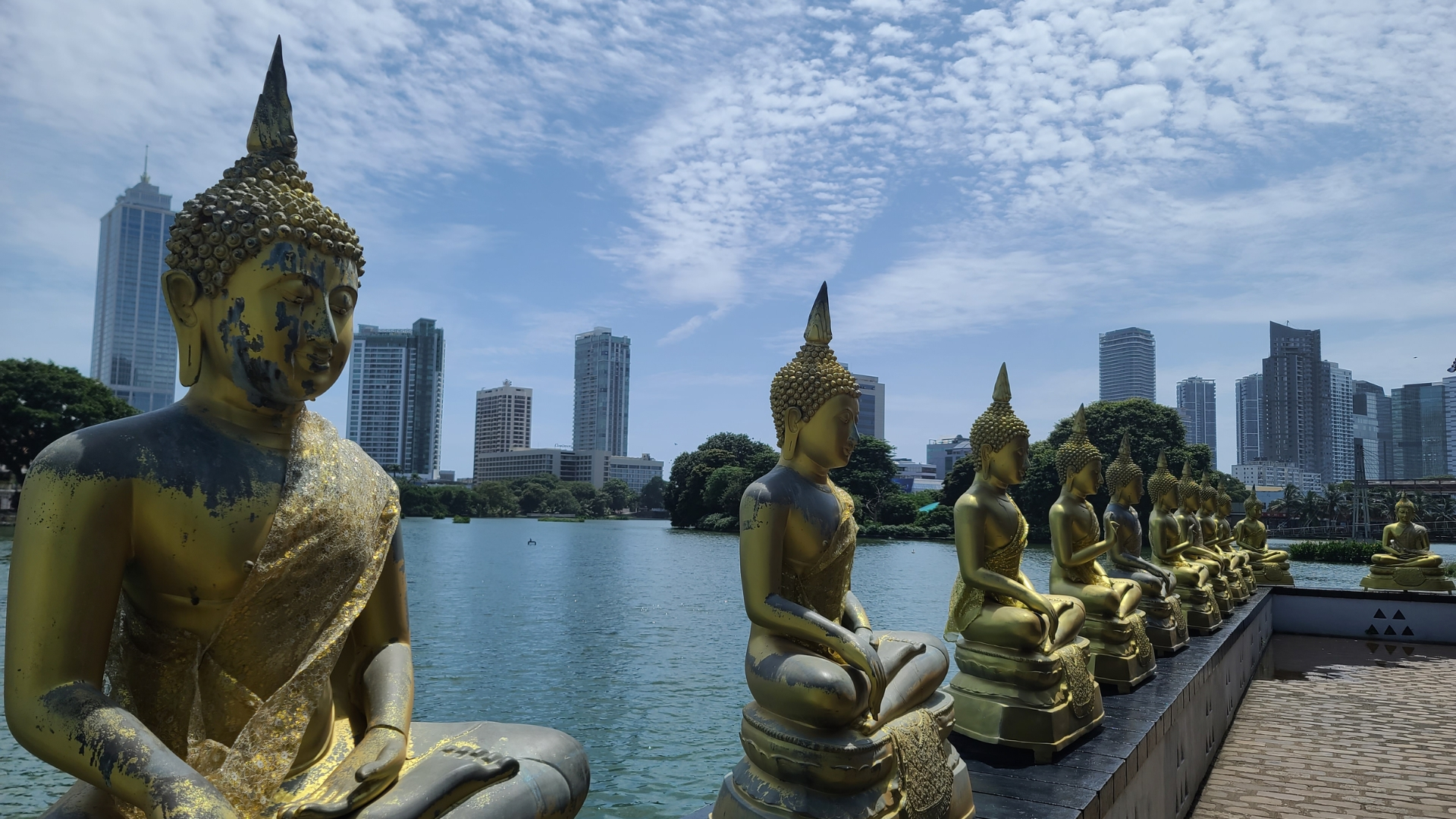 The Gangaramaya Temple near Beira Lake is one of the most interesting religious sites in the city, mixing Buddhist, Hindu, Thai, and Chinese architectural elements in a way that reflects Sri Lanka’s layered history. Galle Face Green along the seafront is the spot to be at dusk, with street food vendors setting up from around 5pm selling isso wade, a prawn fritter that is one of the best quick bites in the country.
Practical notes: Exchange currency at the airport or use an ATM immediately on arrival. A local SIM card from Dialog or Mobitel is available at the airport arrivals hall and gives you reliable data coverage across most of the route. Budget accommodation in Negombo runs from around £25 to £45 per night for a solid guesthouse. Mid-range hotels in Colombo sit between £55 and £100.
Days 3 and 4: Sigiriya and the Cultural Triangle
The drive from Colombo or Negombo to Sigiriya takes around four hours and is best done early to beat the heat at the rock itself. Sigiriya Rock Fortress is the single most dramatic site on this entire itinerary, and it earns that position thoroughly.
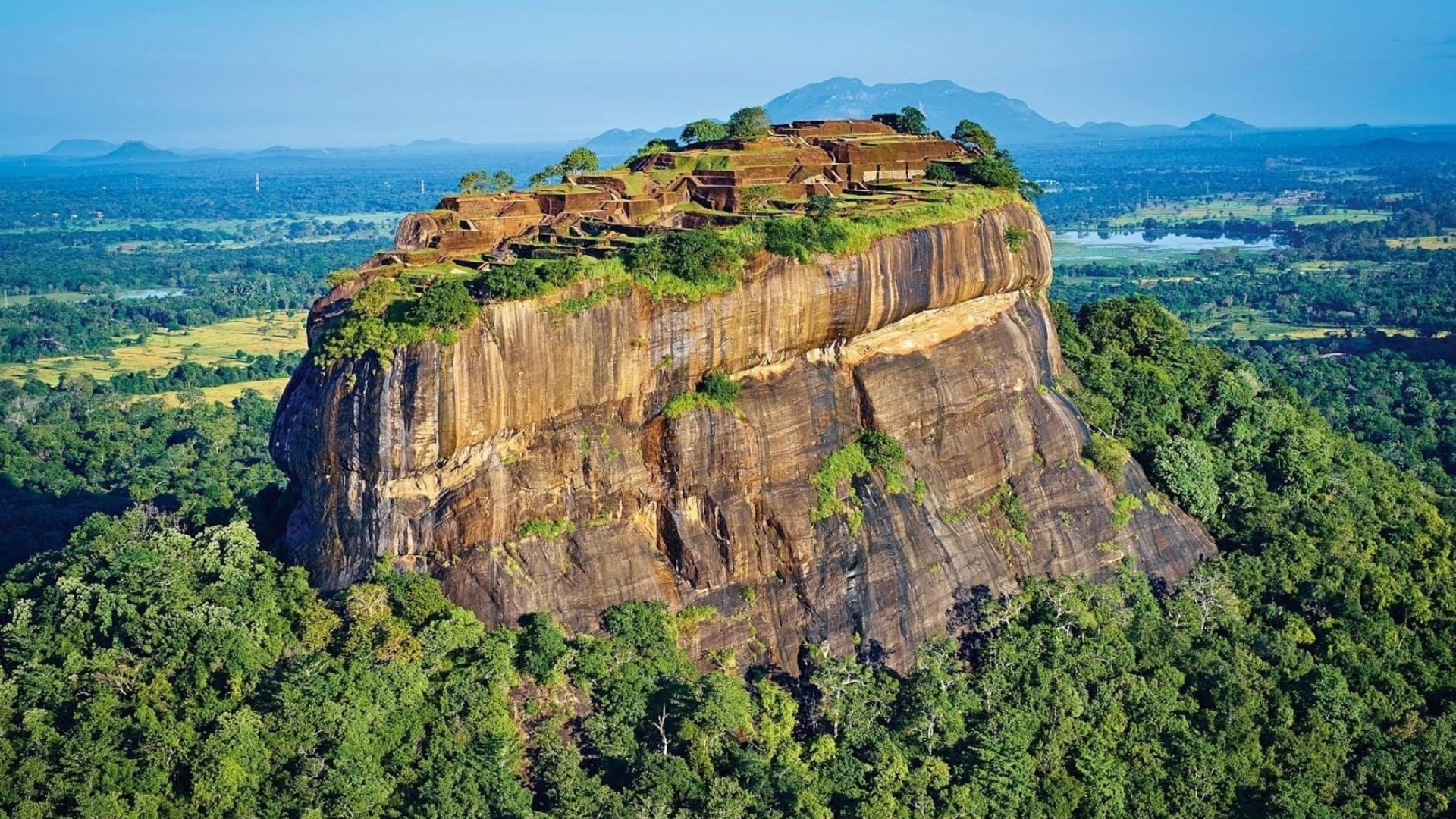 The Sigiriya Rock rises 200 metres above the surrounding jungle on all sides, and the 5th-century palace complex built on its summit by King Kashyapa is one of the most remarkable feats of ancient engineering in Asia.
The climb involves a series of staircases bolted into the rock face, and along the way you pass the famous frescoes painted directly into a sheltered rock overhang, showing celestial maidens in vivid colour that has survived fifteen centuries in open air. The Mirror Wall below the frescoes was once polished to a reflective surface and carries the oldest known graffiti in the world, visitors from the 7th and 8th centuries leaving their thoughts in verse. The summit gives you an unobstructed view across the jungle canopy in every direction.
Arrive at Sigiriya by 7am to beat both the heat and the coach tour groups that begin arriving from 9am onward. Entry costs around £25 for foreign visitors in 2026. The climb takes between 45 minutes and 90 minutes depending on pace and fitness, and the descent is faster.
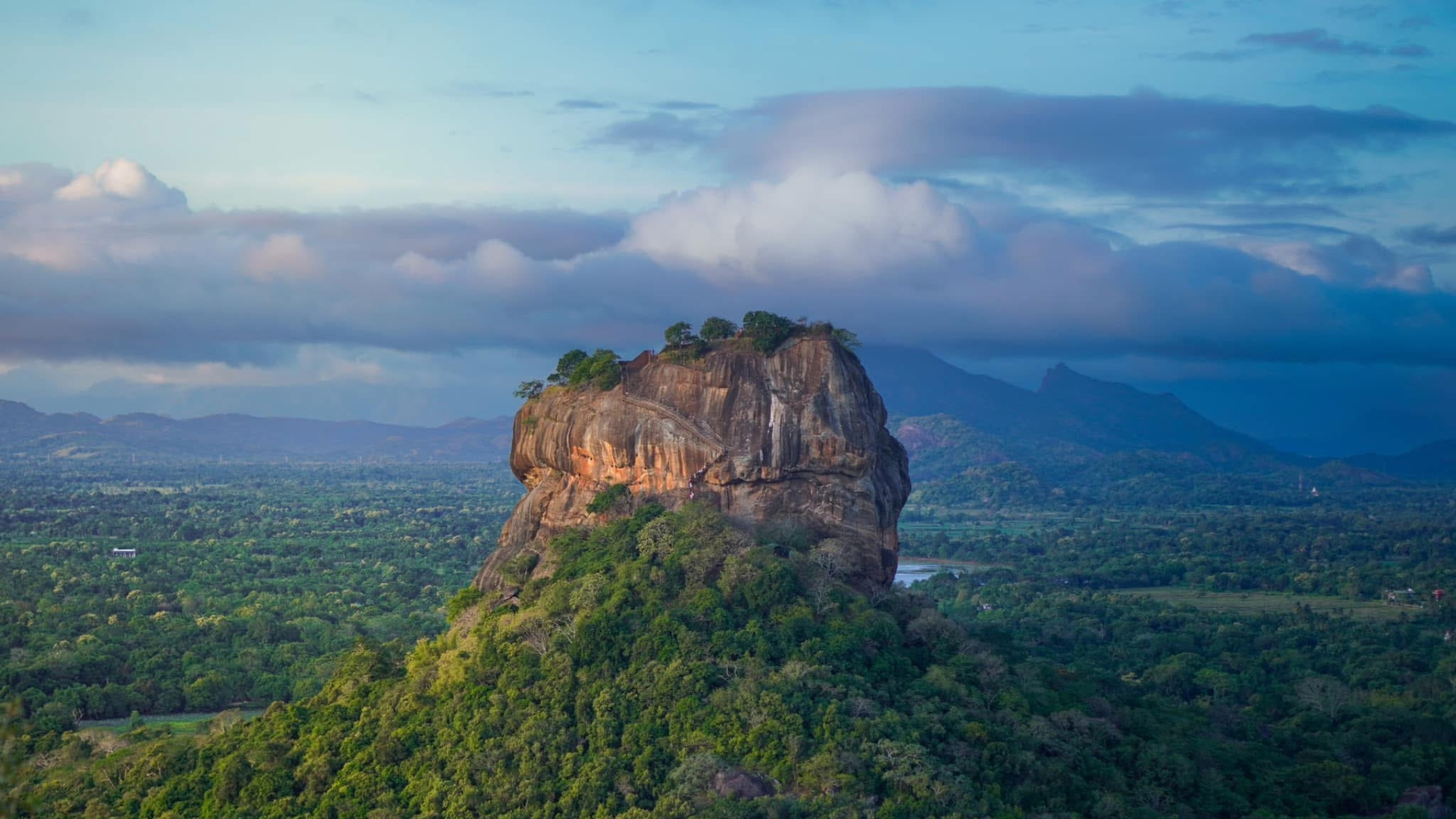 On the same afternoon, Pidurangala Rock sits just north of Sigiriya and offers a different kind of reward. The climb is shorter and rougher, with no staircases, just boulders and a fixed rope section near the top. From the summit, you get a direct view of Sigiriya Rock against the jungle backdrop that no photograph taken from ground level can match. Entry is around £3, and the sunset view from here is exceptional.
Day four is best given to Dambulla Cave Temples, roughly 17 kilometres south of Sigiriya. Five caves cut into a granite outcrop contain over 150 Buddha statues and a collection of ceiling murals covering 2,100 square metres of painted surface, all of it dating back as far as the 1st century BC. Entry costs around £7. Visit in the morning before the heat builds inside the caves.
Accommodation: The stretch around Sigiriya village has a good range of jungle lodges and guesthouses. Mid-range options run from £40 to £80 per night. Jetwing Vil Uyana and Cinnamon Lodge Habarana are the strong luxury choices if the budget allows, both sitting above £150 per night.
Days 5 and 6: Kandy, Cultural Heart of Sri Lanka
The drive from Sigiriya to Kandy takes around two and a half hours and the road climbs steadily into the lower hill country as you approach. Kandy sits in a bowl of hills around an artificial lake built in 1807, and the whole setting gives the city a quieter, cooler energy compared to Colombo.
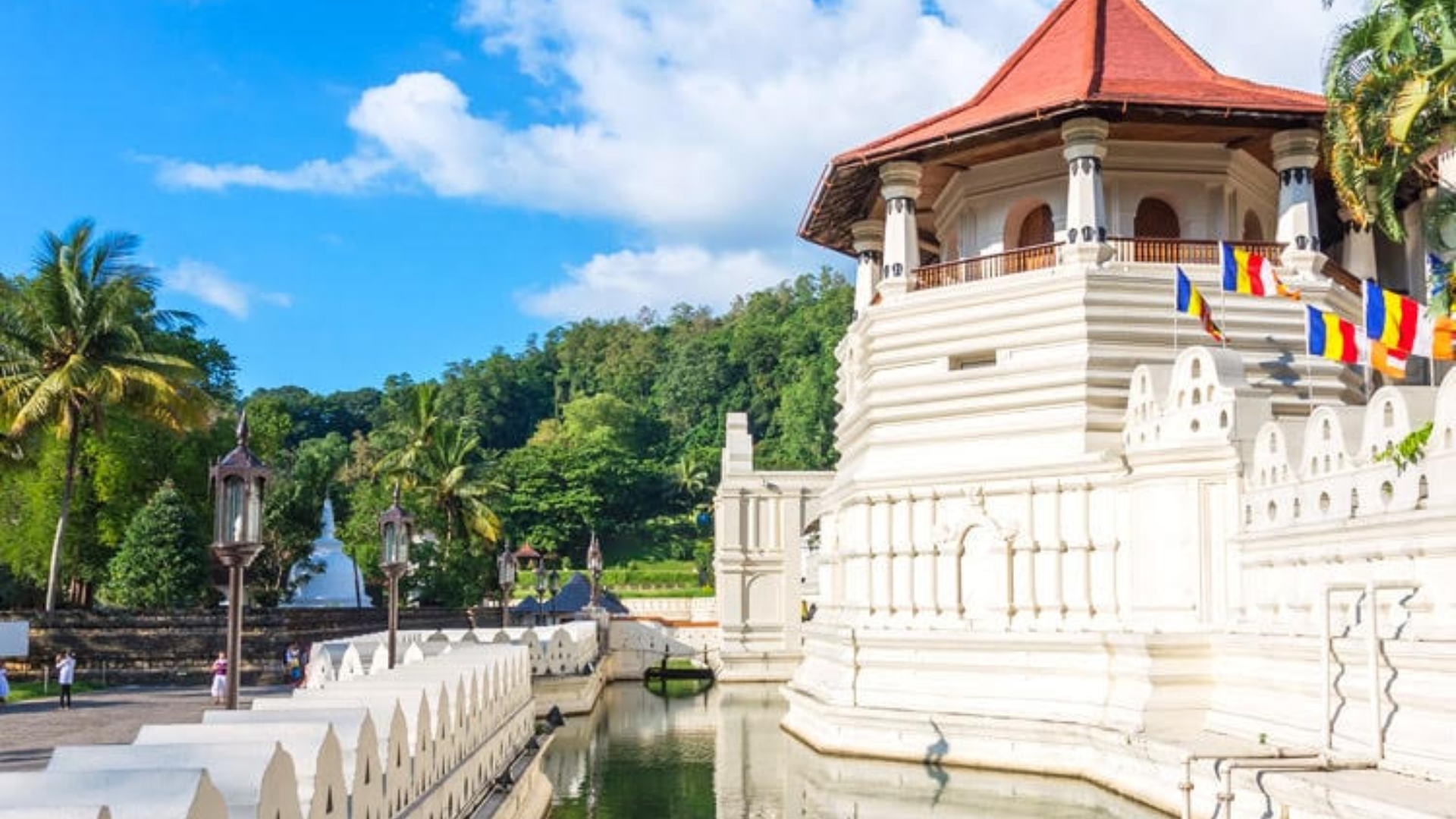 The Kandy Temple, formally the Temple of the Tooth Relic, is the centrepiece of any visit here and one of the most significant Buddhist sites in the world. The tooth relic of the Buddha is housed in a golden casket inside the inner shrine, and the temple complex around it is layered with history across multiple dynasties. The evening puja ceremony at 6:30pm is the best time to visit, with drumming and the ceremonial opening of the shrine drawing a mix of devotees and visitors in a genuinely atmospheric setting. Entry costs around £8.
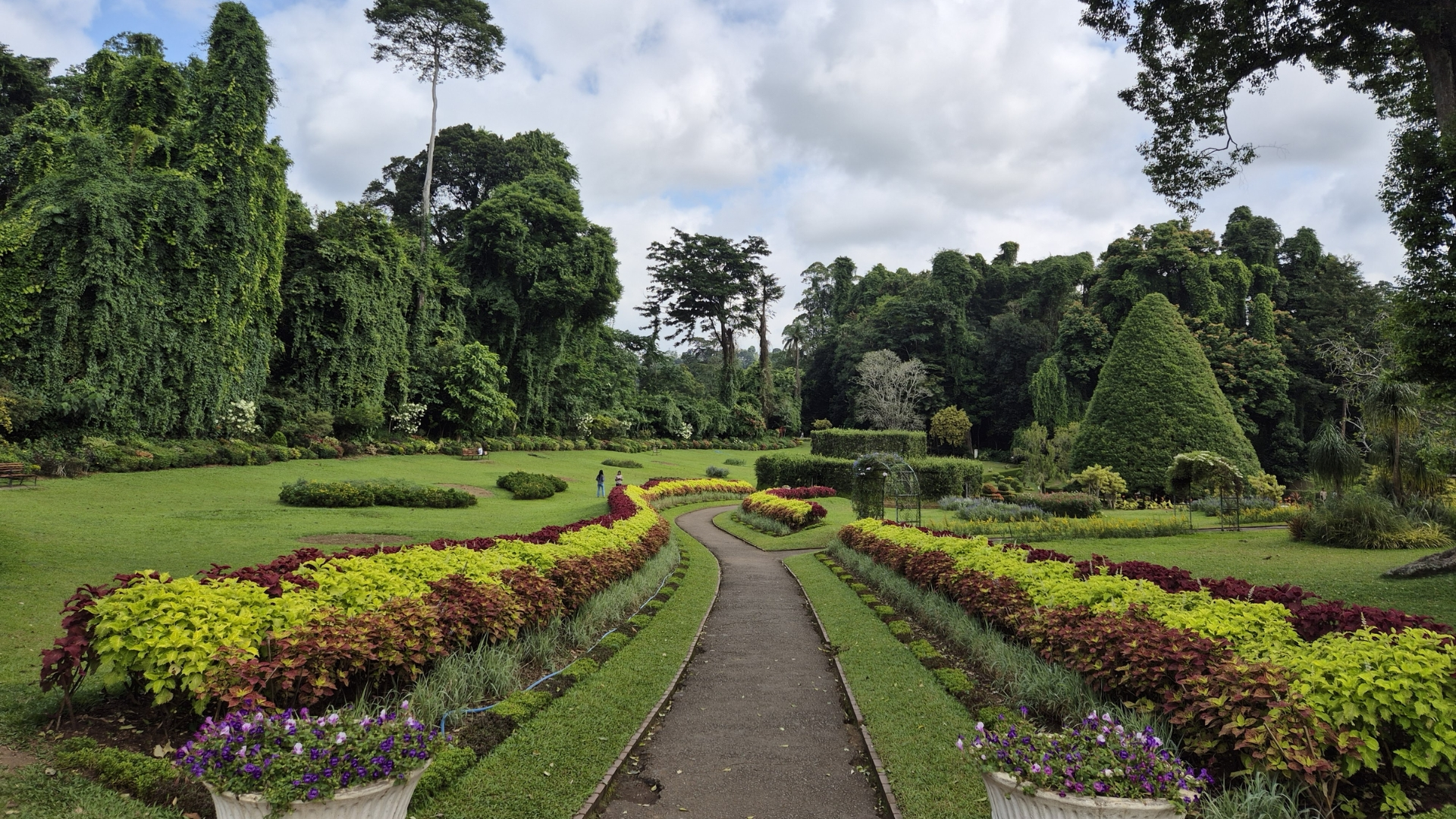 The Royal Botanic Gardens at Peradeniya, a short drive from the city centre, cover 147 acres and contain one of the finest collections of tropical plants in Asia. The avenue of Royal Palms, the orchid house, and the giant Javan fig tree that covers nearly an acre of ground on its own are the highlights. Allow two hours minimum and go in the morning.
On day six, the Kandyan cultural dance show at the Lake Club or Kandyan Art Association runs most evenings and covers the traditional dance forms of the Kandyan Kingdom. The fire-walking and plate-spinning elements of the performance are worth staying for through to the end. Evening street food around the lake is particularly strong, with hoppers, a bowl-shaped fermented rice pancake, being the dish to order.
The drive from Kandy into the deeper hill country, heading toward Nuwara Eliya and eventually Ella, passes through tea plantation country that starts around 30 minutes outside the city. The landscape shift is dramatic and the road winds through a series of tea estates with views that open up as the altitude increases.
Days 7 and 8: Ella and Hill Country
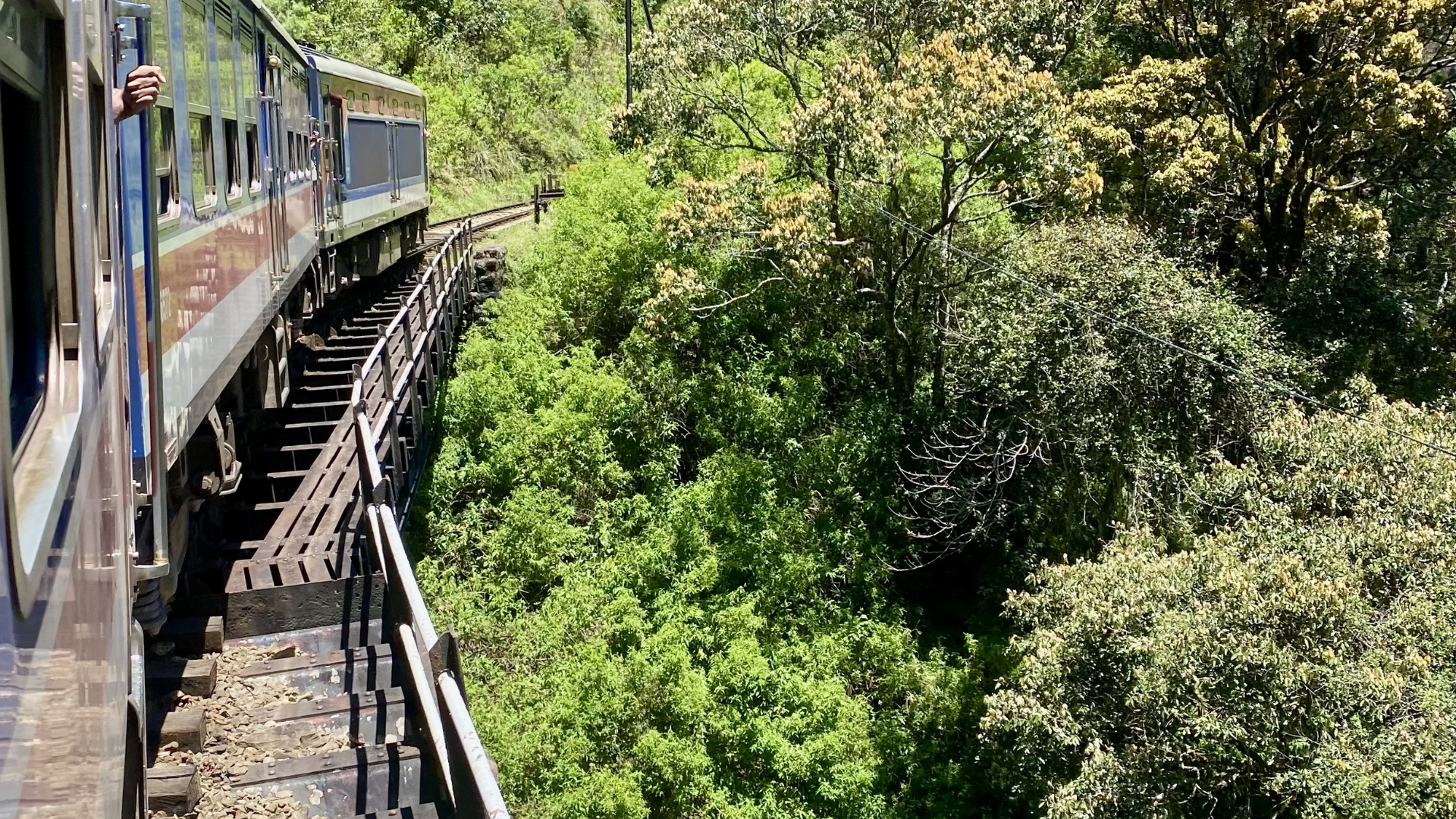 The famous Ella train ride from Kandy to Ella via Nuwara Eliya is the most photographed railway journey in Sri Lanka and arguably one of the most scenic in the world. The full journey from Kandy to Ella takes around seven hours and passes through 46 tunnels and across 99 bridges, with the track climbing through tea plantations, mist-covered ridges, and small hill stations. The observation carriage at the rear of the train gives you open-air viewing, and the door-hanging shots that define the social media version of this journey are taken from the open carriage doors in second class.
Book tickets in advance through the Sri Lanka Railways website or through a local agent. First-class observation tickets cost around £8 and sell out weeks ahead during peak season. Second class at around £3 runs a close second in terms of experience if first class is already full.
Ella itself is a small hill town that has grown considerably as a traveller destination over the past decade, but it retains a relaxed pace that makes it easy to spend two full days here without any sense of rushing.
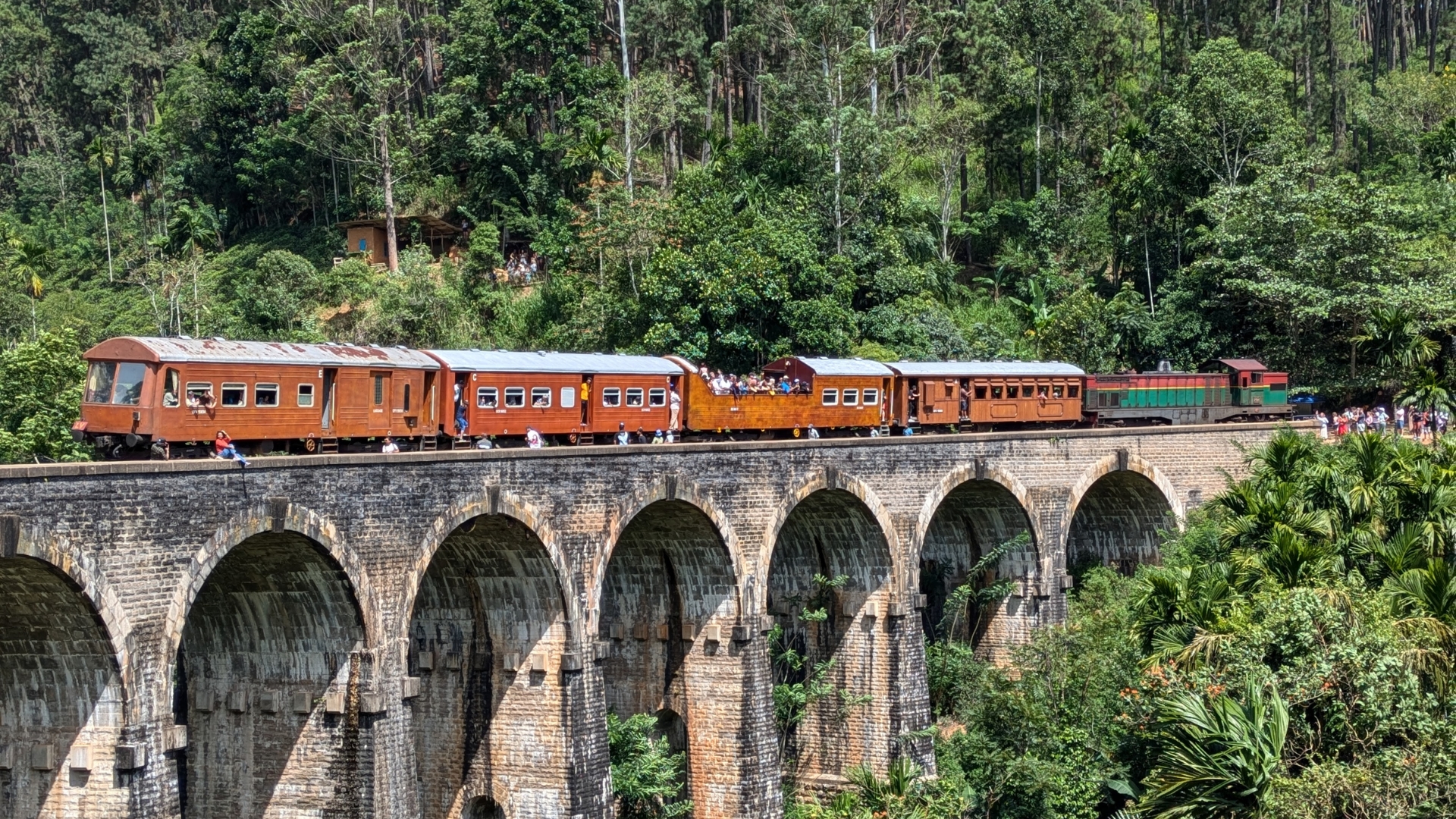 The Nine Arch Bridge is the landmark shot of Ella. The colonial-era viaduct sits a short walk below town through a tea estate, and when a train crosses it against the green valley backdrop, it makes for a photograph that justifies the detour entirely. Trains cross at set times through the day, so check the schedule before you walk down.
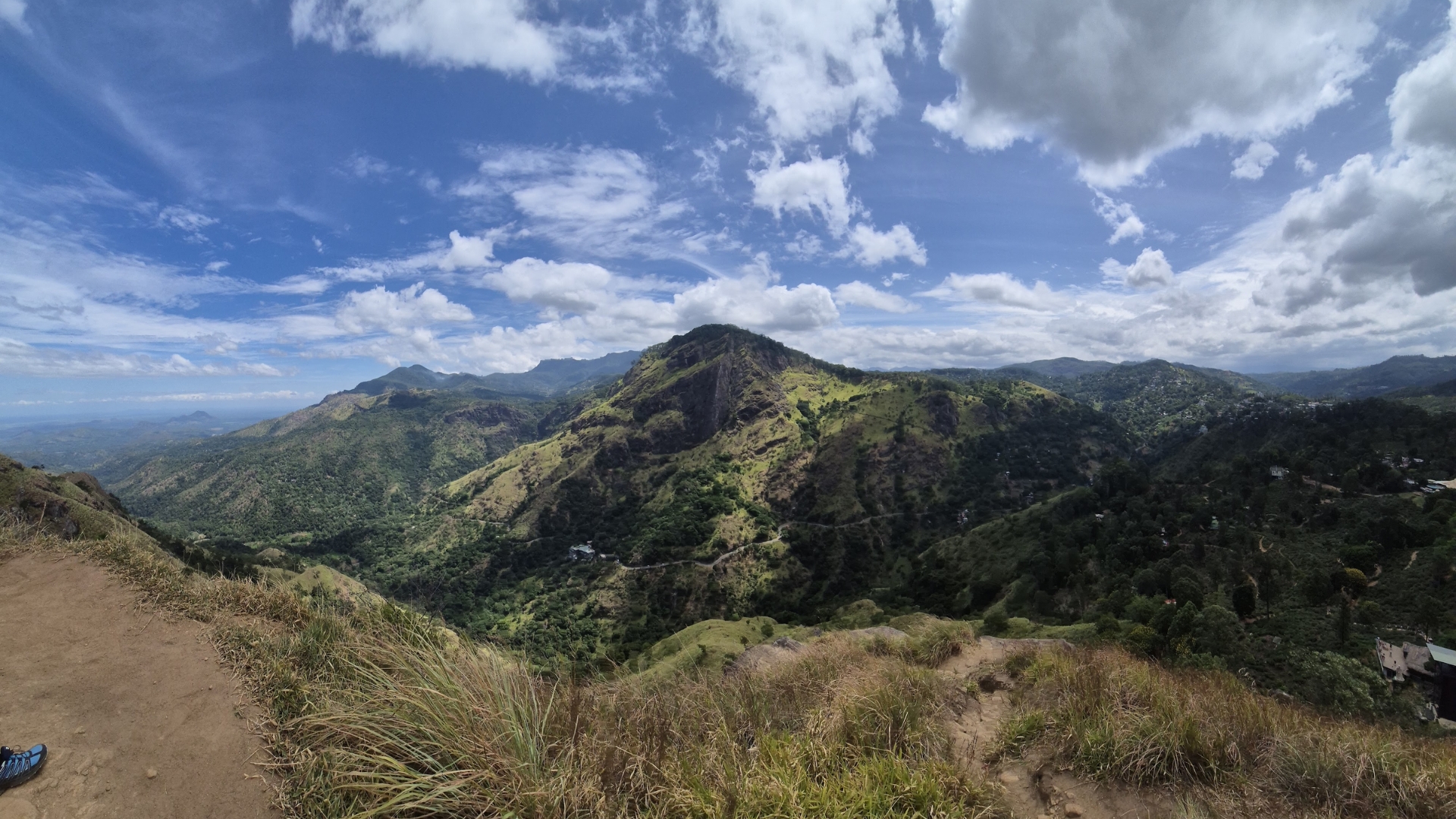 Little Adam’s Peak is a two-hour return hike from town that rewards you with a panoramic ridgeline view across the Ella Gap and the south coast plains far below. Start before 8am to catch the clearest air before cloud builds. Ella Rock is longer and steeper but gives you the highest viewpoint in the immediate area, and most competent walkers complete the return in around four hours.
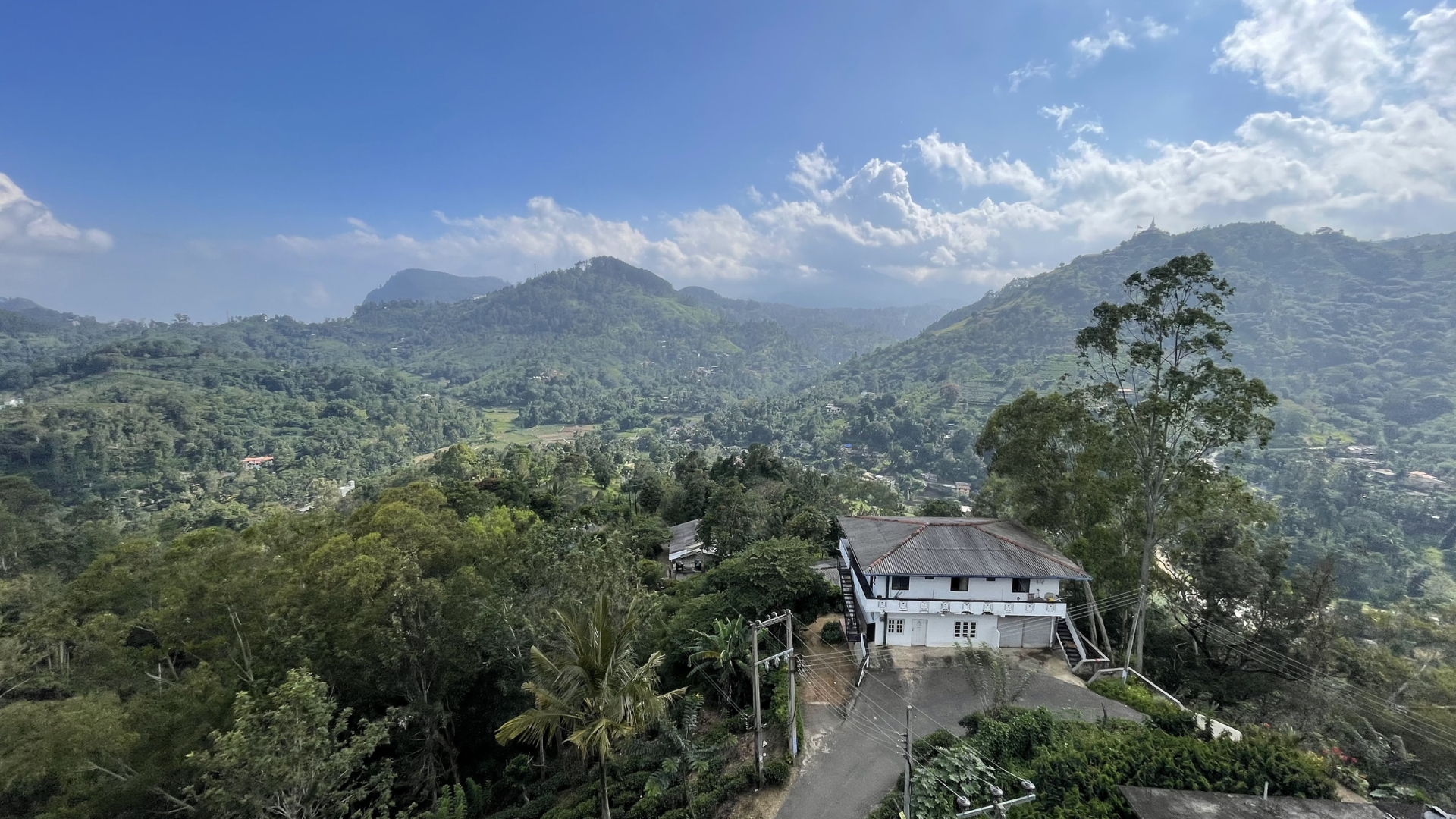 The tea plantation visits around Ella and Nuwara Eliya are worth prioritising on day eight. Heritance Tea Factory near Nuwara Eliya is one of the best-organised plantation tours, running through the full tea-processing operation from leaf to cup. The tea country around Nuwara Eliya sits at around 1,800 metres and the temperature drops noticeably, making it feel closer to the Scottish Highlands than a tropical island in a way that surprises most visitors.
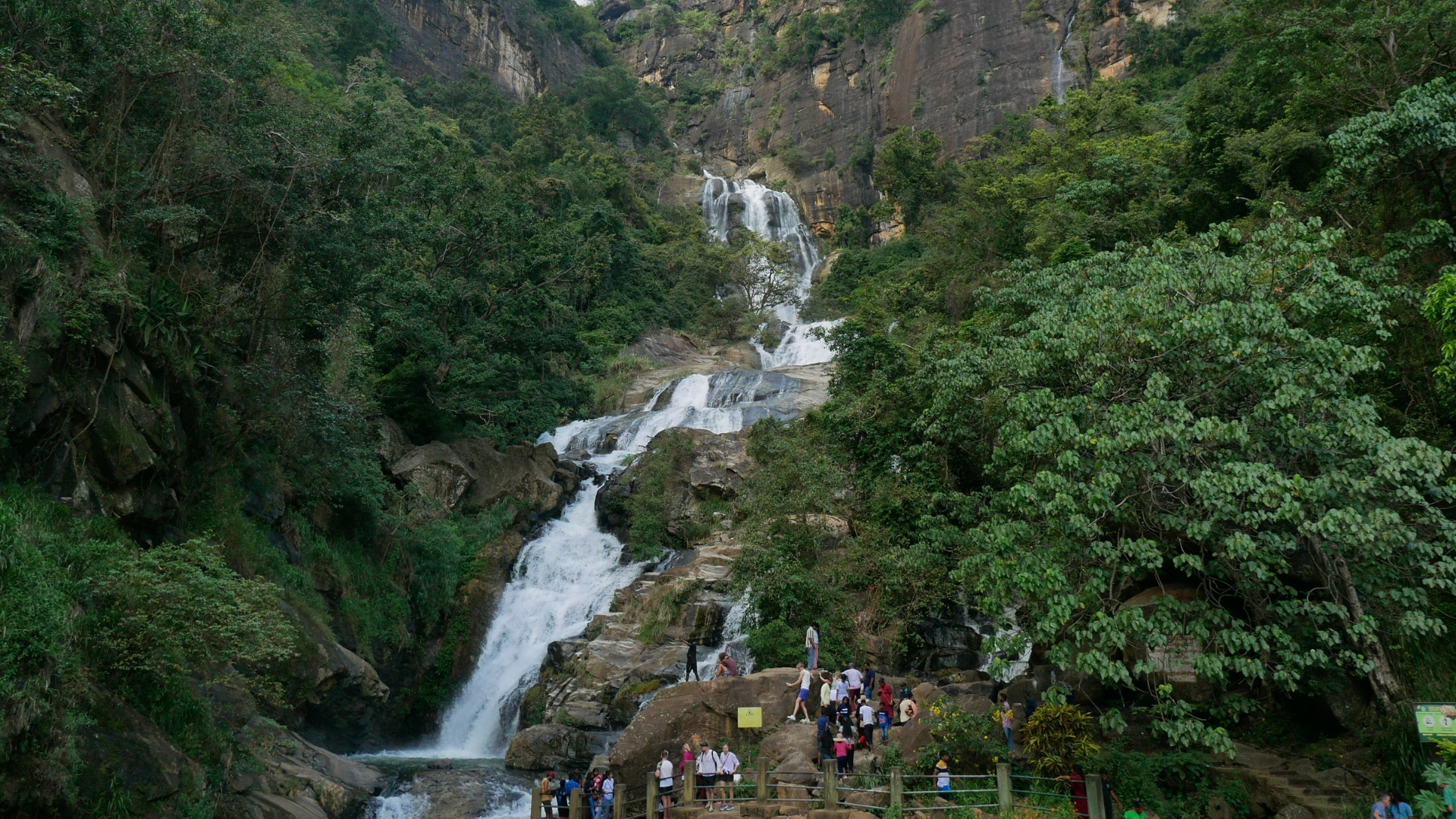 Ravana Falls sits 6 kilometres below Ella on the road toward the south coast and drops around 25 metres into a pool at the base. It is on the roadside and takes ten minutes to visit, but it is worth the stop.
Days 9 and 10: South Coast, Wildlife, and Beaches
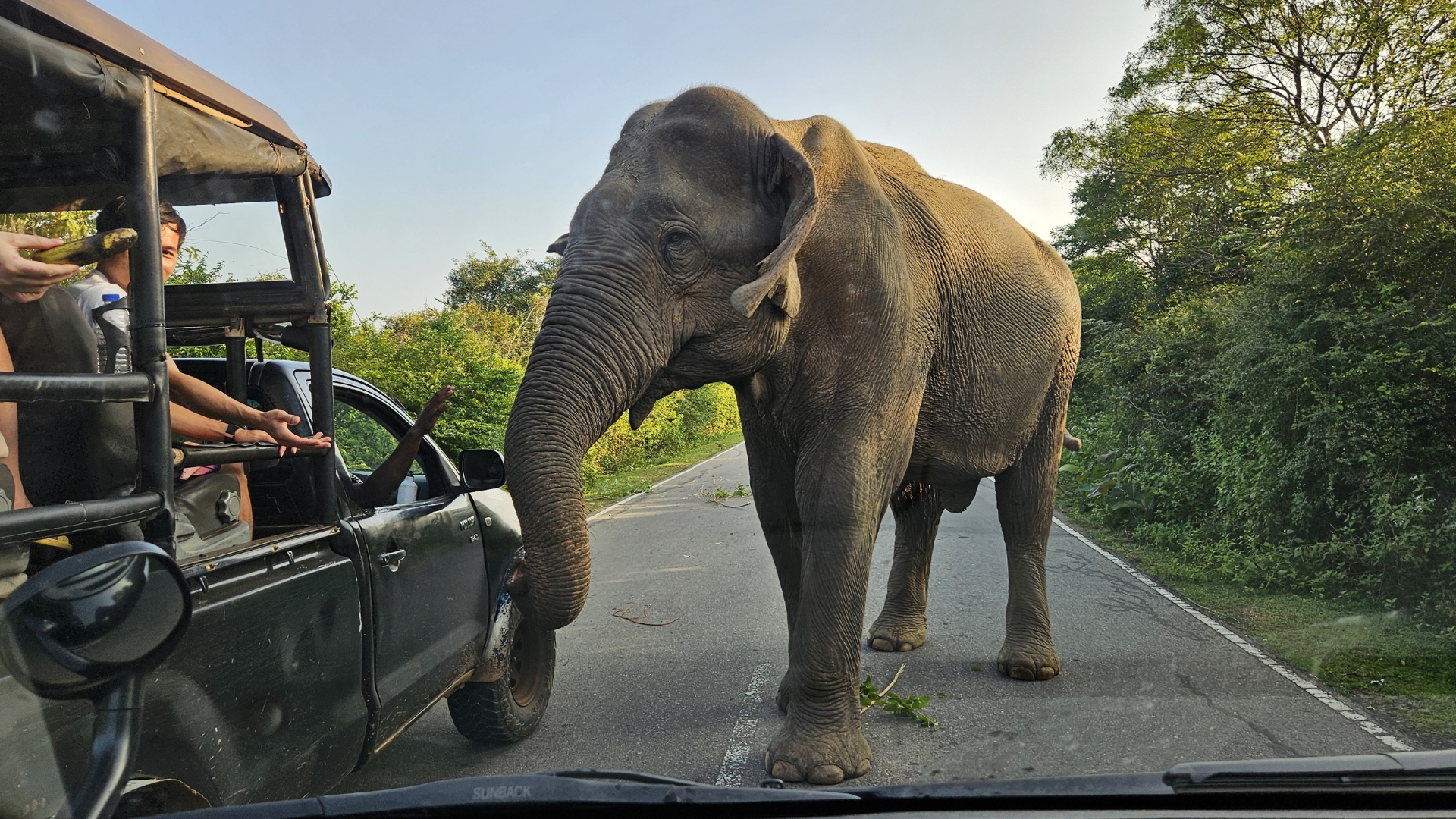 Day nine requires an early start because the Yala safari experience is fundamentally tied to the morning game drive. Yala National Park is the best-known wildlife reserve in Sri Lanka and carries one of the highest leopard densities of any protected area in the world. The morning drive begins before 6am and runs through a mix of dry scrub forest, lagoons, and open grassland where elephant herds, spotted deer, water buffalo, crocodiles, peacocks, and with patience, leopards move through a landscape that shifts from golden dawn light to full midday heat across a three-hour drive.
Book your Yala safari through your accommodation or a registered local operator. Half-day jeep safaris cost between £30 and £55 per person including park entry. The southern gate entrance at Palatupana is the busiest but also offers the most reliable wildlife sightings.
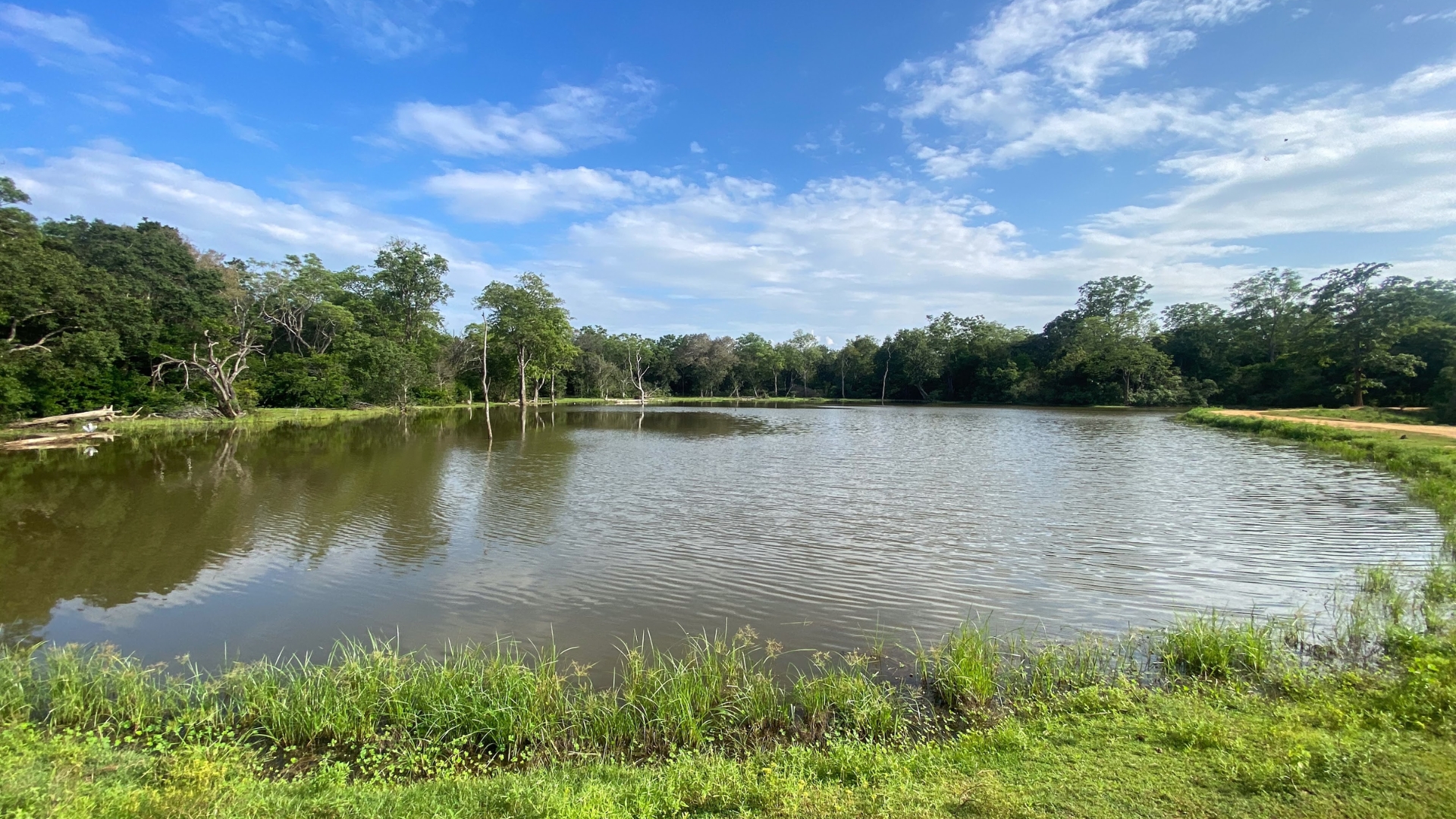 Udawalawe National Park, further west along the south coast, offers a more specialist experience with exceptionally reliable elephant sightings. If seeing a large elephant herd in open grassland is the priority over leopard spotting, Udawalawe is the stronger choice.
On day ten, the road west along the south coast takes you to Galle Fort, the best-preserved colonial fortification in Asia. The Dutch-built walls enclose a compact neighbourhood of colonial-era buildings, boutique hotels, independent cafes, and art galleries that feels genuinely unlike anywhere else on the island. The rampart walk around the outer wall at late afternoon gives you views over the Indian Ocean on one side and the red-roofed town on the other. Allow at least three hours to walk the fort properly.
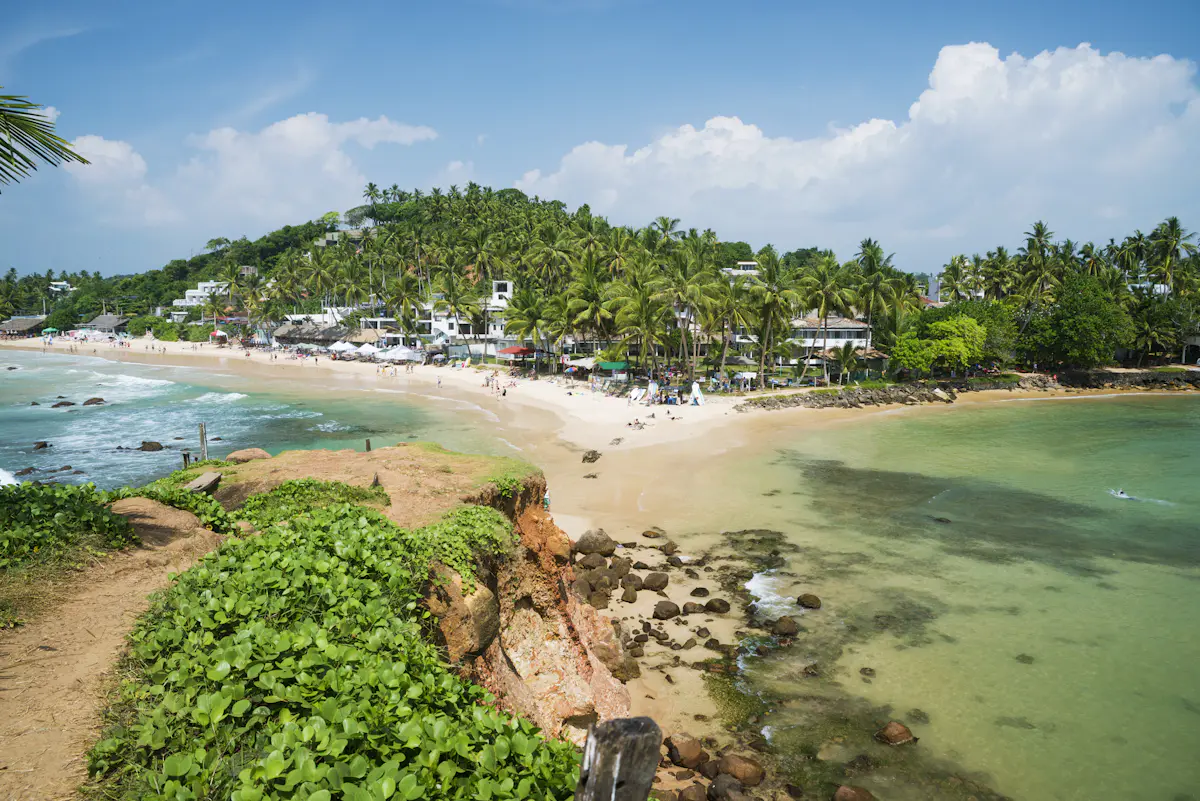
Mirissa beach, a short drive east of Galle, offers beach relaxation in a setting that is still relatively unhurried despite growing visitor numbers. The bay curves in a clean arc and the snorkelling off the eastern headland is accessible and rewarding. Whale watching boats operate from Mirissa harbour between November and April, with blue whale sightings making this one of the most reliable spots for large cetaceans anywhere in Asia.
Transport Options and Practical Tips
A private driver for the full 10 days costs between £350 and £550 depending on the vehicle and operator, and it is without question the most flexible and comfortable way to cover this route. Your driver handles all the logistics, waits while you explore, and can adjust timing on the fly in a way that trains and buses cannot.
The train between Kandy and Ella is the one segment where public rail is genuinely the better choice regardless of what other transport you use, both for the scenic experience and because the road alternative through the hills is slower and less rewarding.
Tuk-tuks handle short in-town distances and cost between 50 and 200 Sri Lankan Rupees per kilometre depending on your negotiation. The PickMe app functions as a metered alternative across most major towns and removes the need to negotiate fares.
2026 budget breakdown:
Budget traveller: £50 to £75 per day covering guesthouses, local food, and public transport. Mid-range: £100 to £180 per day covering comfortable hotels, private transfers, and a mix of local and tourist restaurants. Luxury: £250 and above per day covering boutique hotels, private guides, and premium experiences throughout.
Frequently Asked Questions (FAQs)
Is 10 days enough for Sri Lanka?
Ten days in Sri Lanka covers the core route very well when the itinerary is planned efficiently. You will not exhaust everything the island offers in that time, but this ultimate 10-day Sri Lanka itinerary covers the cultural triangle, hill country, wildlife, and the south coast without feeling rushed. First-time visitors consistently rate it as the right length for a strong first experience.
What is the best month for this itinerary?
December through March is the most reliable window for the south and west coast, with dry weather across most of the route. The hill country can receive rain at any time of year, though January and February are the driest. April and May work well before the southwest monsoon arrives. July and August are viable for the east coast and cultural triangle even though the south coast sees rain.
Should I hire a driver for 10 days in Sri Lanka?
For this specific route, a private driver is worth the cost. The flexibility to stop at a roadside viewpoint, adjust departure times for early safari starts, and cover the cultural triangle efficiently without waiting for local buses makes the experience considerably smoother. Split between two or three travellers, the cost becomes very reasonable.
How much does this itinerary cost?
A mid-range budget for this ultimate 10-day Sri Lanka itinerary sits at around £1,200 to £1,800 per person including flights from the UK, accommodation, transport, entrance fees, food, and activities. Travelling on a tighter budget with guesthouses and local food brings that closer to £800. Luxury travel with boutique resorts and private guides pushes above £3,000.
Can I do the Ella train ride in one day?
The full Kandy to Ella route takes around seven hours and is best done as a dedicated travel day rather than a day trip. Doing it return in a single day leaves no time for Ella itself, which defeats much of the point. Building it into the natural flow of the itinerary as a travel day between Kandy and Ella, as this guide structures it, is the right approach.
Wrapping Up…
Sri Lanka rewards travellers who plan properly and leave a little room for the unexpected. This ultimate 10-day Sri Lanka itinerary gives you the framework to do both. The cultural sites in the north hold genuine historical weight. The hill country train journey and tea landscapes are as good as their reputation suggests. The wildlife in Yala is unpredictable in the best possible way. The south coast lets you decompress before you fly home. Ten days in Sri Lanka will not cover everything, but this route covers the right things in the right order, and that makes all the difference for a first or second visit to one of Asia’s most rewarding destinations.