Lithuania surprised me. Genuinely. I’d heard bits and pieces about this Baltic gem, but nothing prepared me for how much character this country packs into such a compact area. If you’re wondering whether you can truly experience Lithuania in 3 days, the answer is absolutely yes – though I’ll warn you now, you’ll probably leave wanting more. There are so many brilliant things to do in Lithuania for longer than a weekend break, but a well-planned three-day itinerary gives you a proper taste of what makes this country special.
This Lithuania travel guide contains the most unique destinations that you really should see. At the same time, I only chose places that I think are truly worth your time as a tourist. So if you’re visiting the country for the first time, this guide will help you navigate the best things to do in Lithuania without feeling overwhelmed or rushed.
Lithuania has two international airports, in Vilnius and Kaunas. Vilnius is the capital and therefore has the largest and busiest airport, making it the natural starting point for most travelers. What struck me most about planning things to do in Lithuania was the incredible variety – medieval castles reflected in lakes, bohemian districts bursting with street art, and countryside that feels genuinely untouched by mass tourism. You can genuinely cover the highlights whilst still having time to breathe, explore, and connect with local culture during your Lithuania in 3 days adventure.
Day 1 – Discover Vilnius: History, Culture & Old Town Charm
Morning: Vilnius Old Town Walking Tour
Your Lithuania itinerary should absolutely start in Vilnius Old Town, a UNESCO World Heritage Site that somehow survived countless wars and destructions. There are many impressive buildings in the Old Town and the best way to see it all is to explore the historic center on foot. I cannot stress this enough – wear comfortable shoes because you’ll be doing serious walking, but every cobblestone and corner rewards your effort.
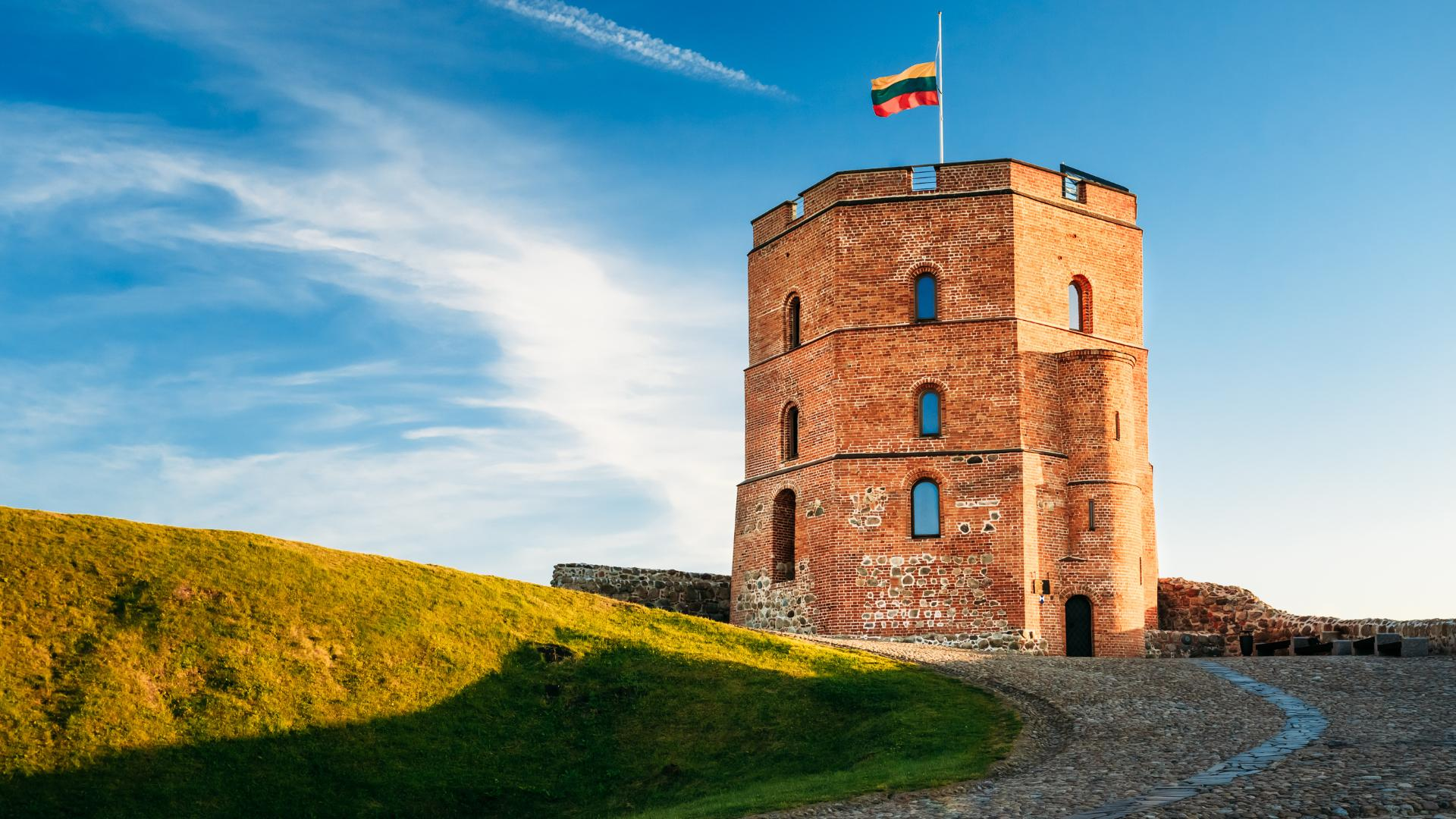
Start your Vilnius travel experience at Cathedral Square, the heart of the city where locals and tourists converge. The cathedral itself, with its neoclassical white facade, creates this imposing yet welcoming presence. From here, make your way to Gediminas’ Tower, which deserves its own moment of appreciation. The tower sits atop a hill overlooking the entire city, and the story behind it is quite something.
Legend has it that Grand Duke Gediminas dreamed of an iron wolf howling with the strength of a hundred wolves. As it was common in those days, Gediminas saw this as a will of God and decided to build a city in this location, naming it Vilnius after the Vilnia River.
Every Lithuanian grows up reading fairy tales and stories of this legend, and it would be hard to find a Lithuanian who hasn’t visited the tower at least once in their lifetime. It will come as no surprise that Gediminas’ Tower is considered one of the most important places to see in Lithuania. You can climb to the top for panoramic views that stretch across the terracotta rooftops, church spires, and the green hills beyond. The climb takes about 15-20 minutes, or you can take the funicular if your legs aren’t quite awake yet.
Wander down Pilies Street next, the main artery through the Old Town. This pedestrian street buzzes with energy – cafés spill onto pavements, amber jewelry shops glint in the sunlight, and street musicians add soundtrack to your morning. Don’t rush this part. The magic of Vilnius travel isn’t about ticking boxes but rather absorbing atmosphere.
Late Morning: Užupis – The Bohemian District
After exploring the main Old Town, cross the bridge into Užupis. I walked to this place on my second day, and honestly, it’s one of those neighborhoods that makes you rethink what a city district can be. Užupis is a UNESCO heritage site and declared itself as an independent republic, similar to Freetown Christiania in Copenhagen. This isn’t just quirky marketing – residents take their artistic independence seriously.
The district occupies what was once a rundown area, now transformed by artists, musicians, and free spirits into something wonderfully eccentric. Murals cover building facades, peculiar sculptures appear in unexpected places, and the whole area thrums with creative energy. The Užupis Constitution, posted on a wall in multiple languages, includes gems like “Everyone has the right to be happy” and “A cat is not obliged to love its owner, but must help in time of need.” It’s simultaneously profound and playful, much like the neighborhood itself.
Photography opportunities abound here. The angel statue in the main square, the street art that changes seasonally, the riverside views – bring your camera and allow at least an hour to properly explore. Small galleries and craft shops line the streets, perfect for picking up genuinely unique souvenirs rather than tourist tat.
Another Good Read: 13 Affordable places to visit in Europe in winter
Lunch: Traditional Lithuanian Cuisine
By now, hunger will be setting in properly. This is your chance to discover what to eat in Lithuania, and trust me, Lithuanian cuisine deserves more recognition than it gets. The food here is hearty, comforting, and deeply rooted in the country’s agricultural traditions.
Cepelinai are the national dish – large potato dumplings stuffed with meat, mushrooms, or cheese, served with sour cream and bacon bits. They’re named after Zeppelin airships due to their shape, and they’re filling enough to power you through an afternoon of sightseeing. Potato pancakes (bulviniai blynai) offer another delicious option, crispy on the outside and tender within. Rye bread appears with every meal, dense and flavorful, nothing like the fluffy stuff you’ll find elsewhere.
I’d recommend finding a traditional restaurant in the Old Town. Lokys or Forto Dvaras both serve authentic Lithuanian dishes in atmospheric medieval-style settings. Expect to pay around £10-15 for a main course with drinks, which is remarkably reasonable given the quality and portions. This represents genuine value when planning things to do in Lithuania on a budget.
Afternoon: Museums & Churches
The afternoon offers flexibility depending on your interests. The Museum of Occupations and Freedom Fights provides sobering but essential context about Lithuania’s recent history under Soviet occupation. The building itself served as KGB headquarters, and sections of the museum explore the basement cells where prisoners were held. It’s heavy subject matter but important for understanding modern Lithuania’s fierce independence and pride.
If you prefer architecture to history, St. Anne’s Church demands attention. This late Gothic masterpiece, built from 33 different types of red brick, looks like it belongs in a fairy tale. Napoleon supposedly wanted to carry it back to Paris in the palm of his hand. You can’t go inside (it’s under renovation indefinitely, it seems), but the exterior alone justifies the visit.
The Gate of Dawn, which I continued to after Užupis, is both a city gate and religious monument. The chapel above the gate houses a painting of the Virgin Mary considered miraculous, and pilgrims from across Europe visit to pray here. Even if you’re not religious, the devotion and atmosphere create something special.
I am not going to mention all these places separately because this would require a whole separate article. But some of them deserve a separate mention, and you’ll find that Vilnius packs an extraordinary amount of cultural richness into relatively small geography. The urban areas in Lithuania also have a lot of nature. In Vilnius, for example, you can be in the middle of the forest within a few minutes’ walk from the busy city center, which feels almost surreal.
Evening: Sunset at Gediminas’ Hill
Circle back to Gediminas’ Hill for sunset. The tower takes on golden hues as the sun drops, and the city below transitions from daytime bustle to evening calm. This quiet moment offers perspective – literally and figuratively – on your first day of Lithuania in 3 days. Watch as street lights begin twinkling across the Old Town, creating patterns that map the medieval street layout.
After sunset, stroll back through the Old Town for dinner. The evening light transforms familiar streets into something more intimate and magical. This slower pace, without agenda or rush, often produces the most memorable travel moments.
Day 2 – Kaunas: Art, Architecture & Riverside Charm
 Morning: Explore Kaunas Old Town
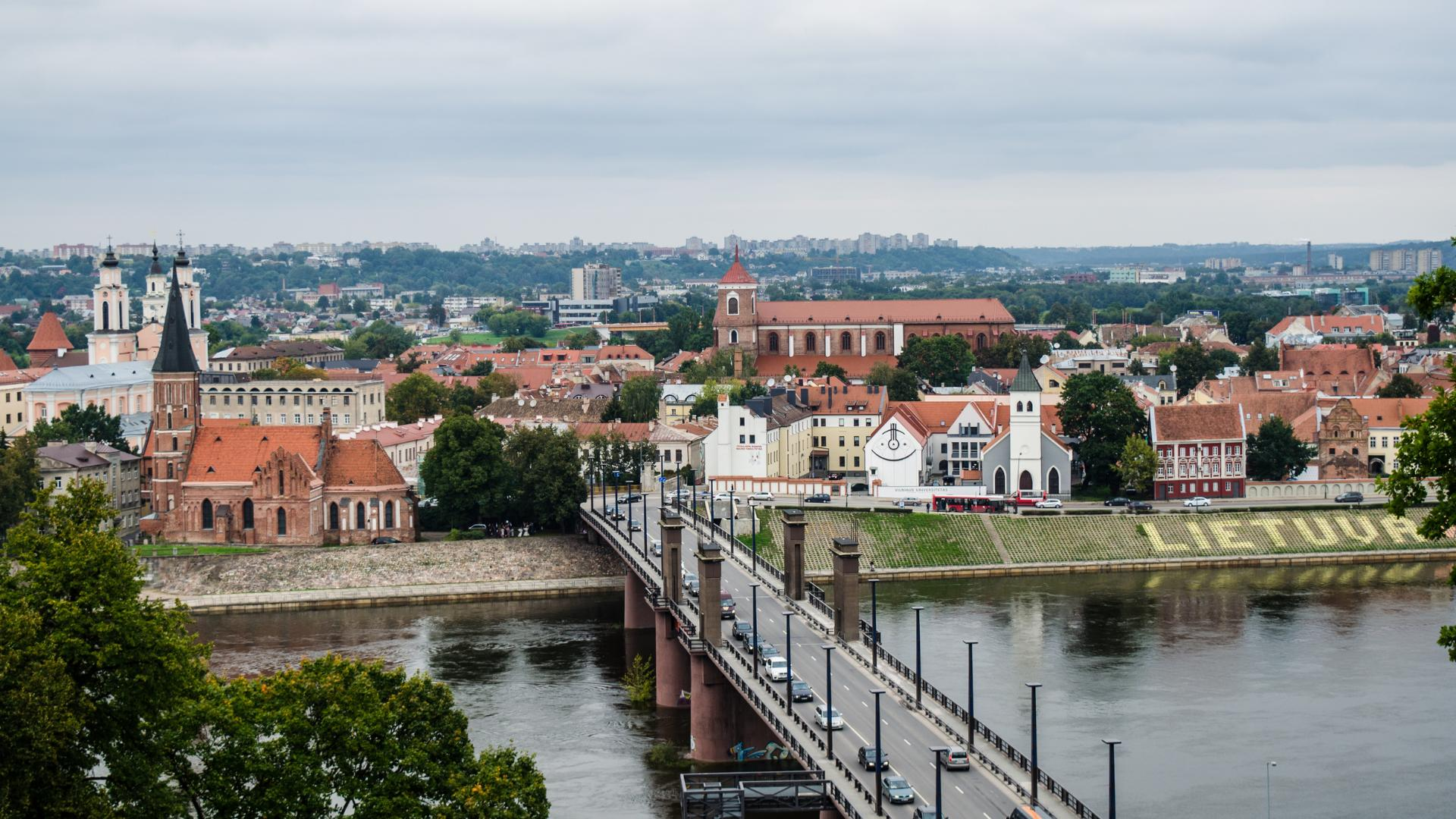
Day two shifts focus to Kaunas, Lithuania’s second city and former temporary capital. I had to head to Kaunas quite early on my day three, but ideally you’d spend a full day here to properly appreciate the Kaunas attractions. The train journey from Vilnius takes about 90 minutes and costs roughly £5-7, offering an easy and scenic connection between cities.
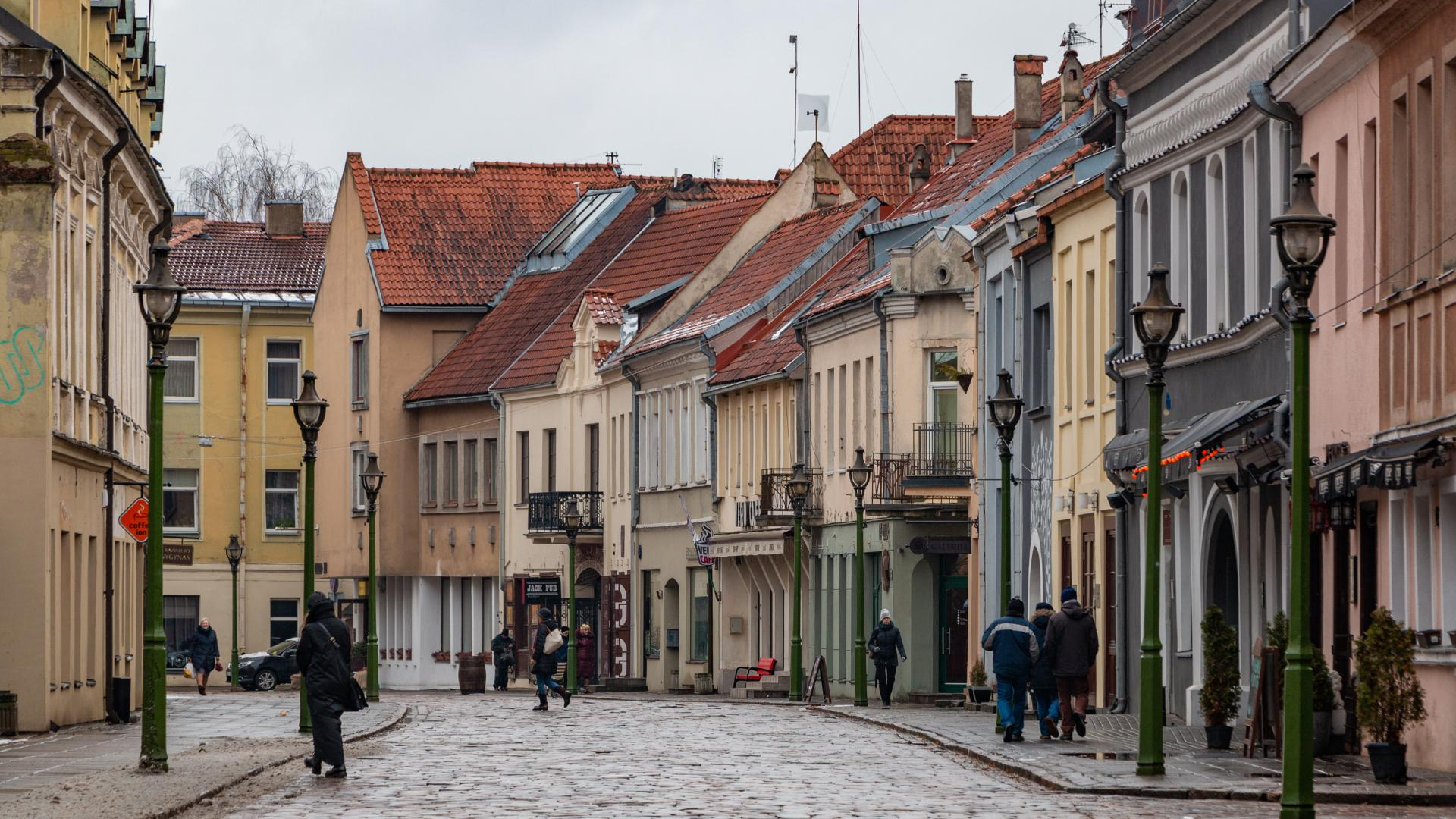
Kaunas Old Town feels distinctly different from Vilnius – smaller, quieter, with its own subtle charm. The Town Hall Square sits at the heart, dominated by the gleaming white Town Hall nicknamed “The White Swan” for its elegant tower. Unlike Vilnius’s grand baroque churches and narrow medieval lanes, Kaunas offers more breathing room. The squares feel more spacious, the streets wider, creating a relaxed atmosphere perfect for wandering.
Laisvės Alėja, the main pedestrian street, stretches for 1.6 kilometers and claims to be one of the longest pedestrian streets in Eastern Europe. It’s lined with cafés, shops, and beautiful early 20th-century architecture. This is where locals promenade in the evenings, where students from the local universities gather, and where you get a genuine feel for contemporary Lithuanian life beyond tourist circuits.
Kaunas Castle ruins sit where the Neris and Nemunas rivers meet. Only fragments remain of the original Gothic fortress, but the setting – rivers converging, green parks surrounding the ruins – creates a peaceful spot for reflection. I walked to the old town and Kaunas castle, then headed to the Christmas Market. The Christmas market was small but beautiful, and the main street in Kaunas was also lovely, even though none of this cost anything.
Late Morning: Pažaislis Monastery
About 6 kilometers from Kaunas center, Pažaislis Monastery represents one of the finest examples of Baroque architecture in the Baltic states. The monastery complex sits beside a lagoon. This creates mirror-like reflections that photographers dream about. White walls, ornate decorations, and peaceful surroundings make this feel worlds away from city life despite being relatively close.
You can reach Pažaislis by local bus or taxi. The monastery church’s interior dazzles with frescoes and stucco work, whilst the grounds invite quiet contemplation. Even if religious architecture isn’t typically your thing, the craftsmanship and setting merit the visit. It’s one of those Kaunas attractions that doesn’t make every Lithuania travel guide but absolutely should.
Lunch: Riverside Cafés & Local Flavours
Return to the city center for lunch along the riverside. Kaunas has embraced its waterfront in recent years, developing parks and promenades that make the most of the Nemunas River. Several cafés and restaurants offer terrace seating with river views, perfect for a leisurely meal.
Try šaltibarščiai if you haven’t yet – a bright pink cold beetroot soup that sounds odd but tastes incredible, especially on warmer days. Served with hot potatoes and sour cream, it’s refreshing and surprisingly filling. Pair it with local beer (Švyturys is brewed in Klaipėda but widely available), and you’ve got a perfect Lithuanian lunch in your Lithuania in 3 days.
Afternoon: Museums & Street Art
The M. K. Čiurlionis National Art Museum showcases Lithuania’s most famous painter and composer. Čiurlionis created dreamlike, symbolist works that blur boundaries between visual art and music. His paintings feel almost otherworldly, influenced by Lithuanian folklore and his synesthetic perception. The museum houses the world’s largest collection of his work alongside other Lithuanian and international art.
Alternatively, explore Kaunas’s burgeoning street art scene. The city was designated European Capital of Culture for 2022, spurring a wave of murals and public art installations. The courtyards around Laisvės Alėja hide remarkable pieces, whilst larger murals cover entire building facades. Recommend leisurely visits to enjoy things to do in Lithuania without rushing – street art deserves time to discover and appreciate properly.
Evening: Walk Along Neris River
As evening approaches, walk along the Neris River promenade. This newer development has transformed formerly industrial areas into pleasant parkland with walking and cycling paths. Locals jog, walk dogs, and gather on benches to watch the sunset. It’s quintessentially Lithuanian – not flashy or overtly touristy, just genuinely nice public space that enhances quality of life.
Find a restaurant in the Old Town for dinner. Bernelių Užeiga offers traditional Lithuanian cuisine in a rustic setting with folk music performances some evenings. Alternatively, Monte Pacis, located in a monastery complex outside the center, provides upscale dining if you fancy something special. Your Lithuania itinerary should include at least one memorable meal in Kaunas, and the city’s restaurant scene punches well above its size.
Day 3 – Day Trips & Iconic Sites Around Lithuania
 Morning: Trakai Castle
Trakai Castle, built in the 14th-15th centuries and just recently restored, is considered a definite must-see place in Lithuania. This is probably the single most photographed location in the country, and once you see it, you’ll understand why. The castle sits on an island in Lake Galvė, its red-brick towers and turrets reflected in still waters, surrounded by forested shores. It looks like something from a medieval fantasy.
In the afternoon, I went to Trakai Island Castle which cost £10 for entry. Trakai is a town about 45 minutes from Vilnius, reachable by regular bus service that costs just a few pounds return. It is a much quieter and more traditional setting, perfect for your final day of Lithuania in 3 days when you want something spectacular but not exhausting.
The castle itself functions as a museum, with exhibits about the Grand Duchy of Lithuania’s history. You can explore various rooms, climb towers for lake views, and walk the fortified walls. The restoration work has been extensive – the castle was basically ruins until the 1960s – but they’ve done remarkable job maintaining historical authenticity whilst making it accessible to visitors.
The town of Trakai itself deserves exploration. The Karaite community, brought here from Crimea in the 14th century, maintains unique cultural traditions. Try kibinai, traditional Karaite pastries filled with meat or vegetables, from one of the vendors near the castle. They’re delicious and offer something different from standard Lithuanian fare.
Midday: Hill of Crosses
The Hill of Crosses presents one of Lithuania’s most unique and moving sites. Located near Šiauliai in northern Lithuania, this pilgrimage site consists of countless crosses – estimates suggest over 100,000 – planted on a small hill. Crosses range from tiny to massive, simple to ornately carved, creating a forest of devotion that’s simultaneously beautiful and overwhelming.
The site’s significance runs deep. During Soviet occupation, authorities repeatedly bulldozed the crosses, but locals kept replanting them overnight as acts of peaceful resistance. Today, the Hill of Crosses symbolizes Lithuanian faith, hope, and determination. Visiting on the way back to Vilnius if possible makes sense geographically, though it does require either a rental car or organized tour as public transport connections are complicated.
Standing among these thousands of crosses, hearing them creak and clink in the wind, creates an atmosphere unlike anywhere else. It’s one of the best places to visit in Lithuania precisely because it can’t be replicated elsewhere. Even Pope John Paul II visited and held Mass here in 1993, recognizing its spiritual importance.
Lunch: Local Eatery Near Trakai or Hill of Crosses
Whether you’re near Trakai or venturing to the Hill of Crosses, seek out local eateries serving regional dishes. These family-run restaurants often offer the most authentic Lithuanian food, prepared using recipes passed down through generations. The pace is slower, the atmosphere more intimate, and prices significantly lower than tourist-focused establishments.
Near Trakai, several restaurants specialize in lake fish – particularly pike-perch and perch, freshly caught and perfectly prepared. The Lithuanian countryside produces excellent dairy products, so anything involving cheese, sour cream, or butter will be exceptional quality. This relaxed dining experience, without rush or pretense, captures something essential about Lithuanian culture.
Afternoon: Countryside & Small Villages
If you have a rental car, the drive between Trakai and Vilnius offers opportunities for spontaneous stops. Lithuania’s countryside rolls gently, dotted with traditional wooden houses, small churches, and forests that seem to stretch endlessly. The pace of life here feels wonderfully unhurried.
Short scenic drives through small villages allow connections with local culture and pace. You might stumble upon a roadside stall selling fresh honey or homemade cheese. Or discover a tiny wooden church that’s been serving its community for centuries. These unplanned moments often become favorite memories, precisely because they weren’t on any Lithuania travel guide itinerary.
The countryside also reinforces how Lithuania balances preservation with progress. Ancient traditions continue alongside modern life, creating cultural richness that feels genuine rather than performed for tourists.
Evening: Return to Vilnius – Farewell Dinner
Back in Vilnius for your final evening, choose a restaurant that summarizes your Lithuania in 3 days experience. Ertlio Namas offers fine dining with modern interpretations of historical Lithuanian recipes, perfect if you want something special. Alternatively, Džiaugsmas serves contemporary cuisine using local ingredients in a cozy, unpretentious setting.
This is your moment to reflect on three days that probably exceeded expectations. Lithuania doesn’t shout about its attractions or try too hard to impress. Instead, it quietly offers history, culture, natural beauty, and genuine warmth to those who take time to look properly.
Practical Lithuania Travel Tips for a Smooth 3-Day Trip
Transport Between Cities
Your Lithuania in 3 days itinerary will likely involve moving between Vilnius and Kaunas at minimum. Trains connect these cities regularly, taking about 90 minutes and costing £5-7 for standard class. The trains are clean, punctual, and offer pleasant views of the countryside. Buses provide alternative options, sometimes slightly faster or cheaper depending on timing.
For my transportation during this trip, I spent £21.98 total, which covered trains between cities and local buses. Within cities, walking handles most transportation needs given the compact historical centers. Vilnius has buses and trolleybuses if needed, with tickets costing around £1 per journey.
Rental cars make sense if you want flexibility for places like the Hill of Crosses or countryside exploration. Roads are generally good condition, traffic light outside Vilnius, and parking manageable. Just remember that driving regulations are strict, and speed cameras are common. Recently I visited Portugal, and so if you wanna check out what activities you can do there in 3 days, you must check my blog here.
Currency & Payments
Lithuania uses the Euro, having adopted it in 2015. This makes budgeting straightforward for European visitors, though UK travelers need to factor in exchange rates. Most establishments accept cards, even small cafés and shops, though carrying some cash for markets or rural areas makes sense.
Tipping isn’t obligatory but is appreciated for good service. Rounding up the bill or leaving 10% in restaurants is standard. For my food and drinks during this weekend in Lithuania, I spent £75.66, which included restaurant meals, café stops, and supermarket snacks. You can eat well without breaking the bank if you mix tourist restaurants with local spots.
Weather & Clothing
Lithuanian weather can be unpredictable regardless of season. Layering is essential – even summer days can turn cool, whilst winter requires serious warm clothing. I visited during Christmas market season, which meant temperatures hovering around freezing, so proper winter gear was non-negotiable.
Comfortable walking shoes are absolutely critical. You’ll cover miles on cobblestones, uneven pavements, and occasional muddy paths. My feet would have revolted without decent shoes. Rain gear also belongs in your bag year-round, as showers can appear with little warning.
Reservations & Peak Season Advice
Trakai Castle attracts crowds during summer and weekends, so arriving early or visiting weekdays reduces wait times. The castle ticket office accepts cards, but entry costs £10 as mentioned. Museums in Vilnius similarly see fewer visitors on weekday mornings.
For accommodation, booking ahead ensures better prices and selection. For my three-night stay, I spent £83.27 total. Firstly, I booked two nights in Vilnius in a small studio hotel that cost £55.27 for two nights. Although I had a double bed, so you could split costs with a partner, I wouldn’t advise it unless you’re not spending any time in the room. It was very small. My final night was spent in Kaunas, costing only £28 for a studio apartment with full kitchen facilities, shower room, and outside terrace. However, this was probably the worst place I’d stayed the entire year. The walls were so thin I could hear the kettle boiling next door, there was only one curtain so I couldn’t shut streetlights out, and on top of this, there was no toilet roll!
The lesson? Read reviews carefully and don’t always choose the cheapest option. Some great places to check for accommodation are TripAdvisor, or if you’re happy to use hostels for even more savings, try Hostelworld.
Connectivity & Apps
Wifi is widely available in hotels, restaurants, and cafés throughout Lithuania. Mobile data works well in cities, though coverage can be patchy in remote countryside. Google Maps functions perfectly for navigation, both walking and driving.
Consider downloading offline maps for Vilnius and Kaunas before arriving. Audio guides at major attractions like Trakai Castle and various museums enhance understanding of what you’re seeing. The apps generally work well and add context that makes visits more meaningful.
Final Thoughts – Making the Most of Lithuania in 3 Days
My total for this budget Lithuania in 3 days city break was £246.67, broken down as: flights £47.44, accommodation £83.27, activities £18.32, food and drinks £75.66, and transportation £21.98. Despite not spending a lot on activities, there was a lot to see in both cities. Also, if you’re on a really tight budget, you can eat out a lot less and save considerably more. Lithuania is a great holiday destination if you want a city break that isn’t going to cost a fortune.
Some important things to note here: I don’t include transportation to and from the airport in the UK. The reason being, it’s so different for everyone, so I can’t give a reasonable figure that suits all travelers. Equally, everything I do include can be replicated by the vast majority of people.
This Lithuania travel guide proves that three days provides enough time to experience the country’s highlights whilst maintaining a relaxed pace. You’ll explore history through castle ruins and occupation museums, enjoy culture in bohemian districts and traditional restaurants, and find unexpected beauty in lake reflections and countryside drives. These things to do in Lithuania showcase a country that balances tragic history with genuine optimism, preserving traditions whilst embracing progress.
Whether you’re planning things to do in Lithuania as part of broader Baltic travel tips or focusing specifically on this wonderful country, three days works beautifully. You’ll taste enough to understand Lithuania’s character, see enough to appreciate its diversity, and leave enough unexplored to justify returning. Which, honestly, you probably will want to do.
Lithuania surprised me at the start of this journey, and by the end, it had thoroughly charmed me. Give it three days, approach with open mind and comfortable shoes, and let this understated Baltic nation work its quiet magic on you too.