I’ve spent a fair bit of time chasing sunshine along Spain’s Mediterranean coast, and Alicante Spain has this perfect combination of city culture and beach life that keeps drawing me back.
The Costa Blanca—literally “White Coast”—stretches for over 200 kilometers, and Alicante sits right in its heart, offering easy access to some of the most beautiful beaches you’ll find anywhere in Spain.
What makes the beaches near Alicante so appealing isn’t just the obvious stuff like sunshine and clear water (though there’s plenty of both), but the variety within such a compact area.
Whether you’re planning a dedicated beach holiday or just want to know where to spend a few hours between sightseeing, understanding your options makes all the difference to your experience when you visit Alicante. Keep scrolling to figure out the best beaches near Alicante, Spain.
Recommended Read: 10 Beautiful Places To Visit in Europe This Fall
Understanding Alicante’s Coastline
The Costa Blanca around Alicante offers two distinct types of beaches. Understanding this helps you choose where to spend your time based on what kind of beach experience you’re after.
To the north of Alicante city, you’ll find long sandy beaches—wide expanses of fine sand perfect for laying out your towel, playing games, and taking those Mediterranean beach walks that stretch for kilometers. These are the beaches that families love, where amenities are plentiful and the gentle slope into the water makes swimming safe and easy.
Head south from Alicante, and the Alicante coastline changes character. The beaches become more rugged, with rocky headlands creating smaller coves and bays. The Alicante scenic coves along Cabo de las Huertas and beyond offer completely different pleasures. The Costa Blanca shoreline in these southern sections feels wilder and more dramatic, though you’re never far from civilization.
Water conditions vary throughout the year, but the Mediterranean here is generally calm compared to Atlantic coasts. The best beaches near Alicante benefit from being somewhat protected by the bay’s geography. Turns out, even when there’s wind elsewhere, you can often find sheltered swimming. Summer water temperatures reach a lovely 24-26°C, while even in May and October, the sea hovers around 18-20°C—cold at first plunge but perfectly swimmable once you’re in.
Best Beaches Near Alicante City
Playa del Postiguet – Best for City Beach Convenience
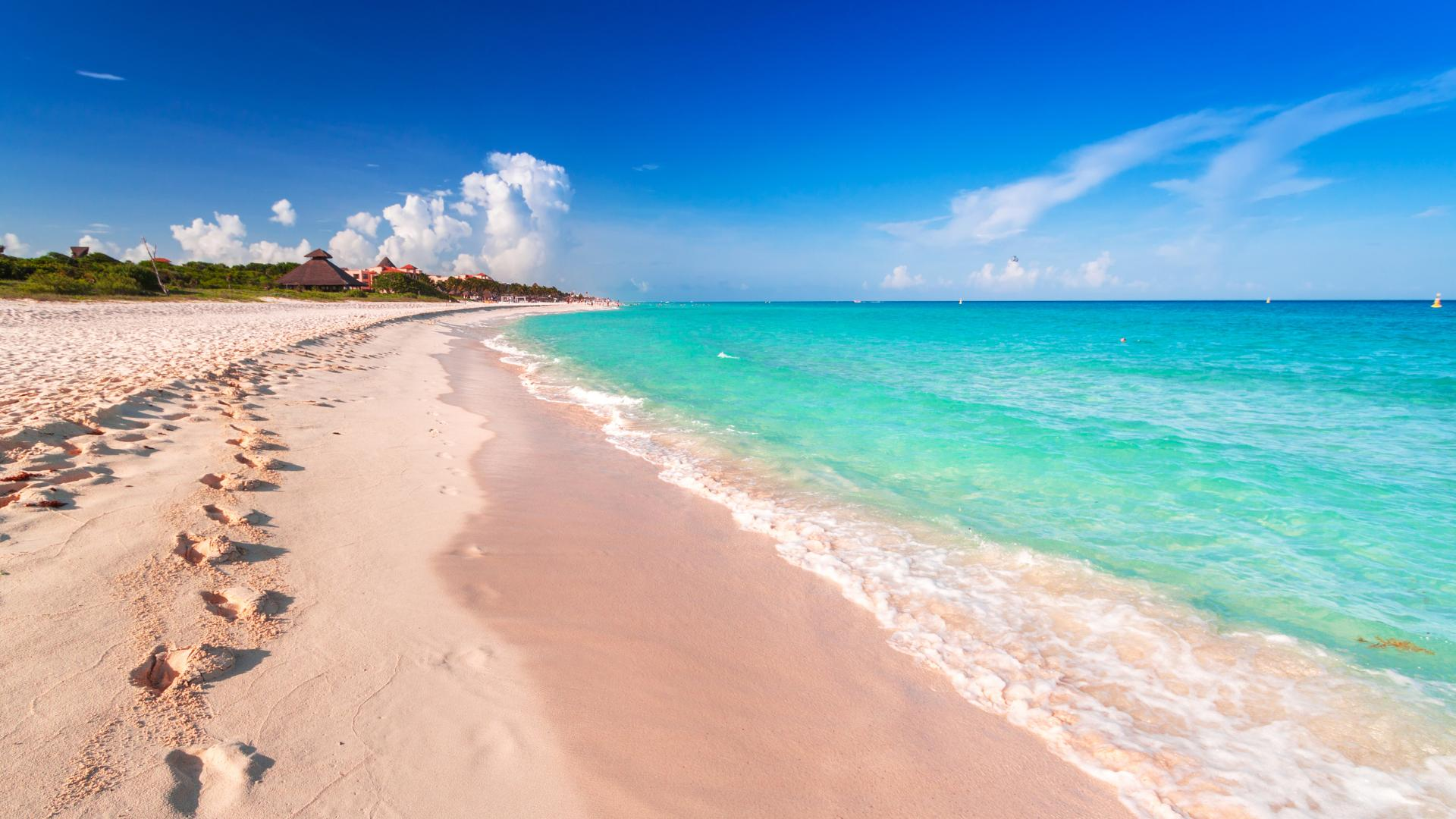 Why Visit: Playa del Postiguet sits right in the heart of Alicante, literally at the foot of the old town and Santa Bárbara Castle. This is your classic urban beach—convenient, well-maintained, and buzzing with activity during summer months. The sand is golden, the water is clean (Blue Flag certified), and you’re close enough to the city center that you can pop back for lunch at a proper restaurant rather than relying solely on beach bars. What I love about Postiguet is how it transitions seamlessly from city to sea—you can be exploring Alicante’s old quarter one minute and have your toes in Mediterranean sand the next. The beach stretches about 900 meters, wide enough that it rarely feels uncomfortably crowded even during peak season. Palms line the promenade behind the beach.
How to Get There: You can walk to Playa del Postiguet from pretty much anywhere in central Alicante. It’s about 10 minutes from the main shopping streets and even closer if you’re staying near the waterfront. Buses and trams stop nearby if you’re coming from further out, but honestly, the walk is pleasant and lets you soak up city atmosphere along the way.
Activities and Amenities: Everything you need is here—showers, toilets, lifeguards during summer, beach volleyball nets, and several chiringuitos (beach bars). You can rent sun loungers and umbrellas for around £5-7 per day if you want comfort, or just bring your own towel. The promenade behind the beach has cafés, restaurants, and shops if you need anything beyond basic beach provisions.
Insider Tip: Get there before 10am during July and August if you want prime position—by midday, it’s absolutely packed. The southern end of the beach near the marina tends to be slightly less crowded than the central section.
San Juan Beach – Best for Long Sandy Walks
Why Visit: Stretching over 7 kilometers, Playa de San Juan has expansive white sand and clear blue water that make it feel almost tropical on sunny days. This is what I think of when I imagine the perfect Mediterranean beach—wide, clean, and backed by a palm-lined promenade that runs the entire length. The beach is ideal for sunbathing, beach sports, and those leisurely strolls along the shoreline where you can walk for ages without running out of sand. By many locals, Playa de San Juan is considered one of the best beaches in Alicante because there is something for everyone along this long stretch.
How to Get There: From Alicante city center, the L3 tram provides a direct route to Playa de San Juan, with the journey taking approximately 25 minutes. The tram drops you right at the beach. Trams run frequently and cost around £1.50 each way.
Activities and Amenities: The beach offers a plethora of activities, including volleyball, windsurfing, and paddleboarding. You’ll see locals playing football and racquetball, kids building elaborate sand constructions, and groups of friends setting up for the day with coolers and umbrellas. Facilities are excellent with multiple shower points, toilets, first aid stations, and lifeguard posts spaced along the beach. Accessibility is good too, with wooden walkways over the sand and adapted facilities for wheelchair users.
Insider Tip: The northern end of the beach tends to be quieter. This in turn makes it perfect for those seeking a more relaxed atmosphere. If you want the lively social scene with more bars and restaurants, stick to the central and southern sections.
Cabo de las Huertas – Best for Snorkeling and Coves
Why Visit: Cabo de las Huertas feels like a completely different beach experience compared to the sandy stretches further north. This rocky headland south of Alicante city features multiple small coves and inlets where volcanic rock formations create natural swimming pools and fantastic snorkeling spots. It’s one of those places where the journey between coves becomes part of the experience, scrambling over rocks and discovering new spots to swim.
How to Get There: Bus number 21 from Alicante center runs to Cabo de las Huertas, though the route can be a bit confusing for first-timers. Alternatively, it’s a pleasant 5km walk or cycle along the coastal path from Postiguet beach. With a car, there’s limited parking near the main access points, so arrive early or be prepared to walk from further away.
Activities and Amenities: This is more of a bring-your-own-provisions situation compared to the bigger beaches. There are a few small beach bars near some of the coves, but facilities are minimal—no showers, limited toilets, and definitely no sun lounger rentals. What you do have is brilliant snorkeling, cliff jumping spots (if you’re comfortable with that sort of thing), and the chance to find your own private cove on quieter days.
Insider Tip: Cala Cantalares is the most accessible and family-friendly of the coves here, with a small sandy area and easier entry into the water. For more dramatic scenery and better snorkeling, head to the coves further south toward Agua Amarga. These Alicante hidden beaches get busy on weekends but stay relatively quiet midweek, even in summer.
Quiet and Natural Beaches Near Alicante
Playa del Carabassí – Best for Nature Lovers
Why Visit: Playa del Carabassí represents everything I love about the Alicante natural beaches. Six kilometers of relatively undeveloped coastline backed by dunes and pine trees rather than high-rise hotels. This beach sits south of Alicante near the town of Santa Pola, and it maintains that wild, unspoiled feeling that’s increasingly rare along heavily developed coastlines. The sand is fine and pale and the water is typically calm and clean. The whole setting feels more remote than the short distance from Alicante would suggest.
How to Get There: Getting to Playa del Carabassí without a car takes a bit more effort than the urban beaches. You’ll need to take a bus to Santa Pola (about 40 minutes from Alicante), then either walk, cycle, or catch a local bus to the beach. With your own transport, it’s about a 20-minute drive from Alicante city, with parking available behind the dunes.
Activities and Amenities: Facilities are deliberately minimal to preserve the natural character. A few seasonal beach bars appear during summer, basic toilets near the main access points, and that’s about it. This is a bring-everything-you-need beach. Pack food, water, sun protection, and plan accordingly. What you get in return is space, quieter swimming spots, and that sense of having found somewhere less commercialized.
Insider Tip: The central sections of the beach near the main access points get busier, but walk 15 minutes north or south and you’ll often find yourself with just a handful of other people nearby. These quiet beaches near Alicante require a bit more effort, but that’s precisely why they stay quiet. It’s among the best beaches near Alicante.
Playa de Muchavista – Best for a Relaxed Local Feel
Why Visit: Playa de Muchavista runs between Alicante and the town of El Campello. It offers about three kilometers of sand that feels more residential and relaxed than some of the busier beaches near Alicante. This is where local families come to spend the day, where you’ll hear more Spanish than English, and where the pace feels wonderfully unhurried. The beach itself is lovely—clean sand, clear water, and a promenade behind with a nice mix of local restaurants, small shops, and the kind of unpretentious beach bars where a beer costs what it should rather than inflated tourist prices.
How to Get There: The same L3 tram that goes to San Juan Beach stops at Muchavista, making it easy to reach from Alicante city center. The journey takes about 20 minutes, and you can see which stop to get off at by looking for the beach. Some people walk between San Juan and Muchavista along the coastal path—it’s about 2.5km and makes for a pleasant stroll with sea views the entire way.
Activities and Amenities: You’ve got all the standard amenities—showers, toilets, lifeguards in summer, and several beach bars and restaurants. The facilities aren’t as numerous as San Juan or Postiguet, but everything you need is there.
Insider Tip: For the most authentically local experience, visit on a Sunday morning when Spanish families descend for their weekly beach day. Yes, it’s busier, but the atmosphere is brilliant.
Best Beach Day Trips from Alicante
Tabarca Island Beaches – Best for Crystal Clear Water
Why Visit: Tabarca Island best beaches near Alicante offer the clearest water you’ll find. We’re talking that see-your-toes-at-three-meters-deep kind of clarity that makes snorkeling absolutely brilliant. This tiny island (barely 2km long and 400m wide at its widest point) sits about 20 kilometers off the coast of Alicante, and the boat journey itself is half the fun. The island has two main swimming areas. The harbor area which is more developed with restaurants, and the wild eastern end where rocky coves offer the best snorkeling and that Alicante crystal clear water people rave about.
How to Get There: Boats to Tabarca leave from both Alicante harbor and Santa Pola, with the journey taking 45-60 minutes depending on which port you depart from and sea conditions. During summer, multiple companies run services throughout the day, with boats leaving every hour or two. In shoulder seasons (May-June, September-October), frequency drops but there are still regular departures. Tickets cost around £18-24 for a return trip, and you can buy them at the harbor or book online. Boats can get quite full in peak summer, so arriving early for popular departure times is wise.
Activities and Amenities: Tabarca doesn’t have traditional sandy beaches in the urban sense—instead, you’re swimming off rocky platforms or small pebbly areas. This is absolutely one of the Alicante swimming spots where proper water shoes make life much more comfortable. The best snorkeling is on the eastern side of the island where the protected marine reserve shows its full glory. You’ll see more fish here in an hour than you would in a week at most Mediterranean beaches.
Insider Tip: The absolute best snorkeling is in the coves on the northeastern corner of the island—follow the path that runs along the northern coast past the lighthouse. You’ll need to scramble over rocks to get down to the water, but the effort is rewarded with the clearest water and best marine life. These Alicante quiet coves on Tabarca are where serious snorkelers spend their entire visit.
Beach Towns Along the Costa Blanca
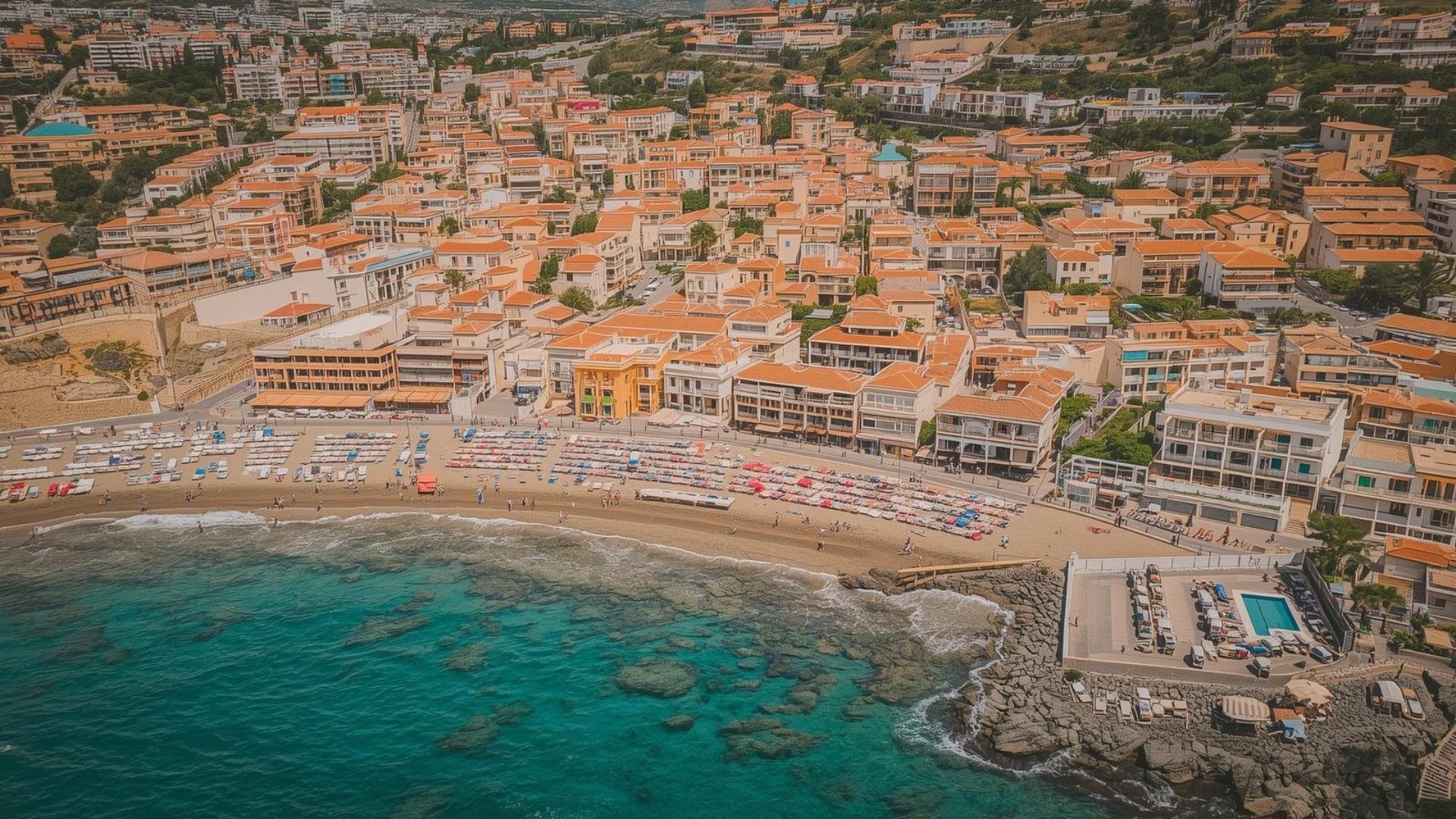 Beyond the best beaches near Alicante, the Costa Blanca offers numerous small towns worth visiting for their beach scene and local character. These Alicante beach towns nearby provide easy day trips and offer different perspectives on Mediterranean coastal life than you get staying in Alicante city itself.
- North of Alicante, El Campello sits about 10km up the coast and offers a pleasant mix of sandy beaches and rocky coves.
- South of Alicante, Santa Pola combines working fishing port with family beach resort, and it’s the jumping-off point for Tabarca Island.
- Further south, Guardamar del Segura boasts over 11km of beaches backed by pine forest, offering that wilder feel while still having good facilities.
The Costa Blanca beaches vary dramatically in character depending on how far you venture from Alicante. Some towns have fully embraced package tourism with all that entails, while others maintain that local Spanish character where tourism is present but doesn’t dominate. The beauty of basing yourself in Alicante Spain is that you can explore these different options easily.
Best Beaches Near Alicante for Different Travelers
Family-Friendly Beaches Near Alicante
If you’re traveling with children, certain beaches work much better than others for keeping everyone happy and safe. The family beaches near Alicante share common characteristics.
- San Juan Beach tops the list for families, with its long sandy stretch, calm water, and excellent facilities. The shallow gradient means kids can splash around in ankle-deep water. The promenade behind offers ice cream shops, playgrounds, and those mini-train rides that small children inexplicably love.
- The Alicante family-friendly beaches also include Playa de San Gabriel in nearby Alicante port area, which has a dedicated kids’ play area and shallower water.
- Playa del Postiguet works well for families staying in central Alicante who want easy beach access without long journeys. The urban location means you’re never far from shops, restaurants, or your accommodation if someone needs a break.
- Muchavista offers a slightly quieter family experience with the same gentle beaches but fewer crowds and more space to spread out.
What makes beaches less suitable for families with young kids? Rocky entries (like Cabo de las Huertas), remote locations with limited facilities (Carabassí), or anywhere with strong currents or drop-offs. The best beaches near Alicante for families prioritize safety and convenience, which might sacrifice some wildness or dramatic scenery but makes the experience infinitely more relaxing for parents.
Quiet Beaches Near Alicante for Couples
Couples seeking romance or just peaceful time together will appreciate the quieter best beaches near Alicante. They offer more seclusion and natural beauty. The quiet beaches near Alicante are typically either more remote. They do demand effort to reach, or feature rockier coastlines that naturally attract fewer people than broad sandy beaches.
- Cabo de las Huertas shines here, particularly the smaller coves that require short walks from main access points. The sunset from these coves is particularly romantic, with the rocky coastline catching golden light and the whole scene feeling properly special.
- Playa del Carabassí’s long, wild stretch means you can find isolated sections even during busy periods. A 20-minute walk from the main access points brings you to stretches of beach where you might see only a handful of other people all day.
- For couples who want Alicante beach escapes but with more infrastructure nearby, the quieter sections of Muchavista or the northern end of San Juan offer good compromises. You get relative peace while maintaining easy access to restaurants and facilities for when you want them. The Alicante coastal charm in these areas feels more authentic and less touristy than the central beach sections.
When Is the Good Time to Visit the Best Beaches near Alicante?
Understanding the best time to visit Alicante beaches helps you balance weather, crowds, and water conditions with your personal preferences. The short answer is that June and September offer the sweet spot. Let me break down what each period offers so you can choose based on your priorities.
Peak Summer (July-August): This is when Alicante beaches are at their busiest and the weather is guaranteed to be hot—often very hot, with temperatures regularly exceeding 30°C and sometimes hitting 35-38°C. The sea is at its warmest (24-26°C), which is lovely for swimming, but beaches can be packed, particularly on weekends. Accommodation prices peak, everything feels crowded, and the heat can be genuinely uncomfortable for some visitors. If you want to visit Alicante during these months, weekdays are better than weekends, and consider staying slightly outside the city center where beaches are less intensely busy.
Shoulder Season (May-June, September-October): These months offer brilliant beach weather with significantly fewer crowds. May sees temperatures around 22-25°C, perfect for beach days without being oppressively hot. The sea is warming up but still a bit brisk in early May (around 18-19°C). By late May and June, everything aligns. September mirrors this in reverse—still hot (26-28°C), sea at its absolute warmest from summer heating, and crowds thinning as schools restart. October remains pleasant (22-24°C) though the sea cools slightly and you might get occasional rain.
Low Season (November-April): Beach swimming during these months is for hardy souls—water temperatures drop to 14-16°C in winter months, though sunny days can still be warm enough for sunbathing (15-20°C air temperature). The beaches near Alicante take on a different character during winter—peaceful, atmospheric, great for walks and getting fresh air, but not really beach holiday season. That said, the Costa Blanca’s mild winter climate means you’ll have plenty of sunny days when sitting on the beach with a book is perfectly pleasant, even if swimming isn’t appealing.
The absolute best time combines all factors—I’d say late May or early June for fewer crowds with warming water, or mid-September when the sea is warmest but the intense summer crowds have dispersed. If you must visit during peak season, embrace the energy rather than fighting it, and explore Alicante beach day trips to less-known beaches where even in August you can find relative peace.
Practical Alicante Beach Travel Tips
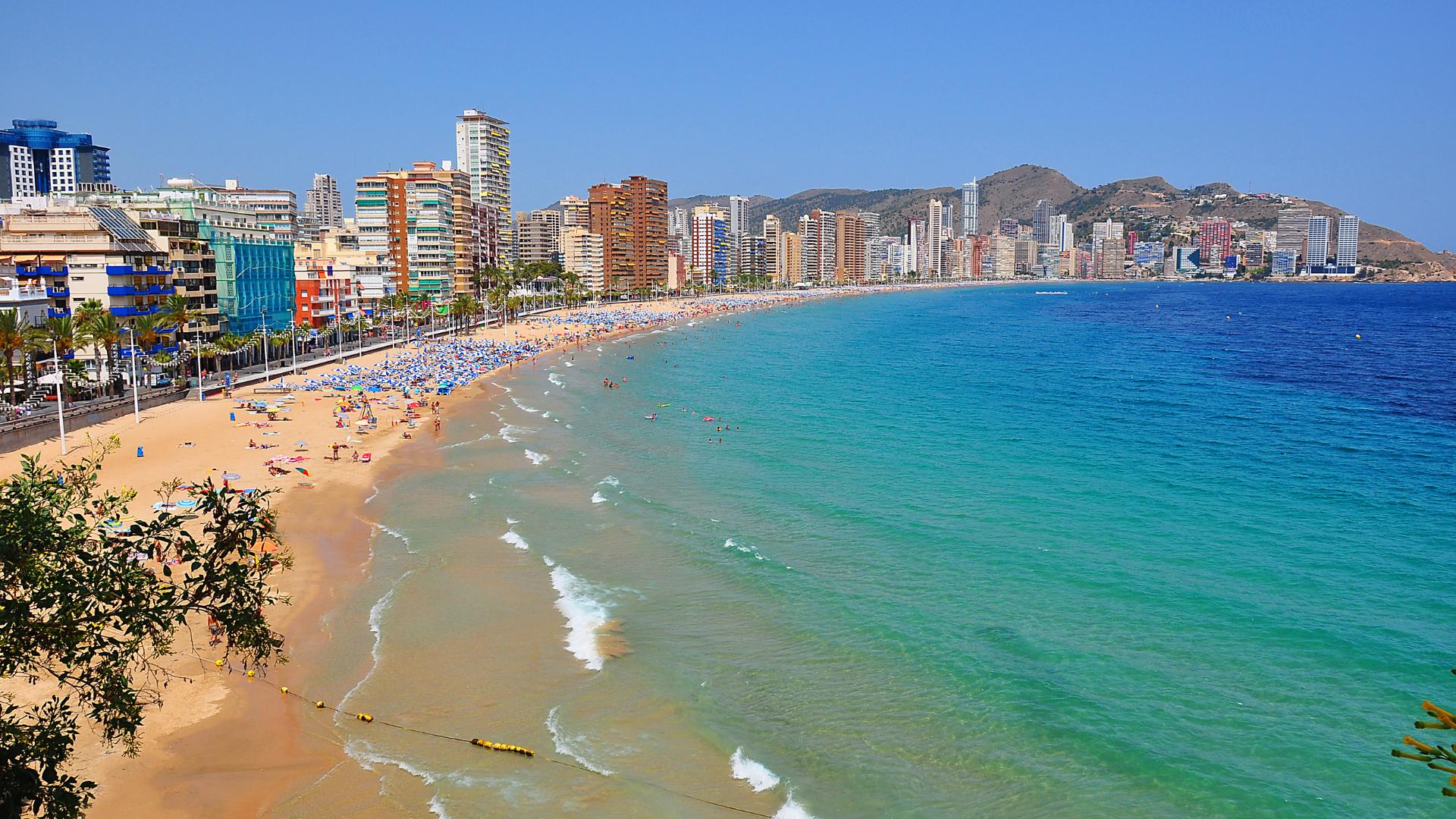 Let me share some Alicante travel tips that will make your beach time smoother and more enjoyable, based on my own experiences and lessons learned the slightly hard way.
Transport: Getting around Alicante and to nearby beaches is straightforward. The tram system is excellent. It connects the city to beaches from San Juan in the north down to El Campello. Trams run frequently during summer, cost about £1.50 per journey, and are air-conditioned (crucial in July-August).
What to Pack: Beyond the obvious (swimsuit, towel, sunscreen), bring these items that many people forget but you’ll be glad to have:
- Water shoes
- Plenty of water
- Some form of shade (portable umbrella or pop-up shelter) for beaches with limited natural shade
- A waterproof phone case
- Actual Spanish cash
Sun Protection: The Spanish sun is serious business. Even on days that don’t feel blisteringly hot, the UV index during summer is extreme, and you can burn badly in 20 minutes without protection. Reapply sunscreen frequently, especially after swimming.
Beach Etiquette: Spanish beach culture has its own rhythm and rules. Smoking on beaches is increasingly restricted or banned entirely in many Alicante beaches—check posted signs. Loud music is generally frowned upon; people want to hear the sea, not your playlist. Topless sunbathing is completely normal and not considered unusual. Dogs are often prohibited during summer (May-October) on most beaches, though some sections allow them outside peak hours.
Practical Considerations: Facilities like showers and toilets exist on major beaches but not remote ones. So, i recommend planning accordingly. Beach bars and restaurants on prime stretches get expensive during peak season. Also, be aware that some beaches get seriously busy during August when Spanish families take their annual holidays—what felt spacious in June might be shoulder-to-shoulder in mid-August.
Another Good Read: Bansko Travel Guide in Winter
Suggested Alicante Beach Itinerary (2–3 Days)
Let me suggest an Alicante beach itinerary that covers the range of beach experiences available while being practical and not exhausting. Obviously adapt this based on your interests, energy levels, and whether you’re more city beach or wild coast people.
Day 1: City Beaches and Coastal Walk
Start your morning at Playa del Postiguet. Get there by 9am while it’s still relatively quiet. Have breakfast at one of the promenade cafés, swim, and soak up the atmosphere of this classic urban beach. By late morning, begin the coastal walk from Postiguet toward Cabo de las Huertas. This walk takes about an hour at a leisurely pace, following the promenade with sea views the entire way.
Bring a picnic or plan to eat at one of the small beach bars if they’re open. Spend a few hours exploring different coves, swimming, and enjoying the dramatically different beach experience from the sandy stretches. Late afternoon, continue the coastal walk to Playa de la Almadraba or catch a bus back to Alicante for evening in the old town. This day gives you urban beach, coastal walking, and rugged cove swimming all in one go.
Day 2: San Juan Beach and Local Life
Take the tram to San Juan Beach for a proper full-beach day. Arrive mid-morning, stake out your spot (remember, the northern end is quieter), and settle in for serious beach time. This is your day for swimming, reading, playing beach games, and enjoying that relaxed Mediterranean pace. Walk along the beach to explore different sections, try one of the chiringuitos for lunch (the paella takes 40 minutes but it’s worth it), and just relax.
Late afternoon, consider walking or taking the tram one stop to Muchavista for a change of scene and perhaps dinner at one of the local restaurants along the promenade. The evening along these beaches is lovely as the heat fades, locals come out for their evening paseo (stroll), and everything takes on a more social, less purely touristy character. This day is about experiencing the classic Spanish beach lifestyle rather than rushing around ticking off sights.
Day 3: Tabarca Island Adventure
Catch an early boat to Tabarca (the 9am or 10am departure) to maximize your time on the island. Bring snorkeling gear, water, and some snacks, though you’ll want to try the caldero for lunch. Spend the morning exploring the island—walk to the eastern end for the best snorkeling, swim in the incredibly clear water, and discover why this place is considered one of the best things about the beaches near Alicante.
Have lunch around midday (book a table when you arrive on the island), then spend more time swimming and exploring before catching an afternoon boat back to Alicante (usually around 3-5pm depending on which service you booked). This gives you 4-5 hours on the island, which is enough to see everything, swim properly, and still feel relaxed. Evening back in Alicante, treat yourself to a nice dinner in the old town to celebrate your Costa Blanca beach adventures.
This three-day itinerary shows you the range of Alicante beaches—from convenient urban stretches to wild coves to an offshore island paradise. If you have more time, add days for exploring other beach towns along the Costa Blanca or simply spend longer at your favorite discoveries. The beauty of the beaches near Alicante is that you genuinely can’t go wrong—each offers something special, and variety is right on your doorstep.
Final Thoughts – Finding Your Perfect Beach Near Alicante
After all this discussion of the best beaches near Alicante, I want to emphasize something that’s easy to forget when you’re planning and researching: the “best” beach is ultimately whichever one suits your mood and needs on any particular day. I’ve had brilliant times on crowded urban beaches where the energy and people-watching made the day special, and equally memorable days on wild, empty stretches where it felt like the Mediterranean belonged to me alone.
The things to do in Alicante extend beyond just beaches—there’s the castle, the old town, excellent museums, fantastic food—but honestly, the coastal access is one of the city’s greatest assets. I’ve noticed that people often arrive with fixed ideas about which beach they’ll love, based on photos or reviews, and then end up falling for something completely different. Maybe the beach that looked perfect online feels too crowded, while the one you thought would be too basic turns out to have exactly the vibe you wanted. That’s fine—embrace it. The beaches near Alicante are close enough together that you can easily change plans without wasting hours of travel time.
When you visit Alicante, give yourself permission to explore beyond the most famous spots. If I could give you one piece of advice about the beaches near Alicante, it would be this: slow down. It’s tempting to try hitting multiple beaches per day, maximizing your time, and seeing everything. The best beaches near Alicante are the ones where you manage to forget about your itinerary, stop checking your phone, and just be present in the moment.