There’s something about stepping out into crisp mountain air on a winter morning that just makes you feel alive, and Bansko delivers that feeling in spades. I first visited this Bulgarian mountain town expecting decent skiing and cheap beer, though. What I found was so much more than that.
Bansko has become Bulgaria’s premier winter destination, and after spending time there, I completely understand why. It’s a real town with centuries of history, authentic culture, and that welcoming Bulgarian hospitality that makes you feel like you’ve discovered something special. Whether you’re carving down the Pirin Mountains’ slopes, soaking in thermal springs, or simply wandering the old town with a glass of mulled wine, winter in Bansko has this magical quality that stays with you long after you’ve left.
This Bansko travel guide in winter will walk you through everything you need to know, from the practicalities of Bansko winter travel to the hidden corners that most visitors miss. I’ve made mistakes so you don’t have to, discovered which restaurants are worth the walk, and learned when to hit the slopes and when to hole up in a cosy tavern.
If you’re planning a winter escape that won’t drain your savings but still delivers proper mountain magic, Bansko might just be exactly what you’re looking for.
Where Is Bansko and Why Visit in Winter?
Bansko sits in the southwest corner of Bulgaria, right at the foot of the Pirin Mountains. If you’re looking at a map, it’s roughly 160 kilometres south of Sofia and about 100 kilometres from the Greek border. The Pirin range itself is a UNESCO World Heritage site, with dramatic peaks reaching over 2,900 metres and some of the most beautiful alpine scenery in the Balkans.
What makes Bansko Bulgaria special for winter travel Bulgaria is how it combines serious skiing with genuine cultural experiences. Unlike purpose-built resorts that feel like Disney versions of alpine villages, Bansko is the real deal.The old town dates back centuries, with stone houses and churches that tell stories of Bulgarian resistance during Ottoman rule.
The location in the Pirin Mountains means reliable snow, stunning views, and terrain that keeps both beginners and advanced skiers happy. But it also means you’re surrounded by natural beauty that invites exploration beyond just the piste.
The combination of accessibility from Sofia (just a couple of hours by bus or car), affordability compared to Western European resorts, and that authentic Bulgarian character makes Bansko winter travel an increasingly popular choice for savvy travellers who want more bang for their buck.
What Winter in Bansko Is Really Like
Let me paint you a proper picture of what to expect when you explore Bansko in winter, because it’s worth understanding the rhythm and feel of the place before you come up. The ski season typically runs from mid-December through early April, though those dates flex depending on snowfall.
January and February are peak months when everything’s in full swing. The slopes are buzzing, the restaurants are packed, and the whole town has this vibrant energy.
Snowfall in Bansko can be surprisingly heavy. The Pirin Mountains create their own weather patterns, and it’s not unusual to wake up to find 20-30 centimetres of fresh powder has fallen overnight.
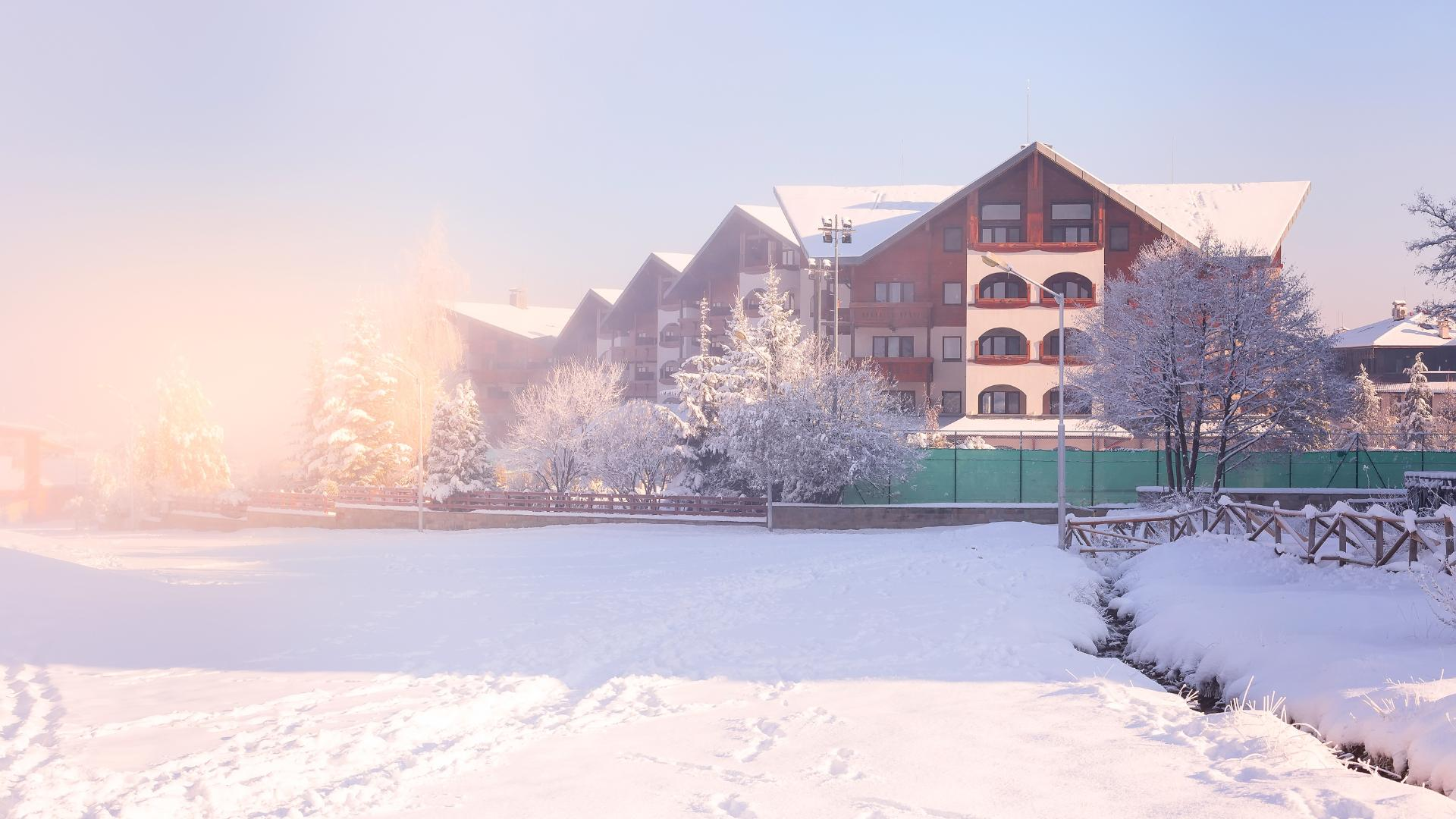
When this happens, the Bansko mountain town transforms into something from a fairy tale, with those snow-covered streets muffling sound and creating this peaceful, almost magical atmosphere.
The old town becomes particularly photogenic when it’s properly snowy, with smoke rising from traditional mehana (taverns) and locals going about their business as if waist-deep snow is the most normal thing in the world.
But winter in Bansko isn’t just about snow and skiing. There’s a rhythm to life here that I found really appealing. Mornings start early for skiers heading up the gondola, but the town itself wakes up more slowly.
By mid-afternoon, when legs are tired and the light’s getting flat on the slopes, people drift back down to the old town. This is when Bansko really comes alive—cafés fill up, the smell of cooking wafts from restaurant kitchens, and there’s this lovely transitional period before the evening kicks off properly.
The atmosphere feels far more authentic than the forced jollity you sometimes get in bigger resorts, and that’s precisely why I keep recommending it to friends.
Bansko Ski Resort – What to Expect
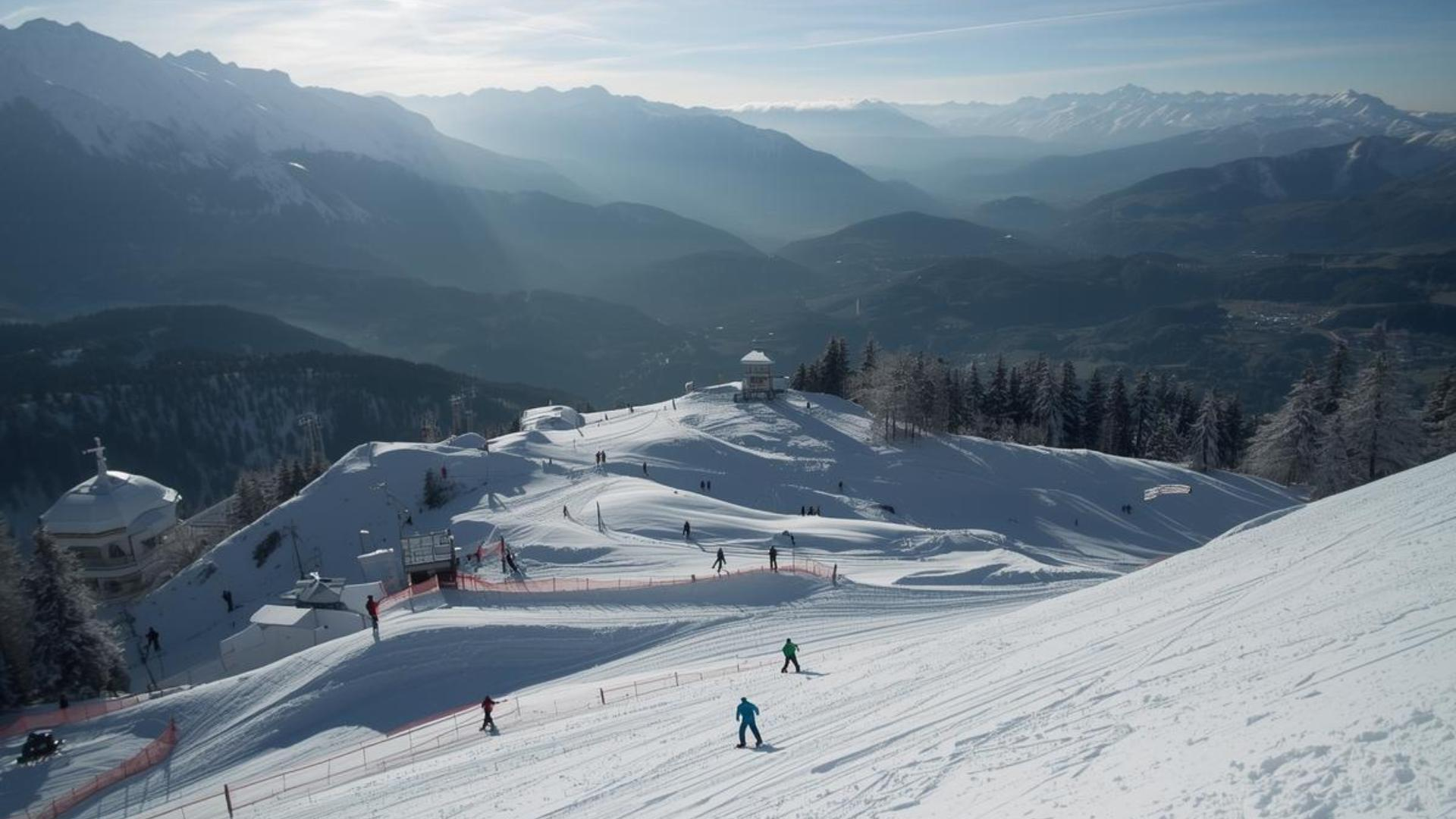 The Bansko ski resort has come a long way in the past couple of decades. Modern lifts, well-maintained runs, and proper infrastructure mean you’re not roughing it in some forgotten Eastern European outpost. This is a legitimate ski destination that rivals many Western resorts at a fraction of the cost.
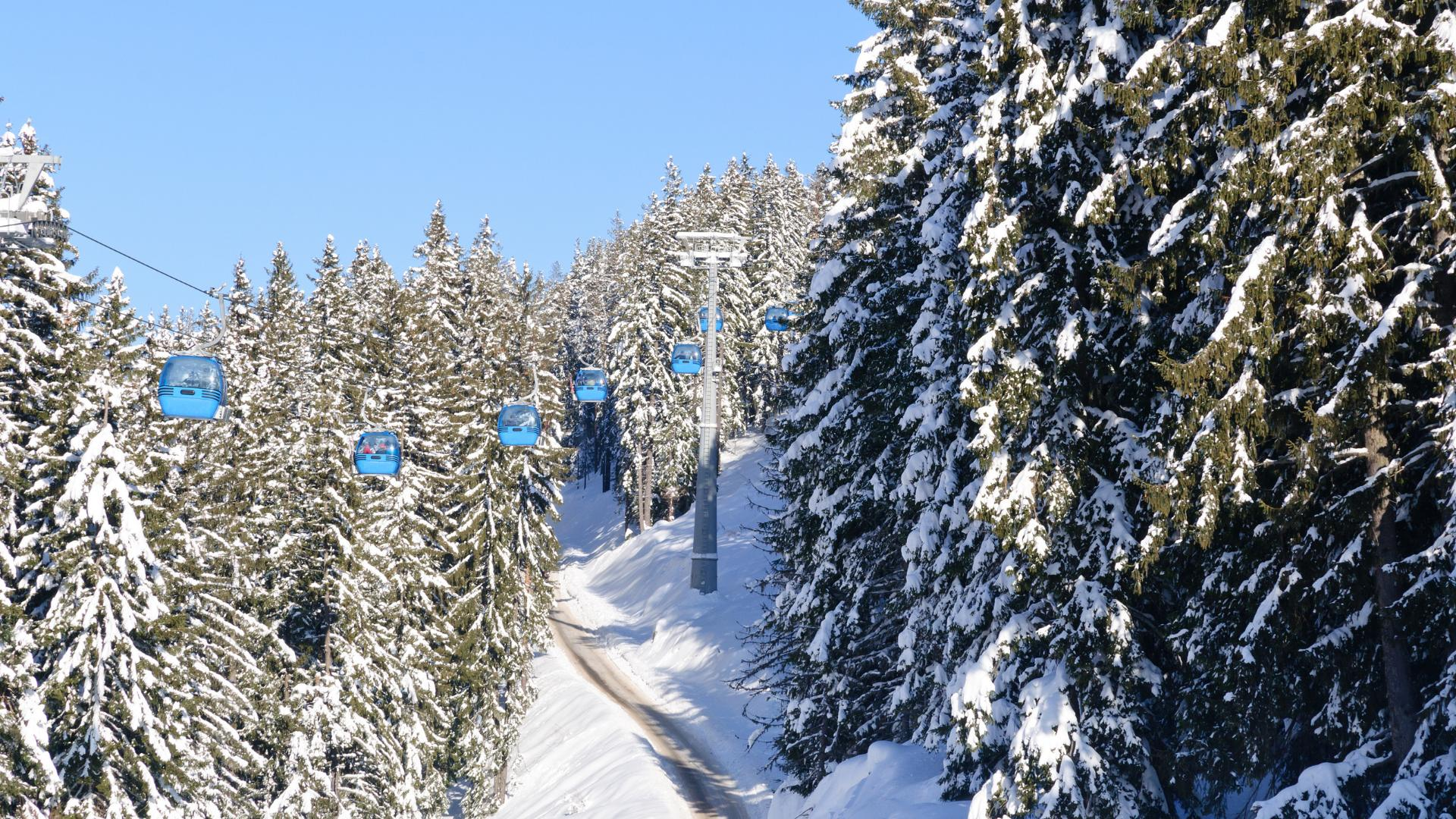
The main access point is the gondola lift that whisks you from the edge of town up to the ski area at 2,560 metres in about 25 minutes. That gondola ride alone is worth experiencing, with views over the town and mountains that get more impressive with every metre of elevation.
Once you’re up top, you’ve got access to about 75 kilometres of marked runs spread across various difficulty levels. The terrain suits everyone from absolute beginners taking their first nervous turns to advanced skiers looking for proper challenges. There are gentle blue runs perfect for building confidence, a good selection of reds that make up the bulk of the skiing, and some properly steep blacks if you want to test yourself.
What I particularly appreciated was how well the runs are maintained. Grooming happens regularly, and even during busy periods, I rarely felt like the slopes were uncomfortably crowded.
Skiing in Bansko Bulgaria offers something else too—variety in the landscape. You’re carving through high alpine bowls with incredible Bansko mountain views one minute, then threading through forested sections the next. For those who prefer it, there are opportunities for Bansko off-piste skiing, though you’ll want to go with someone who knows the terrain properly.
The Bansko ski slopes cater well to different skill levels, but I’d say the resort particularly shines for intermediate skiers. If you’re comfortable on red runs, you’ll have an absolute blast here.
Advanced skiers might find it a bit limited if they’re used to massive European resorts, though there’s still plenty to enjoy. Complete beginners will be well looked after—there are dedicated learning areas with gentle gradients and patient instructors who’ve taught everyone from nervous five-year-olds to apprehensive sixty-somethings.
Bansko Ski Season and Snow Conditions
Understanding the Bansko ski season helps you time your visit properly. The season officially kicks off in mid to late December, usually around the 15th, though this obviously depends on when sufficient snow has fallen.
From then until early April, the lifts operate daily, weather permitting. The core season runs from late December through March, with January and February being absolute peak times when everything’s guaranteed to be open and operating at full capacity.
The Bansko snow conditions are generally reliable thanks to the resort’s elevation and location. The skiing area ranges from about 990 metres at the base up to 2,600 metres at the highest point, which means good natural snow coverage through most of the winter.
When I visited in early February, there was easily two metres of base up top, with fresh snow falling every few days to keep things interesting. Even in lean snow years, the resort has invested heavily in snowmaking equipment covering about 70% of the runs, so you’re pretty much guaranteed decent skiing from January onwards.
The Bansko snow season does have its sweet spots, though. Late January through February offers the most consistent conditions—cold enough to preserve powder but with increasingly longer days and better light.
Early December and late March can be more hit-and-miss. I’ve skied in March when conditions were absolutely perfect, with warm sunshine and still-deep snow, but I’ve also heard stories of thin coverage and slushy afternoons. If you’re flexible with dates, aim for that January to mid-March window for the most reliable Bansko winter experience.
Things to Do in Bansko in Winter (Beyond Skiing)
 One of the best things about Bansko is that it’s not just a ski resort—it’s a proper town with plenty happening even if you never clip into bindings. The things to do in Bansko in winter extend well beyond the slopes, which makes it perfect for groups where not everyone skis or for days when you fancy a break from the mountain.
Winter Walks Through Bansko Old Town
The Bansko old town is an absolute gem that too many visitors rush past on their way to the gondola. This historic quarter features narrow cobblestone streets lined with distinctive Bulgarian Revival architecture—stone houses with thick walls and wooden upper floors that jut out over the street. In winter, when those snow-covered streets are less crowded and smoke rises from chimneys, the whole area feels like you’ve stepped back in time.
The Church of the Holy Trinity is worth finding—it’s hiding behind high walls but inside you’ll find beautiful wood carvings and icons. There are also several house-museums if you’re interested in how wealthy Bulgarian merchants lived during the 18th and 19th centuries. The Velyanov House and the Neofit Rilski House Museum both offer fascinating glimpses into the Bansko historic centre’s past.
Winter walking in the old town isn’t just about sightseeing—it’s about soaking up atmosphere. Stop at small bakeries for banitsa (cheese pastry), watch old men playing backgammon in steamy cafés, and just enjoy being in a place where life continues regardless of tourism. These Bansko winter walking routes through the historic streets don’t require any special equipment or planning, just warm clothes and curiosity.
Thermal Spa & Hot Springs Near Bansko
After a long day on the slopes or hiking in the cold, nothing beats sinking into hot thermal water, and the Bansko thermal spa options deliver exactly that relief. Just outside town, you’ll find Banya, a village famous for its natural hot springs that have been used since Roman times. The water emerges from the ground at around 42°C, rich in minerals that supposedly help with all manner of ailments, though honestly, I just enjoyed how good it felt on tired muscles.
Several hotels in Bansko have their own spa facilities with thermal pools, saunas, and treatment rooms. Some are open to non-guests for a day fee, typically around £20-30, which includes access to pools, steam rooms, and relaxation areas. The Lucky Bansko and the Kempinski both have excellent spa facilities if you want something upmarket. There are also more basic public baths in Banya village itself if you prefer a less polished, more local experience.
There’s something deeply satisfying about watching snow fall outside while you’re submerged in steaming water. It’s one of those Bansko winter activities that perfectly complements skiing—active days on the mountain, followed by complete relaxation in thermal springs.
Snowshoeing and Winter Hiking
If you want to experience the Pirin Mountains winter landscape beyond the marked ski runs, snowshoeing offers a fantastic way to explore. Several companies in Bansko offer guided snowshoe tours that take you into quieter areas where you can properly appreciate the mountains’ beauty without crowds or ski lift noise. The silence of a snow-covered forest is something special—just you, your guide, and the crunch of snow underfoot.
Routes vary from gentle walks suitable for families to more challenging treks up to mountain huts or viewpoints. I did a half-day tour that took us through pine forest, across frozen streams, and up to a ridge with panoramic views over the Pirin range. I saw animal tracks in the snow—deer, foxes, even what our guide said was probably a wolf—and stopped for hot tea and Bulgarian snacks while sitting on a boulder watching ravens circle overhead.
You don’t necessarily need a guide if you’re experienced with winter mountain navigation, though local knowledge is valuable for avoiding avalanche-prone areas and finding the best routes. Snowshoe rental is available in town, and the Pirin National Park has marked winter trails if you prefer to go independently. Either way, it’s a wonderful counterpoint to the adrenaline of skiing and gives you a completely different perspective on the mountains.
Traditional Food and Local Taverns
Bulgarian food in winter is all about warmth, heartiness, and flavour, and Bansko’s traditional mehanas serve some of the best regional dishes you’ll find anywhere in Bulgaria. These local taverns are characterized by stone walls, low wooden beams, traditional textiles hanging from the ceilings, and that irresistible smell of grilled meat and slow-cooked stews that hits you the moment you walk through the door.
Start with shopska salata (tomatoes, cucumber, peppers, and white cheese) and some warm bread, then move on to the serious stuff. Kapama is Bansko’s signature dish—a rich casserole of pork, chicken, and sauerkraut slow-cooked in clay pots until everything’s falling-apart tender. Chomlek is another local speciality, basically a hearty meat and vegetable stew cooked in individual clay pots. For something lighter but no less delicious, try the grilled trout from local mountain streams.
The Bansko traditional food scene isn’t fancy or pretentious—it’s honest, generous cooking designed to fuel you through cold mountain winters. Portions are invariably huge, prices are remarkably low (a full meal with drinks rarely tops £15), and the atmosphere in these Bansko cosy restaurants creates exactly the après-ski vibe you want. Live folk music often kicks off in the evenings, and before you know it, you’re being taught traditional Bulgarian dances by locals who’ve had a few rakias and decided everyone should join in.
Bansko Après-Ski and Winter Nightlife
Speaking of après-ski, Bansko definitely knows how to have a good time once the lifts close. The Bansko après ski scene has developed significantly over the past decade, and you’ll now find everything from chilled wine bars to thumping nightclubs depending on what kind of evening you’re after. The beauty is that it never feels forced or artificial—this is a real town where locals go out alongside tourists, which creates a much more authentic nightlife scene.
The Bansko winter nightlife kicks off in two distinct phases. First, there’s the immediate post-skiing period (roughly 4-7pm) when everyone piles into bars near the gondola base station. Places like The Baryshka and The Happy End get absolutely rammed with skiers still in their boots, drinking beer, shots of rakiya, or hot wine while swapping stories about their day on the mountain. The energy is brilliant—everyone’s tired, happy, and ready to celebrate surviving another day without major injury.
Later in the evening, things shift to the old town where the Bansko nightlife scene becomes more varied. Some people settle into traditional taverns for long dinners with live music. Others hit the modern bars and pubs along Pirin Street where you’ll find decent cocktails, international beers, and sometimes DJs or live bands.
The mix of international visitors and Bulgarian locals creates good energy without the laddish aggression you sometimes get in bigger ski resorts. People are here to have fun, sure, but there’s a friendly, inclusive vibe rather than competitive drinking culture. That’s part of what makes the Bansko winter holiday experience so appealing—you can party hard if you want, but you can just as easily have a couple of quiet drinks and early night without feeling like you’re missing out.
Where to Stay in Bansko in Winter
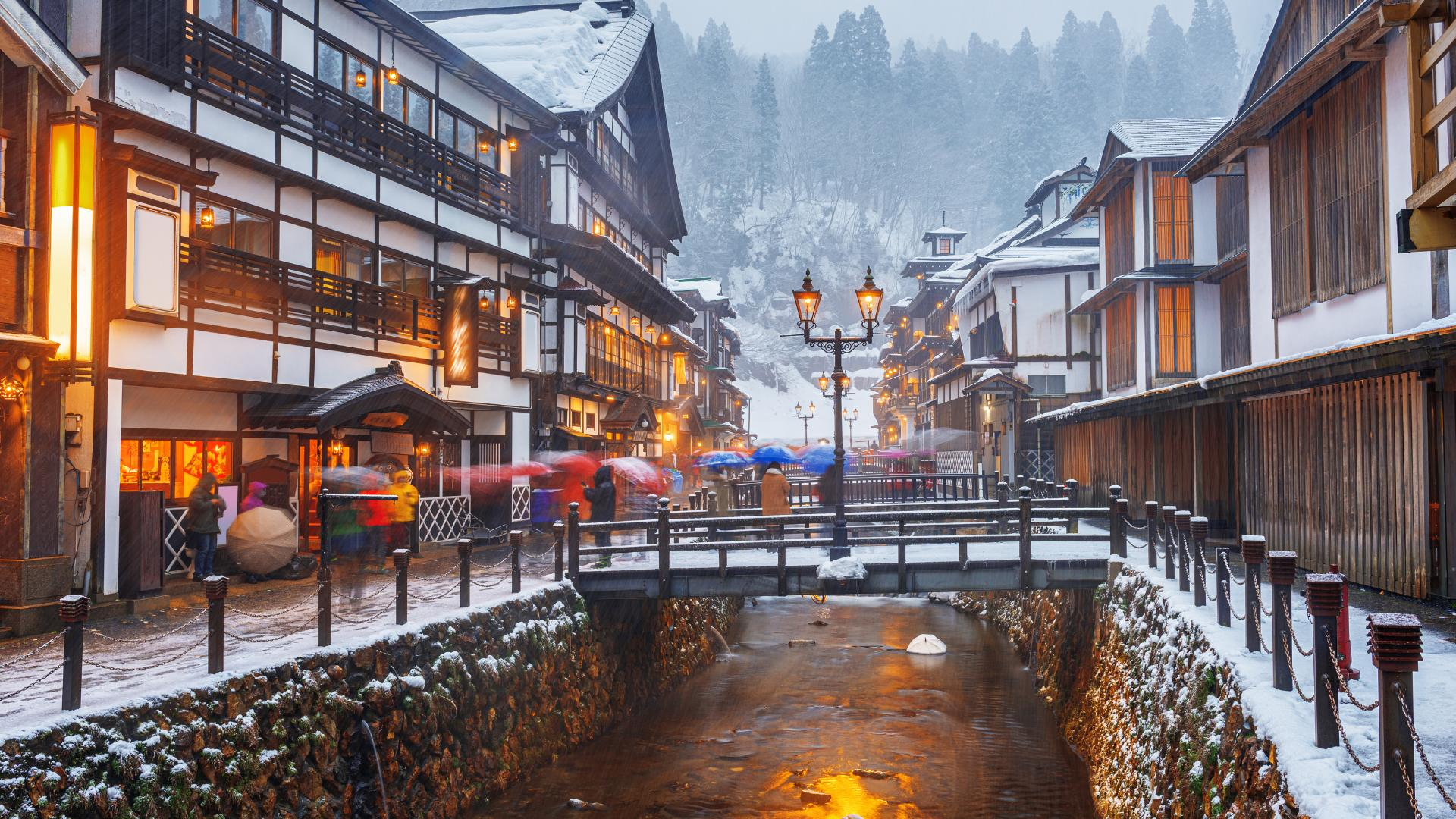 Bansko accommodation winter options range from luxury five-star hotels with full spa facilities to simple family-run guesthouses where breakfast is cooked by the owner’s grandmother.
This variety means there’s genuinely something for every budget and travel style, though booking ahead is essential during peak season (particularly January and February) when the best places fill up fast.
At the premium end, you’ve got hotels like the Kempinski and Lucky Bansko that offer ski-in/ski-out convenience, multiple restaurants, enormous spa facilities, and all the bells and whistles you’d expect from international resort hotels. These typically run £100-200 per night but you’re getting serious comfort and amenities. If you’re treating yourself or traveling with family and want everything under one roof, they’re worth considering.
Mid-range hotels and aparthotels dominate the landscape and offer the best value in my opinion. You’ll pay £40-80 per night for clean, comfortable rooms with breakfast included, often with a small pool or spa area, and locations close to either the gondola or the old town. Many of these are Bulgarian-owned and operated, which means you get decent local knowledge and recommendations from staff.
How Much Does a Winter Trip to Bansko Cost?
Let’s talk money, because affordability is one of Bansko’s biggest selling points. The Bansko winter prices are dramatically lower than Western European ski resorts, which is why budget-conscious skiers have been flocking here for years. Obviously, your costs will vary depending on your accommodation choices and lifestyle, but I can give you realistic figures based on my experience and current prices.
Lift passes are where you really notice the savings. A six-day lift pass costs around £150-180, compared to £300+ in the Alps. Daily passes are about £35-40, which is less than half what you’d pay in France or Austria. Equipment rental is similarly affordable—expect to pay roughly £15-20 per day for a full ski package (skis, boots, poles) or £20-25 for a snowboard setup. Lessons are also cheap by European standards, with group lessons around £25-30 per day and private instruction from £35-50 per hour.
Food and drink costs are brilliantly low. A substantial meal in a good restaurant with drinks will rarely exceed £15 per person. You can eat well for much less if you’re happy with simpler places—a filling lunch of traditional Bulgarian dishes might cost £6-8. Beer in bars typically runs £1.50-2.50 per pint, local wine £2-3 per glass, and even cocktails rarely exceed £5. A coffee is about £1.50, and those delicious Bulgarian pastries from bakeries are usually under £1.
So what’s a realistic daily budget? If you’re being careful with Bansko winter budget travel in mind, you could manage on £50-60 per day per person including accommodation, food, lift pass, and a few drinks. A more comfortable mid-range budget would be £80-100 per day. If you want to stay in nicer hotels, eat at the best restaurants, and have spa treatments, you might push toward £150 per day. Even at that higher level, you’re spending half what a comparable ski holiday would cost elsewhere in Europe.
A Suggested Bansko Winter Itinerary (3–5 Days)
Planning your days helps you make the most of a Bansko trip without feeling rushed or missing key experiences. This Bansko winter itinerary assumes you’re a moderately confident skier who wants to balance mountain time with exploring the town and local culture. Adjust based on your own interests and energy levels.
Day 1: Arrival and Old Town Exploration
Arrive in Bansko, check into your accommodation, and spend the afternoon getting oriented. Wander the old town to get your bearings, find where the gondola station is, and scout out restaurants. Have dinner at a traditional mehana to try Bulgarian cuisine. Early night to prepare for skiing.
Day 2: First Day on the Mountain
Get up early and beat the gondola queues. Spend the full day skiing, starting with easier runs to warm up and get a feel for the terrain. Take a break for lunch at one of the mountain restaurants. Finish around 4pm, head down, and enjoy some après-ski drinks near the gondola. Dinner in the old town.
Day 3: Full Ski Day
Now you know the mountain, plan your day to hit your favourite runs. For confident skiers, tackle some of the blacks or explore off-piste areas with a guide. Less confident riders can stick to blues and reds, gradually building skills. Evening in the old town—try a different restaurant and maybe catch some live folk music.
Day 4: Mixed Day
Morning ski session, then come down by lunch. Spend the afternoon visiting a thermal spa—your legs will thank you. Evening free to explore Bansko nightlife, maybe hitting some of the livelier bars or clubs if you’re up for it.
Day 5: Non-Skiing Activities and Departure
If you’re leaving in the evening, spend the morning either doing a snowshoe hike, visiting museums, or just relaxing in a café watching Bansko village life unfold. Last-minute souvenir shopping in the old town. Departure.
This Bansko winter itinerary balances active mountain days with cultural experiences and relaxation. If you have more time, consider adding a day trip to Melnik (Bulgaria’s smallest town, famous for wine), the Rila Monastery (stunning and historically significant), or exploring other parts of the Pirin National Park. The flexibility is part of what makes Bansko Bulgaria such a great base for a winter escape.
Best Time to Visit Bansko in Winter
Figuring out the best time to visit Bansko depends on what you’re prioritizing—reliable snow, fewer crowds, good prices, or specific events. Each part of the winter season has its own character and advantages, so let me break it down month by month based on what I’ve learned from multiple visits and talking with locals.
- December, particularly mid to late December, sees the season starting to ramp up. Snow coverage can be variable early in the month, but by Christmas, things are usually in good shape. This is a lovely time if you want to experience Bansko winter festivals—there are Christmas markets, traditional celebrations, and a festive atmosphere in the old town.
- January and February are peak ski season, when the Bansko winter charm is at its absolute height. Snow conditions are typically excellent, all lifts and runs are operating, and there’s a brilliant energy around town. However, this is also when it’s busiest and most expensive.
- March is my secret favourite time for skiing in Bansko Bulgaria. Snow conditions remain good through most of the month, especially at higher elevations, but crowds thin out as families return to school and casual skiers call it a season. Days are noticeably longer, temperatures are milder (which means more comfortable skiing), and prices often drop.
- Early April sees the tail end of the season. Snow can still be excellent, particularly after cold winters, but it’s a bit of a gamble. Prices are lowest, the town is quiet, and there’s a lovely end-of-season atmosphere among the die-hard skiers still up there. Just be prepared for variable conditions and potentially limited opening hours on lifts.
Practical Winter Travel Tips for Bansko
Let me share some practical Bansko winter travel tips that will make your trip smoother.
- Getting to Bansko from Sofia is straightforward enough—buses leave regularly from Sofia’s central bus station and take about 2.5-3 hours, costing around £10-12.
- You can also arrange private transfers (about £80-100 for a car) or rent a car if you want independence. The drive is scenic once you get out of Sofia, though winter roads can be challenging if you’re not used to driving in snow.
- What to pack is crucial for enjoying winter in Bansko. Obviously, you need proper ski gear if you’re hitting the slopes, though rental is available if you don’t want to haul your own equipment.
- For off-mountain activities, layers are your friend—temperatures can swing from -5°C to 10°C during the day, and walking around the old town requires warm but flexible clothing.
- Good winter boots with grip are essential as those cobblestone streets get slippery when icy.
- Don’t forget sunscreen and lip balm—mountain sun is deceptively strong even in winter.
- Local etiquette in Bulgaria is fairly relaxed, but a few basics help. Learning simple Bulgarian phrases goes a long way—”zdraveyte” (hello), “blagodarya” (thank you), and “molya” (please) earn you smiles.
- Tipping in restaurants is appreciated but not mandatory—10% is generous.
- Bulgarians shake their heads for “yes” and nod for “no,” which takes some getting used to but becomes second nature after a day or two.
This Bulgaria winter travel guide wouldn’t be complete without mentioning currency. Bulgaria uses the Bulgarian Lev (BGN), which is pegged to the Euro at roughly 2 lev = 1 euro. As of early 2026, that means about 2.3 lev = £1. Most places accept cards, but having some cash for smaller vendors, street food, and taxis is sensible. ATMs are plentiful in Bansko, and exchange rates are reasonable.
Safety in Bansko is generally excellent—it’s a small town where everyone knows everyone, and serious crime is rare. Normal precautions apply: watch your belongings in crowded areas, don’t leave valuables in rental cars, and be sensible after dark. On the mountain, respect your limits and don’t ski beyond your ability. The Pirin Mountains deserve respect—weather can change quickly, and help is further away than in some more developed resorts.
Is Bansko Right for You?
Whether Bansko Bulgaria suits your winter travel plans depends on what you’re looking for. Let me break down who will love it and who might prefer somewhere else.
Solo travelers will have a great time in Bansko. The hostel and guesthouse scene is sociable, it’s easy to meet other skiers on the mountain or in bars, and solo dining doesn’t feel awkward. The affordability means you can extend your trip without breaking the bank, and Bulgarians are generally welcoming to foreign visitors. I’ve met numerous solo travelers who came for a week and ended up staying for the season.
Couples looking for a Bansko winter escape will find it romantic without being cheesy. There are plenty of cosy restaurants for intimate dinners, beautiful snowy landscapes for walks, thermal spas for relaxation, and comfortable accommodation options. It’s not Courchevel—you won’t find Michelin-starred restaurants or designer boutiques—but if you want authentic experiences and genuine value, Bansko delivers.
Families are well catered for, with ski schools that welcome children, gentle learning slopes, and accommodation options that include apartments and hotels with family rooms. The old town is interesting for kids without being overly touristy, and activities like snowshoeing or spa time give variety beyond just skiing. The Bansko family winter trip works particularly well for those wanting to introduce children to skiing without spending a fortune on expensive Alpine resorts.
Budget travelers will find Bansko an absolute dream. This is where you can have a proper ski holiday without selling a kidney to pay for it. Every aspect—accommodation, food, lift passes, drinks—costs significantly less than Western Europe while delivering comparable quality. If you’re young, on a tight budget, or just prefer spending money on experiences rather than overpriced resort restaurants, Bansko ticks all the boxes.
Who might Bansko not suit? If you want cutting-edge luxury, designer shopping, or the social cachet of a prestigious resort, look elsewhere. Bansko is authentic and affordable, not exclusive and expensive. Advanced skiers spoiled by the vast terrain of major Alpine resorts might find the skiing a bit limited, though it’s still great fun for a week. Those who need everything to be slick, modern, and Western-European-standard might find some aspects of Bulgaria’s infrastructure frustrating, though honestly, I think that slight roughness is part of the charm.
Final Thoughts – The Magic of Winter in Bansko
Looking back at my time in Bansko, what strikes me most isn’t any single experience but rather how the whole package comes together. This Bansko travel guide in winter has covered the practical stuff—where to ski, what to eat, how much to budget—but the real magic of Bansko lies in things harder to quantify. It’s in the way locals wave as you pass their houses in the old town, how tavern owners genuinely care that you enjoyed your meal, the satisfaction of finding fresh tracks after an overnight snowfall, and those moments sitting in a steamy thermal pool while snow falls around you.
The blend of snow, culture, and affordability creates something special that I haven’t found elsewhere. You can ski excellent terrain in the morning, explore centuries-old streets in the afternoon, eat incredible food for next to nothing, and still have money left for drinks and adventures. That combination is increasingly rare in European ski resorts, where commercialization often crowds out authenticity and prices climb ever higher.
What I love about Bansko winter travel is that the town hasn’t lost its soul in pursuit of tourist money. Yes, there are modern hotels and Irish pubs, but walk five minutes from the gondola and you’ll find streets where life continues much as it has for generations. The Bansko ski resort coexists with the real town rather than overwhelming it, which means you’re experiencing an authentic place rather than a theme park version of Bulgarian culture. If you’re planning a Bansko ski holiday guide helped you understand what to expect, but really, the best way to appreciate Bansko is to visit and discover it yourself.