Deciding between a Yala National Park safari and an Udawalawe National Park safari is one of those travel dilemmas that actually has no wrong answer, though it definitely has a right answer for you specifically.
I’ve done both multiple times during my travels through Sri Lanka, and each time someone asks me which is better, I find myself asking questions back, what are you hoping to see? How do you feel about crowds? Do you want that thrill of searching for elusive wildlife or the satisfaction of guaranteed sightings? The truth is, this Yala vs Udawalawe National Park safari comparison isn’t about declaring an absolute winner, but rather understanding which experience aligns better with your expectations and travel style.
Sri Lanka’s national parks offer something genuinely special in the safari world. Unlike the vast African plains where you might drive for hours between sightings, these compact Sri Lankan parks pack incredible wildlife density into relatively small areas.
This Sri Lanka safari comparison will break down everything you need to know about both parks, the wildlife, the landscapes, the crowds, the costs, and crucially, which travellers will love which park. By the end, you’ll know exactly which safari deserves your time and money.
Overview of Safari Experiences in Sri Lanka
Before diving into the specifics of the Yala vs Udawalawe National Park safari debate, it’s worth understanding what makes wildlife safari Sri Lanka experiences unique compared to safaris elsewhere in the world.
Sri Lanka might be small, you could drive the length of the island in a long day, but it packs extraordinary biodiversity into that compact space. The island is one of the world’s biodiversity hotspots, with endemic species found nowhere else and wildlife densities that rival much larger countries.
The landscape diversity is remarkable for such a small area. What particularly distinguishes Sri Lanka safari experiences is the visibility and accessibility of wildlife. Elephant encounters in Udawalawe are virtually certain, while Yala offers the world’s highest density of leopards in the wild. The parks are well-managed with experienced guides, good infrastructure, and that Sri Lankan hospitality that makes even a bumpy jeep ride feel welcoming.
The safari jeep tour Sri Lanka format is standard across both parks. You’ll travel in open-sided 4×4 vehicles, usually with 6-10 people per jeep, accompanied by a driver and often a dedicated tracker-guide. The vehicles can navigate rough terrain, get you close to wildlife (while maintaining safe, ethical distances), and position you for photography. Morning safaris typically start around 5:30-6am, while afternoon safaris begin around 2:30-3pm, timing that coincides with peak animal activity.
Yala National Park Safari – What to Expect
 Wildlife Highlights in Yala National Park
The Yala National Park safari is famous for one thing above all else: leopards. Yala boasts the highest density of leopards anywhere in the world, which sounds impressive until you realize that even with such density, spotting these elusive big cats requires patience, luck, and a knowledgeable guide who understands leopard behavior and territory. Unlike African safaris where lions lounge in plain sight, leopards are naturally secretive, preferring to rest in trees or rocky outcrops where their spotted coats provide perfect camouflage.
That said, your chances of seeing leopards in Yala are genuinely good. I’d estimate maybe 40-60% depending on season, time of day, and how long you spend searching. When you do spot one, it’s absolutely thrilling. The Yala leopard safari experience draws wildlife enthusiasts from around the world precisely because this is one of the few places where spotting these magnificent cats moves from “incredibly lucky” to “quite possible.”
Beyond leopards, the Yala National Park animals include sloth bears (another rare sighting but possible), elephants (though in smaller numbers than Udawalawe), crocodiles, water buffalo, wild boar, numerous deer species, and over 200 bird species.
Landscape and Atmosphere
The landscape in Yala is incredibly varied. That’s what makes it photographically stunning and ecologically rich. Dense forest sections give way to open scrubland, rocky outcrops rise dramatically from flat terrain, and lagoons attract massive concentrations of water birds.
The atmosphere in Yala leans toward adventure and discovery. The guides communicate via radio when leopards are spotted, and suddenly your jeep (along with several others) races toward the location, trying to get good viewing positions before the cat moves on. It’s exciting but also sometimes chaotic, particularly during peak season.
Best Time to Visit Yala National Park
Understanding the best time to visit Yala significantly impacts your experience. The park is closed during September and October for the annual monsoon, though. Even within the open months, conditions vary dramatically.
The dry season safari Sri Lanka experience at Yala runs roughly February through July, with peak months being May, June, and July when water sources dwindle, concentrating wildlife around remaining waterholes and making sightings easier.
These dry season months offer the best leopard spotting in Sri Lanka because the cats must come to water more frequently. However, these months also bring the biggest crowds. We’re talking 100+ jeeps entering the park during peak times, which significantly changes the atmosphere from wild safari to something more resembling a wildlife parade route.
Crowd Levels and Safari Experience
Let me be brutally honest about the safari crowds Sri Lanka problem in Yala. During peak season, it can feel less like a wilderness safari and more like a very bumpy convoy. When a leopard is spotted, the radio chatter brings every nearby jeep racing to the location, and suddenly you’re among 20-30 vehicles all trying to get the best view.
Guides sometimes drive aggressively, positioning can get competitive, and the magical feeling of being in wild nature evaporates somewhat when you’re surrounded by diesel engines and tourist chatter.
This is the single biggest complaint about Yala, and it’s valid. The crowds particularly concentrate in Block 1, the most accessible section with the best leopard territory. Blocks 2, 3, 4, and 5 see far fewer vehicles but also generally less wildlife, though. Experienced guides sometimes favor these quieter sections for clients who prioritize atmosphere over guaranteed sightings.
The Udawalawe National Park safari, by contrast, experiences far less of this crowding issue, which becomes a significant factor in the comparison. If you’re sensitive to crowds, find jeep convoys stressful, or want that pristine wilderness feeling, Yala during peak season might frustrate you. But if you can accept the crowds as part of the trade-off for excellent leopard chances, Yala still delivers remarkable wildlife encounters.
Udawalawe National Park Safari – What to Expect
 Wildlife Highlights in Udawalawe National Park
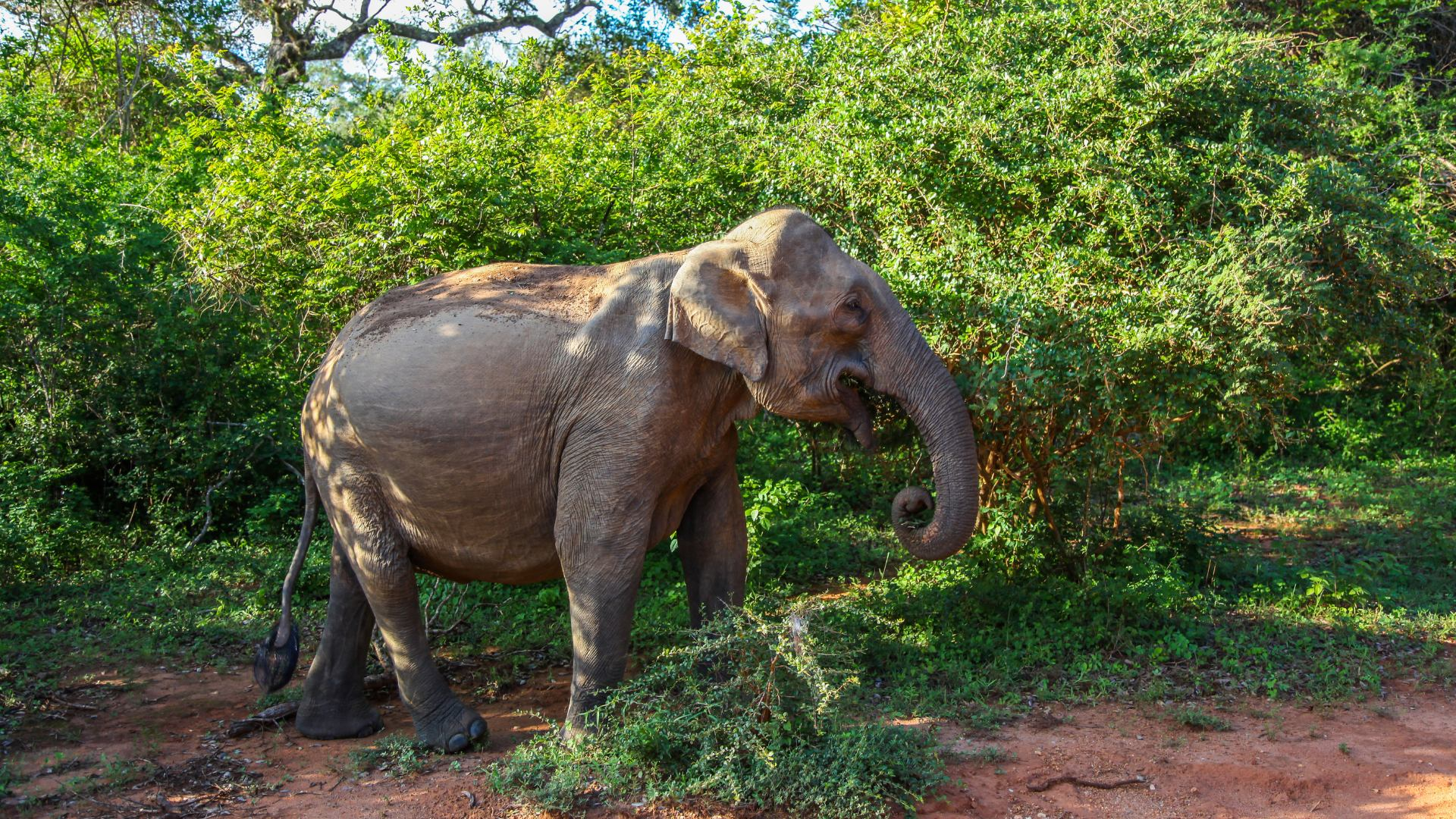
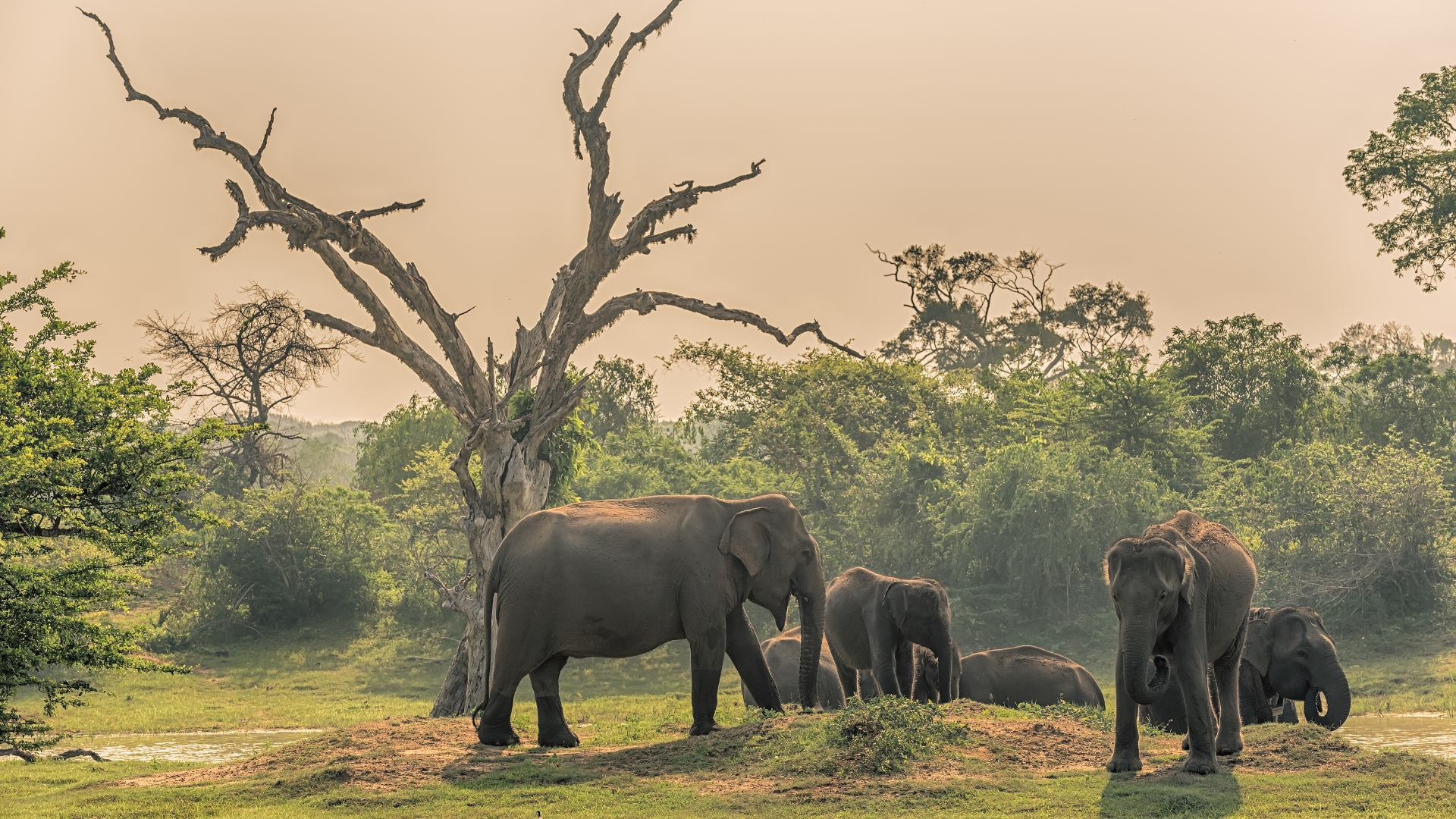
The Udawalawe National Park safari is fundamentally about elephants, and I mean that in the best possible way. This park hosts one of the largest elephant populations in Sri Lanka, with estimates suggesting 400-500 individuals, and sightings aren’t just likely, they’re virtually guaranteed.
I’ve never done an Udawalawe safari where we didn’t see multiple elephants, often entire family groups including babies that provide some of the most heart-melting wildlife viewing you’ll ever experience.
The Udawalawe elephant safari experience differs from Yala in crucial ways. Because the landscape is more open and elephants don’t hide like leopards do. You can often watch them for extended periods. It’s less about the thrill of a rare sighting and more about extended, quality observation of complex social animals.
The Udawalawe National Park animals beyond elephants include water buffalo, crocodiles (in the reservoir), sambar deer, spotted deer, wild boar, monkeys, and numerous bird species. The park is particularly good for birdwatching, with excellent sightings of eagles, painted storks, peacocks, and various water birds around the Udawalawe reservoir. What you won’t find here are leopards (they’re present but rarely seen), sloth bears, or the diversity of terrain-specific species that Yala offers. This is a grassland and scrub ecosystem, and the wildlife reflects that specialization.
Landscape and Scenery
Udawalawe’s landscape is dominated by open grassland plains and acacia scrub. The Udawalawe reservoir forms a dramatic centerpiece. The openness means visibility is excellent. You can nearly spot elephants from considerable distances, and there’s a spaciousness to the experience that contrasts with Yala’s denser, more enclosed feeling.
The best wildlife encounters Sri Lanka offers in terms of unobstructed viewing happen here in Udawalawe. Without dense forest or thick scrub blocking views, you get clear sightlines to animals. The Sri Lanka safari landscapes here won’t give you coastal drama or rocky outcrops, though. They do offer their own beauty in the form of wide skies, golden grasslands, and that sense of space that makes you breathe deeper.
Since the park sits at the transition between Sri Lanka’s wet zone and dry zone it generally creates microclimates and vegetation zones. That in turn, supports diverse ecology despite the overall open character.
Best Time to Visit Udawalawe National Park
One of Udawalawe’s significant advantages in the Sri Lanka safari comparison is that it remains open year-round and offers relatively consistent wildlife viewing across all months. There’s no bad time to visit Udawalawe, though subtle differences exist between seasons that might influence your choice.
The best time to visit Udawalawe for optimal conditions is probably the dry season months from May through September. During this period, elephants concentrate around the reservoir. Also, the vegetation is lower, improving visibility, and the weather is generally sunny and dry. However, unlike Yala, the difference between seasons isn’t dramatic. You’ll see plenty of elephants in January or November just as you will in July.
Overall Safari Feel
The overall atmosphere of an Udawalawe safari is calm, almost contemplative compared to Yala’s higher-octane searching and spotting dynamic. You’re not racing around looking for elusive leopards or competing with other jeeps for viewing positions. You’re slowly traversing grasslands, observing elephants at leisure, and soaking in the scenery. This makes Udawalawe an excellent family friendly safari Sri Lanka option, where children can relax without needing to stay perfectly still or quiet for extended periods hoping a leopard appears.
Yala vs Udawalawe – Side-by-Side Comparison
Wildlife Sightings
This is where choosing the right safari in Sri Lanka really comes down to your priorities. Yala offers the possibility of leopards. Udawalawe guarantees elephants in numbers and viewing quality that few parks anywhere can match, plus excellent birdwatching and reliable buffalo, deer, and other grassland species.
If I had to choose purely on wildlife, I’d ask: would you rather have a 50% chance of seeing leopards (Yala) or 99% certainty of seeing elephants (Udawalawe)? For many travelers, elephants are the ultimate safari animal. The elephant watching in Sri Lanka at Udawalawe is world-class, and you’re not just seeing distant shapes but getting close, extended viewing of natural behavior.
The wildlife sightings Sri Lanka offers in both parks include numerous species beyond the headline animals. Neither park disappoints in terms of overall biodiversity. You’ll see crocodiles, deer, water buffalo, monkeys, and countless birds in both locations. But the flagship species differ, and that flagship often determines which park calls to you more strongly.
Safari Crowds and Atmosphere
The safari crowds and timing comparison heavily favors Udawalawe. While Yala can see 100+ jeeps during peak season, particularly in Block 1, Udawalawe typically has 20-30 vehicles even during busy periods, and they’re spread across a larger area so you rarely feel crowded.
This crowd difference fundamentally changes the experience. Yala during peak season can feel like organized chaos. Udawalawe maintains that peaceful safari feeling where you can hear the sounds of nature, where wildlife observations feel intimate despite being shared, and where you’re not constantly aware of the tourist infrastructure.
If you’re visiting during Sri Lankan high season (December through March), this difference becomes even more pronounced. Yala gets absolutely hammered with visitors, while Udawalawe remains relatively calm. For travelers who value atmosphere and peaceful wildlife viewing over rare species, Udawalawe wins this category decisively.
Landscape and Photography Opportunities
For photography safari Sri Lanka enthusiasts, both parks offer excellent but different opportunities. Yala’s varied terrain, forest, scrubland, rocky outcrops, and coastline create dramatically diverse backgrounds and lighting scenarios. The possibility of photographing a leopard draped in a tree with an ocean backdrop, or capturing elephants against crashing waves, provides those epic shots that become portfolio highlights. The dense vegetation and varied topography mean you’re constantly encountering new compositions.
Udawalawe’s open plains create cleaner, simpler compositions that showcase wildlife against grassland and sky. The lack of visual clutter means your subjects stand out clearly, and the reservoir provides beautiful reflective surfaces for morning or evening photography. Elephant photography particularly benefits from Udawalawe’s openness. You can capture entire herds in single frames, get low-angle shots without vegetation blocking views, and photograph behavior that requires space to unfold.
Cost and Accessibility
The Sri Lanka safari cost comparison shows minimal difference between the parks. Entrance fees for both parks are similar, around £20-25 per person for foreigners, plus the cost of the jeep safari itself, which typically runs £35-50 total for the vehicle (split among passengers). Half-day safaris are standard, with full-day options available at a higher cost. The safari accommodation Sri Lanka near both parks ranges from budget guesthouses (£15-25 per night) through mid-range hotels to luxury safari lodges (£100+ per night).
Neither park requires special arrangements or unusual expense. Both are well-established on Sri Lanka safari tourism routes with plenty of operators offering guided safari jeep tour packages. You can book through your hotel, with tour operators in nearby towns, or even show up and arrange safaris directly at park gates (though advance booking is recommended during peak season). The costs in Sri Lanka for safaris remain remarkably affordable compared to African equivalents. You’ll pay less for a full day safari in Sri Lanka than you would for a few hours in most Kenyan or Tanzanian parks.
Which Safari Is Better for Different Travellers?
First-Time Safari Visitors
For your first wildlife safari Sri Lanka experience, I’d actually lean toward Udawalawe. The guaranteed elephants mean you definitely get that wildlife thrill without the disappointment risk that comes with searching for elusive leopards.
The open terrain makes wildlife easy to spot and follow. Guides can explain animal behavior without rushing to the next potential sighting, and the relaxed atmosphere lets you focus on enjoying the experience.
First-time safari visitors often don’t know what to expect. How close can you get to animals? What does the jeep experience feel like? How to spot wildlife? What questions to ask guides? Udawalawe’s predictability and slower pace accommodate this learning curve better than Yala’s more frenetic, competitive environment.
You come away with great wildlife encounters, fantastic photos, and confidence that makes subsequent safaris (perhaps Yala next time!) more enjoyable because you understand the format.
Families and Casual Travellers
The family friendly safari Sri Lanka award goes decisively to Udawalawe. Children love elephants, and Udawalawe delivers them in abundance. The guaranteed sightings mean children don’t get bored or disappointed during long searches for elusive animals.
The open terrain and relaxed pace also work better for families. Children can move around in the jeep more freely without worrying about scaring off shy wildlife, they can actually see the animals without straining to spot movement in dense bush, and the overall vibe is less pressured. If someone needs a toilet break or gets tired, it’s not the end of the world, you haven’t missed the one leopard sighting that might happen.
Practical Safari Tips for Yala and Udawalawe
Some Sri Lanka travel tips apply to both parks and will improve your safari experience regardless of which you choose.
- First, book your safari through reputable operators or recommended guides. Your driver-guide makes enormous difference to the experience. Good ones know animal behavior, understand the parks intimately, position vehicles thoughtfully for viewing and photography, and provide context that transforms observations into education.
- Start early for morning safaris. The parks open around 6am, and the first few hours offer the best wildlife activity, coolest temperatures, and fewer jeeps.
- Dress appropriately for ethical wildlife tourism Sri Lanka standards. Neutral colors work best. Avoid bright whites, reds, or patterns that stand out. Bring sun protection (hat, sunscreen, sunglasses), even though jeeps have roofs, because the sun is intense.
- Respect wildlife and follow guide instructions. Don’t stand up in moving jeeps, don’t make loud noises or sudden movements that might disturb animals, and definitely don’t pressure drivers to get closer than they’re comfortable with.
- Bring water and snacks, though many safaris provide basics. The parks don’t have facilities inside, so plan accordingly. A small dry bag protects camera gear from dust (significant in both parks during dry season) and occasional rain.
Where to Stay Near Yala and Udawalawe
The safari accommodation Sri Lanka near both parks ranges from budget guesthouses to luxury safari lodges, with options at every price point.
Near Yala, the towns of Tissamaharama and Kirinda serve as main bases, offering hundreds of guesthouses, hotels, and safari camps. Tissamaharama (locally called “Tissa”) sits about 5km from Yala’s main entrance and has everything from £20 guesthouses with basic safari packages to £150+ luxury tented camps with pools, gourmet dining, and private jeeps.
Staying right at park gates offers convenience for early morning safaris, though these lodges command premium prices. Slightly further options in Tissa or surrounding areas provide better value while adding only 10-15 minutes to your park commute.
Some travelers prefer staying in Mirissa or Tangalle on the coast and doing Yala as a long day trip, though this means very early starts and late returns if you want to catch prime wildlife viewing hours.
What about near Udawalawe
Near Udawalawe, the small town of Embilipitiya provides budget accommodation and safari booking services, sitting about 20km from the park. Closer to the park entrance, you’ll find several mid-range hotels and safari camps offering direct park access and often organizing safaris as part of accommodation packages. The options here are fewer than around Yala given lower tourist numbers, but quality is generally good and prices remain reasonable.
Luxury safari lodges near both parks offer all-inclusive packages including accommodation, meals, and multiple safaris. These run £150-300+ per night but provide convenience, comfort, and often better guides and vehicles than budget operators.
For serious wildlife enthusiasts or those wanting premium experiences, they’re worth considering. Budget travelers can absolutely enjoy brilliant safaris staying in £20 guesthouses and booking safaris independently—the wildlife doesn’t care where you slept the previous night.
Final Verdict – Yala vs Udawalawe National Park Safari
After all this comparison, let me give you my honest final verdict on the Yala vs Udawalawe National Park safari question: both are excellent, you should visit both if possible, but if forced to choose just one, pick based on these simple criteria.
Choose Yala if:
- Leopards are your priority and you’re willing to accept you might not see them
- You want diverse terrain and coastal scenery
- You’re an experienced safari-goer comfortable with crowds and competitive viewing
- You’re staying on the south coast and want easy access
- You value species diversity over guaranteed sightings
- You’re visiting during shoulder season (February-April, August) when crowds are lighter
Choose Udawalawe if:
- You want guaranteed major wildlife (elephants) rather than possible rare sightings
- Crowds and jeep convoys stress you out
- You’re traveling with children or doing your first safari
- You value relaxed, contemplative wildlife observation
- You want year-round consistency rather than seasonal variations
- You’re after quality elephant encounters and excellent birdwatching
Personally, my heart says Yala for its drama and diversity, but my head says Udawalawe for consistent satisfaction and peaceful atmosphere. The best safari in Sri Lanka is whichever one aligns with your travel personality, schedule, and priorities. This Sri Lanka safari comparison has given you the information to make that choice intelligently. Both parks showcase the best wildlife encounters Sri Lanka offers.