Right, let’s get one thing straight from the start. If I come across one more blog post that tells me to walk around the city lake as one of the top things to do in Kandy, I’ll lose it, I swear. Don’t get me wrong – the lake’s lovely and all, but there’s so much more to this incredible city than a simple stroll around water.
I’m Jamie, and I’ve spent a fair bit of time wandering through Sri Lanka’s hill country. Most travellers come to this beautiful island for the white-sand beaches and epic surf, but honestly? They’re missing out on something special up in the mountains.
Kandy sits right at the gateway to all this hill-country action, including what many consider the greatest train journey in the world. It’s Sri Lanka’s second city, but more importantly, it’s the island’s undisputed historical and cultural capital – the City of Kings, as it’s been known for centuries.
What makes Kandy so special isn’t just its stunning location nestled among misty hills. It’s how the city has managed to hold onto its soul whilst the rest of the world races forward. The best things to do in Kandy aren’t just tourist attractions – they’re windows into a living, breathing culture that’s been carefully protected for generations.
When you’re planning your Kandy travel experience, you’ll find yourself torn between ancient temples, lush botanical gardens, mountain adventures, and authentic cultural performances. The Kandy attractions I’m about to share with you go beyond the usual suspects. These are the experiences that’ll stay with you long after you’ve left Sri Lanka’s central highlands behind.
1. Temple of the Sacred Tooth Relic
Best for: Cultural and spiritual experiences
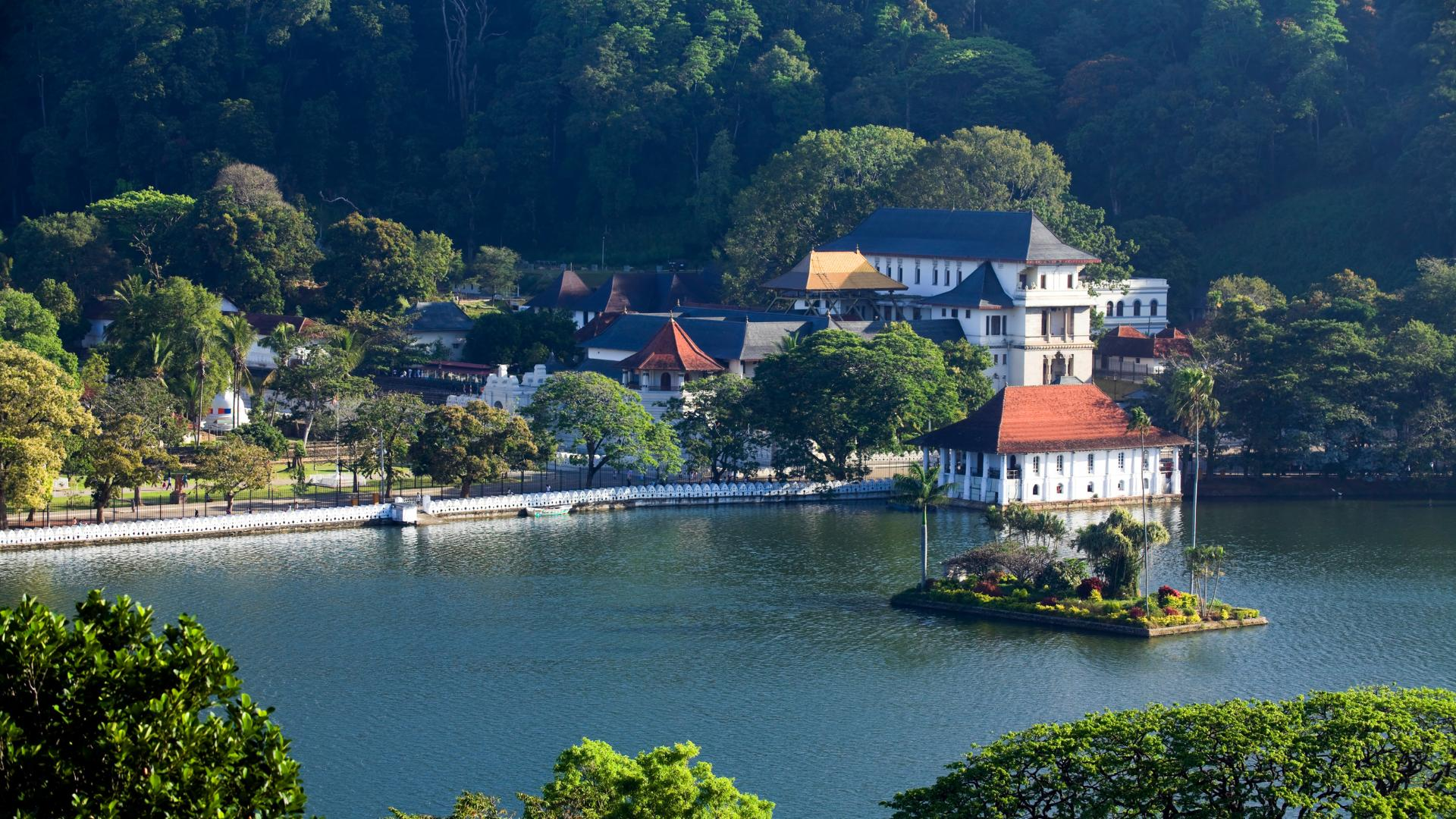
Let’s be honest – Sri Dalada Maligawa, or the Temple of the Sacred Tooth Relic, is the whole reason why people travel to Kandy. It’s home to one of Buddhism’s most sacred relics, and its significance ripples through every aspect of Sri Lankan culture.
Now, here’s the thing that surprises most visitors. You cannot actually see the tooth itself because it’s hidden inside a golden casket that contains six more caskets of smaller sizes inside, like some elaborate spiritual Russian doll situation. But that doesn’t diminish the experience one bit. Walking through this UNESCO World Heritage site, you’re surrounded by centuries of devotion, intricate architecture, and the palpable sense that you’re standing somewhere truly sacred.
The temple comes alive during pooja ceremonies, which happen three times daily at 5.30 AM, 9.30 AM, and 6.30 PM. These ceremonies involve rhythmic chanting and offerings that create an atmosphere that’s both meditative and electric. During pooja, the temple gets significantly more crowded, so you’ve got a choice to make. Visit during these hours to witness the ceremony firsthand and feel that collective spiritual energy, or skip it to enjoy the space with fewer people around. Both experiences have their merits, honestly.
One of the best Kandy experiences you can have is attending the early morning pooja when the city is just waking up. The dawn light filtering through the temple’s ornate halls, combined with the sound of ancient chants, creates a moment that photographs simply can’t capture.
Practical tip: wear something long to cover your legs. Yes, men, that means long trousers, not shorts. Your shoulders should be covered too. Remove your shoes before entering the premises – there’s a shoe counter where you can leave them safely. The temple is one of those cultural sites in Kandy where respecting the dress code isn’t just appreciated; it’s required.
2. Royal Botanical Gardens, Peradeniya
Best for: Nature lovers and scenic walks
Just a short drive from the city centre, the Royal Botanical Gardens at Peradeniya sprawl across 147 acres of stunning landscaped grounds. We’re talking about one of the finest tropical botanical gardens in Asia, and once you step through those gates, you’ll understand why it’s considered one of the must-visit Kandy attractions.
The orchid collection alone could keep you occupied for an hour. There are over 4,000 species of plants here, including some seriously impressive specimens. The giant Javan fig tree, with its massive spreading canopy, has become something of a celebrity – and for good reason. Standing beneath it feels like stepping into another world entirely. There’s also an avenue of royal palms that’s so perfectly symmetrical it looks almost unreal in photographs.
What I love about the gardens is how they manage to be both grand and intimate at the same time. You can follow the main paths and hit all the highlights, or you can wander off down smaller trails and discover quiet corners where you’re surrounded by nothing but green. It’s one of those scenic spots in Kandy where locals and tourists mingle naturally, and you’ll often see Sri Lankan families having picnics on the lawns.
The best time to explore Kandy through these gardens is early morning when the air is cool and the light is soft. The place opens at 7.30 AM, and those first couple of hours before it gets busy are magical. Bring your camera – every turn reveals another photo opportunity, from the lily ponds to the suspension bridge crossing the Mahaweli River.
For families travelling with kids, this is brilliant. There’s plenty of space for children to run around safely, and watching them discover pitcher plants or giant bamboo stalks adds another dimension to your Kandy sightseeing adventures. Entry costs around £8 for foreign visitors, which feels entirely reasonable given how well-maintained everything is.
3. Kandy Lake and City Walk
 Best for: Relaxed strolls and city exploration
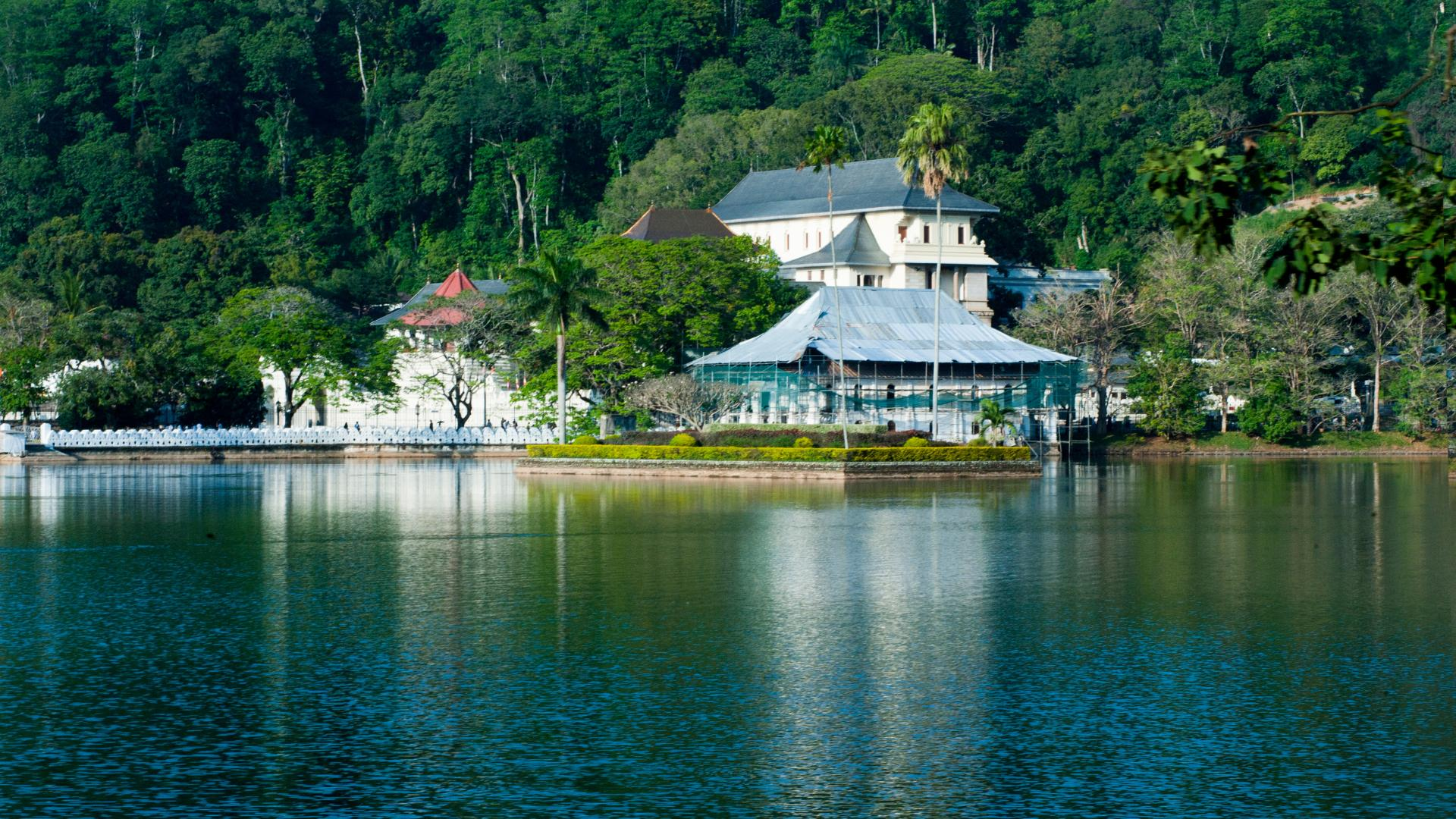
Alright, I know I started this article by complaining about blog posts that bang on about the lake, but hear me out. The lake itself isn’t the point – it’s what surrounds it that makes this one of the essential things to do in Kandy.
The lake was created in 1807 by the last Sinhalese king, Sri Wickrama Rajasinghe, and it’s become the heart of the city in more ways than one. Walking the perimeter gives you a proper feel for how Kandy works as a living city, not just a tourist destination.
Start your walk from near the Temple of the Sacred Tooth Relic and follow the path anticlockwise. You’ll pass joggers getting their morning exercise, monks in saffron robes heading to temple, street vendors setting up their carts, and groups of schoolchildren in pristine white uniforms. This is where Kandy sightseeing becomes less about ticking boxes and more about absorbing the atmosphere. The lake reflects the surrounding hills beautifully, especially in early morning or late afternoon when the light turns everything golden.
But here’s where it gets interesting. Use the lake walk as your starting point to explore the old city streets that branch off from it. Duck into the small lanes behind the main road and you’ll find crumbling colonial buildings, tiny shrines tucked into unexpected corners, and local tea shops where a cup costs less than 50p. These are the things to see in Kandy that most guidebooks miss entirely. The streets around the market area are particularly fascinating – chaotic, colourful, and completely authentic.
There’s also a great viewpoint on the southern side of the lake where you can see the entire scene laid out before you: the temple complex, the hills rising behind it, and the city spreading up the slopes. It’s one of those moments where you stop and think, “Right, this is why I came to Sri Lanka.”
Another Good Read: What to See in Lithuania in 3 days
4. Kandyan Cultural Dance Performances
Best for: Immersive cultural experiences
Now, I’ll admit I was skeptical about this before I actually went. Tourist cultural shows can be a bit naff, can’t they? All dressed up for visitors with none of the genuine feeling. But Kandyan dance performances are different. They’re not some watered-down version created for tourists – this is a living art form that’s been practiced in these hills for over two thousand years.
The performances typically last about an hour and pack in an incredible variety of traditional dances, each with its own meaning and story. You’ll see dancers in elaborate costumes performing moves that seem to defy physics, accompanied by thunderous drumming that you feel in your chest as much as hear. The fire walking finale, where performers walk across burning coals, is absolutely riveting. No matter how many times the rational part of your brain tells you it’s just physics, watching it happen right in front of you is something else entirely.
Several venues around Kandy offer these performances, with shows usually starting around 5 PM. The Kandy Lake Club Cultural Centre is one of the more popular spots, though honestly, the quality is fairly consistent across venues. Tickets run about £8-10 for foreigners, and it’s worth booking ahead during peak season. This is definitely one of those must-see Kandy attractions that actually lives up to the hype.
What makes these performances special is understanding that these aren’t just dances. They’re religious rituals, harvest celebrations, and stories passed down through generations. The dancers train for years to master these movements, and many come from families who’ve been performing for centuries. When you watch a Kandyan cultural experience like this, you’re witnessing something that connects directly to the ancient Kingdom of Kandy that once ruled these highlands.
5. Bahirawakanda Vihara Buddha Statue
Best for: Panoramic views and photography
Perched on a hilltop overlooking the entire city, the massive white Buddha statue at Bahirawakanda Vihara temple is visible from almost everywhere in Kandy. But the real magic happens when you make the journey up there yourself. This is one of those top tourist spots in Kandy that delivers exactly what it promises: absolutely stunning views.
The Buddha statue itself stands about 88 feet tall and is surprisingly impressive when you’re standing at its base. But let’s be honest – you’re really here for the vista. From this vantage point, you can see the entire city spread out below: the Temple of the Sacred Tooth Relic, Kandy Lake, the surrounding mountains, and on clear days, you can see for miles across the central highlands. It’s the kind of view that makes you understand why the ancient kings chose this location for their capital.
Sunrise and sunset are particularly spectacular up here, though you’ll need to time your visit carefully as the temple follows specific opening hours. The climb up can be done by tuk-tuk or car – there’s a road that goes most of the way. If you’re feeling energetic, you can walk up from the city centre, but be prepared for a proper workout. The steep path takes about 30-40 minutes at a reasonable pace.
Photography enthusiasts, bring your wide-angle lens. This is one of the scenic spots in Kandy where you’ll want to capture the full sweep of the landscape. Evening visits are especially rewarding when the city lights start twinkling below and the mountains fade into silhouette. Just remember to dress modestly as this is an active temple, and take off your shoes before approaching the Buddha statue.
6. Udawatta Kele Sanctuary
Best for: Wildlife and nature trails
Right in the heart of Kandy, just behind the Temple of the Sacred Tooth Relic, lies a secret that most tourists completely miss. Udawatta Kele Sanctuary is a 104-hectare forest reserve that feels like stepping into another world entirely. One minute you’re in the bustling city centre, the next you’re surrounded by towering trees, the calls of endemic birds, and blessed quiet.
The sanctuary was once a royal forest reserve, used exclusively by Kandyan royalty. Today, it’s open to the public and offers several marked trails ranging from easy strolls to more challenging hikes. The main path is fairly straightforward and takes you through beautiful forest scenery with occasional glimpses of wildlife. Keep your eyes peeled for monkeys, deer, and if you’re lucky, some of Sri Lanka’s endemic bird species like the Sri Lanka hanging parrot or the yellow-fronted barbet.
What I love about Udawatta Kele is how it resets your brain after the sensory overload of Kandy’s busy streets. The temperature drops as soon as you enter the forest canopy, and there’s something deeply calming about walking beneath these ancient trees. There are a couple of meditation hermitages within the sanctuary where Buddhist monks live in forest seclusion, adding to the peaceful atmosphere.
For those interested in Kandy walking tours, hiring a guide here is actually worth it. The guides know where to spot wildlife, can identify bird calls, and share fascinating information about the forest’s medicinal plants and ecological importance. Entry is cheap – around £3 for foreigners – and the sanctuary opens early, making it perfect for a morning walk before the day heats up.
The sanctuary is also home to several small rock shelters and caves that were used by Buddhist monks hundreds of years ago. Finding these tucked away spots feels like discovering your own private archaeological site. Just remember to stay on the marked paths, bring water, and wear proper walking shoes as some trails can be muddy.
7. Ceylon Tea Museum
Best for: Tea lovers and history enthusiasts
Sri Lanka and tea are basically synonymous, so visiting the Ceylon Tea Museum makes perfect sense when you’re exploring Kandy. Located about 4 kilometers south of the city in a converted tea factory, this museum tells the story of how Ceylon tea became one of the world’s most prized beverages.
The building itself is a piece of history – a former tea factory that stopped operating in the 1980s. Walking through it gives you a real sense of how tea production worked in the colonial era. The old machinery is still in place, from the withering lofts to the rolling machines, and you can see the entire process laid out across different floors. It’s fascinating to understand just how labor-intensive tea production was before modern automation.
But the best part? The tasting room on the top floor. After learning about tea cultivation, processing, and grading, you get to sample some excellent varieties whilst enjoying panoramic views over the surrounding tea estates. The museum staff are incredibly knowledgeable and passionate about their subject, turning what could be a dry educational experience into something genuinely engaging. This is one of those Kandy cultural experiences that sneaks up on you – you think you’re just going to look at some old machines, and you end up spending two hours completely absorbed.
The museum also houses a library with rare books on tea cultivation and an excellent collection of vintage tea machinery and equipment. Photography enthusiasts will love the industrial aesthetics of the old factory spaces. Entry costs about £5 for foreigners, and it’s worth timing your visit for mid-morning when natural light floods through the building’s large windows.
8. Local Markets and Shopping
 Best for: Handicrafts and local cuisine
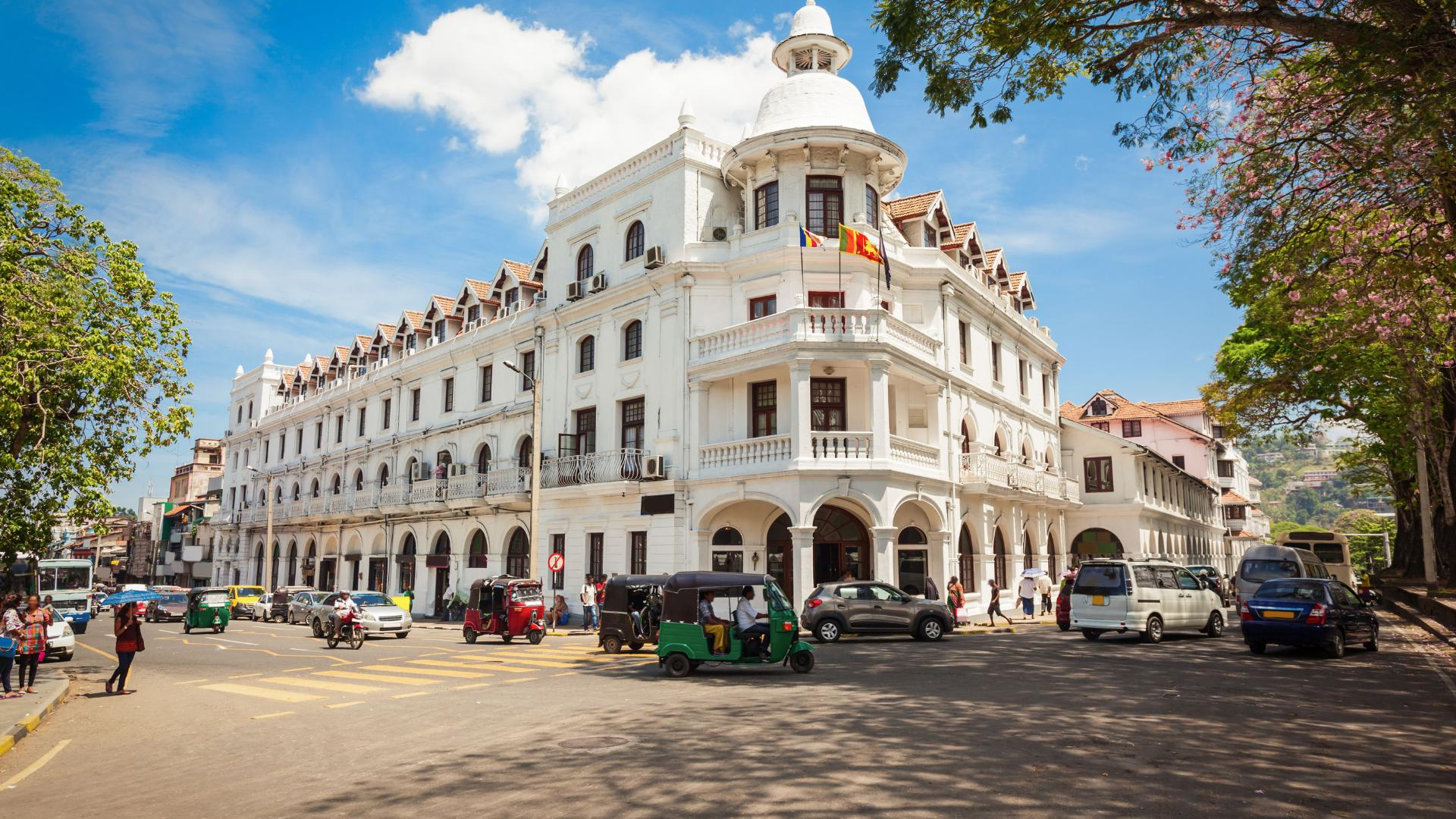
The Kandy Municipal Market is where the city’s real personality shines through. This isn’t some sanitized tourist market with fixed prices and bored vendors. It’s a proper working market where locals do their daily shopping, and the energy is absolutely electric.
The ground floor is dedicated to fresh produce – mountains of tropical fruits, vegetables you’ve never seen before, spices piled high in fragrant pyramids. The colors and smells alone are worth the visit. Upstairs, you’ll find the craft and textile sections where vendors sell everything from traditional handloom sarongs to intricate wood carvings. This is where those local experiences in Kandy happen naturally, without feeling staged or forced.
Bargaining is expected here, but keep it friendly and reasonable. These are people making a living, not a game to see how little you can pay. A good rule of thumb is to start at about 60% of the asking price and meet somewhere in the middle. The vendors appreciate genuine interest in their products and will often share stories about the craftsmanship involved.
For souvenirs, look for authentic Sri Lankan handicrafts like lacquerwork from nearby villages, brass oil lamps, or handwoven baskets. The spice sections are brilliant for taking home saffron, cinnamon, and cardamom at a fraction of what you’d pay back home. Just make sure you’re buying the real deal – if the price seems too good to be true, it probably is.
Don’t miss the small eateries around the market serving local short eats – vadai, samosas, and rolls that cost almost nothing but taste incredible. Grab a fresh king coconut for hydration (about 80p) and watch the world go by. These are the Kandy city highlights that never make it into official tourism campaigns but end up being your favorite memories.
9. Hidden Gems in Kandy
Best for: Off-the-beaten-path experiences
Beyond the main attractions, Kandy holds several hidden gems that reward curious travellers willing to venture slightly off the typical tourist trail. Gadaladeniya Temple, located a short drive from the city, is an absolute stunner that sees a fraction of the visitors compared to the Sacred Tooth Temple. Built in 1344 by King Bhuvanekabahu IV, it was originally named Dharma Kirthi Viharaya after the founding monk. What makes it special is its distinctly South Indian architectural style – the temple was designed by an architect from India, and you can see that influence in every carved detail.
Nearby, you’ll find Lankathilaka Temple, built around the same period and equally impressive. The temple sits atop a rocky outcrop with stunning views across the surrounding countryside. The rock formations here are dramatic, and the temple complex feels like it’s grown organically from the stone itself. These hidden gems in Kandy for travelers offer the perfect combination: significant historical importance, beautiful architecture, and the peaceful atmosphere that comes from fewer visitors.
For secret viewpoints, locals will tell you about Arthur’s Seat, a rocky outcrop that provides yet another perspective on Kandy’s stunning geography. It requires a bit of scrambling to reach, but the sunset views are extraordinary. Similarly, the small temples dotting the hills around Kandy – places like Embekke Devalaya with its incredibly detailed wood carvings – offer authentic experiences without the crowds.
These spots work perfectly for anyone putting together Kandy itinerary ideas that go beyond the standard tourist circuit. You’ll need a tuk-tuk or hired car to reach most of them, but drivers know these places well and are usually happy to wait while you explore.
10. Day Trips from Kandy
Best for: Extended cultural and nature experiences
Kandy’s central location makes it the perfect base for exploring some of Sri Lanka’s most spectacular historic places. The most famous day trip is undoubtedly Sigiriya Rock Fortress, about two hours’ drive away. This 5th-century fortress built atop a massive rock outcrop is one of the most impressive archaeological sites in Asia. The climb to the top is challenging but the views and ancient frescoes make it unforgettable.
Closer to Kandy, the Knuckles Mountain Range offers some of the best hiking in Sri Lanka. Many travelers don’t realize that Kandy can serve as a comfortable base for exploring these stunning mountains. The range gets its name from its resemblance to a clenched fist and is home to incredible biodiversity, traditional villages, and challenging trekking routes. However, exploring Knuckles on your own isn’t a great idea. Unlike national parks in developed countries, Sri Lankan forests aren’t always tourist-friendly. There are no signs pointing you in the right direction, no clear paths, and no one for miles around to ask for help from. Book a guided trek through a reputable operator in Kandy.
The Dambulla Cave Temples, another UNESCO World Heritage site, can be combined with Sigiriya for a full day of exploration. These rock temples contain over 150 Buddha statues and ancient murals that will leave you awestruck. The site dates back to the 1st century BCE and remains an active place of worship.
Most hotels and guesthouses in Kandy can arrange these day trips, or you can book through tour operators in the city. Prices vary depending on group size and inclusions, but expect to pay around £40-60 per person for a well-organized day trip with transport and guide.
How to Plan Your Kandy Trip
Getting to Kandy is straightforward. The train journey from Colombo takes about three hours and offers beautiful scenery as you climb into the highlands. Alternatively, buses and private cars make the journey in about two and a half hours. Once you’re in Kandy, tuk-tuks are your best friend for getting around – they’re cheap, everywhere, and drivers usually know the area well. Agree on the price before you set off.
The best time to visit Kandy is during the dry season from January to April, though honestly, Kandy’s hill-country climate means rain is possible year-round. Pack layers as temperatures can vary significantly between day and night, and the higher altitude makes it cooler than coastal areas. A light rain jacket is essential regardless of when you visit.
Accommodation ranges from budget guesthouses to luxury hotels, many with stunning views over the city or surrounding hills. Book ahead if you’re visiting during the Esala Perahera festival in July/August – the city gets absolutely packed and prices skyrocket. For those unique cultural experiences in Kandy, staying in a homestay can be brilliant. You’ll get insider knowledge from locals and home-cooked meals that beat restaurant food hands down.
A Kandy sightseeing map is useful for orientation, though the city centre is compact enough to navigate without constant reference. Most attractions are within easy reach, and tuk-tuk drivers can take you to the slightly further spots. Three to four days gives you enough time to see the main sights without rushing and allows for a day trip or two.
Recommended Read: Budget Travel Tips
Tips for Experiencing the Best of Kandy
Timing is everything when it comes to Kandy travel. If you can arrange your visit around the Esala Perahera festival, you’re in for something truly special. This massive Buddhist festival happens over ten nights in July or August and features elaborate processions with dancers, drummers, fire performers, and decorated elephants. It’s one of Asia’s most spectacular cultural celebrations, but book accommodation months in advance.
Temple etiquette matters here more than in some other parts of Sri Lanka. Always dress modestly with covered shoulders and legs. Remove shoes and hats before entering any religious building. Never pose for photos with your back to Buddha statues – it’s considered deeply disrespectful. If you’re unsure about what’s appropriate, watch what locals do and follow their lead.
Photography is generally allowed at most sites, but always ask before photographing monks or people praying. Some temple interiors prohibit flash photography to protect ancient murals and artwork. The best light for outdoor photography is early morning or late afternoon, and Kandy’s misty mornings create particularly atmospheric conditions.
Combine different types of Kandy local activities to get the full experience. Don’t just tick off temples – mix cultural sites with nature walks, market visits with mountain adventures. This variety captures what makes Kandy special: it’s not just a historical city or a nature destination, but a place where multiple layers of Sri Lankan life intersect and overlap.
Final Thoughts
The best things to do in Kandy aren’t about rushing from one attraction to another, ticking them off a list. They’re about slowing down enough to feel the city’s rhythm, to understand why this place has been Sri Lanka’s cultural heart for centuries. From the sacred temples that draw Buddhist pilgrims from across Asia to the quiet forest trails where you can escape the crowds entirely, Kandy offers layers of experience that reward the curious traveler.
What strikes me most about Kandy is how it manages to be both grand and intimate. You’ve got these massive, significant historical sites like the Temple of the Sacred Tooth Relic, but you’ve also got tiny neighborhood shrines and hidden forest sanctuaries. There are cultural performances that have been refined over two millennia, but also spontaneous moments in markets and tea shops where you connect with everyday Sri Lankan life.
The Kandy attractions I’ve shared here range from absolute must-sees to quieter experiences that might not be on every tourist’s radar. Mix and match based on your interests, your energy levels, and how much time you have. Some travelers will spend weeks here using it as a base to explore the central highlands. Others might pass through in a couple of days on their way to the famous train journey down to Ella. There’s no wrong way to experience Kandy, as long as you give it the attention it deserves.