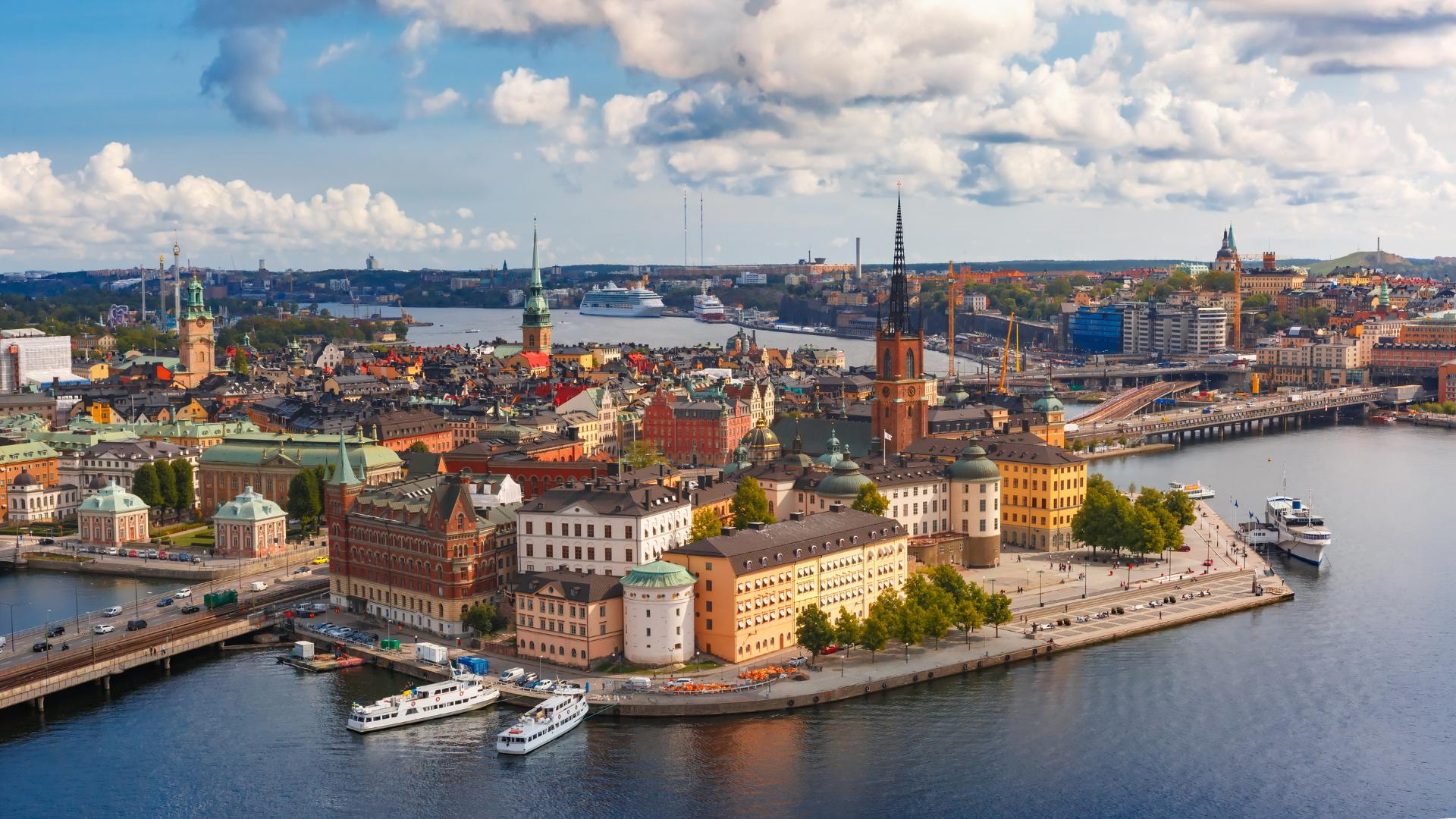
Sweden stretches from stylish southern cities to the raw wilderness of the far north, and every region carries its own character, history, and quiet beauty. You find lively streets mixing with remnants of ancient civilisations, deep forests blending into calm lakes, and islands scattered like pearls along the coast.
When people ask about the best places to visit in Sweden, I always explain that the country feels different the moment you move from one region to another. So, in this Sweden travel guide, I’ll start in the south before working my way north through some of the top destinations in Sweden.
The Most Beautiful Places in the South of Sweden
The south of Sweden feels warm and welcoming, with rolling hills, golden fields, deep forests, and rugged coastlines that almost seem Mediterranean on a sunny day. The bright blue water and white sandy stretches often surprise people who expect Sweden to be cold and grey. What I love most about this region is how easy it is to reach. You can simply drive in from Denmark or Norway, or take a ferry from Germany or Denmark. When I travelled through the south, I did it shortly after visiting Copenhagen — a trip that cost me just under £250, although I wouldn’t call Copenhagen a budget destination at all.
Before I share the southern gems of Sweden, here’s how Copenhagen broke down for me:
- Flights – £64.24
- Accommodation – £55
- Activities – £61.70
- Food & Drinks – £46.40
- Transportation – £17.07
Total for 3 cheap days in Copenhagen – £244.41
Even though this sat within a £250 budget, I wouldn’t recommend Copenhagen if you’re trying to keep costs down. It’s easy to overspend, and it’s one of those cities where everything adds up the moment you relax your budget. Sweden, especially the south, feels far more relaxed and better suited for travellers who want culture, scenery, and space without the same pressure on their wallet.
With that in mind, let’s move into the southern Swedish landscapes that stay with you long after the trip ends. These are some of the best places to visit in Sweden, and they show why people love exploring the country at a slower pace.
Stenshuvud National Park
Stenshuvud National Park sits right in the heart of Österlen, an area famous for its rolling farmland, orchards, and pretty coastline. The park stands out because of the gentle rise of Stenshuvud hill, which gives you a wide view over the Baltic Sea once you reach the top. The climb is fairly easy, and the reward feels far bigger than the effort.
The beaches here look shockingly tropical on a sunny day, with pale sand and clear water that almost glows blue. If you’re searching for peaceful Sweden destinations, this one fits perfectly.
The Islands at the Göteborg Coastline
Göteborg, Sweden’s second-largest city, is already worth visiting for its canals, cafés, and relaxed charm, but the coastline just outside the city is what truly stays with you. A short boat ride takes you through an archipelago of smooth rocks, sleepy villages, and islands that seem untouched.
Streetcars rattle through Göteborg, but once you reach the islands, everything slows down. The combination of sea breeze, fishing huts, and easy walks makes this area one of the top destinations in Sweden for travellers who want scenery without long hikes.
Fjällbacka
Fjällbacka is truly one of the most beautiful places in Sweden – it looks just like a postcard. This fishing village on the Bohuslän coast has become famous partly thanks to crime writer Camilla Läckberg, who set her novels here. But Fjällbacka was charming long before literary fame arrived.
The colorful houses on the archipelago of Bohuslän are very photogenic, and unfortunately it’s also very busy and touristy in the summer. This doesn’t mean you shouldn’t visit Fjällbacka, however. Just be strategic about timing. Early mornings or late spring offer the charm without the coach tours.
The village clusters around a natural harbor, with houses painted in traditional reds, yellows, and whites climbing up the rocky slopes. Above the village looms Vetteberget, a massive granite cliff that splits dramatically down the middle. You can climb through this crevice – called Kungsklyftan (King’s Cleft) – and reach viewpoints overlooking the archipelago. The view from up there, especially at sunset, makes you understand why this ranks among the best places to visit in Sweden.
Down at sea level, you can rent kayaks to explore the surrounding islands. The archipelago here consists of over 8,000 islands and skerries, offering endless opportunities for exploration. Fresh seafood is exceptional, particularly the langoustines and prawns caught daily in local waters.
Another Good Read: How to Spend 48 Hours in Dublin Without Rushing
Småland
The Småland region is a relatively short drive away from the Netherlands, making it popular with European visitors. This is Sweden as you see Sweden on television – endless forests, red wooden houses with white trim, and lakes that reflect clouds so perfectly you can barely tell water from sky.
Småland embodies traditional Swedish countryside life. This is where IKEA originated (you can even visit the first IKEA museum in Älmhult), and the landscape inspired many of Astrid Lindgren’s beloved children’s books. The author grew up in Vimmerby, where you’ll now find a theme park dedicated to her characters.
Small villages dot the landscape, each with a red wooden church and a collection of traditional houses. The Glass Kingdom (Glasriket) in Småland is famous for glass-blowing artistry, with workshops where you can watch master craftsmen at work. For anyone seeking places to visit in Sweden that capture traditional Swedish culture, Småland delivers authentically.
Vänervatten
An area that I only recently got to know was that around Lake Väner (the Vänervatten). With an area of over 5,000 square kilometers, this is the largest lake in Sweden. In fact, it’s the third-largest lake in Europe, though many people don’t realize this.
Lake Väner functions almost like an inland sea. It has proper beaches, islands, and even its own archipelago. The Djurö archipelago in particular offers stunning natural beauty with over 250 islands to explore. Many are uninhabited, offering pristine camping spots if you fancy a proper wilderness experience.
The towns ringing the lake have their own appeal. Mariestad, on the eastern shore, has a beautifully preserved medieval town center with wooden houses from the 17th century. Läckö Castle, perched on a promontory jutting into the lake, looks like something from a fairy tale with its white baroque towers reflected in the water.
What makes Vänervatten special among Sweden tourist attractions is how it combines the feel of coastal living with being landlocked. You can sail, swim, and fish just as you would by the sea, but you’re actually in the heart of Sweden. The sunsets over this massive expanse of water rival any ocean vista.
Stockholm
No list of the best places to visit in Sweden would be complete without the capital. Stockholm spreads across 14 islands connected by over 50 bridges, creating a city where water is constantly present. This geography gives Stockholm a unique character – it feels simultaneously grand and intimate, urban yet close to nature.
Gamla Stan, Stockholm’s old town, is where most visitors start. The medieval alleyways, painted in shades of gold and rust, narrow to the point where you can touch buildings on both sides. Stortorget, the main square, is picture-perfect with its colorful merchants’ houses. But Stockholm is far more than its postcard-pretty center.
Modern Stockholm embraces sustainability and design. You’ll notice this in everything from the subway stations (which function as the world’s longest art gallery) to the innovative restaurants serving New Nordic cuisine. The city manages to feel both thoroughly Scandinavian and genuinely cosmopolitan.
Getting around is easy via an excellent public transport system. In summer, consider taking archipelago boats to islands like Fjäderholmarna or Grinda for swimming and nature walks. Stockholm serves as an ideal base for exploring other top destinations in Sweden, with good rail connections north and south.
Utö
Utö represents Stockholm’s archipelago at its finest. This island, about two hours by boat from the city center, feels worlds away from urban life despite being relatively close. Utö has been inhabited for centuries – iron ore mining brought people here in medieval times – but today it’s all about relaxation and natural beauty.
The island is car-free, so you don’t need to book a car rental, and this immediately sets a different pace. You’ll get around by walking or cycling along paths that wind through pine forests and past red cottages. The landscape consists of smooth granite rocks, hidden coves, and beaches that range from sandy to pebbly. Gruvbryggan, the main harbor, has restaurants serving fresh fish and a distinctive atmosphere that blends old mining history with summer holiday vibes.
Utö’s southern tip features a windmill and lighthouse that have become iconic photo subjects. Swimming is excellent, with both sheltered bays and open water spots depending on your preference. The granite rocks surrounding the shoreline are perfect for sunbathing between dips.
The Most Beautiful Places in the Middle of Sweden
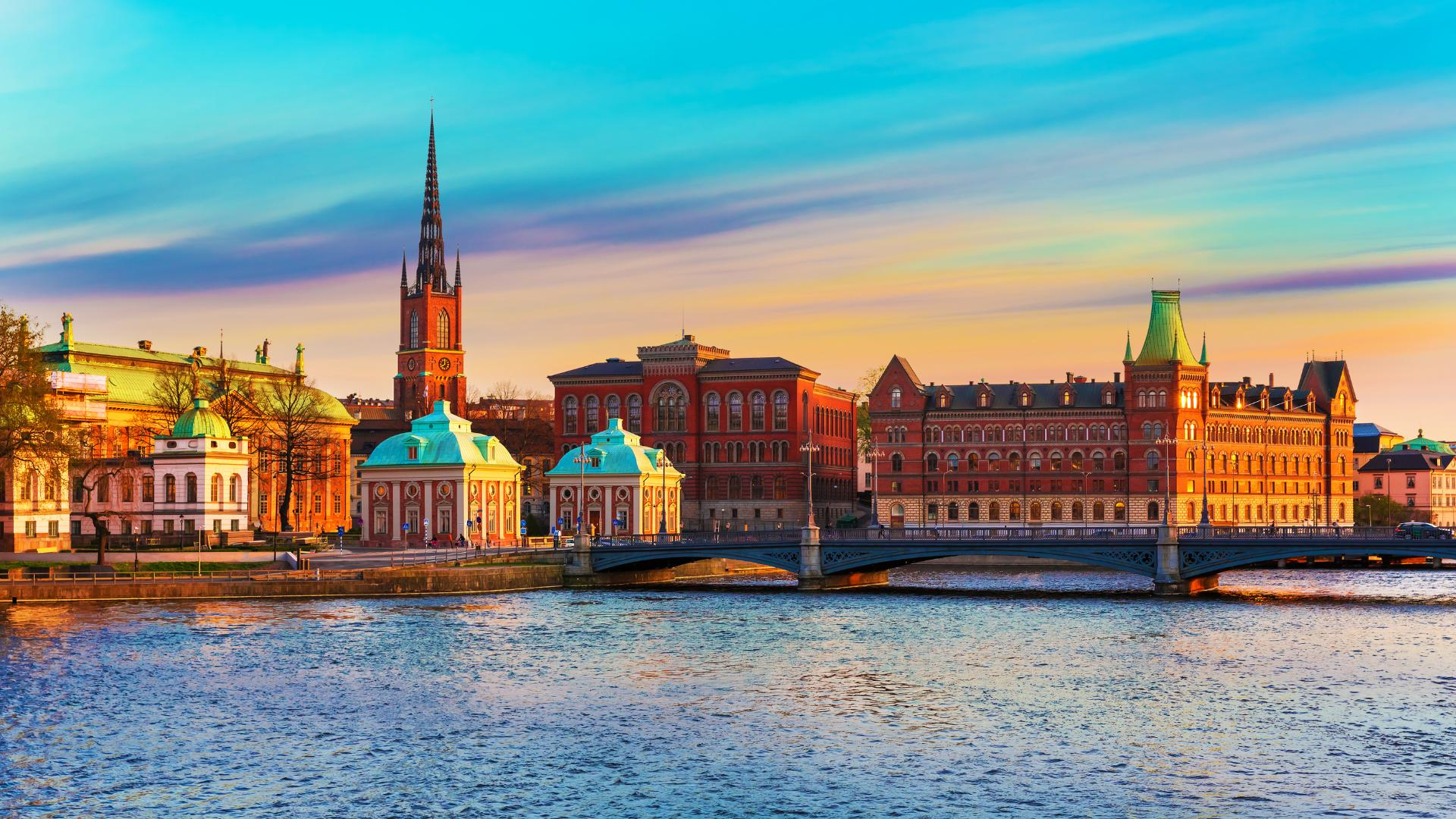 As you move further north into the centre of the country, the hills begin to change shape. They rise slowly at first, then shift into full mountain landscapes, known locally as “fjälls.” The wilderness becomes more noticeable, and the sense of open space feels stronger with every mile. This part of Sweden suits anyone who wants calm trails, fresh air, and scenery that moves from soft green valleys into rugged, untouched nature. It’s also where you start to see a clearer contrast between urban Sweden and the wilder heart of the country. The middle region holds some of the most striking Sweden destinations, and all of them offer a calm and grounded experience.
Brattfallet
Brattfallet might not be Sweden’s highest waterfall, but it’s certainly one of its most beautiful. Located in Jämtland, this cascade drops 45 meters through a narrow gorge surrounded by old-growth forest. The power and sound of the falling water creates an almost primal atmosphere.
The hike to Brattfallet takes you through pristine forest where some trees are hundreds of years old. The path is well-maintained but still feels wild, with mossy boulders and twisted roots creating that fairy-tale forest aesthetic. In spring, when snowmelt swells the river, the waterfall thunders with impressive force. By late summer, it becomes more delicate but no less beautiful.
There’s something special about discovering natural wonders that aren’t overrun with tourists. Brattfallet sees far fewer visitors than more famous Sweden destinations, which means you might have this spectacular waterfall entirely to yourself.
Fulufjället National Park
Fulufjället National Park straddles the border with Norway and contains one of Sweden’s most dramatic natural features: Njupeskär, Sweden’s highest waterfall. The falls drop 93 meters in a single cascade. This creates a misty spectacle that you can hear long before you see it.
The park itself represents the transition between Swedish forests and Norwegian mountains. The landscape features plateaus covered in alpine vegetation, deep valleys, and hillsides thick with ancient spruce forest. One of Fulufjället’s trees, Old Tjikko, is considered the world’s oldest tree at over 9,500 years old. It doesn’t look particularly impressive – it’s rather small and scraggly – but knowing its age makes standing beside it feel profound.
Fulufjället ranks among the best places to visit in Sweden for anyone drawn to raw natural beauty. The park’s relative remoteness means it never feels crowded, even during peak summer months.
Idrefjäll, Dalarna
Idrefjäll in Dalarna represents Sweden’s mountain sports center. Best known for skiing in winter, this area transforms into an outdoor adventure playground come summer. The mountains here aren’t as dramatic as those further north, but they’re accessible and offer diverse activities.
Summer brings mountain biking, hiking, and surprisingly good fishing. The trails wind through alpine meadows bursting with wildflowers in July. You can hike across into Norway easily, as the border runs just west of Idrefjäll. The Särnafjällen Nature Reserve, adjacent to the ski resort, protects pristine mountain wilderness perfect for multi-day treks.
Idrefjäll maintains mountain lodges and staffed facilities, making it ideal for people who want wilderness experiences without going fully off-grid. You can base yourself in comfortable accommodation whilst spending days exploring remote areas. This accessibility makes it one of the more practical top destinations in Sweden for families or less experienced outdoor enthusiasts.
The Dalarna region as a whole captures traditional Swedish culture beautifully. Red wooden houses, folk music traditions, and midsummer celebrations all thrive here. Combining mountain adventures with cultural experiences gives Idrefjäll broader appeal than purely nature-focused destinations.
Sonfjället National Park
Sonfjället National Park protects an isolated mountain massif rising from the surrounding forested landscape. This distinctive geography creates unique ecosystems, with everything from dense spruce forest at lower elevations to exposed alpine tundra near the summit of Sonfjället peak.
The park is bear territory. Sweden’s bear population concentrates in this region, and whilst encounters remain rare, you’ll see claw marks on trees and occasionally find tracks. The park authorities run bear-watching tours if you’re keen to spot these magnificent animals safely.
Hiking routes circle the mountain and climb to the summit. The views from the top extend for miles across forested valleys and distant mountain ranges. In early summer, the alpine meadows explode with flowers, whilst autumn brings brilliant colors to the birch forests. Winter transforms Sonfjället into prime cross-country skiing terrain.
What makes Sonfjället one of the special places to visit in Sweden is its combination of accessibility and genuine wilderness. You can reach the park easily from Stockholm (about five hours’ drive), yet within minutes of leaving your car, you’re surrounded by untamed nature.
Vålådalen Nature Reserve
Vålådalen Nature Reserve in Jämtland contains some of Sweden’s most pristine mountain landscapes. This vast protected area encompasses river valleys, mountain peaks, and traditional Sami summer grazing lands. The reserve sees far fewer visitors than nearby national parks.
Vålådalen represents Sweden destinations at their most authentic. This isn’t a place with visitor centers and guided tours. Instead, you’ll find wilderness that demands self-sufficiency and rewards it with experiences of genuine solitude and natural beauty.
Höga Kusten
Höga Kusten (High Coast) has been designated a UNESCO World Heritage Site, and spending time here makes it clear why. The coastline features cliffs rising dramatically from the Baltic Sea, reaching heights of nearly 300 meters – exceptional for this part of Sweden. These cliffs were formed by the land rebounding after being compressed under ice-age glaciers, and the coast continues rising by about 8mm per year.
The landscape combines mountains meeting the sea, creating scenery unlike anywhere else among the best places to visit in Sweden. Islands dot the waters offshore, whilst inland, valleys and forests provide excellent hiking. The High Coast Trail (Höga Kustenleden) stretches 130 kilometers through this spectacular terrain, offering one of Sweden’s premier long-distance hiking experiences.
Scattered throughout Höga Kusten are traditional fishing villages, each more picturesque than the last. Nordingrå features a beautiful wooden church, whilst Ullånger offers charming red cottages clustered around a harbor. The region maintains strong connections to fishing and maritime traditions, giving it authentic cultural depth beyond pure natural beauty.
Activities range from sea kayaking between islands to rock climbing on the sea cliffs to simply driving the stunning coastal road and stopping at viewpoints. In modern Uppsala, stroll along the Fyrisån (Fyris River) and wander through the parks provides a completely different experience, but Höga Kusten offers that perfect marriage of mountains and sea.
The Most Beautiful Places in the North of Sweden
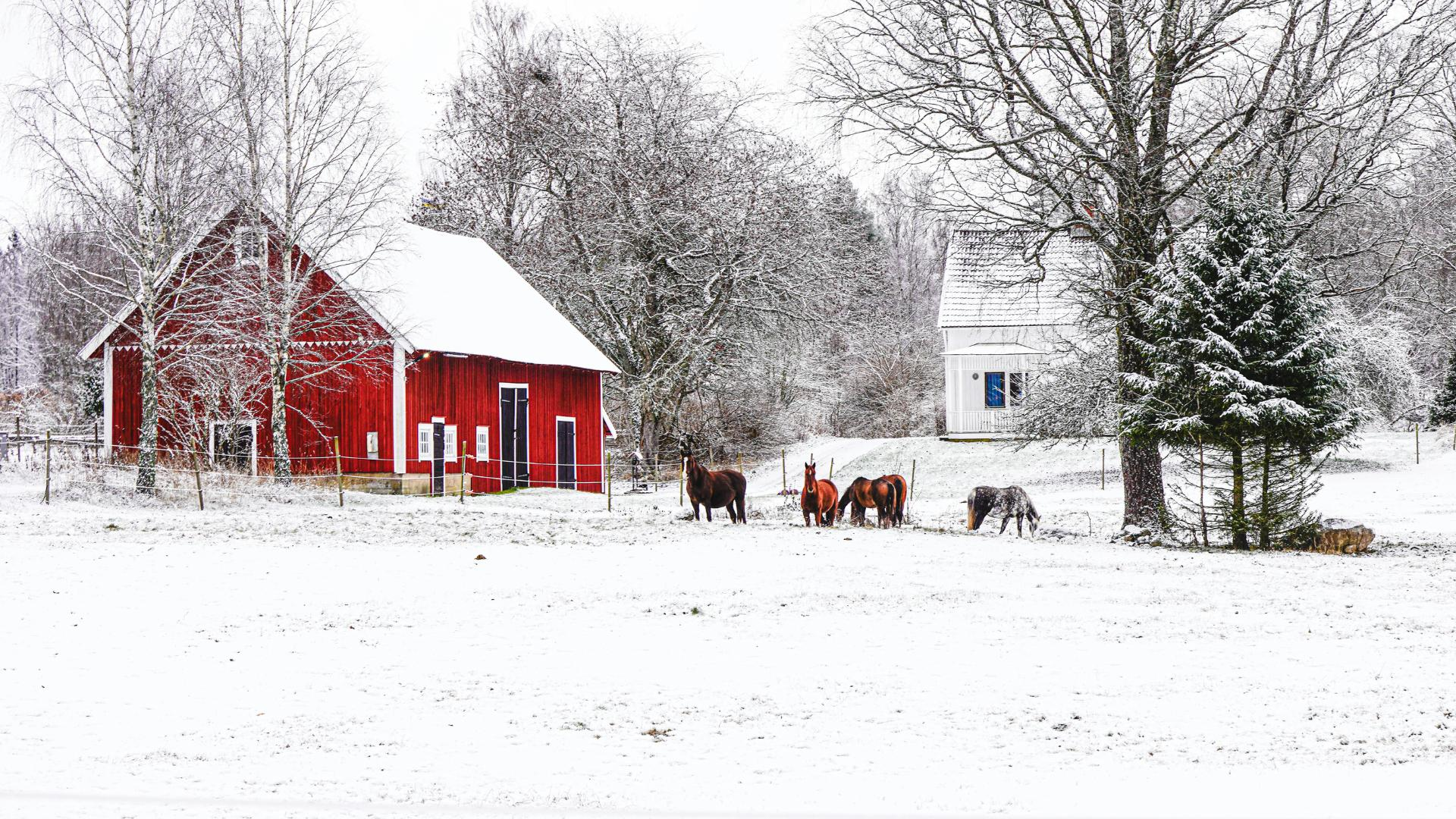 The further north you travel, the more Sweden begins to feel like a world of its own. The forests grow thicker, the rivers run colder and faster, and the mountains take on a rugged shape that you won’t find anywhere in the south. Light works differently here too. Summer days stretch late into the night, and winter brings long hours of darkness mixed with the glow of the Northern Lights. This entire region feels untouched, and it captures the essence of what makes the best places to visit in Sweden so memorable.
Exploring the north also gives you a deeper sense of how diverse the country truly is. After the gentle southern coastline and the rolling hills in the middle, the wild north feels like stepping into a world shaped by raw nature and ancient traditions. If you’re searching for top destinations in Sweden that offer isolation, beauty, and adventure, this region becomes unforgettable.
Vildmarksvägen
Vildmarksvägen (Wilderness Road) isn’t so much a destination as a journey. This 500-kilometer scenic route runs from Strömsund to Vilhelmina, cutting through some of Sweden’s most remote and beautiful landscapes. The road passes through mountains, forests, and highland plateaus where you might drive for an hour without seeing another vehicle.
Along the route, you’ll find hiking trails, mountain lodges, and spectacular viewpoints. The road crosses several nature reserves and passes lakes so clear you can see to the bottom. In summer, the midnight sun allows for driving or hiking at any hour, creating surreal experiences of reading maps or cooking meals at midnight under golden light.
Vildmarksvägen represents the kind of road trip that defines Sweden travel guide recommendations. It’s not about rushing from point A to B, but rather embracing the journey itself. Stop when something catches your eye. Take unmarked trails. Camp beside lakes. This flexibility and freedom make it one of the most rewarding experiences among top destinations in Sweden.
The route requires proper preparation. Fuel stations appear infrequently, so keep your tank full. Weather can change rapidly even in summer, so pack layers. But for adventurous travelers, Vildmarksvägen offers access to wilderness that few other places can match.
Vindelfjällen Nature Reserve
Vindelfjällen is enormous – Sweden’s largest nature reserve at nearly 5,600 square kilometers. This vast protected area encompasses mountains, forests, rivers, and countless lakes. It represents true wilderness, the kind of place where you can hike for days without crossing a road or seeing a building.
The reserve’s landscape varies dramatically. Dense pine and birch forests at lower elevations give way to bare mountain peaks and alpine plateaus. Rivers like Vindelälven and its tributaries run wild and free, without dams or diversions. This makes them important for fish populations and contributes to the reserve’s designation as a UNESCO Biosphere Reserve.
Hiking here requires serious outdoor skills. Trails exist but aren’t always clearly marked, and weather conditions can turn severe with little warning. However, for experienced wilderness travelers, Vindelfjällen offers some of the best places to visit Sweden has for genuine backcountry experiences. You’ll find solitude, pristine nature, and the satisfaction of traveling through landscapes that remain essentially unchanged for millennia.
The reserve also holds cultural significance. Sami communities have used these lands for reindeer herding for countless generations, and this traditional use continues today. Respect for Sami culture and land rights is essential when visiting.
Sarek National Park
Sarek National Park enjoys a reputation as Sweden’s most challenging wilderness. This is not a destination for casual visitors. The park contains no marked trails, no facilities, and no cabins. What it does contain is some of the most spectacular mountain scenery in Europe.
Nearly 100 glaciers remain in Sarek, remnants of the ice age that carved these valleys. Six peaks exceed 2,000 meters in height, whilst countless others form a dramatic alpine landscape. Rivers fed by glacial melt thunder through deep valleys, and weather conditions can shift from sunshine to blizzard within hours.
Only experienced mountaineers and wilderness trekkers should venture into Sarek. Navigation requires excellent map and compass skills. River crossings can be dangerous or impossible depending on conditions. Bears and wolverines inhabit the park. But for those with proper skills and equipment, Sarek offers one of Europe’s last true wilderness experiences.
The Rapa Valley, in particular, showcases Sarek’s beauty. This massive U-shaped valley, carved by glaciers, stretches for miles beneath towering peaks. Standing in the valley and looking up at mountains rising on all sides creates a sense of scale that’s almost overwhelming.
Stora Sjöfallet National Park
Stora Sjöfallet National Park neighbors Sarek, sharing similarly dramatic mountain landscapes but offering slightly more accessibility. The park contains several of Sweden’s highest peaks, including Áhkká, which dominates the landscape with its glaciated slopes.
The park’s name means “Great Lake Falls,” referring to waterfalls that once existed here before hydroelectric development diverted some water. Despite this historical loss, Stora Sjöfallet remains spectacularly beautiful. Ancient pine forests, some with trees over 700 years old, grow in sheltered valleys. Alpine meadows burst with flowers during the brief summer, whilst autumn brings brilliant colors to the vegetation.
Wildlife watching can be excellent. Reindeer roam the highlands in summer, whilst Arctic foxes occasionally appear in alpine areas. Golden eagles soar over ridges, and if you’re extremely lucky, you might spot a wolverine.
The Arctic Circle Area near Jokkmokk
Jokkmokk sits just north of the Arctic Circle, serving as the cultural heart of Swedish Sami territory. The town itself is small but significant, hosting an important winter market each February that has occurred annually for over 400 years. This market brings together Sami people from across northern Scandinavia for trading, socializing, and cultural celebrations.
The area around Jokkmokk offers excellent things to do in Sweden for those interested in both nature and culture. The Ájtte Museum provides outstanding exhibitions on Sami culture, Arctic ecology, and the region’s history. You’ll gain understanding of how people have thrived in this harsh environment for thousands of years.
Nature-wise, the surrounding landscapes transition between boreal forest and mountain tundra. Countless lakes offer fishing and canoeing, whilst hiking trails provide access to remote areas. In winter, this region is prime northern lights territory, with dark skies and clear nights creating ideal viewing conditions.
The Arctic Circle itself crosses through the area, marked by signs and a visitor center. There’s something special about standing on that line, even though it’s arbitrary. It marks the point where, at least once per year, the sun doesn’t set. Experiencing midnight sun or polar night creates memories that define Arctic travel.
Treriksröset
Treriksröset marks the point where Sweden, Norway, and Finland meet. This remote location, accessible only by a long hike or boat journey, has become something of a pilgrimage for outdoor enthusiasts. Standing at the cairn marking the tri-border point, you can literally have one foot in each of three countries.
The journey to Treriksröset is significant – about 14 kilometers hike from the nearest road along the Kungsleden trail. The route passes through stunning Arctic landscape, following rivers and crossing highland plateaus. You’ll likely see reindeer, and the plant life includes rare Arctic species found nowhere else in Sweden.
The area surrounding Treriksröset ranks among the best places to visit in Sweden for anyone drawn to remote, wild places. It’s not about facilities or comfort – it’s about experiencing landscape at its most raw and beautiful. The sense of being truly far from civilization, in a place where national borders seem almost meaningless against nature’s vastness, makes the journey worthwhile.
Wrapping Up…
Sweden stretches from soft southern coastlines to remote northern mountains, and every region carries its own character. That diversity is exactly what makes these nineteen spots some of the best places to visit in Sweden. You move from warm beaches and quiet islands in the south to rolling hills in the centre, and then into the raw, open wilderness of the far north. Each part shows you a different version of the country, and together they create a journey that feels balanced, varied, and grounded.
If you’re trying to decide where to go in Sweden, it helps to think about the type of experience that speaks to you most. Maybe you prefer calm coastal towns, or perhaps you want a road trip through mountain landscapes that feel untouched. Sweden gives you both and everything in between. You get stylish cities filled with culture, remnants of ancient civilisations tucked into the countryside, and nature that shifts from thick forests to wide tundra as you travel north.
If you’re planning a future holiday, exploring these nineteen top destinations in Sweden gives you a complete picture of the country’s beauty. And whether you’re here for wild hikes, soft beaches, quiet villages, or thriving cities, Sweden has a way of making each day feel calm and memorable.