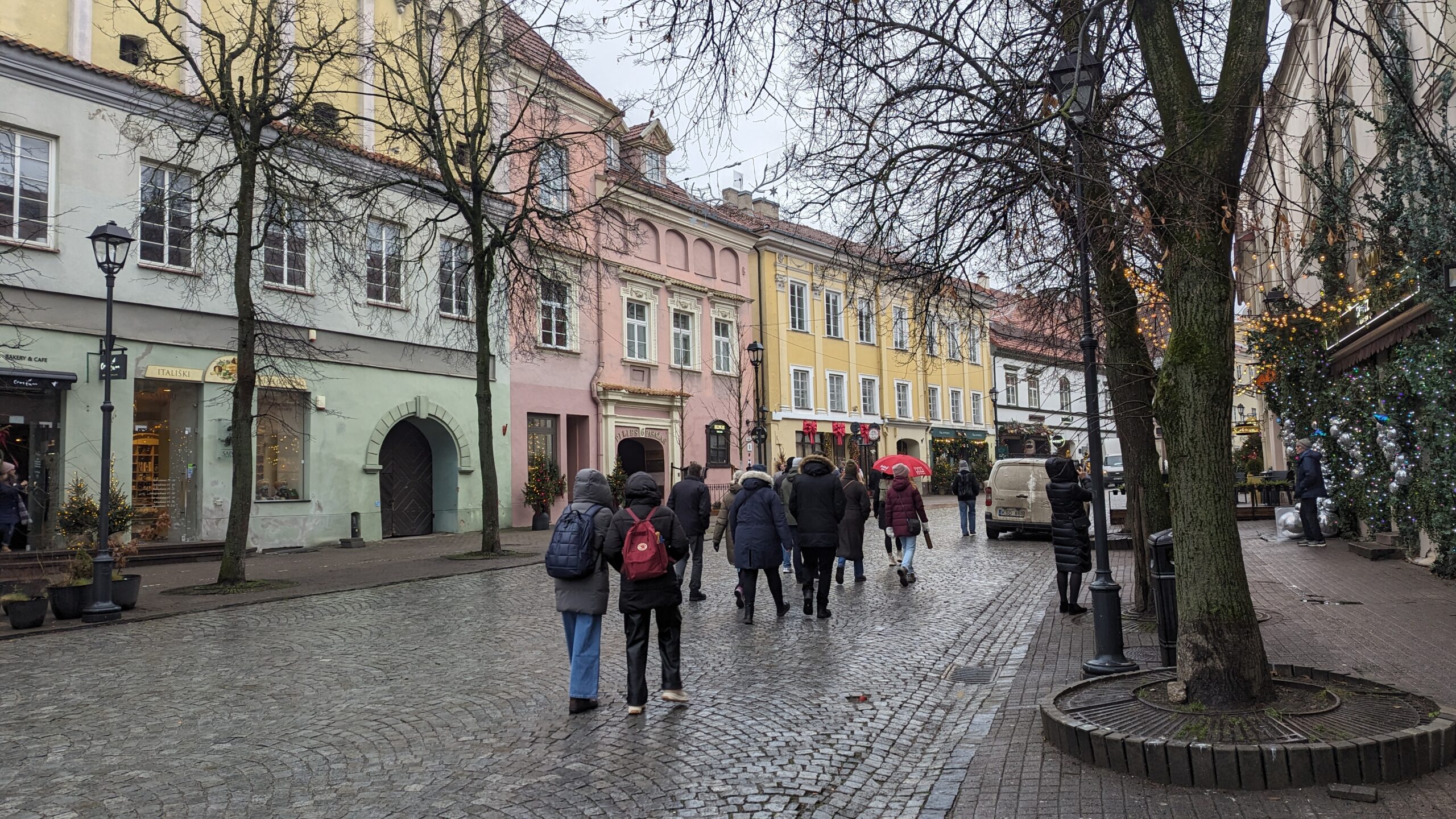
Old Town Vilnius, Lithuania
2025 Holidays – Things to Do in Lithuania
Vilnius
The Charming Capital Vilnius surprised me with its mixture of old-world charm and modern energy. The Old Town of Vilnius is a UNESCO World Heritage Site, and I spent hours wandering through its narrow streets, past medieval buildings, baroque churches, and cosy cafes. The Vilnius Cathedral and Gediminas Tower are must-visit sites, offering panoramic views of the city. I especially loved the quirky Uzupis district, a self-proclaimed “Republic” with a bohemian vibe, full of art galleries, murals, and cafes.
Things to do in Vilnius
Vilnius Cathedral and Bell Tower: Visit the iconic cathedral and climb the bell tower for a fantastic view of the city.
Gediminas Castle and Tower: Climb to the top for views over the old town and the Neris River.
Uzupis: Explore this artsy district with its own constitution and quirky atmosphere.
The Museum of Occupations and Freedom Fights: A deeply moving museum in a former KGB building that tells Lithuania’s history under Soviet occupation.
Trakai Day Trip: A Fairytale Castle Just a short distance from Vilnius is Trakai, a picturesque town known for its stunning medieval castle. The Trakai Castle, set on an island in the middle of Lake Galvė, looks like something straight out of a fairytale. I took a boat tour around the lake for the best views of the castle and the surrounding landscape. The town of Trakai itself is also charming, with cobblestone streets and a rich history, particularly tied to the Grand Duchy of Lithuania.
Discover other things to do in Vilnius and day trips from Vilnius.
Kaunas
After Vilnius, I headed to Kaunas, Lithuania’s second-largest city. Kaunas has a young, lively vibe, thanks to its growing arts and cultural scene. One of my favourite spots was Laisvės Alėja (Liberty Avenue), a long pedestrian street lined with cafes, restaurants, and shops. The Old Town is full of historic buildings, including the Kaunas Castle, which dates back to the 14th century. The city is also home to the impressive Maironis Lithuanian Literature Museum and the Devil’s Museum, an offbeat museum dedicated to sculptures and depictions of devils from around the world.
Things to do in Kaunas
Kaunas Castle: Explore this medieval castle and its surroundings.
Laisvės Alėja: A vibrant, tree-lined street perfect for strolling and people-watching.
The Ninth Fort: A sobering historical site that tells the story of Lithuania’s struggle during World War II and Soviet occupation.
Zoological Garden: A lovely zoo located in a forest area just outside the city.
Explore other things to do in Kaunas and day trips from Kaunas.
Other things to do in Lithuania.
How to Get to Lithuania from the UK
Getting to Lithuania from the UK is straightforward and affordable. I flew directly from London to Vilnius, with budget airlines like Wizz Air and Ryanair offering direct flights that take around 2.5 to 3 hours. Both Vilnius and Kaunas have international airports, and flights to both cities are available from various UK airports, including London, Manchester, and Birmingham. If you’re flying into one city and plan to explore the other, it’s easy to travel by train or bus, which are both efficient and affordable. Book your flights here.
Lithuania truly surprised me with its charm and beauty. The country’s mix of history, culture, and natural landscapes makes it an ideal destination for anyone seeking an off-the-beaten-path European experience. Whether you’re wandering through the Old Town of Vilnius, soaking up the energy in Kaunas, or exploring the serene landscapes of the Curonian Spit, Lithuania offers a little something for every type of traveler. It’s a destination that’s rich in experiences but not yet overwhelmed by crowds, making it a perfect unique holiday destination in Europe. You can see how I spent four days in Lithuania for less than £250 here.
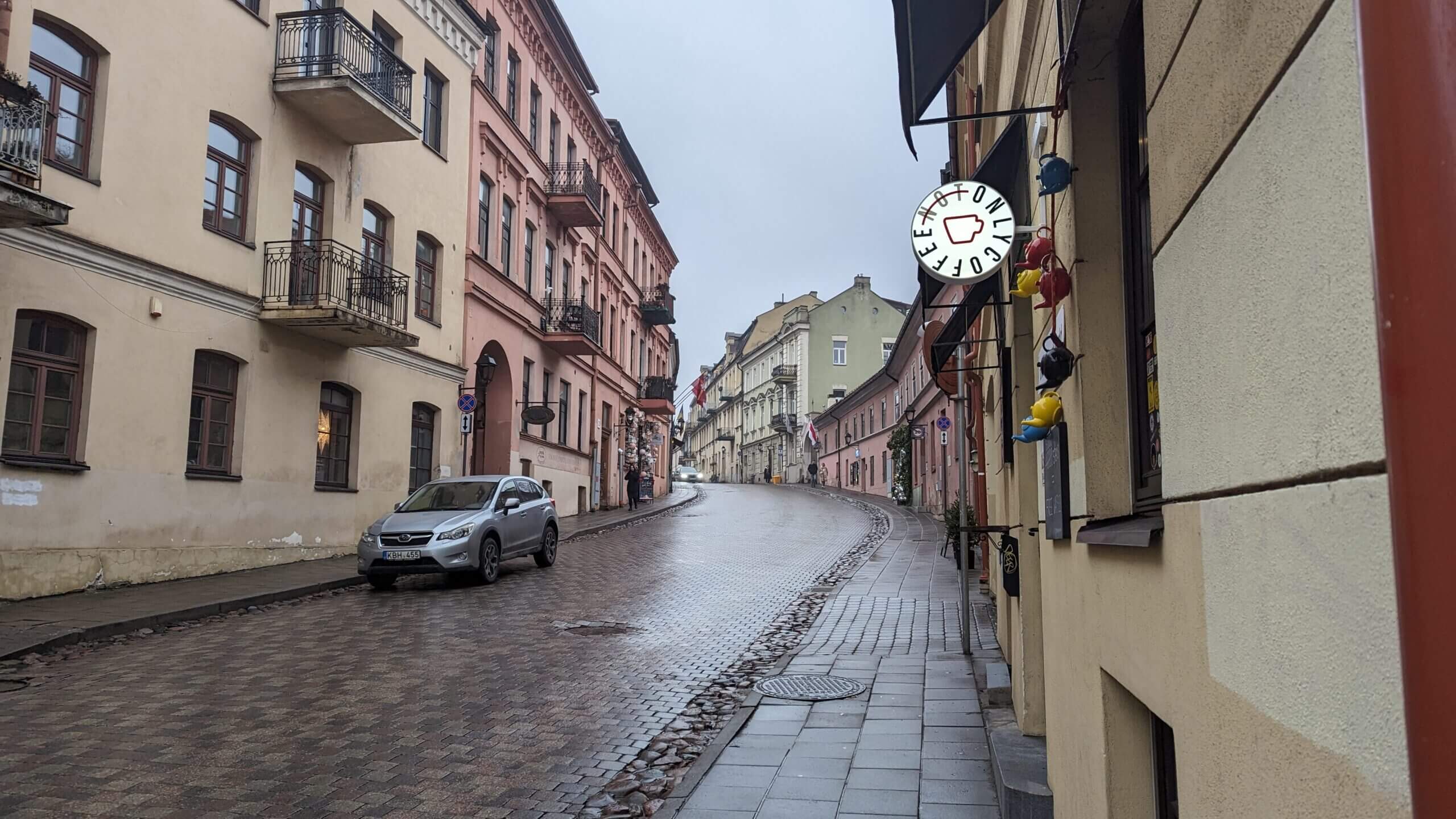
Uzupis – Vilnius, Lithuania
2025 Holidays – Italy
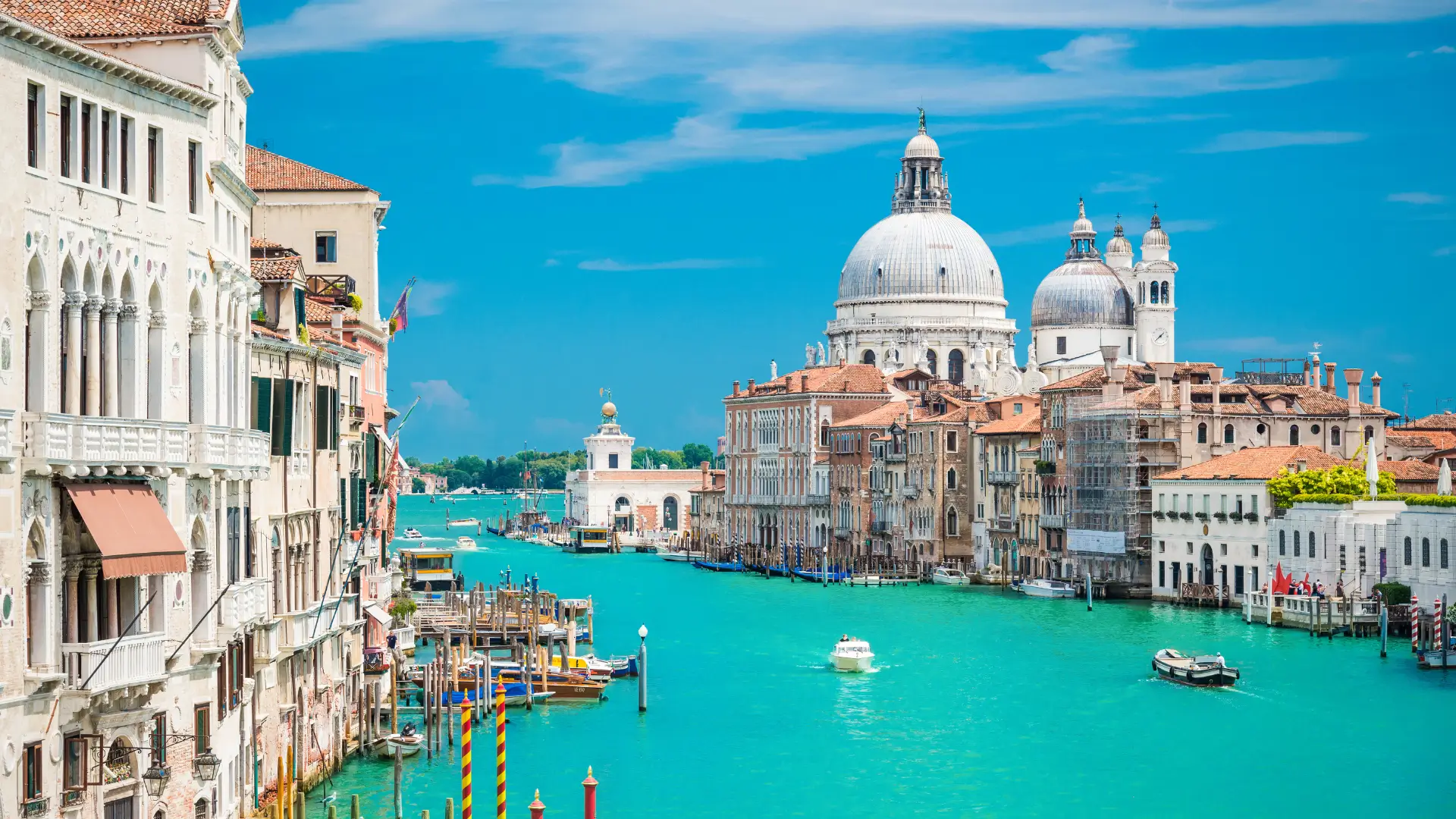
Italy needs no introduction, but I found Lake Como to be a truly unique holiday destination in Europe that feels a world away from the usual tourist hotspots. Tucked up in the northern region of Lombardy, near the border with Switzerland, Lake Como is a deep, glacial lake surrounded by snow-dusted peaks and picturesque towns. I visited in early April, and it was one of the most peaceful trips I’ve ever taken. The views from the water are unlike anywhere else, with colourful villas clinging to steep hillsides, lush gardens, and quaint cobbled streets.
Lake Como isn’t just about glamour and celebrity sightings — although you may spot a few. It’s a region rich in natural beauty, charming villages, and a slower pace of life that encourages you to relax, take your time, and savour every moment. If you’re after a romantic or scenic 2025 getaway that doesn’t feel overly commercial, Lake Como should be at the top of your list.
Why Visit Lake Como?
What struck me most was how different Lake Como felt from other places in Italy I had visited. While the likes of Rome and Venice are undoubtedly beautiful, Lake Como offers a different kind of escape — quiet, scenic, and deeply relaxing. It’s the kind of place where you can spend hours doing very little, and feel absolutely content. I stayed in the town of Varenna, which is smaller and less visited than Como or Bellagio, but possibly more charming. The sunsets there were something else.
What makes Lake Como a standout 2025 holiday destination is how easy it is to combine nature, culture, and a touch of luxury — all in one spot. Whether you’re exploring lakeside villas, taking a boat between villages, or sipping coffee in a tiny piazza, there’s something uniquely soothing about it all.
Things to Know Before You Go
Best Time to Visit: I went in early spring, and it was perfect. Fewer crowds, pleasant weather, and the cherry blossoms made the landscapes feel even more magical. May to early June or September is ideal. July and August are much busier and pricier.
Currency: Italy uses the Euro (€). Card payments are accepted almost everywhere, but it’s always useful to carry small cash, especially for ferry rides and cafes.
Language: Italian is the official language, and while some locals speak English — especially in hotels and tourist spots — a few basic Italian phrases go a long way.
Local Transport: Ferries are the best way to explore towns around the lake. Trains run from Milan to Varenna, Como, and Lecco, and I found them affordable and efficient. Buses also connect many villages, though timings can be infrequent.
Costs: Lake Como is on the pricier side, especially Bellagio and Como town. But staying in smaller places like Varenna, Menaggio, or Lezzeno offers better value. You can easily enjoy the area without spending a fortune — many of the best experiences are free.
2025 Holidays – Things to Do in Lake Como, Italy
Wander Through Varenna
This was the town I stayed in, and I’d choose it again in a heartbeat. With narrow lanes, pastel-coloured buildings, and a peaceful lakeside promenade, it feels untouched by time. The gardens at Villa Monastero are breathtaking — and the views from there are postcard-perfect.
Take a Ferry Across the Lake
One of the best parts of my trip was hopping on a ferry to explore nearby towns. The rides themselves are an experience — calm water, fresh air, and stunning scenery. Bellagio, Menaggio, and Tremezzo are all worth visiting. Ferries are frequent, and day passes are great value.
Visit Villa del Balbianello
Arguably the most iconic villa on Lake Como, and rightly so. You might recognise it from Star Wars or James Bond, but nothing compares to seeing it in person. Surrounded by manicured gardens and perched on a promontory, it’s the kind of place you’ll remember forever.
Enjoy Aperitivo with a View
Every evening, I’d sit by the water with a spritz or glass of local wine and watch the sun dip behind the mountains. Aperitivo hour is sacred in Italy — a moment to slow down, snack on olives or bruschetta, and just take it all in.
Take a Day Trip to Milan
If you’re flying into Milan anyway, it makes sense to spend a day in the city. Only an hour away by train, Milan offers fashion, architecture, and amazing food. I spent half a day exploring the Duomo and Galleria Vittorio Emanuele II before heading to Lake Como.
Stroll the Greenway del Lago di Como
This scenic walking trail links several lakeside villages, offering views of villas, forests, and the lake. I did a section of it between Colonno and Lenno — quiet, well-marked, and absolutely stunning.
How to Get to Lake Como from the UK
Getting to Lake Como is easy. I flew into Milan Malpensa Airport and then took a direct train to Varenna via Milano Centrale. The whole journey took just under 2 hours. You can also fly into Milan Linate or Bergamo, both well-connected to the lake region.
Alternatively, you could drive if you’re planning a broader Italian road trip — but honestly, with trains and ferries running so efficiently, it’s not necessary unless you’re heading deep into the mountains. Book your flights here.
Lake Como was one of the most peaceful and breathtaking places I visited during 2024, and I’d go back without hesitation. It has just the right mix of beauty, tranquillity, and charm that makes it ideal for a unique 2025 holiday in Europe. Whether you’re travelling solo, with a partner, or friends, it’s a destination that lingers with you long after you’ve left.
2025 Holidays – Outro
2025 is the perfect time to explore destinations that offer more than just the usual sights. Whether you’re looking for a rich cultural experience, stunning landscapes, or a chance to connect with locals. These five unique and authentic holiday destinations are waiting to be discovered in Europe and North Africa in 2025. Each one offers a different perspective on what travel can be, and I hope this list has inspired you. Don’t just follow the crowds — create your own unforgettable journey to one of these hidden gems. The world is full of amazing places just waiting for you to explore. So, where will you go in 2025?
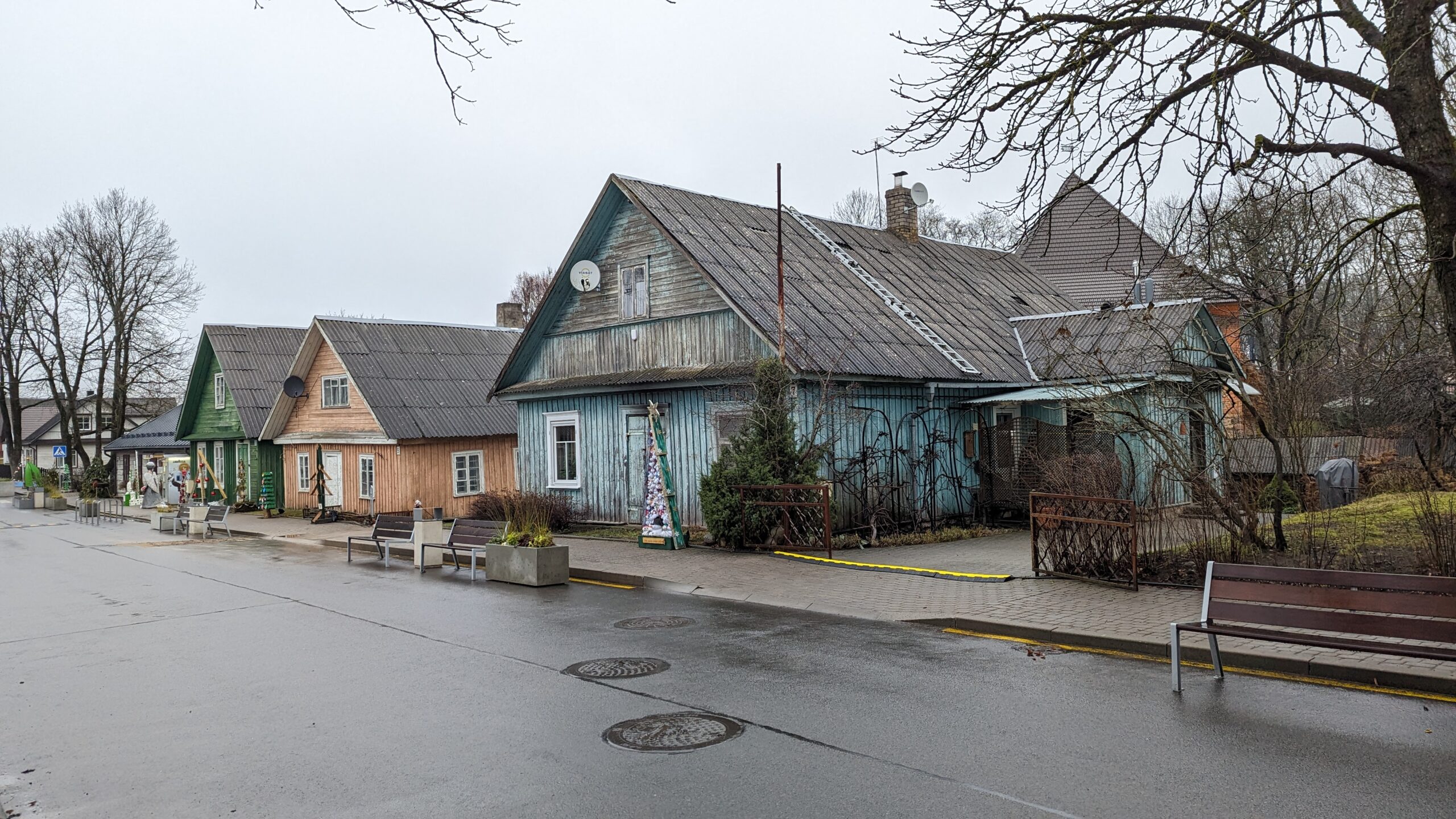
Trakai, Lithuania
2025 Holidays – Lithuania.
Lithuania was a country I hadn’t really thought much about until I decided to explore the Baltic States. Known for its rich history, stunning architecture, and natural beauty, Lithuania quickly became one of my favorite places in Northern Europe. Vilnius, the capital, was a charming and vibrant city, while Kaunas, Lithuania’s second-largest city, offered a blend of tradition and modernity. But Lithuania has much more to offer than just its cities, with peaceful lakes, beautiful forests, and incredible UNESCO sites. Whether you’re into history, nature, or art, Lithuania offers a little bit of everything and is a truly unique holiday destination in Europe.
Why Visit Lithuania?
What I loved most about Lithuania was the feeling of being off the beaten path while still having access to incredible cultural experiences. Compared to other European capitals, Vilnius felt laid-back and relaxed, yet full of life and history. Kaunas had a youthful energy, thanks to its growing arts scene and vibrant street culture. And beyond the cities, Lithuania has beautiful natural landscapes — from the Curonian Spit and its sand dunes to peaceful lakes and thick forests. Lithuania is incredibly affordable compared to other European destinations, making it a great choice for budget-conscious travellers.
Things to Know Before You Go
Best Time to Visit: I visited in December for the Christmas markets so it was bitterly cold, I soon found out why people say ‘it’s baltic’ when it’s cold. If you’re not looking for a winter experience, the best time to visit is between May and September if you want pleasant weather, but spring and autumn are ideal for avoiding crowds.
Currency: Lithuania uses the euro (€). Credit cards are widely accepted in cities, but it’s always good to have some cash on hand for smaller purchases.
Language: The official language is Lithuanian, one of the oldest and most unique languages in Europe. While most people in the cities speak English, especially younger generations, it’s helpful to learn a few basic Lithuanian phrases to connect with locals.
Local Transport: I found public transportation in Vilnius and Kaunas to be very efficient, with buses and trolleybuses easily getting me around. Taxis and ride-sharing apps are also widely available. If you want to explore the countryside, renting a car is a good option.
Costs: Lithuania is one of the more affordable countries in Northern Europe although prices have increased since joining the EU. Accommodation, food, and activities are relatively inexpensive compared to destinations like Scandinavia or Western Europe. A meal in a restaurant will cost you a fraction of what you’d pay in other European capitals.
Old Town Vilnius, Lithuania
2025 Holidays – Things to Do in Lithuania
Vilnius
The Charming Capital Vilnius surprised me with its mixture of old-world charm and modern energy. The Old Town of Vilnius is a UNESCO World Heritage Site, and I spent hours wandering through its narrow streets, past medieval buildings, baroque churches, and cosy cafes. The Vilnius Cathedral and Gediminas Tower are must-visit sites, offering panoramic views of the city. I especially loved the quirky Uzupis district, a self-proclaimed “Republic” with a bohemian vibe, full of art galleries, murals, and cafes.
Things to do in Vilnius
Vilnius Cathedral and Bell Tower: Visit the iconic cathedral and climb the bell tower for a fantastic view of the city.
Gediminas Castle and Tower: Climb to the top for views over the old town and the Neris River.
Uzupis: Explore this artsy district with its own constitution and quirky atmosphere.
The Museum of Occupations and Freedom Fights: A deeply moving museum in a former KGB building that tells Lithuania’s history under Soviet occupation.
Trakai Day Trip: A Fairytale Castle Just a short distance from Vilnius is Trakai, a picturesque town known for its stunning medieval castle. The Trakai Castle, set on an island in the middle of Lake Galvė, looks like something straight out of a fairytale. I took a boat tour around the lake for the best views of the castle and the surrounding landscape. The town of Trakai itself is also charming, with cobblestone streets and a rich history, particularly tied to the Grand Duchy of Lithuania.
Discover other things to do in Vilnius and day trips from Vilnius.
Kaunas
After Vilnius, I headed to Kaunas, Lithuania’s second-largest city. Kaunas has a young, lively vibe, thanks to its growing arts and cultural scene. One of my favourite spots was Laisvės Alėja (Liberty Avenue), a long pedestrian street lined with cafes, restaurants, and shops. The Old Town is full of historic buildings, including the Kaunas Castle, which dates back to the 14th century. The city is also home to the impressive Maironis Lithuanian Literature Museum and the Devil’s Museum, an offbeat museum dedicated to sculptures and depictions of devils from around the world.
Things to do in Kaunas
Kaunas Castle: Explore this medieval castle and its surroundings.
Laisvės Alėja: A vibrant, tree-lined street perfect for strolling and people-watching.
The Ninth Fort: A sobering historical site that tells the story of Lithuania’s struggle during World War II and Soviet occupation.
Zoological Garden: A lovely zoo located in a forest area just outside the city.
Explore other things to do in Kaunas and day trips from Kaunas.
Other things to do in Lithuania.
How to Get to Lithuania from the UK
Getting to Lithuania from the UK is straightforward and affordable. I flew directly from London to Vilnius, with budget airlines like Wizz Air and Ryanair offering direct flights that take around 2.5 to 3 hours. Both Vilnius and Kaunas have international airports, and flights to both cities are available from various UK airports, including London, Manchester, and Birmingham. If you’re flying into one city and plan to explore the other, it’s easy to travel by train or bus, which are both efficient and affordable. Book your flights here.
Lithuania truly surprised me with its charm and beauty. The country’s mix of history, culture, and natural landscapes makes it an ideal destination for anyone seeking an off-the-beaten-path European experience. Whether you’re wandering through the Old Town of Vilnius, soaking up the energy in Kaunas, or exploring the serene landscapes of the Curonian Spit, Lithuania offers a little something for every type of traveler. It’s a destination that’s rich in experiences but not yet overwhelmed by crowds, making it a perfect unique holiday destination in Europe. You can see how I spent four days in Lithuania for less than £250 here.
Uzupis – Vilnius, Lithuania
2025 Holidays – Italy
Italy needs no introduction, but I found Lake Como to be a truly unique holiday destination in Europe that feels a world away from the usual tourist hotspots. Tucked up in the northern region of Lombardy, near the border with Switzerland, Lake Como is a deep, glacial lake surrounded by snow-dusted peaks and picturesque towns. I visited in early April, and it was one of the most peaceful trips I’ve ever taken. The views from the water are unlike anywhere else, with colourful villas clinging to steep hillsides, lush gardens, and quaint cobbled streets.
Lake Como isn’t just about glamour and celebrity sightings — although you may spot a few. It’s a region rich in natural beauty, charming villages, and a slower pace of life that encourages you to relax, take your time, and savour every moment. If you’re after a romantic or scenic 2025 getaway that doesn’t feel overly commercial, Lake Como should be at the top of your list.
Why Visit Lake Como?
What struck me most was how different Lake Como felt from other places in Italy I had visited. While the likes of Rome and Venice are undoubtedly beautiful, Lake Como offers a different kind of escape — quiet, scenic, and deeply relaxing. It’s the kind of place where you can spend hours doing very little, and feel absolutely content. I stayed in the town of Varenna, which is smaller and less visited than Como or Bellagio, but possibly more charming. The sunsets there were something else.
What makes Lake Como a standout 2025 holiday destination is how easy it is to combine nature, culture, and a touch of luxury — all in one spot. Whether you’re exploring lakeside villas, taking a boat between villages, or sipping coffee in a tiny piazza, there’s something uniquely soothing about it all.
Things to Know Before You Go
Best Time to Visit: I went in early spring, and it was perfect. Fewer crowds, pleasant weather, and the cherry blossoms made the landscapes feel even more magical. May to early June or September is ideal. July and August are much busier and pricier.
Currency: Italy uses the Euro (€). Card payments are accepted almost everywhere, but it’s always useful to carry small cash, especially for ferry rides and cafes.
Language: Italian is the official language, and while some locals speak English — especially in hotels and tourist spots — a few basic Italian phrases go a long way.
Local Transport: Ferries are the best way to explore towns around the lake. Trains run from Milan to Varenna, Como, and Lecco, and I found them affordable and efficient. Buses also connect many villages, though timings can be infrequent.
Costs: Lake Como is on the pricier side, especially Bellagio and Como town. But staying in smaller places like Varenna, Menaggio, or Lezzeno offers better value. You can easily enjoy the area without spending a fortune — many of the best experiences are free.
2025 Holidays – Things to Do in Lake Como, Italy
Wander Through Varenna
This was the town I stayed in, and I’d choose it again in a heartbeat. With narrow lanes, pastel-coloured buildings, and a peaceful lakeside promenade, it feels untouched by time. The gardens at Villa Monastero are breathtaking — and the views from there are postcard-perfect.
Take a Ferry Across the Lake
One of the best parts of my trip was hopping on a ferry to explore nearby towns. The rides themselves are an experience — calm water, fresh air, and stunning scenery. Bellagio, Menaggio, and Tremezzo are all worth visiting. Ferries are frequent, and day passes are great value.
Visit Villa del Balbianello
Arguably the most iconic villa on Lake Como, and rightly so. You might recognise it from Star Wars or James Bond, but nothing compares to seeing it in person. Surrounded by manicured gardens and perched on a promontory, it’s the kind of place you’ll remember forever.
Enjoy Aperitivo with a View
Every evening, I’d sit by the water with a spritz or glass of local wine and watch the sun dip behind the mountains. Aperitivo hour is sacred in Italy — a moment to slow down, snack on olives or bruschetta, and just take it all in.
Take a Day Trip to Milan
If you’re flying into Milan anyway, it makes sense to spend a day in the city. Only an hour away by train, Milan offers fashion, architecture, and amazing food. I spent half a day exploring the Duomo and Galleria Vittorio Emanuele II before heading to Lake Como.
Stroll the Greenway del Lago di Como
This scenic walking trail links several lakeside villages, offering views of villas, forests, and the lake. I did a section of it between Colonno and Lenno — quiet, well-marked, and absolutely stunning.
How to Get to Lake Como from the UK
Getting to Lake Como is easy. I flew into Milan Malpensa Airport and then took a direct train to Varenna via Milano Centrale. The whole journey took just under 2 hours. You can also fly into Milan Linate or Bergamo, both well-connected to the lake region.
Alternatively, you could drive if you’re planning a broader Italian road trip — but honestly, with trains and ferries running so efficiently, it’s not necessary unless you’re heading deep into the mountains. Book your flights here.
Lake Como was one of the most peaceful and breathtaking places I visited during 2024, and I’d go back without hesitation. It has just the right mix of beauty, tranquillity, and charm that makes it ideal for a unique 2025 holiday in Europe. Whether you’re travelling solo, with a partner, or friends, it’s a destination that lingers with you long after you’ve left.
2025 Holidays – Outro
2025 is the perfect time to explore destinations that offer more than just the usual sights. Whether you’re looking for a rich cultural experience, stunning landscapes, or a chance to connect with locals. These five unique and authentic holiday destinations are waiting to be discovered in Europe and North Africa in 2025. Each one offers a different perspective on what travel can be, and I hope this list has inspired you. Don’t just follow the crowds — create your own unforgettable journey to one of these hidden gems. The world is full of amazing places just waiting for you to explore. So, where will you go in 2025?
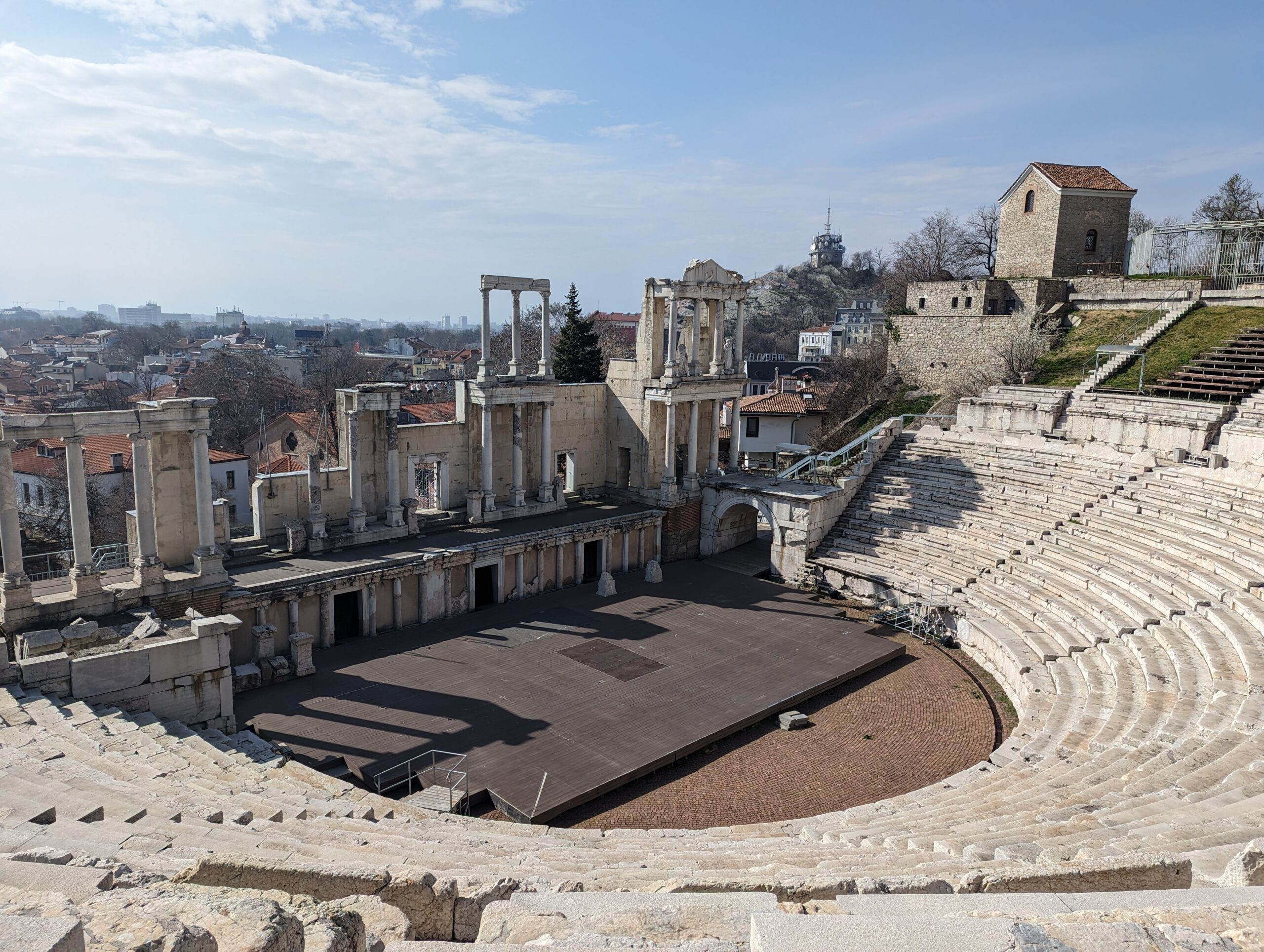
Roman Theatre – Plovdiv, Bulgaria
2025 Holidays – Bulgaria.
Bulgaria was a destination I hadn’t initially considered for a trip, but when I decided to explore it, I quickly realised just how much the country had to offer. Located in the heart of the Balkans, Bulgaria is rich in history, culture, and stunning landscapes. Yet, it remains underrated and so, one of the most unique holiday destinations in Europe for 2025. I spent time in both Sofia, the country’s vibrant capital, and Plovdiv, one of the oldest cities in Europe, and discovered that Bulgaria is a perfect blend of ancient history, fascinating architecture, and natural beauty. It’s a country that offers something for everyone, whether you’re into history, nature, or just want to experience something new and off the beaten path.
Why Visit Bulgaria?
Bulgaria is often overlooked, but that’s part of its charm. The country offers great value for money, making it an affordable European destination. What I loved about Bulgaria was the mix of ancient ruins, lively cities, and the natural beauty that surrounds it. From the cobblestone streets and centuries-old churches of Plovdiv to the modern vibe and museums in Sofia, there’s a perfect balance of old and new to explore. The country is also home to stunning mountains, peaceful villages, and beautiful Black Sea coastline.
The friendliness of the locals and the mix of influences from the East and West added to the country’s charm, and it quickly became one of my favourite places in Europe.
Things to Know Before You Go
Best Time to Visit: I visited in February, so it was quite cold but with fewer crowds than during the summer. Spring and early autumn are the best times to visit, as the weather is great for exploring, but it’s not too hot or crowded.
Currency: The official currency is the Bulgarian lev (BGN). ATMs are widely available, and credit cards are accepted in most places, though it’s always a good idea to carry some cash for smaller businesses.
Language: The official language is Bulgarian. A lot of younger people speak English but many older people do not. The language is very difficult to learn as they use a different alphabet.
Local Transport: Bulgaria has an excellent bus and train system, which makes it easy to get from city to city. I traveled by train from Sofia to Plovdiv, which was comfortable and affordable. Taxis and public transportation are available in both cities, and renting a car is a great option if you want to explore more remote areas.
Costs: Bulgaria is very affordable, particularly when compared to Western European destinations. Accommodation, meals, and activities are all budget-friendly, which makes it an excellent destination for travellers looking to explore without breaking the bank.
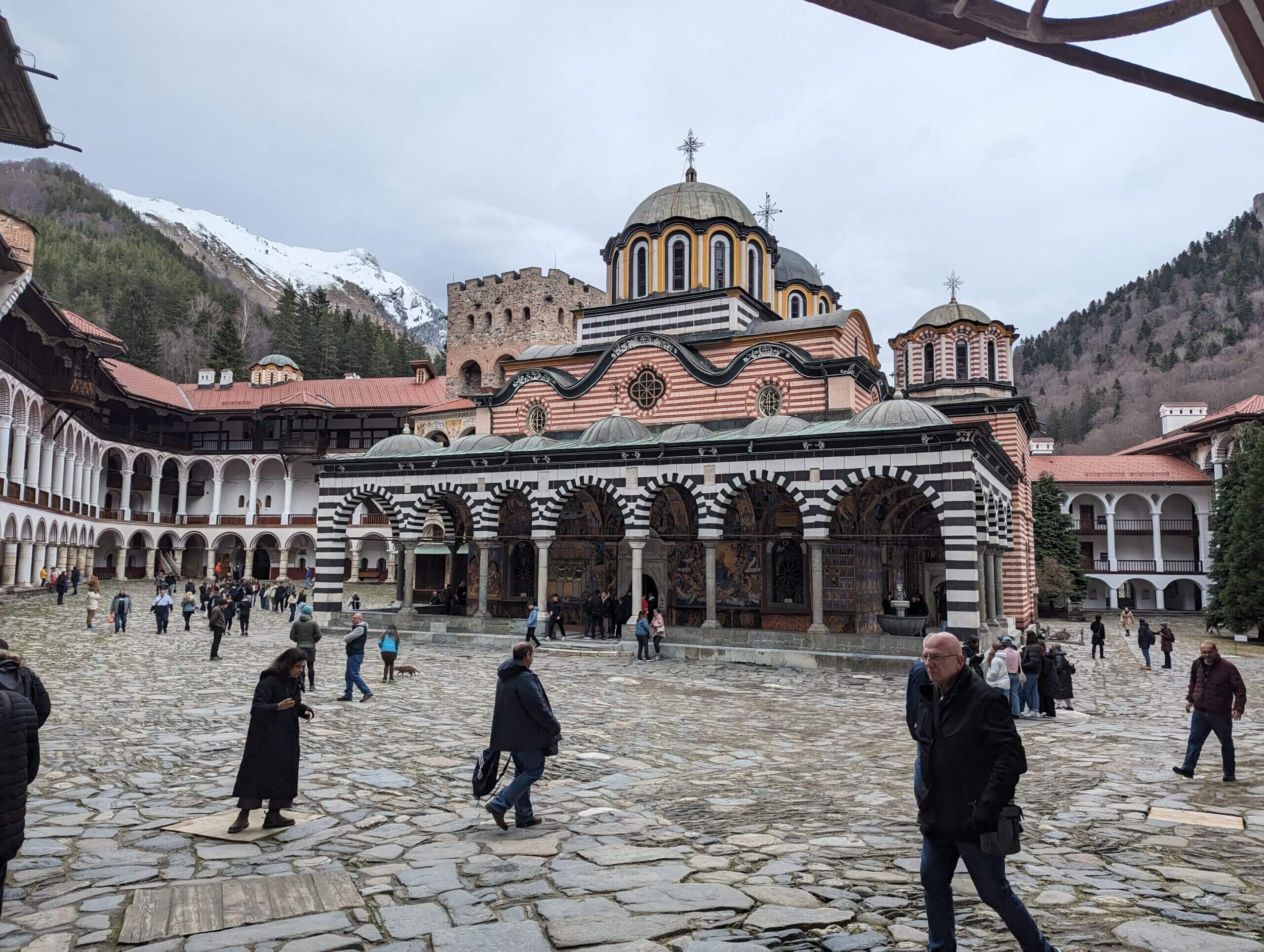
2025 Holidays – Things to Do in Sofia, Bulgaria
Sofia
Sofia is a city that perfectly blends ancient and modern influences. One of the first places I visited was Alexander Nevsky Cathedral, an iconic structure with stunning golden domes and intricate mosaics. You can also explore the Boyana Church, a UNESCO World Heritage Site famous for its medieval frescoes, and the National History Museum, which showcases Bulgaria’s fascinating history. Sofia also has a bustling nightlife, so after a day of sightseeing, you can enjkoy dining at some fantastic local restaurants and bars, many of which serve Bulgarian wines and traditional dishes like banitsa (a pastry filled with cheese) and sarmi (stuffed cabbage leaves).
- Vitosha Boulevard: The main shopping street, full of cafes, restaurants, and boutiques, is perfect for a leisurely stroll.
- Vitosha Mountain: If you enjoy hiking or skiing, the mountain right on Sofia’s doorstep offers great opportunities for outdoor activities.
- The Roman Baths: Located in the city center, these Roman ruins are an excellent glimpse into Sofia’s past.
Explore other things to do in Sofia and day trips from Sofia.
Things to Do in Plovdiv, Bulgaria
Plovdiv
Known as one of the oldest cities in Europe, Plovdiv is a unique holiday destination in Europe. It offers a fascinating combination of Roman ruins, Ottoman-era architecture, and modern art. I loved walking through the Old Town, where I discovered cobblestone streets, colourful houses, and historic Roman theatres. One of my favourite spots in Plovdiv was the Roman Theatre of Plovdiv, an ancient amphitheater that is still used for performances today. The views of the city from the theatre are incredible, and it’s easy to imagine the ancient crowds who once gathered here. Plovdiv also has a thriving art scene.
- Old Town: Spend time exploring the cobblestone streets, colourful houses, and ethnographic museums.
- Plovdiv Roman Stadium: A fascinating ruin where you can see the remnants of an ancient stadium right in the middle of the city.
- Kapana District: This artsy area is home to a variety of galleries, cafes, and street art, perfect for wandering and relaxing.
- Plovdiv Ethnographic Museum: Located in a beautifully preserved house, it showcases the traditional Bulgarian way of life.
Explore the Rila Monastery
The Rila Monastery, a UNESCO World Heritage Site, is one of Bulgaria’s most famous landmarks. Located in the Rila Mountains, this 10th-century monastery is stunning and offers insight into Bulgaria’s Orthodox Christian heritage. It’s a perfect day trip from Sofia. I took a day trip here from Sofia and I would highly recommend it if you enjoy history, architecture, and nature.
Explore other things to do in Plovdiv and Bulgaria.
How to Get to Bulgaria from the UK
Getting to Bulgaria is simple and affordable. I flew directly into Sofia Airport from Bristol, which took about 3 hours. EasyJet, Wizz Air, and British Airways offer direct flights from several UK cities, including London, Manchester, and Birmingham. If you’re flying into Plovdiv, flights are available with connecting routes through Sofia. Bulgaria’s excellent bus and train systems make it easy to travel between cities, so once you’re there, getting around is a breeze. Book your flights here.
Bulgaria turned out to be one of the most rewarding travel destinations I’ve experienced. The country is filled with history, beauty, and friendly people, and it offers incredible value for money. Whether you’re exploring ancient ruins, hiking through mountains, or soaking up the atmosphere of vibrant cities like Sofia and Plovdiv, Bulgaria has so much to offer. It’s ideal for travellers looking for a unique 2025 holiday destination in Europe. You can see how I spent four days in Bulgaria for under £250 here.
Trakai, Lithuania
2025 Holidays – Lithuania.
Lithuania was a country I hadn’t really thought much about until I decided to explore the Baltic States. Known for its rich history, stunning architecture, and natural beauty, Lithuania quickly became one of my favorite places in Northern Europe. Vilnius, the capital, was a charming and vibrant city, while Kaunas, Lithuania’s second-largest city, offered a blend of tradition and modernity. But Lithuania has much more to offer than just its cities, with peaceful lakes, beautiful forests, and incredible UNESCO sites. Whether you’re into history, nature, or art, Lithuania offers a little bit of everything and is a truly unique holiday destination in Europe.
Why Visit Lithuania?
What I loved most about Lithuania was the feeling of being off the beaten path while still having access to incredible cultural experiences. Compared to other European capitals, Vilnius felt laid-back and relaxed, yet full of life and history. Kaunas had a youthful energy, thanks to its growing arts scene and vibrant street culture. And beyond the cities, Lithuania has beautiful natural landscapes — from the Curonian Spit and its sand dunes to peaceful lakes and thick forests. Lithuania is incredibly affordable compared to other European destinations, making it a great choice for budget-conscious travellers.
Things to Know Before You Go
Best Time to Visit: I visited in December for the Christmas markets so it was bitterly cold, I soon found out why people say ‘it’s baltic’ when it’s cold. If you’re not looking for a winter experience, the best time to visit is between May and September if you want pleasant weather, but spring and autumn are ideal for avoiding crowds.
Currency: Lithuania uses the euro (€). Credit cards are widely accepted in cities, but it’s always good to have some cash on hand for smaller purchases.
Language: The official language is Lithuanian, one of the oldest and most unique languages in Europe. While most people in the cities speak English, especially younger generations, it’s helpful to learn a few basic Lithuanian phrases to connect with locals.
Local Transport: I found public transportation in Vilnius and Kaunas to be very efficient, with buses and trolleybuses easily getting me around. Taxis and ride-sharing apps are also widely available. If you want to explore the countryside, renting a car is a good option.
Costs: Lithuania is one of the more affordable countries in Northern Europe although prices have increased since joining the EU. Accommodation, food, and activities are relatively inexpensive compared to destinations like Scandinavia or Western Europe. A meal in a restaurant will cost you a fraction of what you’d pay in other European capitals.
Old Town Vilnius, Lithuania
2025 Holidays – Things to Do in Lithuania
Vilnius
The Charming Capital Vilnius surprised me with its mixture of old-world charm and modern energy. The Old Town of Vilnius is a UNESCO World Heritage Site, and I spent hours wandering through its narrow streets, past medieval buildings, baroque churches, and cosy cafes. The Vilnius Cathedral and Gediminas Tower are must-visit sites, offering panoramic views of the city. I especially loved the quirky Uzupis district, a self-proclaimed “Republic” with a bohemian vibe, full of art galleries, murals, and cafes.
Things to do in Vilnius
Vilnius Cathedral and Bell Tower: Visit the iconic cathedral and climb the bell tower for a fantastic view of the city.
Gediminas Castle and Tower: Climb to the top for views over the old town and the Neris River.
Uzupis: Explore this artsy district with its own constitution and quirky atmosphere.
The Museum of Occupations and Freedom Fights: A deeply moving museum in a former KGB building that tells Lithuania’s history under Soviet occupation.
Trakai Day Trip: A Fairytale Castle Just a short distance from Vilnius is Trakai, a picturesque town known for its stunning medieval castle. The Trakai Castle, set on an island in the middle of Lake Galvė, looks like something straight out of a fairytale. I took a boat tour around the lake for the best views of the castle and the surrounding landscape. The town of Trakai itself is also charming, with cobblestone streets and a rich history, particularly tied to the Grand Duchy of Lithuania.
Discover other things to do in Vilnius and day trips from Vilnius.
Kaunas
After Vilnius, I headed to Kaunas, Lithuania’s second-largest city. Kaunas has a young, lively vibe, thanks to its growing arts and cultural scene. One of my favourite spots was Laisvės Alėja (Liberty Avenue), a long pedestrian street lined with cafes, restaurants, and shops. The Old Town is full of historic buildings, including the Kaunas Castle, which dates back to the 14th century. The city is also home to the impressive Maironis Lithuanian Literature Museum and the Devil’s Museum, an offbeat museum dedicated to sculptures and depictions of devils from around the world.
Things to do in Kaunas
Kaunas Castle: Explore this medieval castle and its surroundings.
Laisvės Alėja: A vibrant, tree-lined street perfect for strolling and people-watching.
The Ninth Fort: A sobering historical site that tells the story of Lithuania’s struggle during World War II and Soviet occupation.
Zoological Garden: A lovely zoo located in a forest area just outside the city.
Explore other things to do in Kaunas and day trips from Kaunas.
Other things to do in Lithuania.
How to Get to Lithuania from the UK
Getting to Lithuania from the UK is straightforward and affordable. I flew directly from London to Vilnius, with budget airlines like Wizz Air and Ryanair offering direct flights that take around 2.5 to 3 hours. Both Vilnius and Kaunas have international airports, and flights to both cities are available from various UK airports, including London, Manchester, and Birmingham. If you’re flying into one city and plan to explore the other, it’s easy to travel by train or bus, which are both efficient and affordable. Book your flights here.
Lithuania truly surprised me with its charm and beauty. The country’s mix of history, culture, and natural landscapes makes it an ideal destination for anyone seeking an off-the-beaten-path European experience. Whether you’re wandering through the Old Town of Vilnius, soaking up the energy in Kaunas, or exploring the serene landscapes of the Curonian Spit, Lithuania offers a little something for every type of traveler. It’s a destination that’s rich in experiences but not yet overwhelmed by crowds, making it a perfect unique holiday destination in Europe. You can see how I spent four days in Lithuania for less than £250 here.
Uzupis – Vilnius, Lithuania
2025 Holidays – Italy
Italy needs no introduction, but I found Lake Como to be a truly unique holiday destination in Europe that feels a world away from the usual tourist hotspots. Tucked up in the northern region of Lombardy, near the border with Switzerland, Lake Como is a deep, glacial lake surrounded by snow-dusted peaks and picturesque towns. I visited in early April, and it was one of the most peaceful trips I’ve ever taken. The views from the water are unlike anywhere else, with colourful villas clinging to steep hillsides, lush gardens, and quaint cobbled streets.
Lake Como isn’t just about glamour and celebrity sightings — although you may spot a few. It’s a region rich in natural beauty, charming villages, and a slower pace of life that encourages you to relax, take your time, and savour every moment. If you’re after a romantic or scenic 2025 getaway that doesn’t feel overly commercial, Lake Como should be at the top of your list.
Why Visit Lake Como?
What struck me most was how different Lake Como felt from other places in Italy I had visited. While the likes of Rome and Venice are undoubtedly beautiful, Lake Como offers a different kind of escape — quiet, scenic, and deeply relaxing. It’s the kind of place where you can spend hours doing very little, and feel absolutely content. I stayed in the town of Varenna, which is smaller and less visited than Como or Bellagio, but possibly more charming. The sunsets there were something else.
What makes Lake Como a standout 2025 holiday destination is how easy it is to combine nature, culture, and a touch of luxury — all in one spot. Whether you’re exploring lakeside villas, taking a boat between villages, or sipping coffee in a tiny piazza, there’s something uniquely soothing about it all.
Things to Know Before You Go
Best Time to Visit: I went in early spring, and it was perfect. Fewer crowds, pleasant weather, and the cherry blossoms made the landscapes feel even more magical. May to early June or September is ideal. July and August are much busier and pricier.
Currency: Italy uses the Euro (€). Card payments are accepted almost everywhere, but it’s always useful to carry small cash, especially for ferry rides and cafes.
Language: Italian is the official language, and while some locals speak English — especially in hotels and tourist spots — a few basic Italian phrases go a long way.
Local Transport: Ferries are the best way to explore towns around the lake. Trains run from Milan to Varenna, Como, and Lecco, and I found them affordable and efficient. Buses also connect many villages, though timings can be infrequent.
Costs: Lake Como is on the pricier side, especially Bellagio and Como town. But staying in smaller places like Varenna, Menaggio, or Lezzeno offers better value. You can easily enjoy the area without spending a fortune — many of the best experiences are free.
2025 Holidays – Things to Do in Lake Como, Italy
Wander Through Varenna
This was the town I stayed in, and I’d choose it again in a heartbeat. With narrow lanes, pastel-coloured buildings, and a peaceful lakeside promenade, it feels untouched by time. The gardens at Villa Monastero are breathtaking — and the views from there are postcard-perfect.
Take a Ferry Across the Lake
One of the best parts of my trip was hopping on a ferry to explore nearby towns. The rides themselves are an experience — calm water, fresh air, and stunning scenery. Bellagio, Menaggio, and Tremezzo are all worth visiting. Ferries are frequent, and day passes are great value.
Visit Villa del Balbianello
Arguably the most iconic villa on Lake Como, and rightly so. You might recognise it from Star Wars or James Bond, but nothing compares to seeing it in person. Surrounded by manicured gardens and perched on a promontory, it’s the kind of place you’ll remember forever.
Enjoy Aperitivo with a View
Every evening, I’d sit by the water with a spritz or glass of local wine and watch the sun dip behind the mountains. Aperitivo hour is sacred in Italy — a moment to slow down, snack on olives or bruschetta, and just take it all in.
Take a Day Trip to Milan
If you’re flying into Milan anyway, it makes sense to spend a day in the city. Only an hour away by train, Milan offers fashion, architecture, and amazing food. I spent half a day exploring the Duomo and Galleria Vittorio Emanuele II before heading to Lake Como.
Stroll the Greenway del Lago di Como
This scenic walking trail links several lakeside villages, offering views of villas, forests, and the lake. I did a section of it between Colonno and Lenno — quiet, well-marked, and absolutely stunning.
How to Get to Lake Como from the UK
Getting to Lake Como is easy. I flew into Milan Malpensa Airport and then took a direct train to Varenna via Milano Centrale. The whole journey took just under 2 hours. You can also fly into Milan Linate or Bergamo, both well-connected to the lake region.
Alternatively, you could drive if you’re planning a broader Italian road trip — but honestly, with trains and ferries running so efficiently, it’s not necessary unless you’re heading deep into the mountains. Book your flights here.
Lake Como was one of the most peaceful and breathtaking places I visited during 2024, and I’d go back without hesitation. It has just the right mix of beauty, tranquillity, and charm that makes it ideal for a unique 2025 holiday in Europe. Whether you’re travelling solo, with a partner, or friends, it’s a destination that lingers with you long after you’ve left.
2025 Holidays – Outro
2025 is the perfect time to explore destinations that offer more than just the usual sights. Whether you’re looking for a rich cultural experience, stunning landscapes, or a chance to connect with locals. These five unique and authentic holiday destinations are waiting to be discovered in Europe and North Africa in 2025. Each one offers a different perspective on what travel can be, and I hope this list has inspired you. Don’t just follow the crowds — create your own unforgettable journey to one of these hidden gems. The world is full of amazing places just waiting for you to explore. So, where will you go in 2025?
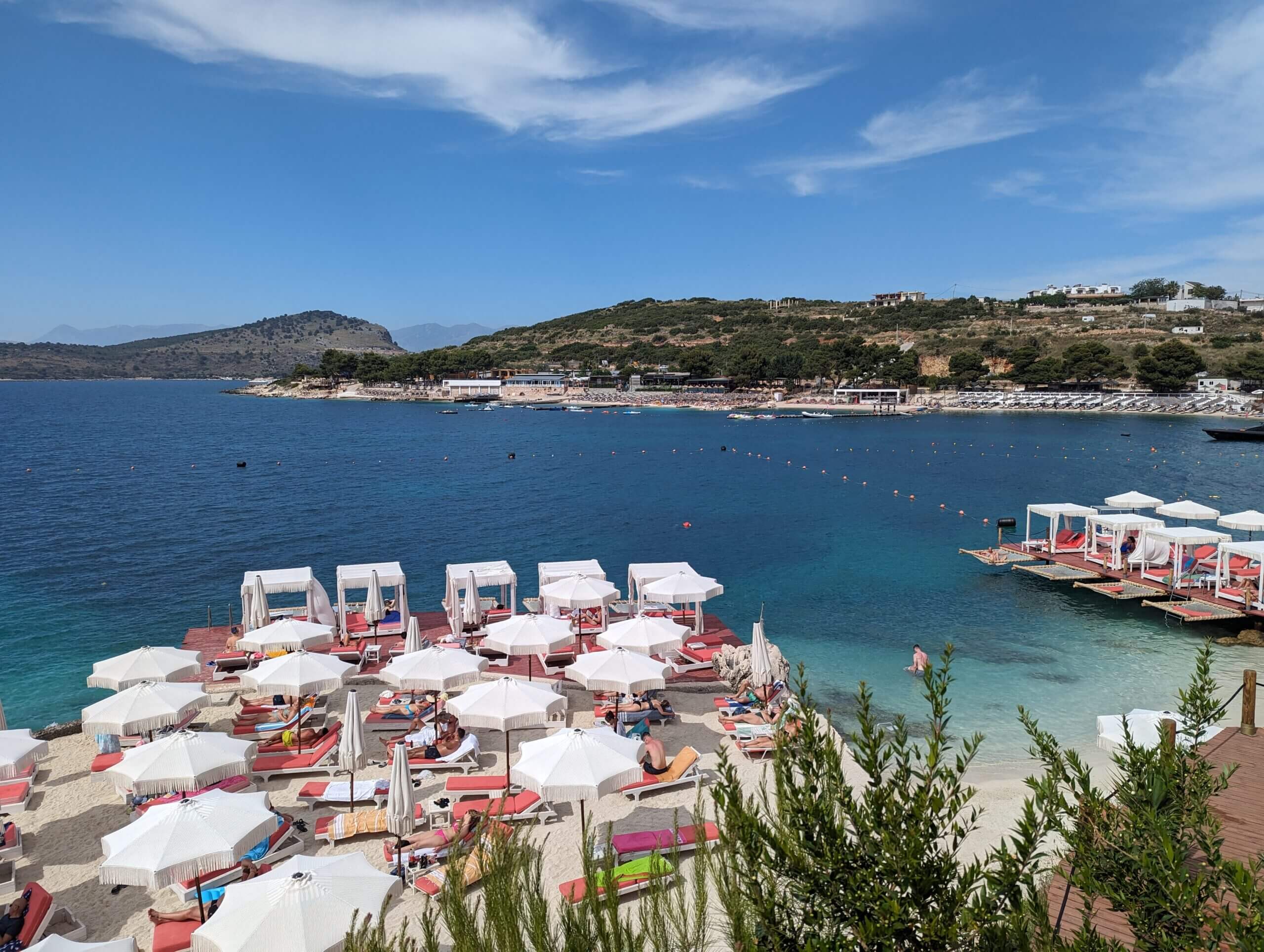
Beach Paradise Ksamil was one of the highlights of my trip. Located just south of Saranda, this tiny coastal village boasts some of the best beaches I’ve seen in Europe. The water is crystal clear and perfect for swimming, and the nearby islands are ideal for a peaceful boat ride. I spent an entire afternoon lounging on the beach, enjoying the sun, and swimming in the beautiful blue waters. The area is also home to some excellent seafood restaurants.
Explore things to do in Ksamil.
Butrint: Ancient Ruins
The Butrint Archaeological Park is one of Albania’s UNESCO World Heritage Sites, and visiting it was like stepping back in time. The ruins, which date back to the Greek and Roman periods, are incredibly well-preserved. I walked through ancient temples, theaters, and baths while taking in the surrounding landscapes of lush greenery and the nearby lake. The site is both peaceful and fascinating, and I highly recommend hiring a guide to learn more about its rich history.
Gjirokastër: A UNESCO City of Stone
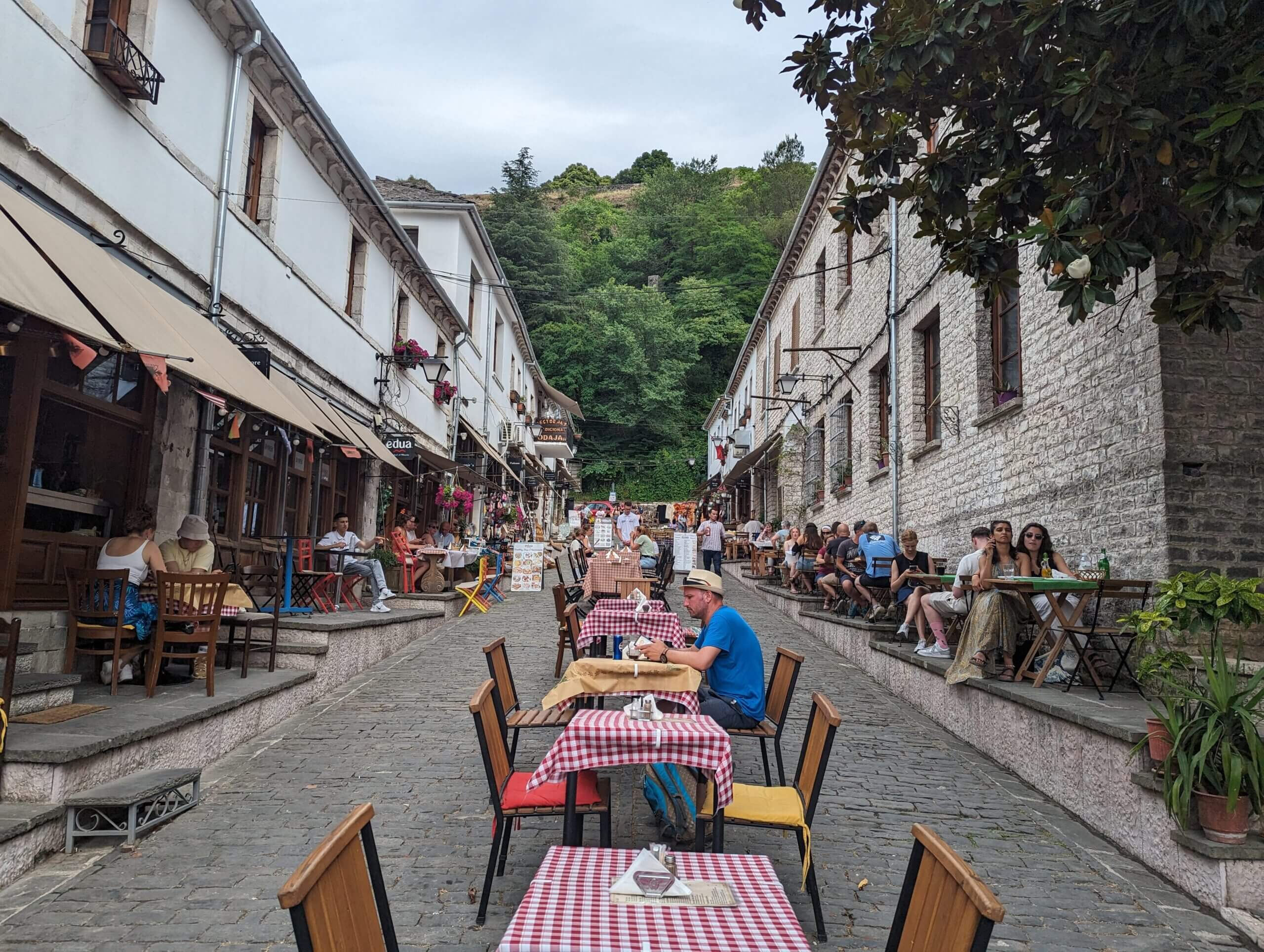
Gjirokastër was one of the most charming and unique holiday destinations I visited in Europe. Known for its Ottoman-era architecture, the city is perched on a hill and offers stunning views of the surrounding valley. I spent hours wandering through the cobblestone streets, exploring the Gjirokastër Castle with its impressive displays of military history. The castle also houses a weapons museum, which I found fascinating. One of the best parts of the city is simply enjoying its old-world charm, with traditional stone houses and quaint cafes. The old town in Gjirokastër felt like something out of a fairy-tale.
Explore things to do in Gjirokaster.
Saranda: Coastal Charm
I ended up spending a couple of days in Saranda, a bustling coastal city located right on the Ionian Sea. While Ksamil was more tranquil, Saranda offered a more vibrant atmosphere with its lively seafront promenade. I enjoyed taking a stroll along the beach, sipping coffee in one of the seaside cafes, and exploring the local markets. Saranda is also a great base for day trips to Blue Eye, a natural spring with striking turquoise waters, and the nearby Llogara Pass, where you can get panoramic views of the coastline.
Explore things to do in Saranda.
Tirana: The Capital City
Tirana was a bit of a contrast to the serene coastal towns. The city is filled with colourful buildings, lively squares, and a bustling energy. I visited Skanderbeg Square, the heart of the city, where you can find the National History Museum and the iconic Et’hem Bey Mosque. The city’s Bunk’Art museums, located in Cold War-era bunkers, are also a fascinating stop to learn more about Albania’s recent history. Tirana is a city in transition, with a vibrant arts scene and plenty of modern cafes and restaurants to enjoy.
Explore things to do in Tirana.
Explore other things to do in Albania.
How to Get to Albania from the UK
Getting to Albania is easy and affordable. I flew directly to Tirana International Airport from Birmingham, which took about 3 hours. Airlines like Ryanair, EasyJet, and Wizz Air offer direct flights from various UK cities. If you’re travelling from other parts of the UK, connecting flights through major European hubs like Rome or Athens are also available.
If you want to skip Tirana, I would advise flying to Corfu and getting the ferry to Saranda. Book your flights here.
If you’re coming from neighboring countries, you can easily reach Albania by bus or car. From Corfu (Greece), it’s a short ferry ride to Igoumenitsa, followed by a drive to Saranda or Tirana.
Albania is a destination that is still under the radar for many travellers, making it a unique holiday destination in Europe. Equally, it’s one of the most rewarding places I’ve visited. Whether you’re exploring ancient ruins, relaxing on beautiful beaches, or getting lost in charming old towns, Albania offers something for everyone. Its affordability, natural beauty, and welcoming people make it an ideal spot for your next adventure. You can see how I spent 4 days in Albania for £260 here.
Roman Theatre – Plovdiv, Bulgaria
2025 Holidays – Bulgaria.
Bulgaria was a destination I hadn’t initially considered for a trip, but when I decided to explore it, I quickly realised just how much the country had to offer. Located in the heart of the Balkans, Bulgaria is rich in history, culture, and stunning landscapes. Yet, it remains underrated and so, one of the most unique holiday destinations in Europe for 2025. I spent time in both Sofia, the country’s vibrant capital, and Plovdiv, one of the oldest cities in Europe, and discovered that Bulgaria is a perfect blend of ancient history, fascinating architecture, and natural beauty. It’s a country that offers something for everyone, whether you’re into history, nature, or just want to experience something new and off the beaten path.
Why Visit Bulgaria?
Bulgaria is often overlooked, but that’s part of its charm. The country offers great value for money, making it an affordable European destination. What I loved about Bulgaria was the mix of ancient ruins, lively cities, and the natural beauty that surrounds it. From the cobblestone streets and centuries-old churches of Plovdiv to the modern vibe and museums in Sofia, there’s a perfect balance of old and new to explore. The country is also home to stunning mountains, peaceful villages, and beautiful Black Sea coastline.
The friendliness of the locals and the mix of influences from the East and West added to the country’s charm, and it quickly became one of my favourite places in Europe.
Things to Know Before You Go
Best Time to Visit: I visited in February, so it was quite cold but with fewer crowds than during the summer. Spring and early autumn are the best times to visit, as the weather is great for exploring, but it’s not too hot or crowded.
Currency: The official currency is the Bulgarian lev (BGN). ATMs are widely available, and credit cards are accepted in most places, though it’s always a good idea to carry some cash for smaller businesses.
Language: The official language is Bulgarian. A lot of younger people speak English but many older people do not. The language is very difficult to learn as they use a different alphabet.
Local Transport: Bulgaria has an excellent bus and train system, which makes it easy to get from city to city. I traveled by train from Sofia to Plovdiv, which was comfortable and affordable. Taxis and public transportation are available in both cities, and renting a car is a great option if you want to explore more remote areas.
Costs: Bulgaria is very affordable, particularly when compared to Western European destinations. Accommodation, meals, and activities are all budget-friendly, which makes it an excellent destination for travellers looking to explore without breaking the bank.
2025 Holidays – Things to Do in Sofia, Bulgaria
Sofia
Sofia is a city that perfectly blends ancient and modern influences. One of the first places I visited was Alexander Nevsky Cathedral, an iconic structure with stunning golden domes and intricate mosaics. You can also explore the Boyana Church, a UNESCO World Heritage Site famous for its medieval frescoes, and the National History Museum, which showcases Bulgaria’s fascinating history. Sofia also has a bustling nightlife, so after a day of sightseeing, you can enjkoy dining at some fantastic local restaurants and bars, many of which serve Bulgarian wines and traditional dishes like banitsa (a pastry filled with cheese) and sarmi (stuffed cabbage leaves).
- Vitosha Boulevard: The main shopping street, full of cafes, restaurants, and boutiques, is perfect for a leisurely stroll.
- Vitosha Mountain: If you enjoy hiking or skiing, the mountain right on Sofia’s doorstep offers great opportunities for outdoor activities.
- The Roman Baths: Located in the city center, these Roman ruins are an excellent glimpse into Sofia’s past.
Explore other things to do in Sofia and day trips from Sofia.
Things to Do in Plovdiv, Bulgaria
Plovdiv
Known as one of the oldest cities in Europe, Plovdiv is a unique holiday destination in Europe. It offers a fascinating combination of Roman ruins, Ottoman-era architecture, and modern art. I loved walking through the Old Town, where I discovered cobblestone streets, colourful houses, and historic Roman theatres. One of my favourite spots in Plovdiv was the Roman Theatre of Plovdiv, an ancient amphitheater that is still used for performances today. The views of the city from the theatre are incredible, and it’s easy to imagine the ancient crowds who once gathered here. Plovdiv also has a thriving art scene.
- Old Town: Spend time exploring the cobblestone streets, colourful houses, and ethnographic museums.
- Plovdiv Roman Stadium: A fascinating ruin where you can see the remnants of an ancient stadium right in the middle of the city.
- Kapana District: This artsy area is home to a variety of galleries, cafes, and street art, perfect for wandering and relaxing.
- Plovdiv Ethnographic Museum: Located in a beautifully preserved house, it showcases the traditional Bulgarian way of life.
Explore the Rila Monastery
The Rila Monastery, a UNESCO World Heritage Site, is one of Bulgaria’s most famous landmarks. Located in the Rila Mountains, this 10th-century monastery is stunning and offers insight into Bulgaria’s Orthodox Christian heritage. It’s a perfect day trip from Sofia. I took a day trip here from Sofia and I would highly recommend it if you enjoy history, architecture, and nature.
Explore other things to do in Plovdiv and Bulgaria.
How to Get to Bulgaria from the UK
Getting to Bulgaria is simple and affordable. I flew directly into Sofia Airport from Bristol, which took about 3 hours. EasyJet, Wizz Air, and British Airways offer direct flights from several UK cities, including London, Manchester, and Birmingham. If you’re flying into Plovdiv, flights are available with connecting routes through Sofia. Bulgaria’s excellent bus and train systems make it easy to travel between cities, so once you’re there, getting around is a breeze. Book your flights here.
Bulgaria turned out to be one of the most rewarding travel destinations I’ve experienced. The country is filled with history, beauty, and friendly people, and it offers incredible value for money. Whether you’re exploring ancient ruins, hiking through mountains, or soaking up the atmosphere of vibrant cities like Sofia and Plovdiv, Bulgaria has so much to offer. It’s ideal for travellers looking for a unique 2025 holiday destination in Europe. You can see how I spent four days in Bulgaria for under £250 here.
Trakai, Lithuania
2025 Holidays – Lithuania.
Lithuania was a country I hadn’t really thought much about until I decided to explore the Baltic States. Known for its rich history, stunning architecture, and natural beauty, Lithuania quickly became one of my favorite places in Northern Europe. Vilnius, the capital, was a charming and vibrant city, while Kaunas, Lithuania’s second-largest city, offered a blend of tradition and modernity. But Lithuania has much more to offer than just its cities, with peaceful lakes, beautiful forests, and incredible UNESCO sites. Whether you’re into history, nature, or art, Lithuania offers a little bit of everything and is a truly unique holiday destination in Europe.
Why Visit Lithuania?
What I loved most about Lithuania was the feeling of being off the beaten path while still having access to incredible cultural experiences. Compared to other European capitals, Vilnius felt laid-back and relaxed, yet full of life and history. Kaunas had a youthful energy, thanks to its growing arts scene and vibrant street culture. And beyond the cities, Lithuania has beautiful natural landscapes — from the Curonian Spit and its sand dunes to peaceful lakes and thick forests. Lithuania is incredibly affordable compared to other European destinations, making it a great choice for budget-conscious travellers.
Things to Know Before You Go
Best Time to Visit: I visited in December for the Christmas markets so it was bitterly cold, I soon found out why people say ‘it’s baltic’ when it’s cold. If you’re not looking for a winter experience, the best time to visit is between May and September if you want pleasant weather, but spring and autumn are ideal for avoiding crowds.
Currency: Lithuania uses the euro (€). Credit cards are widely accepted in cities, but it’s always good to have some cash on hand for smaller purchases.
Language: The official language is Lithuanian, one of the oldest and most unique languages in Europe. While most people in the cities speak English, especially younger generations, it’s helpful to learn a few basic Lithuanian phrases to connect with locals.
Local Transport: I found public transportation in Vilnius and Kaunas to be very efficient, with buses and trolleybuses easily getting me around. Taxis and ride-sharing apps are also widely available. If you want to explore the countryside, renting a car is a good option.
Costs: Lithuania is one of the more affordable countries in Northern Europe although prices have increased since joining the EU. Accommodation, food, and activities are relatively inexpensive compared to destinations like Scandinavia or Western Europe. A meal in a restaurant will cost you a fraction of what you’d pay in other European capitals.
Old Town Vilnius, Lithuania
2025 Holidays – Things to Do in Lithuania
Vilnius
The Charming Capital Vilnius surprised me with its mixture of old-world charm and modern energy. The Old Town of Vilnius is a UNESCO World Heritage Site, and I spent hours wandering through its narrow streets, past medieval buildings, baroque churches, and cosy cafes. The Vilnius Cathedral and Gediminas Tower are must-visit sites, offering panoramic views of the city. I especially loved the quirky Uzupis district, a self-proclaimed “Republic” with a bohemian vibe, full of art galleries, murals, and cafes.
Things to do in Vilnius
Vilnius Cathedral and Bell Tower: Visit the iconic cathedral and climb the bell tower for a fantastic view of the city.
Gediminas Castle and Tower: Climb to the top for views over the old town and the Neris River.
Uzupis: Explore this artsy district with its own constitution and quirky atmosphere.
The Museum of Occupations and Freedom Fights: A deeply moving museum in a former KGB building that tells Lithuania’s history under Soviet occupation.
Trakai Day Trip: A Fairytale Castle Just a short distance from Vilnius is Trakai, a picturesque town known for its stunning medieval castle. The Trakai Castle, set on an island in the middle of Lake Galvė, looks like something straight out of a fairytale. I took a boat tour around the lake for the best views of the castle and the surrounding landscape. The town of Trakai itself is also charming, with cobblestone streets and a rich history, particularly tied to the Grand Duchy of Lithuania.
Discover other things to do in Vilnius and day trips from Vilnius.
Kaunas
After Vilnius, I headed to Kaunas, Lithuania’s second-largest city. Kaunas has a young, lively vibe, thanks to its growing arts and cultural scene. One of my favourite spots was Laisvės Alėja (Liberty Avenue), a long pedestrian street lined with cafes, restaurants, and shops. The Old Town is full of historic buildings, including the Kaunas Castle, which dates back to the 14th century. The city is also home to the impressive Maironis Lithuanian Literature Museum and the Devil’s Museum, an offbeat museum dedicated to sculptures and depictions of devils from around the world.
Things to do in Kaunas
Kaunas Castle: Explore this medieval castle and its surroundings.
Laisvės Alėja: A vibrant, tree-lined street perfect for strolling and people-watching.
The Ninth Fort: A sobering historical site that tells the story of Lithuania’s struggle during World War II and Soviet occupation.
Zoological Garden: A lovely zoo located in a forest area just outside the city.
Explore other things to do in Kaunas and day trips from Kaunas.
Other things to do in Lithuania.
How to Get to Lithuania from the UK
Getting to Lithuania from the UK is straightforward and affordable. I flew directly from London to Vilnius, with budget airlines like Wizz Air and Ryanair offering direct flights that take around 2.5 to 3 hours. Both Vilnius and Kaunas have international airports, and flights to both cities are available from various UK airports, including London, Manchester, and Birmingham. If you’re flying into one city and plan to explore the other, it’s easy to travel by train or bus, which are both efficient and affordable. Book your flights here.
Lithuania truly surprised me with its charm and beauty. The country’s mix of history, culture, and natural landscapes makes it an ideal destination for anyone seeking an off-the-beaten-path European experience. Whether you’re wandering through the Old Town of Vilnius, soaking up the energy in Kaunas, or exploring the serene landscapes of the Curonian Spit, Lithuania offers a little something for every type of traveler. It’s a destination that’s rich in experiences but not yet overwhelmed by crowds, making it a perfect unique holiday destination in Europe. You can see how I spent four days in Lithuania for less than £250 here.
Uzupis – Vilnius, Lithuania
2025 Holidays – Italy
Italy needs no introduction, but I found Lake Como to be a truly unique holiday destination in Europe that feels a world away from the usual tourist hotspots. Tucked up in the northern region of Lombardy, near the border with Switzerland, Lake Como is a deep, glacial lake surrounded by snow-dusted peaks and picturesque towns. I visited in early April, and it was one of the most peaceful trips I’ve ever taken. The views from the water are unlike anywhere else, with colourful villas clinging to steep hillsides, lush gardens, and quaint cobbled streets.
Lake Como isn’t just about glamour and celebrity sightings — although you may spot a few. It’s a region rich in natural beauty, charming villages, and a slower pace of life that encourages you to relax, take your time, and savour every moment. If you’re after a romantic or scenic 2025 getaway that doesn’t feel overly commercial, Lake Como should be at the top of your list.
Why Visit Lake Como?
What struck me most was how different Lake Como felt from other places in Italy I had visited. While the likes of Rome and Venice are undoubtedly beautiful, Lake Como offers a different kind of escape — quiet, scenic, and deeply relaxing. It’s the kind of place where you can spend hours doing very little, and feel absolutely content. I stayed in the town of Varenna, which is smaller and less visited than Como or Bellagio, but possibly more charming. The sunsets there were something else.
What makes Lake Como a standout 2025 holiday destination is how easy it is to combine nature, culture, and a touch of luxury — all in one spot. Whether you’re exploring lakeside villas, taking a boat between villages, or sipping coffee in a tiny piazza, there’s something uniquely soothing about it all.
Things to Know Before You Go
Best Time to Visit: I went in early spring, and it was perfect. Fewer crowds, pleasant weather, and the cherry blossoms made the landscapes feel even more magical. May to early June or September is ideal. July and August are much busier and pricier.
Currency: Italy uses the Euro (€). Card payments are accepted almost everywhere, but it’s always useful to carry small cash, especially for ferry rides and cafes.
Language: Italian is the official language, and while some locals speak English — especially in hotels and tourist spots — a few basic Italian phrases go a long way.
Local Transport: Ferries are the best way to explore towns around the lake. Trains run from Milan to Varenna, Como, and Lecco, and I found them affordable and efficient. Buses also connect many villages, though timings can be infrequent.
Costs: Lake Como is on the pricier side, especially Bellagio and Como town. But staying in smaller places like Varenna, Menaggio, or Lezzeno offers better value. You can easily enjoy the area without spending a fortune — many of the best experiences are free.
2025 Holidays – Things to Do in Lake Como, Italy
Wander Through Varenna
This was the town I stayed in, and I’d choose it again in a heartbeat. With narrow lanes, pastel-coloured buildings, and a peaceful lakeside promenade, it feels untouched by time. The gardens at Villa Monastero are breathtaking — and the views from there are postcard-perfect.
Take a Ferry Across the Lake
One of the best parts of my trip was hopping on a ferry to explore nearby towns. The rides themselves are an experience — calm water, fresh air, and stunning scenery. Bellagio, Menaggio, and Tremezzo are all worth visiting. Ferries are frequent, and day passes are great value.
Visit Villa del Balbianello
Arguably the most iconic villa on Lake Como, and rightly so. You might recognise it from Star Wars or James Bond, but nothing compares to seeing it in person. Surrounded by manicured gardens and perched on a promontory, it’s the kind of place you’ll remember forever.
Enjoy Aperitivo with a View
Every evening, I’d sit by the water with a spritz or glass of local wine and watch the sun dip behind the mountains. Aperitivo hour is sacred in Italy — a moment to slow down, snack on olives or bruschetta, and just take it all in.
Take a Day Trip to Milan
If you’re flying into Milan anyway, it makes sense to spend a day in the city. Only an hour away by train, Milan offers fashion, architecture, and amazing food. I spent half a day exploring the Duomo and Galleria Vittorio Emanuele II before heading to Lake Como.
Stroll the Greenway del Lago di Como
This scenic walking trail links several lakeside villages, offering views of villas, forests, and the lake. I did a section of it between Colonno and Lenno — quiet, well-marked, and absolutely stunning.
How to Get to Lake Como from the UK
Getting to Lake Como is easy. I flew into Milan Malpensa Airport and then took a direct train to Varenna via Milano Centrale. The whole journey took just under 2 hours. You can also fly into Milan Linate or Bergamo, both well-connected to the lake region.
Alternatively, you could drive if you’re planning a broader Italian road trip — but honestly, with trains and ferries running so efficiently, it’s not necessary unless you’re heading deep into the mountains. Book your flights here.
Lake Como was one of the most peaceful and breathtaking places I visited during 2024, and I’d go back without hesitation. It has just the right mix of beauty, tranquillity, and charm that makes it ideal for a unique 2025 holiday in Europe. Whether you’re travelling solo, with a partner, or friends, it’s a destination that lingers with you long after you’ve left.
2025 Holidays – Outro
2025 is the perfect time to explore destinations that offer more than just the usual sights. Whether you’re looking for a rich cultural experience, stunning landscapes, or a chance to connect with locals. These five unique and authentic holiday destinations are waiting to be discovered in Europe and North Africa in 2025. Each one offers a different perspective on what travel can be, and I hope this list has inspired you. Don’t just follow the crowds — create your own unforgettable journey to one of these hidden gems. The world is full of amazing places just waiting for you to explore. So, where will you go in 2025?
Ksamil, Albania
2025 Holidays – Albania.
I had heard a lot about Albania being a unique holiday destination in Europe. But when I finally visited, it completely exceeded my expectations. Nestled between Greece and Montenegro, Albania is a country that is rich in history, culture, and natural beauty, but without the overwhelming crowds that some other European destinations attract. From its stunning coastline along the Ionian and Adriatic Seas to the UNESCO-listed villages and ancient ruins, Albania is a place of incredible contrasts. I visited several key locations during my trip, including Ksamil, Butrint, Gjirokastër, Saranda, and Tirana, and I discovered why it’s becoming one of Europe’s hidden gems. Albania is more authentic than other places, and a truly unique holiday destination in Europe that you can visit in 2025.
Why Visit Albania?
What drew me to Albania was the combination of beautiful nature, historic sites, and the friendly, welcoming atmosphere of the Albanian people. The country’s small size means you can explore a lot in a short time, and each destination offers something unique. Whether you’re relaxing on pristine beaches, wandering through ancient ruins, or exploring charming old towns, there’s no shortage of experiences to keep you entertained. Albania offers great value for money too, making it an affordable yet rewarding place to visit.
I was amazed at how different each region felt, from the coastal towns to the inland towns and vibrant capital. Albania is a place where history, natural beauty, and hospitality all come together to create a truly memorable trip.
Things to Know Before You Go
Best Time to Visit: I visited in early June, and it was perfect. The weather was warm enough to enjoy the beaches, but the summer crowds hadn’t arrived yet. The ideal time for a visit is between April and June or September to October, when the weather is great, but it’s not too hot or crowded.
Currency: Albania uses the lek (ALL). While credit cards are widely accepted in the larger cities, cash is necessary for some smaller towns, so it’s always good to have some on hand. ATMs are easy to find in most places. Most places will also accept Euros.
Language: Albanian is the official language, but I found that many people, especially in touristy areas, spoke English, particularly the younger generation. The language is quite hard to learn, but it can be beneficial to know a few phrases.
Local Transport: I found buses to be the best way to get around. In cities like Tirana and Saranda, taxis and local buses are readily available. Renting a car is another great option if you want to explore at your own pace. However, the drivers are very erratic.
Costs: Albania is incredibly affordable compared to many other European countries. Accommodation, food, and activities are all reasonably priced, making it a fantastic budget destination. Although it is becoming more expensive because of the booming tourism.
Gjirokaster, Albania
2025 Holidays – Things to Do in Albania
Ksamil
Beach Paradise Ksamil was one of the highlights of my trip. Located just south of Saranda, this tiny coastal village boasts some of the best beaches I’ve seen in Europe. The water is crystal clear and perfect for swimming, and the nearby islands are ideal for a peaceful boat ride. I spent an entire afternoon lounging on the beach, enjoying the sun, and swimming in the beautiful blue waters. The area is also home to some excellent seafood restaurants.
Explore things to do in Ksamil.
Butrint: Ancient Ruins
The Butrint Archaeological Park is one of Albania’s UNESCO World Heritage Sites, and visiting it was like stepping back in time. The ruins, which date back to the Greek and Roman periods, are incredibly well-preserved. I walked through ancient temples, theaters, and baths while taking in the surrounding landscapes of lush greenery and the nearby lake. The site is both peaceful and fascinating, and I highly recommend hiring a guide to learn more about its rich history.
Gjirokastër: A UNESCO City of Stone
Gjirokastër was one of the most charming and unique holiday destinations I visited in Europe. Known for its Ottoman-era architecture, the city is perched on a hill and offers stunning views of the surrounding valley. I spent hours wandering through the cobblestone streets, exploring the Gjirokastër Castle with its impressive displays of military history. The castle also houses a weapons museum, which I found fascinating. One of the best parts of the city is simply enjoying its old-world charm, with traditional stone houses and quaint cafes. The old town in Gjirokastër felt like something out of a fairy-tale.
Explore things to do in Gjirokaster.
Saranda: Coastal Charm
I ended up spending a couple of days in Saranda, a bustling coastal city located right on the Ionian Sea. While Ksamil was more tranquil, Saranda offered a more vibrant atmosphere with its lively seafront promenade. I enjoyed taking a stroll along the beach, sipping coffee in one of the seaside cafes, and exploring the local markets. Saranda is also a great base for day trips to Blue Eye, a natural spring with striking turquoise waters, and the nearby Llogara Pass, where you can get panoramic views of the coastline.
Explore things to do in Saranda.
Tirana: The Capital City
Tirana was a bit of a contrast to the serene coastal towns. The city is filled with colourful buildings, lively squares, and a bustling energy. I visited Skanderbeg Square, the heart of the city, where you can find the National History Museum and the iconic Et’hem Bey Mosque. The city’s Bunk’Art museums, located in Cold War-era bunkers, are also a fascinating stop to learn more about Albania’s recent history. Tirana is a city in transition, with a vibrant arts scene and plenty of modern cafes and restaurants to enjoy.
Explore things to do in Tirana.
Explore other things to do in Albania.
How to Get to Albania from the UK
Getting to Albania is easy and affordable. I flew directly to Tirana International Airport from Birmingham, which took about 3 hours. Airlines like Ryanair, EasyJet, and Wizz Air offer direct flights from various UK cities. If you’re travelling from other parts of the UK, connecting flights through major European hubs like Rome or Athens are also available.
If you want to skip Tirana, I would advise flying to Corfu and getting the ferry to Saranda. Book your flights here.
If you’re coming from neighboring countries, you can easily reach Albania by bus or car. From Corfu (Greece), it’s a short ferry ride to Igoumenitsa, followed by a drive to Saranda or Tirana.
Albania is a destination that is still under the radar for many travellers, making it a unique holiday destination in Europe. Equally, it’s one of the most rewarding places I’ve visited. Whether you’re exploring ancient ruins, relaxing on beautiful beaches, or getting lost in charming old towns, Albania offers something for everyone. Its affordability, natural beauty, and welcoming people make it an ideal spot for your next adventure. You can see how I spent 4 days in Albania for £260 here.
Roman Theatre – Plovdiv, Bulgaria
2025 Holidays – Bulgaria.
Bulgaria was a destination I hadn’t initially considered for a trip, but when I decided to explore it, I quickly realised just how much the country had to offer. Located in the heart of the Balkans, Bulgaria is rich in history, culture, and stunning landscapes. Yet, it remains underrated and so, one of the most unique holiday destinations in Europe for 2025. I spent time in both Sofia, the country’s vibrant capital, and Plovdiv, one of the oldest cities in Europe, and discovered that Bulgaria is a perfect blend of ancient history, fascinating architecture, and natural beauty. It’s a country that offers something for everyone, whether you’re into history, nature, or just want to experience something new and off the beaten path.
Why Visit Bulgaria?
Bulgaria is often overlooked, but that’s part of its charm. The country offers great value for money, making it an affordable European destination. What I loved about Bulgaria was the mix of ancient ruins, lively cities, and the natural beauty that surrounds it. From the cobblestone streets and centuries-old churches of Plovdiv to the modern vibe and museums in Sofia, there’s a perfect balance of old and new to explore. The country is also home to stunning mountains, peaceful villages, and beautiful Black Sea coastline.
The friendliness of the locals and the mix of influences from the East and West added to the country’s charm, and it quickly became one of my favourite places in Europe.
Things to Know Before You Go
Best Time to Visit: I visited in February, so it was quite cold but with fewer crowds than during the summer. Spring and early autumn are the best times to visit, as the weather is great for exploring, but it’s not too hot or crowded.
Currency: The official currency is the Bulgarian lev (BGN). ATMs are widely available, and credit cards are accepted in most places, though it’s always a good idea to carry some cash for smaller businesses.
Language: The official language is Bulgarian. A lot of younger people speak English but many older people do not. The language is very difficult to learn as they use a different alphabet.
Local Transport: Bulgaria has an excellent bus and train system, which makes it easy to get from city to city. I traveled by train from Sofia to Plovdiv, which was comfortable and affordable. Taxis and public transportation are available in both cities, and renting a car is a great option if you want to explore more remote areas.
Costs: Bulgaria is very affordable, particularly when compared to Western European destinations. Accommodation, meals, and activities are all budget-friendly, which makes it an excellent destination for travellers looking to explore without breaking the bank.
2025 Holidays – Things to Do in Sofia, Bulgaria
Sofia
Sofia is a city that perfectly blends ancient and modern influences. One of the first places I visited was Alexander Nevsky Cathedral, an iconic structure with stunning golden domes and intricate mosaics. You can also explore the Boyana Church, a UNESCO World Heritage Site famous for its medieval frescoes, and the National History Museum, which showcases Bulgaria’s fascinating history. Sofia also has a bustling nightlife, so after a day of sightseeing, you can enjkoy dining at some fantastic local restaurants and bars, many of which serve Bulgarian wines and traditional dishes like banitsa (a pastry filled with cheese) and sarmi (stuffed cabbage leaves).
- Vitosha Boulevard: The main shopping street, full of cafes, restaurants, and boutiques, is perfect for a leisurely stroll.
- Vitosha Mountain: If you enjoy hiking or skiing, the mountain right on Sofia’s doorstep offers great opportunities for outdoor activities.
- The Roman Baths: Located in the city center, these Roman ruins are an excellent glimpse into Sofia’s past.
Explore other things to do in Sofia and day trips from Sofia.
Things to Do in Plovdiv, Bulgaria
Plovdiv
Known as one of the oldest cities in Europe, Plovdiv is a unique holiday destination in Europe. It offers a fascinating combination of Roman ruins, Ottoman-era architecture, and modern art. I loved walking through the Old Town, where I discovered cobblestone streets, colourful houses, and historic Roman theatres. One of my favourite spots in Plovdiv was the Roman Theatre of Plovdiv, an ancient amphitheater that is still used for performances today. The views of the city from the theatre are incredible, and it’s easy to imagine the ancient crowds who once gathered here. Plovdiv also has a thriving art scene.
- Old Town: Spend time exploring the cobblestone streets, colourful houses, and ethnographic museums.
- Plovdiv Roman Stadium: A fascinating ruin where you can see the remnants of an ancient stadium right in the middle of the city.
- Kapana District: This artsy area is home to a variety of galleries, cafes, and street art, perfect for wandering and relaxing.
- Plovdiv Ethnographic Museum: Located in a beautifully preserved house, it showcases the traditional Bulgarian way of life.
Explore the Rila Monastery
The Rila Monastery, a UNESCO World Heritage Site, is one of Bulgaria’s most famous landmarks. Located in the Rila Mountains, this 10th-century monastery is stunning and offers insight into Bulgaria’s Orthodox Christian heritage. It’s a perfect day trip from Sofia. I took a day trip here from Sofia and I would highly recommend it if you enjoy history, architecture, and nature.
Explore other things to do in Plovdiv and Bulgaria.
How to Get to Bulgaria from the UK
Getting to Bulgaria is simple and affordable. I flew directly into Sofia Airport from Bristol, which took about 3 hours. EasyJet, Wizz Air, and British Airways offer direct flights from several UK cities, including London, Manchester, and Birmingham. If you’re flying into Plovdiv, flights are available with connecting routes through Sofia. Bulgaria’s excellent bus and train systems make it easy to travel between cities, so once you’re there, getting around is a breeze. Book your flights here.
Bulgaria turned out to be one of the most rewarding travel destinations I’ve experienced. The country is filled with history, beauty, and friendly people, and it offers incredible value for money. Whether you’re exploring ancient ruins, hiking through mountains, or soaking up the atmosphere of vibrant cities like Sofia and Plovdiv, Bulgaria has so much to offer. It’s ideal for travellers looking for a unique 2025 holiday destination in Europe. You can see how I spent four days in Bulgaria for under £250 here.
Trakai, Lithuania
2025 Holidays – Lithuania.
Lithuania was a country I hadn’t really thought much about until I decided to explore the Baltic States. Known for its rich history, stunning architecture, and natural beauty, Lithuania quickly became one of my favorite places in Northern Europe. Vilnius, the capital, was a charming and vibrant city, while Kaunas, Lithuania’s second-largest city, offered a blend of tradition and modernity. But Lithuania has much more to offer than just its cities, with peaceful lakes, beautiful forests, and incredible UNESCO sites. Whether you’re into history, nature, or art, Lithuania offers a little bit of everything and is a truly unique holiday destination in Europe.
Why Visit Lithuania?
What I loved most about Lithuania was the feeling of being off the beaten path while still having access to incredible cultural experiences. Compared to other European capitals, Vilnius felt laid-back and relaxed, yet full of life and history. Kaunas had a youthful energy, thanks to its growing arts scene and vibrant street culture. And beyond the cities, Lithuania has beautiful natural landscapes — from the Curonian Spit and its sand dunes to peaceful lakes and thick forests. Lithuania is incredibly affordable compared to other European destinations, making it a great choice for budget-conscious travellers.
Things to Know Before You Go
Best Time to Visit: I visited in December for the Christmas markets so it was bitterly cold, I soon found out why people say ‘it’s baltic’ when it’s cold. If you’re not looking for a winter experience, the best time to visit is between May and September if you want pleasant weather, but spring and autumn are ideal for avoiding crowds.
Currency: Lithuania uses the euro (€). Credit cards are widely accepted in cities, but it’s always good to have some cash on hand for smaller purchases.
Language: The official language is Lithuanian, one of the oldest and most unique languages in Europe. While most people in the cities speak English, especially younger generations, it’s helpful to learn a few basic Lithuanian phrases to connect with locals.
Local Transport: I found public transportation in Vilnius and Kaunas to be very efficient, with buses and trolleybuses easily getting me around. Taxis and ride-sharing apps are also widely available. If you want to explore the countryside, renting a car is a good option.
Costs: Lithuania is one of the more affordable countries in Northern Europe although prices have increased since joining the EU. Accommodation, food, and activities are relatively inexpensive compared to destinations like Scandinavia or Western Europe. A meal in a restaurant will cost you a fraction of what you’d pay in other European capitals.
Old Town Vilnius, Lithuania
2025 Holidays – Things to Do in Lithuania
Vilnius
The Charming Capital Vilnius surprised me with its mixture of old-world charm and modern energy. The Old Town of Vilnius is a UNESCO World Heritage Site, and I spent hours wandering through its narrow streets, past medieval buildings, baroque churches, and cosy cafes. The Vilnius Cathedral and Gediminas Tower are must-visit sites, offering panoramic views of the city. I especially loved the quirky Uzupis district, a self-proclaimed “Republic” with a bohemian vibe, full of art galleries, murals, and cafes.
Things to do in Vilnius
Vilnius Cathedral and Bell Tower: Visit the iconic cathedral and climb the bell tower for a fantastic view of the city.
Gediminas Castle and Tower: Climb to the top for views over the old town and the Neris River.
Uzupis: Explore this artsy district with its own constitution and quirky atmosphere.
The Museum of Occupations and Freedom Fights: A deeply moving museum in a former KGB building that tells Lithuania’s history under Soviet occupation.
Trakai Day Trip: A Fairytale Castle Just a short distance from Vilnius is Trakai, a picturesque town known for its stunning medieval castle. The Trakai Castle, set on an island in the middle of Lake Galvė, looks like something straight out of a fairytale. I took a boat tour around the lake for the best views of the castle and the surrounding landscape. The town of Trakai itself is also charming, with cobblestone streets and a rich history, particularly tied to the Grand Duchy of Lithuania.
Discover other things to do in Vilnius and day trips from Vilnius.
Kaunas
After Vilnius, I headed to Kaunas, Lithuania’s second-largest city. Kaunas has a young, lively vibe, thanks to its growing arts and cultural scene. One of my favourite spots was Laisvės Alėja (Liberty Avenue), a long pedestrian street lined with cafes, restaurants, and shops. The Old Town is full of historic buildings, including the Kaunas Castle, which dates back to the 14th century. The city is also home to the impressive Maironis Lithuanian Literature Museum and the Devil’s Museum, an offbeat museum dedicated to sculptures and depictions of devils from around the world.
Things to do in Kaunas
Kaunas Castle: Explore this medieval castle and its surroundings.
Laisvės Alėja: A vibrant, tree-lined street perfect for strolling and people-watching.
The Ninth Fort: A sobering historical site that tells the story of Lithuania’s struggle during World War II and Soviet occupation.
Zoological Garden: A lovely zoo located in a forest area just outside the city.
Explore other things to do in Kaunas and day trips from Kaunas.
Other things to do in Lithuania.
How to Get to Lithuania from the UK
Getting to Lithuania from the UK is straightforward and affordable. I flew directly from London to Vilnius, with budget airlines like Wizz Air and Ryanair offering direct flights that take around 2.5 to 3 hours. Both Vilnius and Kaunas have international airports, and flights to both cities are available from various UK airports, including London, Manchester, and Birmingham. If you’re flying into one city and plan to explore the other, it’s easy to travel by train or bus, which are both efficient and affordable. Book your flights here.
Lithuania truly surprised me with its charm and beauty. The country’s mix of history, culture, and natural landscapes makes it an ideal destination for anyone seeking an off-the-beaten-path European experience. Whether you’re wandering through the Old Town of Vilnius, soaking up the energy in Kaunas, or exploring the serene landscapes of the Curonian Spit, Lithuania offers a little something for every type of traveler. It’s a destination that’s rich in experiences but not yet overwhelmed by crowds, making it a perfect unique holiday destination in Europe. You can see how I spent four days in Lithuania for less than £250 here.
Uzupis – Vilnius, Lithuania
2025 Holidays – Italy
Italy needs no introduction, but I found Lake Como to be a truly unique holiday destination in Europe that feels a world away from the usual tourist hotspots. Tucked up in the northern region of Lombardy, near the border with Switzerland, Lake Como is a deep, glacial lake surrounded by snow-dusted peaks and picturesque towns. I visited in early April, and it was one of the most peaceful trips I’ve ever taken. The views from the water are unlike anywhere else, with colourful villas clinging to steep hillsides, lush gardens, and quaint cobbled streets.
Lake Como isn’t just about glamour and celebrity sightings — although you may spot a few. It’s a region rich in natural beauty, charming villages, and a slower pace of life that encourages you to relax, take your time, and savour every moment. If you’re after a romantic or scenic 2025 getaway that doesn’t feel overly commercial, Lake Como should be at the top of your list.
Why Visit Lake Como?
What struck me most was how different Lake Como felt from other places in Italy I had visited. While the likes of Rome and Venice are undoubtedly beautiful, Lake Como offers a different kind of escape — quiet, scenic, and deeply relaxing. It’s the kind of place where you can spend hours doing very little, and feel absolutely content. I stayed in the town of Varenna, which is smaller and less visited than Como or Bellagio, but possibly more charming. The sunsets there were something else.
What makes Lake Como a standout 2025 holiday destination is how easy it is to combine nature, culture, and a touch of luxury — all in one spot. Whether you’re exploring lakeside villas, taking a boat between villages, or sipping coffee in a tiny piazza, there’s something uniquely soothing about it all.
Things to Know Before You Go
Best Time to Visit: I went in early spring, and it was perfect. Fewer crowds, pleasant weather, and the cherry blossoms made the landscapes feel even more magical. May to early June or September is ideal. July and August are much busier and pricier.
Currency: Italy uses the Euro (€). Card payments are accepted almost everywhere, but it’s always useful to carry small cash, especially for ferry rides and cafes.
Language: Italian is the official language, and while some locals speak English — especially in hotels and tourist spots — a few basic Italian phrases go a long way.
Local Transport: Ferries are the best way to explore towns around the lake. Trains run from Milan to Varenna, Como, and Lecco, and I found them affordable and efficient. Buses also connect many villages, though timings can be infrequent.
Costs: Lake Como is on the pricier side, especially Bellagio and Como town. But staying in smaller places like Varenna, Menaggio, or Lezzeno offers better value. You can easily enjoy the area without spending a fortune — many of the best experiences are free.
2025 Holidays – Things to Do in Lake Como, Italy
Wander Through Varenna
This was the town I stayed in, and I’d choose it again in a heartbeat. With narrow lanes, pastel-coloured buildings, and a peaceful lakeside promenade, it feels untouched by time. The gardens at Villa Monastero are breathtaking — and the views from there are postcard-perfect.
Take a Ferry Across the Lake
One of the best parts of my trip was hopping on a ferry to explore nearby towns. The rides themselves are an experience — calm water, fresh air, and stunning scenery. Bellagio, Menaggio, and Tremezzo are all worth visiting. Ferries are frequent, and day passes are great value.
Visit Villa del Balbianello
Arguably the most iconic villa on Lake Como, and rightly so. You might recognise it from Star Wars or James Bond, but nothing compares to seeing it in person. Surrounded by manicured gardens and perched on a promontory, it’s the kind of place you’ll remember forever.
Enjoy Aperitivo with a View
Every evening, I’d sit by the water with a spritz or glass of local wine and watch the sun dip behind the mountains. Aperitivo hour is sacred in Italy — a moment to slow down, snack on olives or bruschetta, and just take it all in.
Take a Day Trip to Milan
If you’re flying into Milan anyway, it makes sense to spend a day in the city. Only an hour away by train, Milan offers fashion, architecture, and amazing food. I spent half a day exploring the Duomo and Galleria Vittorio Emanuele II before heading to Lake Como.
Stroll the Greenway del Lago di Como
This scenic walking trail links several lakeside villages, offering views of villas, forests, and the lake. I did a section of it between Colonno and Lenno — quiet, well-marked, and absolutely stunning.
How to Get to Lake Como from the UK
Getting to Lake Como is easy. I flew into Milan Malpensa Airport and then took a direct train to Varenna via Milano Centrale. The whole journey took just under 2 hours. You can also fly into Milan Linate or Bergamo, both well-connected to the lake region.
Alternatively, you could drive if you’re planning a broader Italian road trip — but honestly, with trains and ferries running so efficiently, it’s not necessary unless you’re heading deep into the mountains. Book your flights here.
Lake Como was one of the most peaceful and breathtaking places I visited during 2024, and I’d go back without hesitation. It has just the right mix of beauty, tranquillity, and charm that makes it ideal for a unique 2025 holiday in Europe. Whether you’re travelling solo, with a partner, or friends, it’s a destination that lingers with you long after you’ve left.
2025 Holidays – Outro
2025 is the perfect time to explore destinations that offer more than just the usual sights. Whether you’re looking for a rich cultural experience, stunning landscapes, or a chance to connect with locals. These five unique and authentic holiday destinations are waiting to be discovered in Europe and North Africa in 2025. Each one offers a different perspective on what travel can be, and I hope this list has inspired you. Don’t just follow the crowds — create your own unforgettable journey to one of these hidden gems. The world is full of amazing places just waiting for you to explore. So, where will you go in 2025?
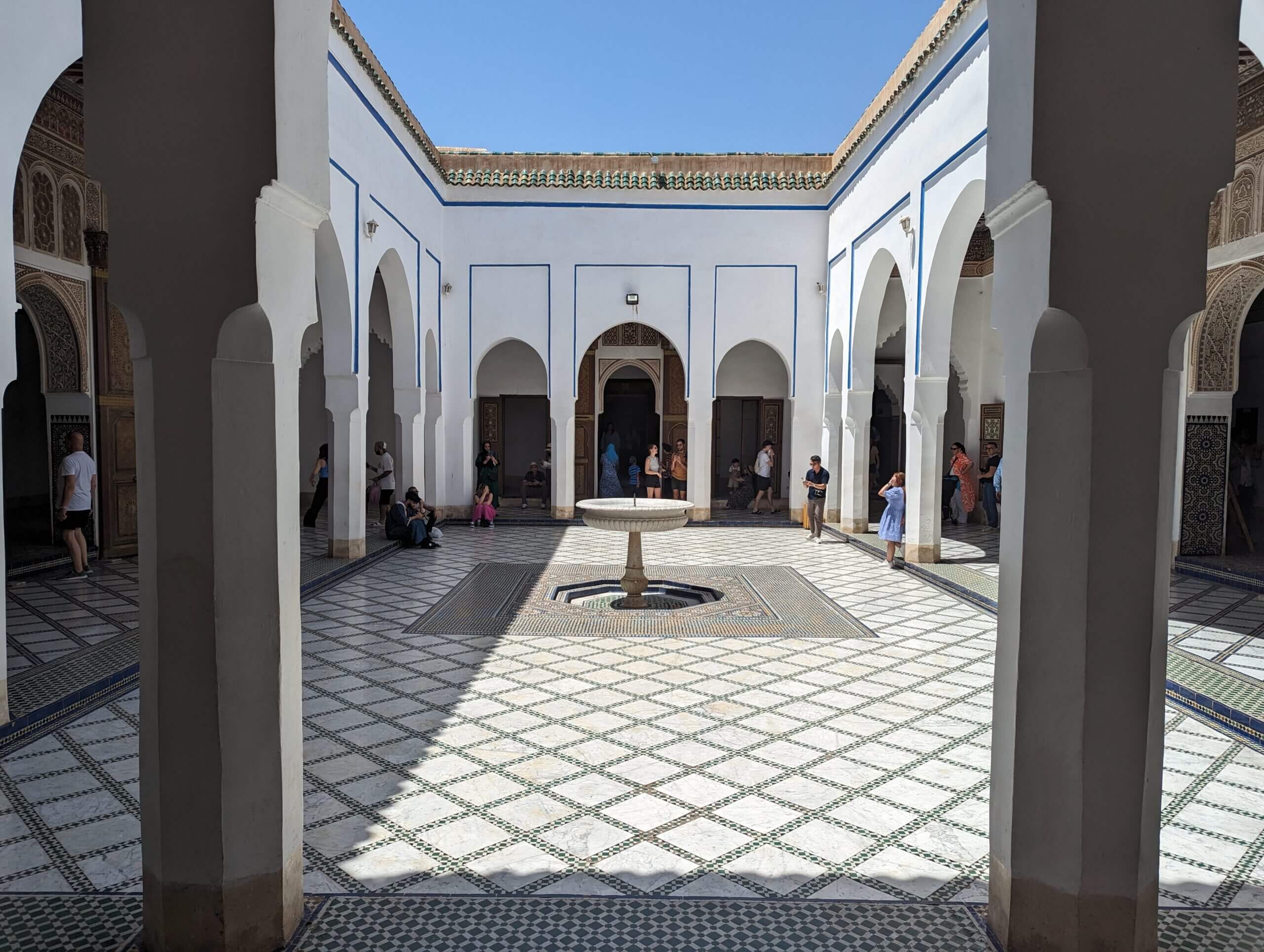
I spent hours at Jemaa el-Fna, the heart of Marrakech. During the day, it’s a bit quieter, but when the evening rolls around, the square comes to life with performers, food stalls, and storytellers. I had some of the best street food I’ve ever tasted here. For example, freshly squeezed orange juice and piping-hot msemen (Moroccan pancakes).
Wander Through the Medina and Souks
One of my favourite parts of Marrakech was getting lost in the medina, the old town. The souks (markets) are a maze of colourful stalls selling everything from spices to textiles. Don’t be afraid to haggle, it’s expected. But, be aware that they will be charging you tourist prices.
Visit the Bahia Palace
The Bahia Palace was one of the most beautiful buildings I’ve seen. The grandeur of the palace and its intricate tile work were breathtaking. The peaceful gardens in the centre offered a lovely escape from the hustle and bustle of the city.
Relax in the Majorelle Garden
After a day of exploring, you can make your way to the Majorelle Garden, a tranquil oasis filled with exotic plants and vibrant blue buildings. It’s the perfect place to unwind and escape the city’s heat for a few hours.
Take a Day Trip to the Atlas Mountains
Marrakech is perfectly located for day trips to the Atlas Mountains, and I was disappointed that I didn’t have the time to venture out there. You can take a guided tour to the Imlil Valley, a small Berber village. The scenery looks incredible, with snow-capped peaks and lush valleys.
Indulge in Moroccan Cuisine
If you love food, Marrakech will be a dream. I tried everything from tagine to couscous, and my personal favourite was pastilla, a flaky pastry filled with pigeon or chicken, almonds, and spices. The street food was incredible too — don’t miss the freshly grilled skewers!
Agafay Desert Fire Show
On my last night, I took an evening tour to the Agafay desert where I did a camel ride (which I didn’t enjoy too much). But, after this they served traditional food and an incredible fire show that you can also book without the camel ride.
Explore other things to do in Marrakech and Day trips from Marrakech. You can also see how I spent three days in Marrackech for under £250.
How to Get to Marrakech from the UK
I flew directly from Bristol to Marrakech Menara Airport (RAK), which took just over 3 hours. There are plenty of direct flights, so getting there is quick and easy. If you’re coming from another city in the UK, airlines like Ryanair, British Airways, and EasyJet all offer direct routes to Marrakech. Be aware, the airport is slow and chaotic, you will need a printed boarding pass for your return journey and there is no online check-in available. Book your flights here.
If you’re not keen on flying, you could take the train from London to Algeciras in southern Spain, hop on a ferry to Tangier, and then make your way down to Marrakech. It’s a long journey but a great option for those who want an adventurous route.
Marrakech is a city full of magic and mystery. It is a must for anyone looking for an authentic and unique holiday destination just outside of Europe in 2025. From its ancient history and colourful souks to its delectable food and stunning architecture, it’s a place that I’ll definitely return to. Whether you’re wandering through the medina, relaxing in a beautiful garden, or exploring the nearby mountains, Marrakech has something to offer everyone.
Ksamil, Albania
2025 Holidays – Albania.
I had heard a lot about Albania being a unique holiday destination in Europe. But when I finally visited, it completely exceeded my expectations. Nestled between Greece and Montenegro, Albania is a country that is rich in history, culture, and natural beauty, but without the overwhelming crowds that some other European destinations attract. From its stunning coastline along the Ionian and Adriatic Seas to the UNESCO-listed villages and ancient ruins, Albania is a place of incredible contrasts. I visited several key locations during my trip, including Ksamil, Butrint, Gjirokastër, Saranda, and Tirana, and I discovered why it’s becoming one of Europe’s hidden gems. Albania is more authentic than other places, and a truly unique holiday destination in Europe that you can visit in 2025.
Why Visit Albania?
What drew me to Albania was the combination of beautiful nature, historic sites, and the friendly, welcoming atmosphere of the Albanian people. The country’s small size means you can explore a lot in a short time, and each destination offers something unique. Whether you’re relaxing on pristine beaches, wandering through ancient ruins, or exploring charming old towns, there’s no shortage of experiences to keep you entertained. Albania offers great value for money too, making it an affordable yet rewarding place to visit.
I was amazed at how different each region felt, from the coastal towns to the inland towns and vibrant capital. Albania is a place where history, natural beauty, and hospitality all come together to create a truly memorable trip.
Things to Know Before You Go
Best Time to Visit: I visited in early June, and it was perfect. The weather was warm enough to enjoy the beaches, but the summer crowds hadn’t arrived yet. The ideal time for a visit is between April and June or September to October, when the weather is great, but it’s not too hot or crowded.
Currency: Albania uses the lek (ALL). While credit cards are widely accepted in the larger cities, cash is necessary for some smaller towns, so it’s always good to have some on hand. ATMs are easy to find in most places. Most places will also accept Euros.
Language: Albanian is the official language, but I found that many people, especially in touristy areas, spoke English, particularly the younger generation. The language is quite hard to learn, but it can be beneficial to know a few phrases.
Local Transport: I found buses to be the best way to get around. In cities like Tirana and Saranda, taxis and local buses are readily available. Renting a car is another great option if you want to explore at your own pace. However, the drivers are very erratic.
Costs: Albania is incredibly affordable compared to many other European countries. Accommodation, food, and activities are all reasonably priced, making it a fantastic budget destination. Although it is becoming more expensive because of the booming tourism.
Gjirokaster, Albania
2025 Holidays – Things to Do in Albania
Ksamil
Beach Paradise Ksamil was one of the highlights of my trip. Located just south of Saranda, this tiny coastal village boasts some of the best beaches I’ve seen in Europe. The water is crystal clear and perfect for swimming, and the nearby islands are ideal for a peaceful boat ride. I spent an entire afternoon lounging on the beach, enjoying the sun, and swimming in the beautiful blue waters. The area is also home to some excellent seafood restaurants.
Explore things to do in Ksamil.
Butrint: Ancient Ruins
The Butrint Archaeological Park is one of Albania’s UNESCO World Heritage Sites, and visiting it was like stepping back in time. The ruins, which date back to the Greek and Roman periods, are incredibly well-preserved. I walked through ancient temples, theaters, and baths while taking in the surrounding landscapes of lush greenery and the nearby lake. The site is both peaceful and fascinating, and I highly recommend hiring a guide to learn more about its rich history.
Gjirokastër: A UNESCO City of Stone
Gjirokastër was one of the most charming and unique holiday destinations I visited in Europe. Known for its Ottoman-era architecture, the city is perched on a hill and offers stunning views of the surrounding valley. I spent hours wandering through the cobblestone streets, exploring the Gjirokastër Castle with its impressive displays of military history. The castle also houses a weapons museum, which I found fascinating. One of the best parts of the city is simply enjoying its old-world charm, with traditional stone houses and quaint cafes. The old town in Gjirokastër felt like something out of a fairy-tale.
Explore things to do in Gjirokaster.
Saranda: Coastal Charm
I ended up spending a couple of days in Saranda, a bustling coastal city located right on the Ionian Sea. While Ksamil was more tranquil, Saranda offered a more vibrant atmosphere with its lively seafront promenade. I enjoyed taking a stroll along the beach, sipping coffee in one of the seaside cafes, and exploring the local markets. Saranda is also a great base for day trips to Blue Eye, a natural spring with striking turquoise waters, and the nearby Llogara Pass, where you can get panoramic views of the coastline.
Explore things to do in Saranda.
Tirana: The Capital City
Tirana was a bit of a contrast to the serene coastal towns. The city is filled with colourful buildings, lively squares, and a bustling energy. I visited Skanderbeg Square, the heart of the city, where you can find the National History Museum and the iconic Et’hem Bey Mosque. The city’s Bunk’Art museums, located in Cold War-era bunkers, are also a fascinating stop to learn more about Albania’s recent history. Tirana is a city in transition, with a vibrant arts scene and plenty of modern cafes and restaurants to enjoy.
Explore things to do in Tirana.
Explore other things to do in Albania.
How to Get to Albania from the UK
Getting to Albania is easy and affordable. I flew directly to Tirana International Airport from Birmingham, which took about 3 hours. Airlines like Ryanair, EasyJet, and Wizz Air offer direct flights from various UK cities. If you’re travelling from other parts of the UK, connecting flights through major European hubs like Rome or Athens are also available.
If you want to skip Tirana, I would advise flying to Corfu and getting the ferry to Saranda. Book your flights here.
If you’re coming from neighboring countries, you can easily reach Albania by bus or car. From Corfu (Greece), it’s a short ferry ride to Igoumenitsa, followed by a drive to Saranda or Tirana.
Albania is a destination that is still under the radar for many travellers, making it a unique holiday destination in Europe. Equally, it’s one of the most rewarding places I’ve visited. Whether you’re exploring ancient ruins, relaxing on beautiful beaches, or getting lost in charming old towns, Albania offers something for everyone. Its affordability, natural beauty, and welcoming people make it an ideal spot for your next adventure. You can see how I spent 4 days in Albania for £260 here.
Roman Theatre – Plovdiv, Bulgaria
2025 Holidays – Bulgaria.
Bulgaria was a destination I hadn’t initially considered for a trip, but when I decided to explore it, I quickly realised just how much the country had to offer. Located in the heart of the Balkans, Bulgaria is rich in history, culture, and stunning landscapes. Yet, it remains underrated and so, one of the most unique holiday destinations in Europe for 2025. I spent time in both Sofia, the country’s vibrant capital, and Plovdiv, one of the oldest cities in Europe, and discovered that Bulgaria is a perfect blend of ancient history, fascinating architecture, and natural beauty. It’s a country that offers something for everyone, whether you’re into history, nature, or just want to experience something new and off the beaten path.
Why Visit Bulgaria?
Bulgaria is often overlooked, but that’s part of its charm. The country offers great value for money, making it an affordable European destination. What I loved about Bulgaria was the mix of ancient ruins, lively cities, and the natural beauty that surrounds it. From the cobblestone streets and centuries-old churches of Plovdiv to the modern vibe and museums in Sofia, there’s a perfect balance of old and new to explore. The country is also home to stunning mountains, peaceful villages, and beautiful Black Sea coastline.
The friendliness of the locals and the mix of influences from the East and West added to the country’s charm, and it quickly became one of my favourite places in Europe.
Things to Know Before You Go
Best Time to Visit: I visited in February, so it was quite cold but with fewer crowds than during the summer. Spring and early autumn are the best times to visit, as the weather is great for exploring, but it’s not too hot or crowded.
Currency: The official currency is the Bulgarian lev (BGN). ATMs are widely available, and credit cards are accepted in most places, though it’s always a good idea to carry some cash for smaller businesses.
Language: The official language is Bulgarian. A lot of younger people speak English but many older people do not. The language is very difficult to learn as they use a different alphabet.
Local Transport: Bulgaria has an excellent bus and train system, which makes it easy to get from city to city. I traveled by train from Sofia to Plovdiv, which was comfortable and affordable. Taxis and public transportation are available in both cities, and renting a car is a great option if you want to explore more remote areas.
Costs: Bulgaria is very affordable, particularly when compared to Western European destinations. Accommodation, meals, and activities are all budget-friendly, which makes it an excellent destination for travellers looking to explore without breaking the bank.
2025 Holidays – Things to Do in Sofia, Bulgaria
Sofia
Sofia is a city that perfectly blends ancient and modern influences. One of the first places I visited was Alexander Nevsky Cathedral, an iconic structure with stunning golden domes and intricate mosaics. You can also explore the Boyana Church, a UNESCO World Heritage Site famous for its medieval frescoes, and the National History Museum, which showcases Bulgaria’s fascinating history. Sofia also has a bustling nightlife, so after a day of sightseeing, you can enjkoy dining at some fantastic local restaurants and bars, many of which serve Bulgarian wines and traditional dishes like banitsa (a pastry filled with cheese) and sarmi (stuffed cabbage leaves).
- Vitosha Boulevard: The main shopping street, full of cafes, restaurants, and boutiques, is perfect for a leisurely stroll.
- Vitosha Mountain: If you enjoy hiking or skiing, the mountain right on Sofia’s doorstep offers great opportunities for outdoor activities.
- The Roman Baths: Located in the city center, these Roman ruins are an excellent glimpse into Sofia’s past.
Explore other things to do in Sofia and day trips from Sofia.
Things to Do in Plovdiv, Bulgaria
Plovdiv
Known as one of the oldest cities in Europe, Plovdiv is a unique holiday destination in Europe. It offers a fascinating combination of Roman ruins, Ottoman-era architecture, and modern art. I loved walking through the Old Town, where I discovered cobblestone streets, colourful houses, and historic Roman theatres. One of my favourite spots in Plovdiv was the Roman Theatre of Plovdiv, an ancient amphitheater that is still used for performances today. The views of the city from the theatre are incredible, and it’s easy to imagine the ancient crowds who once gathered here. Plovdiv also has a thriving art scene.
- Old Town: Spend time exploring the cobblestone streets, colourful houses, and ethnographic museums.
- Plovdiv Roman Stadium: A fascinating ruin where you can see the remnants of an ancient stadium right in the middle of the city.
- Kapana District: This artsy area is home to a variety of galleries, cafes, and street art, perfect for wandering and relaxing.
- Plovdiv Ethnographic Museum: Located in a beautifully preserved house, it showcases the traditional Bulgarian way of life.
Explore the Rila Monastery
The Rila Monastery, a UNESCO World Heritage Site, is one of Bulgaria’s most famous landmarks. Located in the Rila Mountains, this 10th-century monastery is stunning and offers insight into Bulgaria’s Orthodox Christian heritage. It’s a perfect day trip from Sofia. I took a day trip here from Sofia and I would highly recommend it if you enjoy history, architecture, and nature.
Explore other things to do in Plovdiv and Bulgaria.
How to Get to Bulgaria from the UK
Getting to Bulgaria is simple and affordable. I flew directly into Sofia Airport from Bristol, which took about 3 hours. EasyJet, Wizz Air, and British Airways offer direct flights from several UK cities, including London, Manchester, and Birmingham. If you’re flying into Plovdiv, flights are available with connecting routes through Sofia. Bulgaria’s excellent bus and train systems make it easy to travel between cities, so once you’re there, getting around is a breeze. Book your flights here.
Bulgaria turned out to be one of the most rewarding travel destinations I’ve experienced. The country is filled with history, beauty, and friendly people, and it offers incredible value for money. Whether you’re exploring ancient ruins, hiking through mountains, or soaking up the atmosphere of vibrant cities like Sofia and Plovdiv, Bulgaria has so much to offer. It’s ideal for travellers looking for a unique 2025 holiday destination in Europe. You can see how I spent four days in Bulgaria for under £250 here.
Trakai, Lithuania
2025 Holidays – Lithuania.
Lithuania was a country I hadn’t really thought much about until I decided to explore the Baltic States. Known for its rich history, stunning architecture, and natural beauty, Lithuania quickly became one of my favorite places in Northern Europe. Vilnius, the capital, was a charming and vibrant city, while Kaunas, Lithuania’s second-largest city, offered a blend of tradition and modernity. But Lithuania has much more to offer than just its cities, with peaceful lakes, beautiful forests, and incredible UNESCO sites. Whether you’re into history, nature, or art, Lithuania offers a little bit of everything and is a truly unique holiday destination in Europe.
Why Visit Lithuania?
What I loved most about Lithuania was the feeling of being off the beaten path while still having access to incredible cultural experiences. Compared to other European capitals, Vilnius felt laid-back and relaxed, yet full of life and history. Kaunas had a youthful energy, thanks to its growing arts scene and vibrant street culture. And beyond the cities, Lithuania has beautiful natural landscapes — from the Curonian Spit and its sand dunes to peaceful lakes and thick forests. Lithuania is incredibly affordable compared to other European destinations, making it a great choice for budget-conscious travellers.
Things to Know Before You Go
Best Time to Visit: I visited in December for the Christmas markets so it was bitterly cold, I soon found out why people say ‘it’s baltic’ when it’s cold. If you’re not looking for a winter experience, the best time to visit is between May and September if you want pleasant weather, but spring and autumn are ideal for avoiding crowds.
Currency: Lithuania uses the euro (€). Credit cards are widely accepted in cities, but it’s always good to have some cash on hand for smaller purchases.
Language: The official language is Lithuanian, one of the oldest and most unique languages in Europe. While most people in the cities speak English, especially younger generations, it’s helpful to learn a few basic Lithuanian phrases to connect with locals.
Local Transport: I found public transportation in Vilnius and Kaunas to be very efficient, with buses and trolleybuses easily getting me around. Taxis and ride-sharing apps are also widely available. If you want to explore the countryside, renting a car is a good option.
Costs: Lithuania is one of the more affordable countries in Northern Europe although prices have increased since joining the EU. Accommodation, food, and activities are relatively inexpensive compared to destinations like Scandinavia or Western Europe. A meal in a restaurant will cost you a fraction of what you’d pay in other European capitals.
Old Town Vilnius, Lithuania
2025 Holidays – Things to Do in Lithuania
Vilnius
The Charming Capital Vilnius surprised me with its mixture of old-world charm and modern energy. The Old Town of Vilnius is a UNESCO World Heritage Site, and I spent hours wandering through its narrow streets, past medieval buildings, baroque churches, and cosy cafes. The Vilnius Cathedral and Gediminas Tower are must-visit sites, offering panoramic views of the city. I especially loved the quirky Uzupis district, a self-proclaimed “Republic” with a bohemian vibe, full of art galleries, murals, and cafes.
Things to do in Vilnius
Vilnius Cathedral and Bell Tower: Visit the iconic cathedral and climb the bell tower for a fantastic view of the city.
Gediminas Castle and Tower: Climb to the top for views over the old town and the Neris River.
Uzupis: Explore this artsy district with its own constitution and quirky atmosphere.
The Museum of Occupations and Freedom Fights: A deeply moving museum in a former KGB building that tells Lithuania’s history under Soviet occupation.
Trakai Day Trip: A Fairytale Castle Just a short distance from Vilnius is Trakai, a picturesque town known for its stunning medieval castle. The Trakai Castle, set on an island in the middle of Lake Galvė, looks like something straight out of a fairytale. I took a boat tour around the lake for the best views of the castle and the surrounding landscape. The town of Trakai itself is also charming, with cobblestone streets and a rich history, particularly tied to the Grand Duchy of Lithuania.
Discover other things to do in Vilnius and day trips from Vilnius.
Kaunas
After Vilnius, I headed to Kaunas, Lithuania’s second-largest city. Kaunas has a young, lively vibe, thanks to its growing arts and cultural scene. One of my favourite spots was Laisvės Alėja (Liberty Avenue), a long pedestrian street lined with cafes, restaurants, and shops. The Old Town is full of historic buildings, including the Kaunas Castle, which dates back to the 14th century. The city is also home to the impressive Maironis Lithuanian Literature Museum and the Devil’s Museum, an offbeat museum dedicated to sculptures and depictions of devils from around the world.
Things to do in Kaunas
Kaunas Castle: Explore this medieval castle and its surroundings.
Laisvės Alėja: A vibrant, tree-lined street perfect for strolling and people-watching.
The Ninth Fort: A sobering historical site that tells the story of Lithuania’s struggle during World War II and Soviet occupation.
Zoological Garden: A lovely zoo located in a forest area just outside the city.
Explore other things to do in Kaunas and day trips from Kaunas.
Other things to do in Lithuania.
How to Get to Lithuania from the UK
Getting to Lithuania from the UK is straightforward and affordable. I flew directly from London to Vilnius, with budget airlines like Wizz Air and Ryanair offering direct flights that take around 2.5 to 3 hours. Both Vilnius and Kaunas have international airports, and flights to both cities are available from various UK airports, including London, Manchester, and Birmingham. If you’re flying into one city and plan to explore the other, it’s easy to travel by train or bus, which are both efficient and affordable. Book your flights here.
Lithuania truly surprised me with its charm and beauty. The country’s mix of history, culture, and natural landscapes makes it an ideal destination for anyone seeking an off-the-beaten-path European experience. Whether you’re wandering through the Old Town of Vilnius, soaking up the energy in Kaunas, or exploring the serene landscapes of the Curonian Spit, Lithuania offers a little something for every type of traveler. It’s a destination that’s rich in experiences but not yet overwhelmed by crowds, making it a perfect unique holiday destination in Europe. You can see how I spent four days in Lithuania for less than £250 here.
Uzupis – Vilnius, Lithuania
2025 Holidays – Italy
Italy needs no introduction, but I found Lake Como to be a truly unique holiday destination in Europe that feels a world away from the usual tourist hotspots. Tucked up in the northern region of Lombardy, near the border with Switzerland, Lake Como is a deep, glacial lake surrounded by snow-dusted peaks and picturesque towns. I visited in early April, and it was one of the most peaceful trips I’ve ever taken. The views from the water are unlike anywhere else, with colourful villas clinging to steep hillsides, lush gardens, and quaint cobbled streets.
Lake Como isn’t just about glamour and celebrity sightings — although you may spot a few. It’s a region rich in natural beauty, charming villages, and a slower pace of life that encourages you to relax, take your time, and savour every moment. If you’re after a romantic or scenic 2025 getaway that doesn’t feel overly commercial, Lake Como should be at the top of your list.
Why Visit Lake Como?
What struck me most was how different Lake Como felt from other places in Italy I had visited. While the likes of Rome and Venice are undoubtedly beautiful, Lake Como offers a different kind of escape — quiet, scenic, and deeply relaxing. It’s the kind of place where you can spend hours doing very little, and feel absolutely content. I stayed in the town of Varenna, which is smaller and less visited than Como or Bellagio, but possibly more charming. The sunsets there were something else.
What makes Lake Como a standout 2025 holiday destination is how easy it is to combine nature, culture, and a touch of luxury — all in one spot. Whether you’re exploring lakeside villas, taking a boat between villages, or sipping coffee in a tiny piazza, there’s something uniquely soothing about it all.
Things to Know Before You Go
Best Time to Visit: I went in early spring, and it was perfect. Fewer crowds, pleasant weather, and the cherry blossoms made the landscapes feel even more magical. May to early June or September is ideal. July and August are much busier and pricier.
Currency: Italy uses the Euro (€). Card payments are accepted almost everywhere, but it’s always useful to carry small cash, especially for ferry rides and cafes.
Language: Italian is the official language, and while some locals speak English — especially in hotels and tourist spots — a few basic Italian phrases go a long way.
Local Transport: Ferries are the best way to explore towns around the lake. Trains run from Milan to Varenna, Como, and Lecco, and I found them affordable and efficient. Buses also connect many villages, though timings can be infrequent.
Costs: Lake Como is on the pricier side, especially Bellagio and Como town. But staying in smaller places like Varenna, Menaggio, or Lezzeno offers better value. You can easily enjoy the area without spending a fortune — many of the best experiences are free.
2025 Holidays – Things to Do in Lake Como, Italy
Wander Through Varenna
This was the town I stayed in, and I’d choose it again in a heartbeat. With narrow lanes, pastel-coloured buildings, and a peaceful lakeside promenade, it feels untouched by time. The gardens at Villa Monastero are breathtaking — and the views from there are postcard-perfect.
Take a Ferry Across the Lake
One of the best parts of my trip was hopping on a ferry to explore nearby towns. The rides themselves are an experience — calm water, fresh air, and stunning scenery. Bellagio, Menaggio, and Tremezzo are all worth visiting. Ferries are frequent, and day passes are great value.
Visit Villa del Balbianello
Arguably the most iconic villa on Lake Como, and rightly so. You might recognise it from Star Wars or James Bond, but nothing compares to seeing it in person. Surrounded by manicured gardens and perched on a promontory, it’s the kind of place you’ll remember forever.
Enjoy Aperitivo with a View
Every evening, I’d sit by the water with a spritz or glass of local wine and watch the sun dip behind the mountains. Aperitivo hour is sacred in Italy — a moment to slow down, snack on olives or bruschetta, and just take it all in.
Take a Day Trip to Milan
If you’re flying into Milan anyway, it makes sense to spend a day in the city. Only an hour away by train, Milan offers fashion, architecture, and amazing food. I spent half a day exploring the Duomo and Galleria Vittorio Emanuele II before heading to Lake Como.
Stroll the Greenway del Lago di Como
This scenic walking trail links several lakeside villages, offering views of villas, forests, and the lake. I did a section of it between Colonno and Lenno — quiet, well-marked, and absolutely stunning.
How to Get to Lake Como from the UK
Getting to Lake Como is easy. I flew into Milan Malpensa Airport and then took a direct train to Varenna via Milano Centrale. The whole journey took just under 2 hours. You can also fly into Milan Linate or Bergamo, both well-connected to the lake region.
Alternatively, you could drive if you’re planning a broader Italian road trip — but honestly, with trains and ferries running so efficiently, it’s not necessary unless you’re heading deep into the mountains. Book your flights here.
Lake Como was one of the most peaceful and breathtaking places I visited during 2024, and I’d go back without hesitation. It has just the right mix of beauty, tranquillity, and charm that makes it ideal for a unique 2025 holiday in Europe. Whether you’re travelling solo, with a partner, or friends, it’s a destination that lingers with you long after you’ve left.
2025 Holidays – Outro
2025 is the perfect time to explore destinations that offer more than just the usual sights. Whether you’re looking for a rich cultural experience, stunning landscapes, or a chance to connect with locals. These five unique and authentic holiday destinations are waiting to be discovered in Europe and North Africa in 2025. Each one offers a different perspective on what travel can be, and I hope this list has inspired you. Don’t just follow the crowds — create your own unforgettable journey to one of these hidden gems. The world is full of amazing places just waiting for you to explore. So, where will you go in 2025?
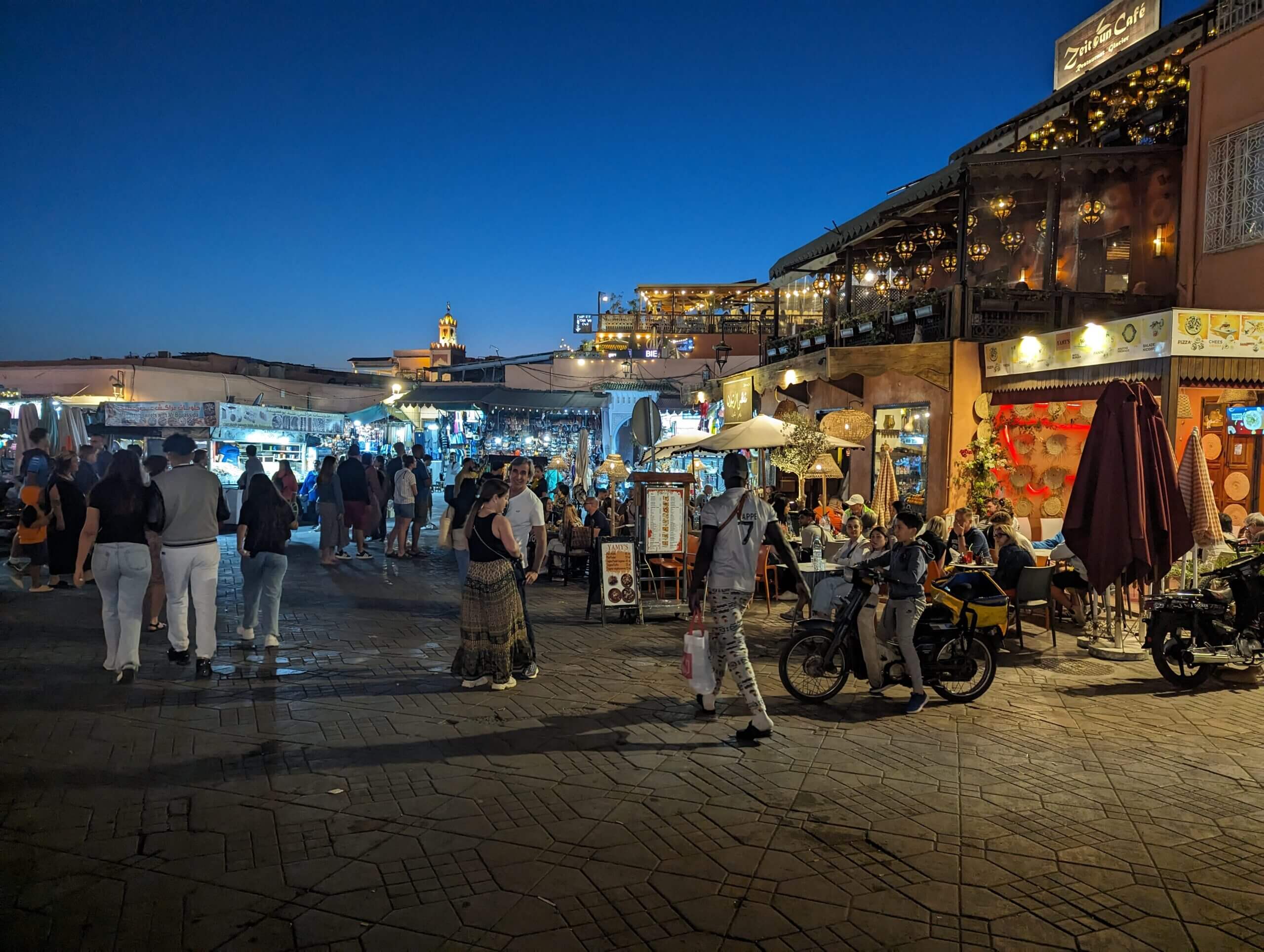
Jemaa el-Fna – Morocco, Marrakesh
2025 Holidays – Marrakech, Morocco.
If you’re looking for a unique holiday destination outside of Europe in 2025, it’s here! When I first arrived in Marrakech, Morocco I immediately understood why it’s called the “Red City.” The buildings are made from a rich terracotta-colored stone, giving the entire city a warm, earthy hue that’s even more beautiful at sunset. Located in western Morocco, at the foot of the Atlas Mountains, Marrakech offers an experience like no other. With its intricate medina, vibrant souks, and historical architecture, this city blends ancient traditions with modern energy. Whether it’s the aromatic spices in the air, the chatter in the streets, or the mesmerising sight of snake charmers in Jemaa el-Fna, Marrakech is a place that will truly engage all your senses.
Why Visit Marrakesh?
I was looking forward to visiting as I had wanted to go for a long time, but Marrakech exceeded all expectations. The moment I stepped into the city, I was immersed in the energy around me. The sounds, colours, and smells combined to create an unforgettable atmosphere. The contrasts are what make Marrakech so special — ancient palaces and bustling souks sit alongside trendy cafes and modern hotels. I quickly realized that Marrakech offers an incredible mix of experiences: historic landmarks, unique shopping opportunities, cultural encounters, and stunning scenery.
One of the most compelling reasons to visit Marrakech is its proximity to both the Sahara Desert and the Atlas Mountains, making it the perfect base for exploring Morocco’s natural beauty. I may be going back again for my own 2025 holiday.
Things to Know Before You Go
Best Time to Visit: I visited in early spring, and it was perfect. The weather was warm, but not scorching. Summer months can get really hot, so spring or autumn is definitely the best time for a visit.
Currency: The Moroccan Dirham (MAD) is used in Marrakech and is a closed currency. So you can only get hold of cash once you arrive. However, ATMs are widely available, and credit cards are accepted in many places.
Language: While Arabic is the official language, French is widely spoken, and I found that most people in the tourist areas could communicate well in English.
Local Transport: The medina is best explored on foot, and it’s easy to get lost in the maze of narrow streets. But there are also regular buses, horse-drawn carts and taxis on hand.
Costs: Marrakesh is extremely affordable but shops and markets will often charge you more as a tourist. However, it is common to haggle in these places.
Bahia Palace – Morocco, Marrakesh
2025 Holidays – Things to Do in Marrakesh
Explore Jemaa el-Fna
I spent hours at Jemaa el-Fna, the heart of Marrakech. During the day, it’s a bit quieter, but when the evening rolls around, the square comes to life with performers, food stalls, and storytellers. I had some of the best street food I’ve ever tasted here. For example, freshly squeezed orange juice and piping-hot msemen (Moroccan pancakes).
Wander Through the Medina and Souks
One of my favourite parts of Marrakech was getting lost in the medina, the old town. The souks (markets) are a maze of colourful stalls selling everything from spices to textiles. Don’t be afraid to haggle, it’s expected. But, be aware that they will be charging you tourist prices.
Visit the Bahia Palace
The Bahia Palace was one of the most beautiful buildings I’ve seen. The grandeur of the palace and its intricate tile work were breathtaking. The peaceful gardens in the centre offered a lovely escape from the hustle and bustle of the city.
Relax in the Majorelle Garden
After a day of exploring, you can make your way to the Majorelle Garden, a tranquil oasis filled with exotic plants and vibrant blue buildings. It’s the perfect place to unwind and escape the city’s heat for a few hours.
Take a Day Trip to the Atlas Mountains
Marrakech is perfectly located for day trips to the Atlas Mountains, and I was disappointed that I didn’t have the time to venture out there. You can take a guided tour to the Imlil Valley, a small Berber village. The scenery looks incredible, with snow-capped peaks and lush valleys.
Indulge in Moroccan Cuisine
If you love food, Marrakech will be a dream. I tried everything from tagine to couscous, and my personal favourite was pastilla, a flaky pastry filled with pigeon or chicken, almonds, and spices. The street food was incredible too — don’t miss the freshly grilled skewers!
Agafay Desert Fire Show
On my last night, I took an evening tour to the Agafay desert where I did a camel ride (which I didn’t enjoy too much). But, after this they served traditional food and an incredible fire show that you can also book without the camel ride.
Explore other things to do in Marrakech and Day trips from Marrakech. You can also see how I spent three days in Marrackech for under £250.
How to Get to Marrakech from the UK
I flew directly from Bristol to Marrakech Menara Airport (RAK), which took just over 3 hours. There are plenty of direct flights, so getting there is quick and easy. If you’re coming from another city in the UK, airlines like Ryanair, British Airways, and EasyJet all offer direct routes to Marrakech. Be aware, the airport is slow and chaotic, you will need a printed boarding pass for your return journey and there is no online check-in available. Book your flights here.
If you’re not keen on flying, you could take the train from London to Algeciras in southern Spain, hop on a ferry to Tangier, and then make your way down to Marrakech. It’s a long journey but a great option for those who want an adventurous route.
Marrakech is a city full of magic and mystery. It is a must for anyone looking for an authentic and unique holiday destination just outside of Europe in 2025. From its ancient history and colourful souks to its delectable food and stunning architecture, it’s a place that I’ll definitely return to. Whether you’re wandering through the medina, relaxing in a beautiful garden, or exploring the nearby mountains, Marrakech has something to offer everyone.
Ksamil, Albania
2025 Holidays – Albania.
I had heard a lot about Albania being a unique holiday destination in Europe. But when I finally visited, it completely exceeded my expectations. Nestled between Greece and Montenegro, Albania is a country that is rich in history, culture, and natural beauty, but without the overwhelming crowds that some other European destinations attract. From its stunning coastline along the Ionian and Adriatic Seas to the UNESCO-listed villages and ancient ruins, Albania is a place of incredible contrasts. I visited several key locations during my trip, including Ksamil, Butrint, Gjirokastër, Saranda, and Tirana, and I discovered why it’s becoming one of Europe’s hidden gems. Albania is more authentic than other places, and a truly unique holiday destination in Europe that you can visit in 2025.
Why Visit Albania?
What drew me to Albania was the combination of beautiful nature, historic sites, and the friendly, welcoming atmosphere of the Albanian people. The country’s small size means you can explore a lot in a short time, and each destination offers something unique. Whether you’re relaxing on pristine beaches, wandering through ancient ruins, or exploring charming old towns, there’s no shortage of experiences to keep you entertained. Albania offers great value for money too, making it an affordable yet rewarding place to visit.
I was amazed at how different each region felt, from the coastal towns to the inland towns and vibrant capital. Albania is a place where history, natural beauty, and hospitality all come together to create a truly memorable trip.
Things to Know Before You Go
Best Time to Visit: I visited in early June, and it was perfect. The weather was warm enough to enjoy the beaches, but the summer crowds hadn’t arrived yet. The ideal time for a visit is between April and June or September to October, when the weather is great, but it’s not too hot or crowded.
Currency: Albania uses the lek (ALL). While credit cards are widely accepted in the larger cities, cash is necessary for some smaller towns, so it’s always good to have some on hand. ATMs are easy to find in most places. Most places will also accept Euros.
Language: Albanian is the official language, but I found that many people, especially in touristy areas, spoke English, particularly the younger generation. The language is quite hard to learn, but it can be beneficial to know a few phrases.
Local Transport: I found buses to be the best way to get around. In cities like Tirana and Saranda, taxis and local buses are readily available. Renting a car is another great option if you want to explore at your own pace. However, the drivers are very erratic.
Costs: Albania is incredibly affordable compared to many other European countries. Accommodation, food, and activities are all reasonably priced, making it a fantastic budget destination. Although it is becoming more expensive because of the booming tourism.
Gjirokaster, Albania
2025 Holidays – Things to Do in Albania
Ksamil
Beach Paradise Ksamil was one of the highlights of my trip. Located just south of Saranda, this tiny coastal village boasts some of the best beaches I’ve seen in Europe. The water is crystal clear and perfect for swimming, and the nearby islands are ideal for a peaceful boat ride. I spent an entire afternoon lounging on the beach, enjoying the sun, and swimming in the beautiful blue waters. The area is also home to some excellent seafood restaurants.
Explore things to do in Ksamil.
Butrint: Ancient Ruins
The Butrint Archaeological Park is one of Albania’s UNESCO World Heritage Sites, and visiting it was like stepping back in time. The ruins, which date back to the Greek and Roman periods, are incredibly well-preserved. I walked through ancient temples, theaters, and baths while taking in the surrounding landscapes of lush greenery and the nearby lake. The site is both peaceful and fascinating, and I highly recommend hiring a guide to learn more about its rich history.
Gjirokastër: A UNESCO City of Stone
Gjirokastër was one of the most charming and unique holiday destinations I visited in Europe. Known for its Ottoman-era architecture, the city is perched on a hill and offers stunning views of the surrounding valley. I spent hours wandering through the cobblestone streets, exploring the Gjirokastër Castle with its impressive displays of military history. The castle also houses a weapons museum, which I found fascinating. One of the best parts of the city is simply enjoying its old-world charm, with traditional stone houses and quaint cafes. The old town in Gjirokastër felt like something out of a fairy-tale.
Explore things to do in Gjirokaster.
Saranda: Coastal Charm
I ended up spending a couple of days in Saranda, a bustling coastal city located right on the Ionian Sea. While Ksamil was more tranquil, Saranda offered a more vibrant atmosphere with its lively seafront promenade. I enjoyed taking a stroll along the beach, sipping coffee in one of the seaside cafes, and exploring the local markets. Saranda is also a great base for day trips to Blue Eye, a natural spring with striking turquoise waters, and the nearby Llogara Pass, where you can get panoramic views of the coastline.
Explore things to do in Saranda.
Tirana: The Capital City
Tirana was a bit of a contrast to the serene coastal towns. The city is filled with colourful buildings, lively squares, and a bustling energy. I visited Skanderbeg Square, the heart of the city, where you can find the National History Museum and the iconic Et’hem Bey Mosque. The city’s Bunk’Art museums, located in Cold War-era bunkers, are also a fascinating stop to learn more about Albania’s recent history. Tirana is a city in transition, with a vibrant arts scene and plenty of modern cafes and restaurants to enjoy.
Explore things to do in Tirana.
Explore other things to do in Albania.
How to Get to Albania from the UK
Getting to Albania is easy and affordable. I flew directly to Tirana International Airport from Birmingham, which took about 3 hours. Airlines like Ryanair, EasyJet, and Wizz Air offer direct flights from various UK cities. If you’re travelling from other parts of the UK, connecting flights through major European hubs like Rome or Athens are also available.
If you want to skip Tirana, I would advise flying to Corfu and getting the ferry to Saranda. Book your flights here.
If you’re coming from neighboring countries, you can easily reach Albania by bus or car. From Corfu (Greece), it’s a short ferry ride to Igoumenitsa, followed by a drive to Saranda or Tirana.
Albania is a destination that is still under the radar for many travellers, making it a unique holiday destination in Europe. Equally, it’s one of the most rewarding places I’ve visited. Whether you’re exploring ancient ruins, relaxing on beautiful beaches, or getting lost in charming old towns, Albania offers something for everyone. Its affordability, natural beauty, and welcoming people make it an ideal spot for your next adventure. You can see how I spent 4 days in Albania for £260 here.
Roman Theatre – Plovdiv, Bulgaria
2025 Holidays – Bulgaria.
Bulgaria was a destination I hadn’t initially considered for a trip, but when I decided to explore it, I quickly realised just how much the country had to offer. Located in the heart of the Balkans, Bulgaria is rich in history, culture, and stunning landscapes. Yet, it remains underrated and so, one of the most unique holiday destinations in Europe for 2025. I spent time in both Sofia, the country’s vibrant capital, and Plovdiv, one of the oldest cities in Europe, and discovered that Bulgaria is a perfect blend of ancient history, fascinating architecture, and natural beauty. It’s a country that offers something for everyone, whether you’re into history, nature, or just want to experience something new and off the beaten path.
Why Visit Bulgaria?
Bulgaria is often overlooked, but that’s part of its charm. The country offers great value for money, making it an affordable European destination. What I loved about Bulgaria was the mix of ancient ruins, lively cities, and the natural beauty that surrounds it. From the cobblestone streets and centuries-old churches of Plovdiv to the modern vibe and museums in Sofia, there’s a perfect balance of old and new to explore. The country is also home to stunning mountains, peaceful villages, and beautiful Black Sea coastline.
The friendliness of the locals and the mix of influences from the East and West added to the country’s charm, and it quickly became one of my favourite places in Europe.
Things to Know Before You Go
Best Time to Visit: I visited in February, so it was quite cold but with fewer crowds than during the summer. Spring and early autumn are the best times to visit, as the weather is great for exploring, but it’s not too hot or crowded.
Currency: The official currency is the Bulgarian lev (BGN). ATMs are widely available, and credit cards are accepted in most places, though it’s always a good idea to carry some cash for smaller businesses.
Language: The official language is Bulgarian. A lot of younger people speak English but many older people do not. The language is very difficult to learn as they use a different alphabet.
Local Transport: Bulgaria has an excellent bus and train system, which makes it easy to get from city to city. I traveled by train from Sofia to Plovdiv, which was comfortable and affordable. Taxis and public transportation are available in both cities, and renting a car is a great option if you want to explore more remote areas.
Costs: Bulgaria is very affordable, particularly when compared to Western European destinations. Accommodation, meals, and activities are all budget-friendly, which makes it an excellent destination for travellers looking to explore without breaking the bank.
2025 Holidays – Things to Do in Sofia, Bulgaria
Sofia
Sofia is a city that perfectly blends ancient and modern influences. One of the first places I visited was Alexander Nevsky Cathedral, an iconic structure with stunning golden domes and intricate mosaics. You can also explore the Boyana Church, a UNESCO World Heritage Site famous for its medieval frescoes, and the National History Museum, which showcases Bulgaria’s fascinating history. Sofia also has a bustling nightlife, so after a day of sightseeing, you can enjkoy dining at some fantastic local restaurants and bars, many of which serve Bulgarian wines and traditional dishes like banitsa (a pastry filled with cheese) and sarmi (stuffed cabbage leaves).
- Vitosha Boulevard: The main shopping street, full of cafes, restaurants, and boutiques, is perfect for a leisurely stroll.
- Vitosha Mountain: If you enjoy hiking or skiing, the mountain right on Sofia’s doorstep offers great opportunities for outdoor activities.
- The Roman Baths: Located in the city center, these Roman ruins are an excellent glimpse into Sofia’s past.
Explore other things to do in Sofia and day trips from Sofia.
Things to Do in Plovdiv, Bulgaria
Plovdiv
Known as one of the oldest cities in Europe, Plovdiv is a unique holiday destination in Europe. It offers a fascinating combination of Roman ruins, Ottoman-era architecture, and modern art. I loved walking through the Old Town, where I discovered cobblestone streets, colourful houses, and historic Roman theatres. One of my favourite spots in Plovdiv was the Roman Theatre of Plovdiv, an ancient amphitheater that is still used for performances today. The views of the city from the theatre are incredible, and it’s easy to imagine the ancient crowds who once gathered here. Plovdiv also has a thriving art scene.
- Old Town: Spend time exploring the cobblestone streets, colourful houses, and ethnographic museums.
- Plovdiv Roman Stadium: A fascinating ruin where you can see the remnants of an ancient stadium right in the middle of the city.
- Kapana District: This artsy area is home to a variety of galleries, cafes, and street art, perfect for wandering and relaxing.
- Plovdiv Ethnographic Museum: Located in a beautifully preserved house, it showcases the traditional Bulgarian way of life.
Explore the Rila Monastery
The Rila Monastery, a UNESCO World Heritage Site, is one of Bulgaria’s most famous landmarks. Located in the Rila Mountains, this 10th-century monastery is stunning and offers insight into Bulgaria’s Orthodox Christian heritage. It’s a perfect day trip from Sofia. I took a day trip here from Sofia and I would highly recommend it if you enjoy history, architecture, and nature.
Explore other things to do in Plovdiv and Bulgaria.
How to Get to Bulgaria from the UK
Getting to Bulgaria is simple and affordable. I flew directly into Sofia Airport from Bristol, which took about 3 hours. EasyJet, Wizz Air, and British Airways offer direct flights from several UK cities, including London, Manchester, and Birmingham. If you’re flying into Plovdiv, flights are available with connecting routes through Sofia. Bulgaria’s excellent bus and train systems make it easy to travel between cities, so once you’re there, getting around is a breeze. Book your flights here.
Bulgaria turned out to be one of the most rewarding travel destinations I’ve experienced. The country is filled with history, beauty, and friendly people, and it offers incredible value for money. Whether you’re exploring ancient ruins, hiking through mountains, or soaking up the atmosphere of vibrant cities like Sofia and Plovdiv, Bulgaria has so much to offer. It’s ideal for travellers looking for a unique 2025 holiday destination in Europe. You can see how I spent four days in Bulgaria for under £250 here.
Trakai, Lithuania
2025 Holidays – Lithuania.
Lithuania was a country I hadn’t really thought much about until I decided to explore the Baltic States. Known for its rich history, stunning architecture, and natural beauty, Lithuania quickly became one of my favorite places in Northern Europe. Vilnius, the capital, was a charming and vibrant city, while Kaunas, Lithuania’s second-largest city, offered a blend of tradition and modernity. But Lithuania has much more to offer than just its cities, with peaceful lakes, beautiful forests, and incredible UNESCO sites. Whether you’re into history, nature, or art, Lithuania offers a little bit of everything and is a truly unique holiday destination in Europe.
Why Visit Lithuania?
What I loved most about Lithuania was the feeling of being off the beaten path while still having access to incredible cultural experiences. Compared to other European capitals, Vilnius felt laid-back and relaxed, yet full of life and history. Kaunas had a youthful energy, thanks to its growing arts scene and vibrant street culture. And beyond the cities, Lithuania has beautiful natural landscapes — from the Curonian Spit and its sand dunes to peaceful lakes and thick forests. Lithuania is incredibly affordable compared to other European destinations, making it a great choice for budget-conscious travellers.
Things to Know Before You Go
Best Time to Visit: I visited in December for the Christmas markets so it was bitterly cold, I soon found out why people say ‘it’s baltic’ when it’s cold. If you’re not looking for a winter experience, the best time to visit is between May and September if you want pleasant weather, but spring and autumn are ideal for avoiding crowds.
Currency: Lithuania uses the euro (€). Credit cards are widely accepted in cities, but it’s always good to have some cash on hand for smaller purchases.
Language: The official language is Lithuanian, one of the oldest and most unique languages in Europe. While most people in the cities speak English, especially younger generations, it’s helpful to learn a few basic Lithuanian phrases to connect with locals.
Local Transport: I found public transportation in Vilnius and Kaunas to be very efficient, with buses and trolleybuses easily getting me around. Taxis and ride-sharing apps are also widely available. If you want to explore the countryside, renting a car is a good option.
Costs: Lithuania is one of the more affordable countries in Northern Europe although prices have increased since joining the EU. Accommodation, food, and activities are relatively inexpensive compared to destinations like Scandinavia or Western Europe. A meal in a restaurant will cost you a fraction of what you’d pay in other European capitals.
Old Town Vilnius, Lithuania
2025 Holidays – Things to Do in Lithuania
Vilnius
The Charming Capital Vilnius surprised me with its mixture of old-world charm and modern energy. The Old Town of Vilnius is a UNESCO World Heritage Site, and I spent hours wandering through its narrow streets, past medieval buildings, baroque churches, and cosy cafes. The Vilnius Cathedral and Gediminas Tower are must-visit sites, offering panoramic views of the city. I especially loved the quirky Uzupis district, a self-proclaimed “Republic” with a bohemian vibe, full of art galleries, murals, and cafes.
Things to do in Vilnius
Vilnius Cathedral and Bell Tower: Visit the iconic cathedral and climb the bell tower for a fantastic view of the city.
Gediminas Castle and Tower: Climb to the top for views over the old town and the Neris River.
Uzupis: Explore this artsy district with its own constitution and quirky atmosphere.
The Museum of Occupations and Freedom Fights: A deeply moving museum in a former KGB building that tells Lithuania’s history under Soviet occupation.
Trakai Day Trip: A Fairytale Castle Just a short distance from Vilnius is Trakai, a picturesque town known for its stunning medieval castle. The Trakai Castle, set on an island in the middle of Lake Galvė, looks like something straight out of a fairytale. I took a boat tour around the lake for the best views of the castle and the surrounding landscape. The town of Trakai itself is also charming, with cobblestone streets and a rich history, particularly tied to the Grand Duchy of Lithuania.
Discover other things to do in Vilnius and day trips from Vilnius.
Kaunas
After Vilnius, I headed to Kaunas, Lithuania’s second-largest city. Kaunas has a young, lively vibe, thanks to its growing arts and cultural scene. One of my favourite spots was Laisvės Alėja (Liberty Avenue), a long pedestrian street lined with cafes, restaurants, and shops. The Old Town is full of historic buildings, including the Kaunas Castle, which dates back to the 14th century. The city is also home to the impressive Maironis Lithuanian Literature Museum and the Devil’s Museum, an offbeat museum dedicated to sculptures and depictions of devils from around the world.
Things to do in Kaunas
Kaunas Castle: Explore this medieval castle and its surroundings.
Laisvės Alėja: A vibrant, tree-lined street perfect for strolling and people-watching.
The Ninth Fort: A sobering historical site that tells the story of Lithuania’s struggle during World War II and Soviet occupation.
Zoological Garden: A lovely zoo located in a forest area just outside the city.
Explore other things to do in Kaunas and day trips from Kaunas.
Other things to do in Lithuania.
How to Get to Lithuania from the UK
Getting to Lithuania from the UK is straightforward and affordable. I flew directly from London to Vilnius, with budget airlines like Wizz Air and Ryanair offering direct flights that take around 2.5 to 3 hours. Both Vilnius and Kaunas have international airports, and flights to both cities are available from various UK airports, including London, Manchester, and Birmingham. If you’re flying into one city and plan to explore the other, it’s easy to travel by train or bus, which are both efficient and affordable. Book your flights here.
Lithuania truly surprised me with its charm and beauty. The country’s mix of history, culture, and natural landscapes makes it an ideal destination for anyone seeking an off-the-beaten-path European experience. Whether you’re wandering through the Old Town of Vilnius, soaking up the energy in Kaunas, or exploring the serene landscapes of the Curonian Spit, Lithuania offers a little something for every type of traveler. It’s a destination that’s rich in experiences but not yet overwhelmed by crowds, making it a perfect unique holiday destination in Europe. You can see how I spent four days in Lithuania for less than £250 here.
Uzupis – Vilnius, Lithuania
2025 Holidays – Italy
Italy needs no introduction, but I found Lake Como to be a truly unique holiday destination in Europe that feels a world away from the usual tourist hotspots. Tucked up in the northern region of Lombardy, near the border with Switzerland, Lake Como is a deep, glacial lake surrounded by snow-dusted peaks and picturesque towns. I visited in early April, and it was one of the most peaceful trips I’ve ever taken. The views from the water are unlike anywhere else, with colourful villas clinging to steep hillsides, lush gardens, and quaint cobbled streets.
Lake Como isn’t just about glamour and celebrity sightings — although you may spot a few. It’s a region rich in natural beauty, charming villages, and a slower pace of life that encourages you to relax, take your time, and savour every moment. If you’re after a romantic or scenic 2025 getaway that doesn’t feel overly commercial, Lake Como should be at the top of your list.
Why Visit Lake Como?
What struck me most was how different Lake Como felt from other places in Italy I had visited. While the likes of Rome and Venice are undoubtedly beautiful, Lake Como offers a different kind of escape — quiet, scenic, and deeply relaxing. It’s the kind of place where you can spend hours doing very little, and feel absolutely content. I stayed in the town of Varenna, which is smaller and less visited than Como or Bellagio, but possibly more charming. The sunsets there were something else.
What makes Lake Como a standout 2025 holiday destination is how easy it is to combine nature, culture, and a touch of luxury — all in one spot. Whether you’re exploring lakeside villas, taking a boat between villages, or sipping coffee in a tiny piazza, there’s something uniquely soothing about it all.
Things to Know Before You Go
Best Time to Visit: I went in early spring, and it was perfect. Fewer crowds, pleasant weather, and the cherry blossoms made the landscapes feel even more magical. May to early June or September is ideal. July and August are much busier and pricier.
Currency: Italy uses the Euro (€). Card payments are accepted almost everywhere, but it’s always useful to carry small cash, especially for ferry rides and cafes.
Language: Italian is the official language, and while some locals speak English — especially in hotels and tourist spots — a few basic Italian phrases go a long way.
Local Transport: Ferries are the best way to explore towns around the lake. Trains run from Milan to Varenna, Como, and Lecco, and I found them affordable and efficient. Buses also connect many villages, though timings can be infrequent.
Costs: Lake Como is on the pricier side, especially Bellagio and Como town. But staying in smaller places like Varenna, Menaggio, or Lezzeno offers better value. You can easily enjoy the area without spending a fortune — many of the best experiences are free.
2025 Holidays – Things to Do in Lake Como, Italy
Wander Through Varenna
This was the town I stayed in, and I’d choose it again in a heartbeat. With narrow lanes, pastel-coloured buildings, and a peaceful lakeside promenade, it feels untouched by time. The gardens at Villa Monastero are breathtaking — and the views from there are postcard-perfect.
Take a Ferry Across the Lake
One of the best parts of my trip was hopping on a ferry to explore nearby towns. The rides themselves are an experience — calm water, fresh air, and stunning scenery. Bellagio, Menaggio, and Tremezzo are all worth visiting. Ferries are frequent, and day passes are great value.
Visit Villa del Balbianello
Arguably the most iconic villa on Lake Como, and rightly so. You might recognise it from Star Wars or James Bond, but nothing compares to seeing it in person. Surrounded by manicured gardens and perched on a promontory, it’s the kind of place you’ll remember forever.
Enjoy Aperitivo with a View
Every evening, I’d sit by the water with a spritz or glass of local wine and watch the sun dip behind the mountains. Aperitivo hour is sacred in Italy — a moment to slow down, snack on olives or bruschetta, and just take it all in.
Take a Day Trip to Milan
If you’re flying into Milan anyway, it makes sense to spend a day in the city. Only an hour away by train, Milan offers fashion, architecture, and amazing food. I spent half a day exploring the Duomo and Galleria Vittorio Emanuele II before heading to Lake Como.
Stroll the Greenway del Lago di Como
This scenic walking trail links several lakeside villages, offering views of villas, forests, and the lake. I did a section of it between Colonno and Lenno — quiet, well-marked, and absolutely stunning.
How to Get to Lake Como from the UK
Getting to Lake Como is easy. I flew into Milan Malpensa Airport and then took a direct train to Varenna via Milano Centrale. The whole journey took just under 2 hours. You can also fly into Milan Linate or Bergamo, both well-connected to the lake region.
Alternatively, you could drive if you’re planning a broader Italian road trip — but honestly, with trains and ferries running so efficiently, it’s not necessary unless you’re heading deep into the mountains. Book your flights here.
Lake Como was one of the most peaceful and breathtaking places I visited during 2024, and I’d go back without hesitation. It has just the right mix of beauty, tranquillity, and charm that makes it ideal for a unique 2025 holiday in Europe. Whether you’re travelling solo, with a partner, or friends, it’s a destination that lingers with you long after you’ve left.
2025 Holidays – Outro
2025 is the perfect time to explore destinations that offer more than just the usual sights. Whether you’re looking for a rich cultural experience, stunning landscapes, or a chance to connect with locals. These five unique and authentic holiday destinations are waiting to be discovered in Europe and North Africa in 2025. Each one offers a different perspective on what travel can be, and I hope this list has inspired you. Don’t just follow the crowds — create your own unforgettable journey to one of these hidden gems. The world is full of amazing places just waiting for you to explore. So, where will you go in 2025?
Annecy, often called the “Venice of the Alps,” is a picturesque town nestled in the Haute-Savoie region of southeastern France. This beautiful town is a unique holiday destination in Europe. As soon as I arrived, I was taken aback by the breathtaking views of Lake Annecy, surrounded by the snow-capped peaks of the Alps. The town itself is a delightful mix of medieval charm and natural beauty. Cobblestone streets, pastel-coloured buildings, and scenic canals make Annecy feel like a fairy tale come to life. With its beautiful lake, lush parks, and historic old town, Annecy is an ideal destination. Especially for those seeking a blend of outdoor adventure, relaxation, and culture. This is among the best 2025 holiday destinations.
Why Visit Annecy?
I visited Annecy in May, and the weather couldn’t have been better. I had never seen water so clear as Lake Annecy, and the charming old town was a perfect place to stroll and explore. What makes Annecy so special is its combination of natural beauty and historical richness. The town’s proximity to both the mountains and the lake offers a variety of activities. So whether you’re into hiking, cycling, or simply relaxing by the water, it has it all. It’s a peaceful, serene place to escape from the hustle and bustle of city life, yet there’s plenty to do if you want to stay active. This is my number one pick for a 2025 holiday.
Whether you’re there for a few days or a week, Annecy has a way of making you feel at home. The warmth of the locals and the laid-back atmosphere make it a lovely place to unwind while still having access to plenty of activities.
Things to Know Before You Go
Best Time to Visit: I found that visiting in May was perfect, as the weather was warm enough and the peak season wasn’t in full swing. However, Summer would offer even better weather. Equally, autumn would also be ideal for milder temperatures, especially if you’re planning to explore the surrounding nature.
Currency: Euros (EUR) are used in Annecy. ATMs are easy to find, and credit cards are widely accepted.
Language: French is the official language, but everyone is well versed in English and I had no problems communicating.
Local Transport: Annecy is small enough to explore on foot or by bike, but there’s also a good public transport system if you want to venture further. I rented a bike to cycle around and found this much better for seeing more in a short period.
Costs: Annecy can be on the pricier side, particularly during peak tourist seasons, but there are still budget-friendly options for food and accommodation. The town’s many markets and cafes offer delicious meals at reasonable prices.
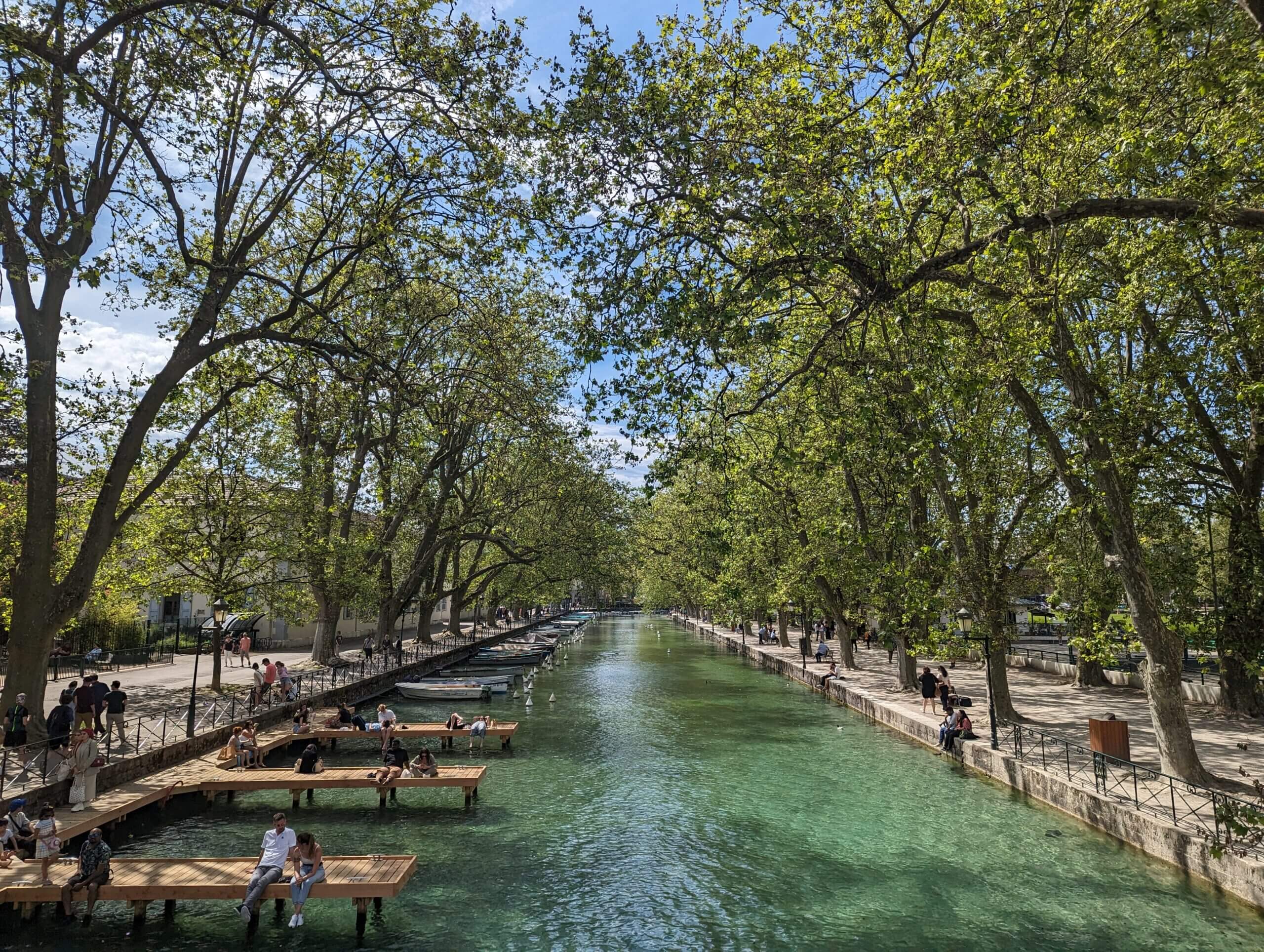
Pont des Amours – Annecy, France
2025 Holidays – Things to Do in Annecy
Stroll Through the Old Town
Annecy’s old town (Vieille Ville) is an absolute gem. The cobbled streets, quaint squares, and colourful buildings were one of the first things I loved about the town. You can spend hours just wandering, discovering charming boutiques, bakeries, and hidden courtyards. Don’t miss the Palais de l’Isle, a 12th-century prison located on an island in the canal. This is one of the most photographed spots in Annecy.
Relax by Lake Annecy
One of my favourite parts of the trip was spending time by Lake Annecy. I am drawn to water but enjoy staying on land rather than getting in! But, whether you’re into water sports or just lounging by the lake, it’s a great place to relax. You can rent a pedal boat and explore the lake, enjoying the peacefulness and the surrounding views. If you prefer a more laid-back day, simply relax by the water with a picnic or take a boat tour.
Take a Boat Ride
You can take boat tour on Lake Annecy! The views of the surrounding Alps are incredible. You can also learn so much about the history of the town and the lake. There are options for short boat rides or longer cruises, some of which even include lunch.
Hike Around Mont Veyrier
If you’re into hiking, a trek up Mont Veyrier is a fantastic way to experience the region’s natural beauty. The hike offers panoramic views of Annecy and the surrounding mountains. Also, the peacefulness of the forest along the way made it a perfect escape from the town’s touristy areas.
Visit the Château d’Annecy
The Château d’Annecy is a medieval castle that offers spectacular views of the town and lake. Inside, there’s a museum showcasing the history of Annecy and the region. I found it fascinating, and the views from the castle grounds were simply breathtaking.
Explore the Markets and Local Cuisine
Annecy is famous for its food, and I couldn’t visit without sampling some local specialties. Tartiflette, a cheesy potato dish, was a favourite, and I also tried diots, a type of local sausage. Every Tuesday, Friday, and Sunday, there’s a market in the town square where you can find fresh produce, cheeses, and baked goods. It’s the perfect spot for foodies.
Cycle Around Lake Annecy
One of the highlights of my visit was cycling around Lake Annecy. I didn’t do the whole lake, but the 42 km-long bike path offers stunning views of the water and mountains. Whether you want a leisurely ride or something more challenging, the route is perfect for cyclists of all levels.
Explore other things to do in Annecy and day trips from Annecy. You can also see how I spent three days in Annecy and Geneva for under £270 here.
How to Get to Annecy from the UK
Getting to Annecy from the UK is fairly easy. The closest airport is Geneva Airport (GVA) in Switzerland, which is about 40 minutes by rental car or bus from Annecy. There are several flights from London, Manchester, and other UK cities to Geneva, with airlines like EasyJet and British Airways. From Geneva, you can take a direct bus or a shuttle to Annecy. Book your flights here.
Alternatively, if you prefer to travel by train, you can take the Eurostar from London to Paris. Then, catch a train to Annecy. The total journey time is around 6–7 hours, which makes it a pleasant and scenic option if you’re in no rush. Book your train here.
Annecy is a hidden gem which is a truly authentic and Unique holiday destination in Europe. It’s perfect for a relaxing getaway, with plenty of outdoor activities, rich history, and amazing food. Whether you’re exploring the charming old town, enjoying the views from the lake, or hiking in the nearby mountains, Annecy offers something for every type of traveller. It’s a place I would return to in a heartbeat and would highly recommend for a holiday in 2025.
Another Good Read: Best Way to Get to Lake Como from the UK
Jemaa el-Fna – Morocco, Marrakesh
2025 Holidays – Marrakech, Morocco.
If you’re looking for a unique holiday destination outside of Europe in 2025, it’s here! When I first arrived in Marrakech, Morocco I immediately understood why it’s called the “Red City.” The buildings are made from a rich terracotta-colored stone, giving the entire city a warm, earthy hue that’s even more beautiful at sunset. Located in western Morocco, at the foot of the Atlas Mountains, Marrakech offers an experience like no other. With its intricate medina, vibrant souks, and historical architecture, this city blends ancient traditions with modern energy. Whether it’s the aromatic spices in the air, the chatter in the streets, or the mesmerising sight of snake charmers in Jemaa el-Fna, Marrakech is a place that will truly engage all your senses.
Why Visit Marrakesh?
I was looking forward to visiting as I had wanted to go for a long time, but Marrakech exceeded all expectations. The moment I stepped into the city, I was immersed in the energy around me. The sounds, colours, and smells combined to create an unforgettable atmosphere. The contrasts are what make Marrakech so special — ancient palaces and bustling souks sit alongside trendy cafes and modern hotels. I quickly realized that Marrakech offers an incredible mix of experiences: historic landmarks, unique shopping opportunities, cultural encounters, and stunning scenery.
One of the most compelling reasons to visit Marrakech is its proximity to both the Sahara Desert and the Atlas Mountains, making it the perfect base for exploring Morocco’s natural beauty. I may be going back again for my own 2025 holiday.
Things to Know Before You Go
Best Time to Visit: I visited in early spring, and it was perfect. The weather was warm, but not scorching. Summer months can get really hot, so spring or autumn is definitely the best time for a visit.
Currency: The Moroccan Dirham (MAD) is used in Marrakech and is a closed currency. So you can only get hold of cash once you arrive. However, ATMs are widely available, and credit cards are accepted in many places.
Language: While Arabic is the official language, French is widely spoken, and I found that most people in the tourist areas could communicate well in English.
Local Transport: The medina is best explored on foot, and it’s easy to get lost in the maze of narrow streets. But there are also regular buses, horse-drawn carts and taxis on hand.
Costs: Marrakesh is extremely affordable but shops and markets will often charge you more as a tourist. However, it is common to haggle in these places.
Bahia Palace – Morocco, Marrakesh
2025 Holidays – Things to Do in Marrakesh
Explore Jemaa el-Fna
I spent hours at Jemaa el-Fna, the heart of Marrakech. During the day, it’s a bit quieter, but when the evening rolls around, the square comes to life with performers, food stalls, and storytellers. I had some of the best street food I’ve ever tasted here. For example, freshly squeezed orange juice and piping-hot msemen (Moroccan pancakes).
Wander Through the Medina and Souks
One of my favourite parts of Marrakech was getting lost in the medina, the old town. The souks (markets) are a maze of colourful stalls selling everything from spices to textiles. Don’t be afraid to haggle, it’s expected. But, be aware that they will be charging you tourist prices.
Visit the Bahia Palace
The Bahia Palace was one of the most beautiful buildings I’ve seen. The grandeur of the palace and its intricate tile work were breathtaking. The peaceful gardens in the centre offered a lovely escape from the hustle and bustle of the city.
Relax in the Majorelle Garden
After a day of exploring, you can make your way to the Majorelle Garden, a tranquil oasis filled with exotic plants and vibrant blue buildings. It’s the perfect place to unwind and escape the city’s heat for a few hours.
Take a Day Trip to the Atlas Mountains
Marrakech is perfectly located for day trips to the Atlas Mountains, and I was disappointed that I didn’t have the time to venture out there. You can take a guided tour to the Imlil Valley, a small Berber village. The scenery looks incredible, with snow-capped peaks and lush valleys.
Indulge in Moroccan Cuisine
If you love food, Marrakech will be a dream. I tried everything from tagine to couscous, and my personal favourite was pastilla, a flaky pastry filled with pigeon or chicken, almonds, and spices. The street food was incredible too — don’t miss the freshly grilled skewers!
Agafay Desert Fire Show
On my last night, I took an evening tour to the Agafay desert where I did a camel ride (which I didn’t enjoy too much). But, after this they served traditional food and an incredible fire show that you can also book without the camel ride.
Explore other things to do in Marrakech and Day trips from Marrakech. You can also see how I spent three days in Marrackech for under £250.
How to Get to Marrakech from the UK
I flew directly from Bristol to Marrakech Menara Airport (RAK), which took just over 3 hours. There are plenty of direct flights, so getting there is quick and easy. If you’re coming from another city in the UK, airlines like Ryanair, British Airways, and EasyJet all offer direct routes to Marrakech. Be aware, the airport is slow and chaotic, you will need a printed boarding pass for your return journey and there is no online check-in available. Book your flights here.
If you’re not keen on flying, you could take the train from London to Algeciras in southern Spain, hop on a ferry to Tangier, and then make your way down to Marrakech. It’s a long journey but a great option for those who want an adventurous route.
Marrakech is a city full of magic and mystery. It is a must for anyone looking for an authentic and unique holiday destination just outside of Europe in 2025. From its ancient history and colourful souks to its delectable food and stunning architecture, it’s a place that I’ll definitely return to. Whether you’re wandering through the medina, relaxing in a beautiful garden, or exploring the nearby mountains, Marrakech has something to offer everyone.
Ksamil, Albania
2025 Holidays – Albania.
I had heard a lot about Albania being a unique holiday destination in Europe. But when I finally visited, it completely exceeded my expectations. Nestled between Greece and Montenegro, Albania is a country that is rich in history, culture, and natural beauty, but without the overwhelming crowds that some other European destinations attract. From its stunning coastline along the Ionian and Adriatic Seas to the UNESCO-listed villages and ancient ruins, Albania is a place of incredible contrasts. I visited several key locations during my trip, including Ksamil, Butrint, Gjirokastër, Saranda, and Tirana, and I discovered why it’s becoming one of Europe’s hidden gems. Albania is more authentic than other places, and a truly unique holiday destination in Europe that you can visit in 2025.
Why Visit Albania?
What drew me to Albania was the combination of beautiful nature, historic sites, and the friendly, welcoming atmosphere of the Albanian people. The country’s small size means you can explore a lot in a short time, and each destination offers something unique. Whether you’re relaxing on pristine beaches, wandering through ancient ruins, or exploring charming old towns, there’s no shortage of experiences to keep you entertained. Albania offers great value for money too, making it an affordable yet rewarding place to visit.
I was amazed at how different each region felt, from the coastal towns to the inland towns and vibrant capital. Albania is a place where history, natural beauty, and hospitality all come together to create a truly memorable trip.
Things to Know Before You Go
Best Time to Visit: I visited in early June, and it was perfect. The weather was warm enough to enjoy the beaches, but the summer crowds hadn’t arrived yet. The ideal time for a visit is between April and June or September to October, when the weather is great, but it’s not too hot or crowded.
Currency: Albania uses the lek (ALL). While credit cards are widely accepted in the larger cities, cash is necessary for some smaller towns, so it’s always good to have some on hand. ATMs are easy to find in most places. Most places will also accept Euros.
Language: Albanian is the official language, but I found that many people, especially in touristy areas, spoke English, particularly the younger generation. The language is quite hard to learn, but it can be beneficial to know a few phrases.
Local Transport: I found buses to be the best way to get around. In cities like Tirana and Saranda, taxis and local buses are readily available. Renting a car is another great option if you want to explore at your own pace. However, the drivers are very erratic.
Costs: Albania is incredibly affordable compared to many other European countries. Accommodation, food, and activities are all reasonably priced, making it a fantastic budget destination. Although it is becoming more expensive because of the booming tourism.
Gjirokaster, Albania
2025 Holidays – Things to Do in Albania
Ksamil
Beach Paradise Ksamil was one of the highlights of my trip. Located just south of Saranda, this tiny coastal village boasts some of the best beaches I’ve seen in Europe. The water is crystal clear and perfect for swimming, and the nearby islands are ideal for a peaceful boat ride. I spent an entire afternoon lounging on the beach, enjoying the sun, and swimming in the beautiful blue waters. The area is also home to some excellent seafood restaurants.
Explore things to do in Ksamil.
Butrint: Ancient Ruins
The Butrint Archaeological Park is one of Albania’s UNESCO World Heritage Sites, and visiting it was like stepping back in time. The ruins, which date back to the Greek and Roman periods, are incredibly well-preserved. I walked through ancient temples, theaters, and baths while taking in the surrounding landscapes of lush greenery and the nearby lake. The site is both peaceful and fascinating, and I highly recommend hiring a guide to learn more about its rich history.
Gjirokastër: A UNESCO City of Stone
Gjirokastër was one of the most charming and unique holiday destinations I visited in Europe. Known for its Ottoman-era architecture, the city is perched on a hill and offers stunning views of the surrounding valley. I spent hours wandering through the cobblestone streets, exploring the Gjirokastër Castle with its impressive displays of military history. The castle also houses a weapons museum, which I found fascinating. One of the best parts of the city is simply enjoying its old-world charm, with traditional stone houses and quaint cafes. The old town in Gjirokastër felt like something out of a fairy-tale.
Explore things to do in Gjirokaster.
Saranda: Coastal Charm
I ended up spending a couple of days in Saranda, a bustling coastal city located right on the Ionian Sea. While Ksamil was more tranquil, Saranda offered a more vibrant atmosphere with its lively seafront promenade. I enjoyed taking a stroll along the beach, sipping coffee in one of the seaside cafes, and exploring the local markets. Saranda is also a great base for day trips to Blue Eye, a natural spring with striking turquoise waters, and the nearby Llogara Pass, where you can get panoramic views of the coastline.
Explore things to do in Saranda.
Tirana: The Capital City
Tirana was a bit of a contrast to the serene coastal towns. The city is filled with colourful buildings, lively squares, and a bustling energy. I visited Skanderbeg Square, the heart of the city, where you can find the National History Museum and the iconic Et’hem Bey Mosque. The city’s Bunk’Art museums, located in Cold War-era bunkers, are also a fascinating stop to learn more about Albania’s recent history. Tirana is a city in transition, with a vibrant arts scene and plenty of modern cafes and restaurants to enjoy.
Explore things to do in Tirana.
Explore other things to do in Albania.
How to Get to Albania from the UK
Getting to Albania is easy and affordable. I flew directly to Tirana International Airport from Birmingham, which took about 3 hours. Airlines like Ryanair, EasyJet, and Wizz Air offer direct flights from various UK cities. If you’re travelling from other parts of the UK, connecting flights through major European hubs like Rome or Athens are also available.
If you want to skip Tirana, I would advise flying to Corfu and getting the ferry to Saranda. Book your flights here.
If you’re coming from neighboring countries, you can easily reach Albania by bus or car. From Corfu (Greece), it’s a short ferry ride to Igoumenitsa, followed by a drive to Saranda or Tirana.
Albania is a destination that is still under the radar for many travellers, making it a unique holiday destination in Europe. Equally, it’s one of the most rewarding places I’ve visited. Whether you’re exploring ancient ruins, relaxing on beautiful beaches, or getting lost in charming old towns, Albania offers something for everyone. Its affordability, natural beauty, and welcoming people make it an ideal spot for your next adventure. You can see how I spent 4 days in Albania for £260 here.
Roman Theatre – Plovdiv, Bulgaria
2025 Holidays – Bulgaria.
Bulgaria was a destination I hadn’t initially considered for a trip, but when I decided to explore it, I quickly realised just how much the country had to offer. Located in the heart of the Balkans, Bulgaria is rich in history, culture, and stunning landscapes. Yet, it remains underrated and so, one of the most unique holiday destinations in Europe for 2025. I spent time in both Sofia, the country’s vibrant capital, and Plovdiv, one of the oldest cities in Europe, and discovered that Bulgaria is a perfect blend of ancient history, fascinating architecture, and natural beauty. It’s a country that offers something for everyone, whether you’re into history, nature, or just want to experience something new and off the beaten path.
Why Visit Bulgaria?
Bulgaria is often overlooked, but that’s part of its charm. The country offers great value for money, making it an affordable European destination. What I loved about Bulgaria was the mix of ancient ruins, lively cities, and the natural beauty that surrounds it. From the cobblestone streets and centuries-old churches of Plovdiv to the modern vibe and museums in Sofia, there’s a perfect balance of old and new to explore. The country is also home to stunning mountains, peaceful villages, and beautiful Black Sea coastline.
The friendliness of the locals and the mix of influences from the East and West added to the country’s charm, and it quickly became one of my favourite places in Europe.
Things to Know Before You Go
Best Time to Visit: I visited in February, so it was quite cold but with fewer crowds than during the summer. Spring and early autumn are the best times to visit, as the weather is great for exploring, but it’s not too hot or crowded.
Currency: The official currency is the Bulgarian lev (BGN). ATMs are widely available, and credit cards are accepted in most places, though it’s always a good idea to carry some cash for smaller businesses.
Language: The official language is Bulgarian. A lot of younger people speak English but many older people do not. The language is very difficult to learn as they use a different alphabet.
Local Transport: Bulgaria has an excellent bus and train system, which makes it easy to get from city to city. I traveled by train from Sofia to Plovdiv, which was comfortable and affordable. Taxis and public transportation are available in both cities, and renting a car is a great option if you want to explore more remote areas.
Costs: Bulgaria is very affordable, particularly when compared to Western European destinations. Accommodation, meals, and activities are all budget-friendly, which makes it an excellent destination for travellers looking to explore without breaking the bank.
2025 Holidays – Things to Do in Sofia, Bulgaria
Sofia
Sofia is a city that perfectly blends ancient and modern influences. One of the first places I visited was Alexander Nevsky Cathedral, an iconic structure with stunning golden domes and intricate mosaics. You can also explore the Boyana Church, a UNESCO World Heritage Site famous for its medieval frescoes, and the National History Museum, which showcases Bulgaria’s fascinating history. Sofia also has a bustling nightlife, so after a day of sightseeing, you can enjkoy dining at some fantastic local restaurants and bars, many of which serve Bulgarian wines and traditional dishes like banitsa (a pastry filled with cheese) and sarmi (stuffed cabbage leaves).
- Vitosha Boulevard: The main shopping street, full of cafes, restaurants, and boutiques, is perfect for a leisurely stroll.
- Vitosha Mountain: If you enjoy hiking or skiing, the mountain right on Sofia’s doorstep offers great opportunities for outdoor activities.
- The Roman Baths: Located in the city center, these Roman ruins are an excellent glimpse into Sofia’s past.
Explore other things to do in Sofia and day trips from Sofia.
Things to Do in Plovdiv, Bulgaria
Plovdiv
Known as one of the oldest cities in Europe, Plovdiv is a unique holiday destination in Europe. It offers a fascinating combination of Roman ruins, Ottoman-era architecture, and modern art. I loved walking through the Old Town, where I discovered cobblestone streets, colourful houses, and historic Roman theatres. One of my favourite spots in Plovdiv was the Roman Theatre of Plovdiv, an ancient amphitheater that is still used for performances today. The views of the city from the theatre are incredible, and it’s easy to imagine the ancient crowds who once gathered here. Plovdiv also has a thriving art scene.
- Old Town: Spend time exploring the cobblestone streets, colourful houses, and ethnographic museums.
- Plovdiv Roman Stadium: A fascinating ruin where you can see the remnants of an ancient stadium right in the middle of the city.
- Kapana District: This artsy area is home to a variety of galleries, cafes, and street art, perfect for wandering and relaxing.
- Plovdiv Ethnographic Museum: Located in a beautifully preserved house, it showcases the traditional Bulgarian way of life.
Explore the Rila Monastery
The Rila Monastery, a UNESCO World Heritage Site, is one of Bulgaria’s most famous landmarks. Located in the Rila Mountains, this 10th-century monastery is stunning and offers insight into Bulgaria’s Orthodox Christian heritage. It’s a perfect day trip from Sofia. I took a day trip here from Sofia and I would highly recommend it if you enjoy history, architecture, and nature.
Explore other things to do in Plovdiv and Bulgaria.
How to Get to Bulgaria from the UK
Getting to Bulgaria is simple and affordable. I flew directly into Sofia Airport from Bristol, which took about 3 hours. EasyJet, Wizz Air, and British Airways offer direct flights from several UK cities, including London, Manchester, and Birmingham. If you’re flying into Plovdiv, flights are available with connecting routes through Sofia. Bulgaria’s excellent bus and train systems make it easy to travel between cities, so once you’re there, getting around is a breeze. Book your flights here.
Bulgaria turned out to be one of the most rewarding travel destinations I’ve experienced. The country is filled with history, beauty, and friendly people, and it offers incredible value for money. Whether you’re exploring ancient ruins, hiking through mountains, or soaking up the atmosphere of vibrant cities like Sofia and Plovdiv, Bulgaria has so much to offer. It’s ideal for travellers looking for a unique 2025 holiday destination in Europe. You can see how I spent four days in Bulgaria for under £250 here.
Trakai, Lithuania
2025 Holidays – Lithuania.
Lithuania was a country I hadn’t really thought much about until I decided to explore the Baltic States. Known for its rich history, stunning architecture, and natural beauty, Lithuania quickly became one of my favorite places in Northern Europe. Vilnius, the capital, was a charming and vibrant city, while Kaunas, Lithuania’s second-largest city, offered a blend of tradition and modernity. But Lithuania has much more to offer than just its cities, with peaceful lakes, beautiful forests, and incredible UNESCO sites. Whether you’re into history, nature, or art, Lithuania offers a little bit of everything and is a truly unique holiday destination in Europe.
Why Visit Lithuania?
What I loved most about Lithuania was the feeling of being off the beaten path while still having access to incredible cultural experiences. Compared to other European capitals, Vilnius felt laid-back and relaxed, yet full of life and history. Kaunas had a youthful energy, thanks to its growing arts scene and vibrant street culture. And beyond the cities, Lithuania has beautiful natural landscapes — from the Curonian Spit and its sand dunes to peaceful lakes and thick forests. Lithuania is incredibly affordable compared to other European destinations, making it a great choice for budget-conscious travellers.
Things to Know Before You Go
Best Time to Visit: I visited in December for the Christmas markets so it was bitterly cold, I soon found out why people say ‘it’s baltic’ when it’s cold. If you’re not looking for a winter experience, the best time to visit is between May and September if you want pleasant weather, but spring and autumn are ideal for avoiding crowds.
Currency: Lithuania uses the euro (€). Credit cards are widely accepted in cities, but it’s always good to have some cash on hand for smaller purchases.
Language: The official language is Lithuanian, one of the oldest and most unique languages in Europe. While most people in the cities speak English, especially younger generations, it’s helpful to learn a few basic Lithuanian phrases to connect with locals.
Local Transport: I found public transportation in Vilnius and Kaunas to be very efficient, with buses and trolleybuses easily getting me around. Taxis and ride-sharing apps are also widely available. If you want to explore the countryside, renting a car is a good option.
Costs: Lithuania is one of the more affordable countries in Northern Europe although prices have increased since joining the EU. Accommodation, food, and activities are relatively inexpensive compared to destinations like Scandinavia or Western Europe. A meal in a restaurant will cost you a fraction of what you’d pay in other European capitals.
Old Town Vilnius, Lithuania
2025 Holidays – Things to Do in Lithuania
Vilnius
The Charming Capital Vilnius surprised me with its mixture of old-world charm and modern energy. The Old Town of Vilnius is a UNESCO World Heritage Site, and I spent hours wandering through its narrow streets, past medieval buildings, baroque churches, and cosy cafes. The Vilnius Cathedral and Gediminas Tower are must-visit sites, offering panoramic views of the city. I especially loved the quirky Uzupis district, a self-proclaimed “Republic” with a bohemian vibe, full of art galleries, murals, and cafes.
Things to do in Vilnius
Vilnius Cathedral and Bell Tower: Visit the iconic cathedral and climb the bell tower for a fantastic view of the city.
Gediminas Castle and Tower: Climb to the top for views over the old town and the Neris River.
Uzupis: Explore this artsy district with its own constitution and quirky atmosphere.
The Museum of Occupations and Freedom Fights: A deeply moving museum in a former KGB building that tells Lithuania’s history under Soviet occupation.
Trakai Day Trip: A Fairytale Castle Just a short distance from Vilnius is Trakai, a picturesque town known for its stunning medieval castle. The Trakai Castle, set on an island in the middle of Lake Galvė, looks like something straight out of a fairytale. I took a boat tour around the lake for the best views of the castle and the surrounding landscape. The town of Trakai itself is also charming, with cobblestone streets and a rich history, particularly tied to the Grand Duchy of Lithuania.
Discover other things to do in Vilnius and day trips from Vilnius.
Kaunas
After Vilnius, I headed to Kaunas, Lithuania’s second-largest city. Kaunas has a young, lively vibe, thanks to its growing arts and cultural scene. One of my favourite spots was Laisvės Alėja (Liberty Avenue), a long pedestrian street lined with cafes, restaurants, and shops. The Old Town is full of historic buildings, including the Kaunas Castle, which dates back to the 14th century. The city is also home to the impressive Maironis Lithuanian Literature Museum and the Devil’s Museum, an offbeat museum dedicated to sculptures and depictions of devils from around the world.
Things to do in Kaunas
Kaunas Castle: Explore this medieval castle and its surroundings.
Laisvės Alėja: A vibrant, tree-lined street perfect for strolling and people-watching.
The Ninth Fort: A sobering historical site that tells the story of Lithuania’s struggle during World War II and Soviet occupation.
Zoological Garden: A lovely zoo located in a forest area just outside the city.
Explore other things to do in Kaunas and day trips from Kaunas.
Other things to do in Lithuania.
How to Get to Lithuania from the UK
Getting to Lithuania from the UK is straightforward and affordable. I flew directly from London to Vilnius, with budget airlines like Wizz Air and Ryanair offering direct flights that take around 2.5 to 3 hours. Both Vilnius and Kaunas have international airports, and flights to both cities are available from various UK airports, including London, Manchester, and Birmingham. If you’re flying into one city and plan to explore the other, it’s easy to travel by train or bus, which are both efficient and affordable. Book your flights here.
Lithuania truly surprised me with its charm and beauty. The country’s mix of history, culture, and natural landscapes makes it an ideal destination for anyone seeking an off-the-beaten-path European experience. Whether you’re wandering through the Old Town of Vilnius, soaking up the energy in Kaunas, or exploring the serene landscapes of the Curonian Spit, Lithuania offers a little something for every type of traveler. It’s a destination that’s rich in experiences but not yet overwhelmed by crowds, making it a perfect unique holiday destination in Europe. You can see how I spent four days in Lithuania for less than £250 here.
Uzupis – Vilnius, Lithuania
2025 Holidays – Italy
Italy needs no introduction, but I found Lake Como to be a truly unique holiday destination in Europe that feels a world away from the usual tourist hotspots. Tucked up in the northern region of Lombardy, near the border with Switzerland, Lake Como is a deep, glacial lake surrounded by snow-dusted peaks and picturesque towns. I visited in early April, and it was one of the most peaceful trips I’ve ever taken. The views from the water are unlike anywhere else, with colourful villas clinging to steep hillsides, lush gardens, and quaint cobbled streets.
Lake Como isn’t just about glamour and celebrity sightings — although you may spot a few. It’s a region rich in natural beauty, charming villages, and a slower pace of life that encourages you to relax, take your time, and savour every moment. If you’re after a romantic or scenic 2025 getaway that doesn’t feel overly commercial, Lake Como should be at the top of your list.
Why Visit Lake Como?
What struck me most was how different Lake Como felt from other places in Italy I had visited. While the likes of Rome and Venice are undoubtedly beautiful, Lake Como offers a different kind of escape — quiet, scenic, and deeply relaxing. It’s the kind of place where you can spend hours doing very little, and feel absolutely content. I stayed in the town of Varenna, which is smaller and less visited than Como or Bellagio, but possibly more charming. The sunsets there were something else.
What makes Lake Como a standout 2025 holiday destination is how easy it is to combine nature, culture, and a touch of luxury — all in one spot. Whether you’re exploring lakeside villas, taking a boat between villages, or sipping coffee in a tiny piazza, there’s something uniquely soothing about it all.
Things to Know Before You Go
Best Time to Visit: I went in early spring, and it was perfect. Fewer crowds, pleasant weather, and the cherry blossoms made the landscapes feel even more magical. May to early June or September is ideal. July and August are much busier and pricier.
Currency: Italy uses the Euro (€). Card payments are accepted almost everywhere, but it’s always useful to carry small cash, especially for ferry rides and cafes.
Language: Italian is the official language, and while some locals speak English — especially in hotels and tourist spots — a few basic Italian phrases go a long way.
Local Transport: Ferries are the best way to explore towns around the lake. Trains run from Milan to Varenna, Como, and Lecco, and I found them affordable and efficient. Buses also connect many villages, though timings can be infrequent.
Costs: Lake Como is on the pricier side, especially Bellagio and Como town. But staying in smaller places like Varenna, Menaggio, or Lezzeno offers better value. You can easily enjoy the area without spending a fortune — many of the best experiences are free.
2025 Holidays – Things to Do in Lake Como, Italy
Wander Through Varenna
This was the town I stayed in, and I’d choose it again in a heartbeat. With narrow lanes, pastel-coloured buildings, and a peaceful lakeside promenade, it feels untouched by time. The gardens at Villa Monastero are breathtaking — and the views from there are postcard-perfect.
Take a Ferry Across the Lake
One of the best parts of my trip was hopping on a ferry to explore nearby towns. The rides themselves are an experience — calm water, fresh air, and stunning scenery. Bellagio, Menaggio, and Tremezzo are all worth visiting. Ferries are frequent, and day passes are great value.
Visit Villa del Balbianello
Arguably the most iconic villa on Lake Como, and rightly so. You might recognise it from Star Wars or James Bond, but nothing compares to seeing it in person. Surrounded by manicured gardens and perched on a promontory, it’s the kind of place you’ll remember forever.
Enjoy Aperitivo with a View
Every evening, I’d sit by the water with a spritz or glass of local wine and watch the sun dip behind the mountains. Aperitivo hour is sacred in Italy — a moment to slow down, snack on olives or bruschetta, and just take it all in.
Take a Day Trip to Milan
If you’re flying into Milan anyway, it makes sense to spend a day in the city. Only an hour away by train, Milan offers fashion, architecture, and amazing food. I spent half a day exploring the Duomo and Galleria Vittorio Emanuele II before heading to Lake Como.
Stroll the Greenway del Lago di Como
This scenic walking trail links several lakeside villages, offering views of villas, forests, and the lake. I did a section of it between Colonno and Lenno — quiet, well-marked, and absolutely stunning.
How to Get to Lake Como from the UK
Getting to Lake Como is easy. I flew into Milan Malpensa Airport and then took a direct train to Varenna via Milano Centrale. The whole journey took just under 2 hours. You can also fly into Milan Linate or Bergamo, both well-connected to the lake region.
Alternatively, you could drive if you’re planning a broader Italian road trip — but honestly, with trains and ferries running so efficiently, it’s not necessary unless you’re heading deep into the mountains. Book your flights here.
Lake Como was one of the most peaceful and breathtaking places I visited during 2024, and I’d go back without hesitation. It has just the right mix of beauty, tranquillity, and charm that makes it ideal for a unique 2025 holiday in Europe. Whether you’re travelling solo, with a partner, or friends, it’s a destination that lingers with you long after you’ve left.
2025 Holidays – Outro
2025 is the perfect time to explore destinations that offer more than just the usual sights. Whether you’re looking for a rich cultural experience, stunning landscapes, or a chance to connect with locals. These five unique and authentic holiday destinations are waiting to be discovered in Europe and North Africa in 2025. Each one offers a different perspective on what travel can be, and I hope this list has inspired you. Don’t just follow the crowds — create your own unforgettable journey to one of these hidden gems. The world is full of amazing places just waiting for you to explore. So, where will you go in 2025?
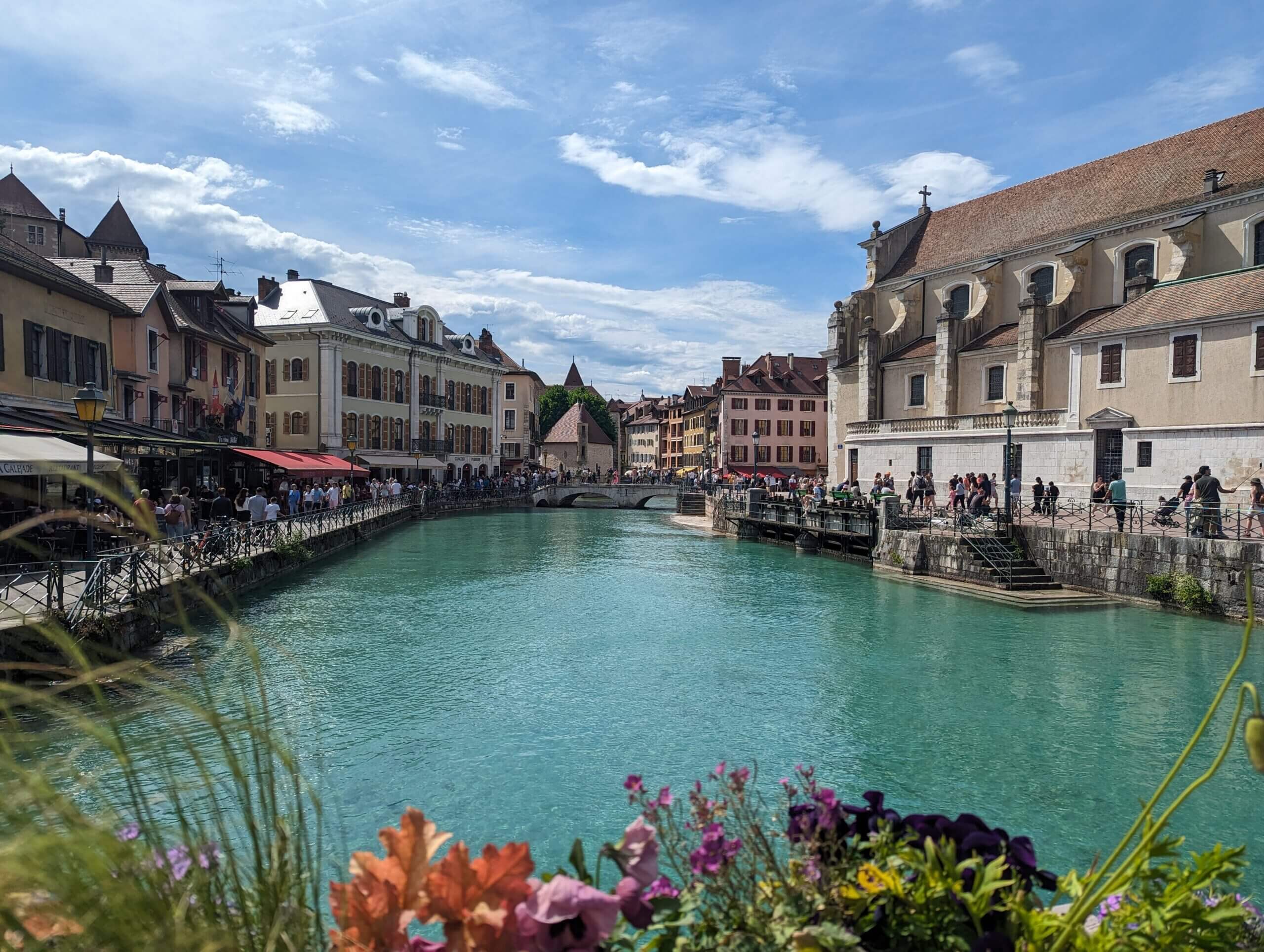
Old Town – Annecy, France
2025 Holidays – Annecy, France.
Annecy, often called the “Venice of the Alps,” is a picturesque town nestled in the Haute-Savoie region of southeastern France. This beautiful town is a unique holiday destination in Europe. As soon as I arrived, I was taken aback by the breathtaking views of Lake Annecy, surrounded by the snow-capped peaks of the Alps. The town itself is a delightful mix of medieval charm and natural beauty. Cobblestone streets, pastel-coloured buildings, and scenic canals make Annecy feel like a fairy tale come to life. With its beautiful lake, lush parks, and historic old town, Annecy is an ideal destination. Especially for those seeking a blend of outdoor adventure, relaxation, and culture. This is among the best 2025 holiday destinations.
Why Visit Annecy?
I visited Annecy in May, and the weather couldn’t have been better. I had never seen water so clear as Lake Annecy, and the charming old town was a perfect place to stroll and explore. What makes Annecy so special is its combination of natural beauty and historical richness. The town’s proximity to both the mountains and the lake offers a variety of activities. So whether you’re into hiking, cycling, or simply relaxing by the water, it has it all. It’s a peaceful, serene place to escape from the hustle and bustle of city life, yet there’s plenty to do if you want to stay active. This is my number one pick for a 2025 holiday.
Whether you’re there for a few days or a week, Annecy has a way of making you feel at home. The warmth of the locals and the laid-back atmosphere make it a lovely place to unwind while still having access to plenty of activities.
Things to Know Before You Go
Best Time to Visit: I found that visiting in May was perfect, as the weather was warm enough and the peak season wasn’t in full swing. However, Summer would offer even better weather. Equally, autumn would also be ideal for milder temperatures, especially if you’re planning to explore the surrounding nature.
Currency: Euros (EUR) are used in Annecy. ATMs are easy to find, and credit cards are widely accepted.
Language: French is the official language, but everyone is well versed in English and I had no problems communicating.
Local Transport: Annecy is small enough to explore on foot or by bike, but there’s also a good public transport system if you want to venture further. I rented a bike to cycle around and found this much better for seeing more in a short period.
Costs: Annecy can be on the pricier side, particularly during peak tourist seasons, but there are still budget-friendly options for food and accommodation. The town’s many markets and cafes offer delicious meals at reasonable prices.
Pont des Amours – Annecy, France
2025 Holidays – Things to Do in Annecy
Stroll Through the Old Town
Annecy’s old town (Vieille Ville) is an absolute gem. The cobbled streets, quaint squares, and colourful buildings were one of the first things I loved about the town. You can spend hours just wandering, discovering charming boutiques, bakeries, and hidden courtyards. Don’t miss the Palais de l’Isle, a 12th-century prison located on an island in the canal. This is one of the most photographed spots in Annecy.
Relax by Lake Annecy
One of my favourite parts of the trip was spending time by Lake Annecy. I am drawn to water but enjoy staying on land rather than getting in! But, whether you’re into water sports or just lounging by the lake, it’s a great place to relax. You can rent a pedal boat and explore the lake, enjoying the peacefulness and the surrounding views. If you prefer a more laid-back day, simply relax by the water with a picnic or take a boat tour.
Take a Boat Ride
You can take boat tour on Lake Annecy! The views of the surrounding Alps are incredible. You can also learn so much about the history of the town and the lake. There are options for short boat rides or longer cruises, some of which even include lunch.
Hike Around Mont Veyrier
If you’re into hiking, a trek up Mont Veyrier is a fantastic way to experience the region’s natural beauty. The hike offers panoramic views of Annecy and the surrounding mountains. Also, the peacefulness of the forest along the way made it a perfect escape from the town’s touristy areas.
Visit the Château d’Annecy
The Château d’Annecy is a medieval castle that offers spectacular views of the town and lake. Inside, there’s a museum showcasing the history of Annecy and the region. I found it fascinating, and the views from the castle grounds were simply breathtaking.
Explore the Markets and Local Cuisine
Annecy is famous for its food, and I couldn’t visit without sampling some local specialties. Tartiflette, a cheesy potato dish, was a favourite, and I also tried diots, a type of local sausage. Every Tuesday, Friday, and Sunday, there’s a market in the town square where you can find fresh produce, cheeses, and baked goods. It’s the perfect spot for foodies.
Cycle Around Lake Annecy
One of the highlights of my visit was cycling around Lake Annecy. I didn’t do the whole lake, but the 42 km-long bike path offers stunning views of the water and mountains. Whether you want a leisurely ride or something more challenging, the route is perfect for cyclists of all levels.
Explore other things to do in Annecy and day trips from Annecy. You can also see how I spent three days in Annecy and Geneva for under £270 here.
How to Get to Annecy from the UK
Getting to Annecy from the UK is fairly easy. The closest airport is Geneva Airport (GVA) in Switzerland, which is about 40 minutes by rental car or bus from Annecy. There are several flights from London, Manchester, and other UK cities to Geneva, with airlines like EasyJet and British Airways. From Geneva, you can take a direct bus or a shuttle to Annecy. Book your flights here.
Alternatively, if you prefer to travel by train, you can take the Eurostar from London to Paris. Then, catch a train to Annecy. The total journey time is around 6–7 hours, which makes it a pleasant and scenic option if you’re in no rush. Book your train here.
Annecy is a hidden gem which is a truly authentic and Unique holiday destination in Europe. It’s perfect for a relaxing getaway, with plenty of outdoor activities, rich history, and amazing food. Whether you’re exploring the charming old town, enjoying the views from the lake, or hiking in the nearby mountains, Annecy offers something for every type of traveller. It’s a place I would return to in a heartbeat and would highly recommend for a holiday in 2025.
Another Good Read: Best Way to Get to Lake Como from the UK
Jemaa el-Fna – Morocco, Marrakesh
2025 Holidays – Marrakech, Morocco.
If you’re looking for a unique holiday destination outside of Europe in 2025, it’s here! When I first arrived in Marrakech, Morocco I immediately understood why it’s called the “Red City.” The buildings are made from a rich terracotta-colored stone, giving the entire city a warm, earthy hue that’s even more beautiful at sunset. Located in western Morocco, at the foot of the Atlas Mountains, Marrakech offers an experience like no other. With its intricate medina, vibrant souks, and historical architecture, this city blends ancient traditions with modern energy. Whether it’s the aromatic spices in the air, the chatter in the streets, or the mesmerising sight of snake charmers in Jemaa el-Fna, Marrakech is a place that will truly engage all your senses.
Why Visit Marrakesh?
I was looking forward to visiting as I had wanted to go for a long time, but Marrakech exceeded all expectations. The moment I stepped into the city, I was immersed in the energy around me. The sounds, colours, and smells combined to create an unforgettable atmosphere. The contrasts are what make Marrakech so special — ancient palaces and bustling souks sit alongside trendy cafes and modern hotels. I quickly realized that Marrakech offers an incredible mix of experiences: historic landmarks, unique shopping opportunities, cultural encounters, and stunning scenery.
One of the most compelling reasons to visit Marrakech is its proximity to both the Sahara Desert and the Atlas Mountains, making it the perfect base for exploring Morocco’s natural beauty. I may be going back again for my own 2025 holiday.
Things to Know Before You Go
Best Time to Visit: I visited in early spring, and it was perfect. The weather was warm, but not scorching. Summer months can get really hot, so spring or autumn is definitely the best time for a visit.
Currency: The Moroccan Dirham (MAD) is used in Marrakech and is a closed currency. So you can only get hold of cash once you arrive. However, ATMs are widely available, and credit cards are accepted in many places.
Language: While Arabic is the official language, French is widely spoken, and I found that most people in the tourist areas could communicate well in English.
Local Transport: The medina is best explored on foot, and it’s easy to get lost in the maze of narrow streets. But there are also regular buses, horse-drawn carts and taxis on hand.
Costs: Marrakesh is extremely affordable but shops and markets will often charge you more as a tourist. However, it is common to haggle in these places.
Bahia Palace – Morocco, Marrakesh
2025 Holidays – Things to Do in Marrakesh
Explore Jemaa el-Fna
I spent hours at Jemaa el-Fna, the heart of Marrakech. During the day, it’s a bit quieter, but when the evening rolls around, the square comes to life with performers, food stalls, and storytellers. I had some of the best street food I’ve ever tasted here. For example, freshly squeezed orange juice and piping-hot msemen (Moroccan pancakes).
Wander Through the Medina and Souks
One of my favourite parts of Marrakech was getting lost in the medina, the old town. The souks (markets) are a maze of colourful stalls selling everything from spices to textiles. Don’t be afraid to haggle, it’s expected. But, be aware that they will be charging you tourist prices.
Visit the Bahia Palace
The Bahia Palace was one of the most beautiful buildings I’ve seen. The grandeur of the palace and its intricate tile work were breathtaking. The peaceful gardens in the centre offered a lovely escape from the hustle and bustle of the city.
Relax in the Majorelle Garden
After a day of exploring, you can make your way to the Majorelle Garden, a tranquil oasis filled with exotic plants and vibrant blue buildings. It’s the perfect place to unwind and escape the city’s heat for a few hours.
Take a Day Trip to the Atlas Mountains
Marrakech is perfectly located for day trips to the Atlas Mountains, and I was disappointed that I didn’t have the time to venture out there. You can take a guided tour to the Imlil Valley, a small Berber village. The scenery looks incredible, with snow-capped peaks and lush valleys.
Indulge in Moroccan Cuisine
If you love food, Marrakech will be a dream. I tried everything from tagine to couscous, and my personal favourite was pastilla, a flaky pastry filled with pigeon or chicken, almonds, and spices. The street food was incredible too — don’t miss the freshly grilled skewers!
Agafay Desert Fire Show
On my last night, I took an evening tour to the Agafay desert where I did a camel ride (which I didn’t enjoy too much). But, after this they served traditional food and an incredible fire show that you can also book without the camel ride.
Explore other things to do in Marrakech and Day trips from Marrakech. You can also see how I spent three days in Marrackech for under £250.
How to Get to Marrakech from the UK
I flew directly from Bristol to Marrakech Menara Airport (RAK), which took just over 3 hours. There are plenty of direct flights, so getting there is quick and easy. If you’re coming from another city in the UK, airlines like Ryanair, British Airways, and EasyJet all offer direct routes to Marrakech. Be aware, the airport is slow and chaotic, you will need a printed boarding pass for your return journey and there is no online check-in available. Book your flights here.
If you’re not keen on flying, you could take the train from London to Algeciras in southern Spain, hop on a ferry to Tangier, and then make your way down to Marrakech. It’s a long journey but a great option for those who want an adventurous route.
Marrakech is a city full of magic and mystery. It is a must for anyone looking for an authentic and unique holiday destination just outside of Europe in 2025. From its ancient history and colourful souks to its delectable food and stunning architecture, it’s a place that I’ll definitely return to. Whether you’re wandering through the medina, relaxing in a beautiful garden, or exploring the nearby mountains, Marrakech has something to offer everyone.
Ksamil, Albania
2025 Holidays – Albania.
I had heard a lot about Albania being a unique holiday destination in Europe. But when I finally visited, it completely exceeded my expectations. Nestled between Greece and Montenegro, Albania is a country that is rich in history, culture, and natural beauty, but without the overwhelming crowds that some other European destinations attract. From its stunning coastline along the Ionian and Adriatic Seas to the UNESCO-listed villages and ancient ruins, Albania is a place of incredible contrasts. I visited several key locations during my trip, including Ksamil, Butrint, Gjirokastër, Saranda, and Tirana, and I discovered why it’s becoming one of Europe’s hidden gems. Albania is more authentic than other places, and a truly unique holiday destination in Europe that you can visit in 2025.
Why Visit Albania?
What drew me to Albania was the combination of beautiful nature, historic sites, and the friendly, welcoming atmosphere of the Albanian people. The country’s small size means you can explore a lot in a short time, and each destination offers something unique. Whether you’re relaxing on pristine beaches, wandering through ancient ruins, or exploring charming old towns, there’s no shortage of experiences to keep you entertained. Albania offers great value for money too, making it an affordable yet rewarding place to visit.
I was amazed at how different each region felt, from the coastal towns to the inland towns and vibrant capital. Albania is a place where history, natural beauty, and hospitality all come together to create a truly memorable trip.
Things to Know Before You Go
Best Time to Visit: I visited in early June, and it was perfect. The weather was warm enough to enjoy the beaches, but the summer crowds hadn’t arrived yet. The ideal time for a visit is between April and June or September to October, when the weather is great, but it’s not too hot or crowded.
Currency: Albania uses the lek (ALL). While credit cards are widely accepted in the larger cities, cash is necessary for some smaller towns, so it’s always good to have some on hand. ATMs are easy to find in most places. Most places will also accept Euros.
Language: Albanian is the official language, but I found that many people, especially in touristy areas, spoke English, particularly the younger generation. The language is quite hard to learn, but it can be beneficial to know a few phrases.
Local Transport: I found buses to be the best way to get around. In cities like Tirana and Saranda, taxis and local buses are readily available. Renting a car is another great option if you want to explore at your own pace. However, the drivers are very erratic.
Costs: Albania is incredibly affordable compared to many other European countries. Accommodation, food, and activities are all reasonably priced, making it a fantastic budget destination. Although it is becoming more expensive because of the booming tourism.
Gjirokaster, Albania
2025 Holidays – Things to Do in Albania
Ksamil
Beach Paradise Ksamil was one of the highlights of my trip. Located just south of Saranda, this tiny coastal village boasts some of the best beaches I’ve seen in Europe. The water is crystal clear and perfect for swimming, and the nearby islands are ideal for a peaceful boat ride. I spent an entire afternoon lounging on the beach, enjoying the sun, and swimming in the beautiful blue waters. The area is also home to some excellent seafood restaurants.
Explore things to do in Ksamil.
Butrint: Ancient Ruins
The Butrint Archaeological Park is one of Albania’s UNESCO World Heritage Sites, and visiting it was like stepping back in time. The ruins, which date back to the Greek and Roman periods, are incredibly well-preserved. I walked through ancient temples, theaters, and baths while taking in the surrounding landscapes of lush greenery and the nearby lake. The site is both peaceful and fascinating, and I highly recommend hiring a guide to learn more about its rich history.
Gjirokastër: A UNESCO City of Stone
Gjirokastër was one of the most charming and unique holiday destinations I visited in Europe. Known for its Ottoman-era architecture, the city is perched on a hill and offers stunning views of the surrounding valley. I spent hours wandering through the cobblestone streets, exploring the Gjirokastër Castle with its impressive displays of military history. The castle also houses a weapons museum, which I found fascinating. One of the best parts of the city is simply enjoying its old-world charm, with traditional stone houses and quaint cafes. The old town in Gjirokastër felt like something out of a fairy-tale.
Explore things to do in Gjirokaster.
Saranda: Coastal Charm
I ended up spending a couple of days in Saranda, a bustling coastal city located right on the Ionian Sea. While Ksamil was more tranquil, Saranda offered a more vibrant atmosphere with its lively seafront promenade. I enjoyed taking a stroll along the beach, sipping coffee in one of the seaside cafes, and exploring the local markets. Saranda is also a great base for day trips to Blue Eye, a natural spring with striking turquoise waters, and the nearby Llogara Pass, where you can get panoramic views of the coastline.
Explore things to do in Saranda.
Tirana: The Capital City
Tirana was a bit of a contrast to the serene coastal towns. The city is filled with colourful buildings, lively squares, and a bustling energy. I visited Skanderbeg Square, the heart of the city, where you can find the National History Museum and the iconic Et’hem Bey Mosque. The city’s Bunk’Art museums, located in Cold War-era bunkers, are also a fascinating stop to learn more about Albania’s recent history. Tirana is a city in transition, with a vibrant arts scene and plenty of modern cafes and restaurants to enjoy.
Explore things to do in Tirana.
Explore other things to do in Albania.
How to Get to Albania from the UK
Getting to Albania is easy and affordable. I flew directly to Tirana International Airport from Birmingham, which took about 3 hours. Airlines like Ryanair, EasyJet, and Wizz Air offer direct flights from various UK cities. If you’re travelling from other parts of the UK, connecting flights through major European hubs like Rome or Athens are also available.
If you want to skip Tirana, I would advise flying to Corfu and getting the ferry to Saranda. Book your flights here.
If you’re coming from neighboring countries, you can easily reach Albania by bus or car. From Corfu (Greece), it’s a short ferry ride to Igoumenitsa, followed by a drive to Saranda or Tirana.
Albania is a destination that is still under the radar for many travellers, making it a unique holiday destination in Europe. Equally, it’s one of the most rewarding places I’ve visited. Whether you’re exploring ancient ruins, relaxing on beautiful beaches, or getting lost in charming old towns, Albania offers something for everyone. Its affordability, natural beauty, and welcoming people make it an ideal spot for your next adventure. You can see how I spent 4 days in Albania for £260 here.
Roman Theatre – Plovdiv, Bulgaria
2025 Holidays – Bulgaria.
Bulgaria was a destination I hadn’t initially considered for a trip, but when I decided to explore it, I quickly realised just how much the country had to offer. Located in the heart of the Balkans, Bulgaria is rich in history, culture, and stunning landscapes. Yet, it remains underrated and so, one of the most unique holiday destinations in Europe for 2025. I spent time in both Sofia, the country’s vibrant capital, and Plovdiv, one of the oldest cities in Europe, and discovered that Bulgaria is a perfect blend of ancient history, fascinating architecture, and natural beauty. It’s a country that offers something for everyone, whether you’re into history, nature, or just want to experience something new and off the beaten path.
Why Visit Bulgaria?
Bulgaria is often overlooked, but that’s part of its charm. The country offers great value for money, making it an affordable European destination. What I loved about Bulgaria was the mix of ancient ruins, lively cities, and the natural beauty that surrounds it. From the cobblestone streets and centuries-old churches of Plovdiv to the modern vibe and museums in Sofia, there’s a perfect balance of old and new to explore. The country is also home to stunning mountains, peaceful villages, and beautiful Black Sea coastline.
The friendliness of the locals and the mix of influences from the East and West added to the country’s charm, and it quickly became one of my favourite places in Europe.
Things to Know Before You Go
Best Time to Visit: I visited in February, so it was quite cold but with fewer crowds than during the summer. Spring and early autumn are the best times to visit, as the weather is great for exploring, but it’s not too hot or crowded.
Currency: The official currency is the Bulgarian lev (BGN). ATMs are widely available, and credit cards are accepted in most places, though it’s always a good idea to carry some cash for smaller businesses.
Language: The official language is Bulgarian. A lot of younger people speak English but many older people do not. The language is very difficult to learn as they use a different alphabet.
Local Transport: Bulgaria has an excellent bus and train system, which makes it easy to get from city to city. I traveled by train from Sofia to Plovdiv, which was comfortable and affordable. Taxis and public transportation are available in both cities, and renting a car is a great option if you want to explore more remote areas.
Costs: Bulgaria is very affordable, particularly when compared to Western European destinations. Accommodation, meals, and activities are all budget-friendly, which makes it an excellent destination for travellers looking to explore without breaking the bank.
2025 Holidays – Things to Do in Sofia, Bulgaria
Sofia
Sofia is a city that perfectly blends ancient and modern influences. One of the first places I visited was Alexander Nevsky Cathedral, an iconic structure with stunning golden domes and intricate mosaics. You can also explore the Boyana Church, a UNESCO World Heritage Site famous for its medieval frescoes, and the National History Museum, which showcases Bulgaria’s fascinating history. Sofia also has a bustling nightlife, so after a day of sightseeing, you can enjkoy dining at some fantastic local restaurants and bars, many of which serve Bulgarian wines and traditional dishes like banitsa (a pastry filled with cheese) and sarmi (stuffed cabbage leaves).
- Vitosha Boulevard: The main shopping street, full of cafes, restaurants, and boutiques, is perfect for a leisurely stroll.
- Vitosha Mountain: If you enjoy hiking or skiing, the mountain right on Sofia’s doorstep offers great opportunities for outdoor activities.
- The Roman Baths: Located in the city center, these Roman ruins are an excellent glimpse into Sofia’s past.
Explore other things to do in Sofia and day trips from Sofia.
Things to Do in Plovdiv, Bulgaria
Plovdiv
Known as one of the oldest cities in Europe, Plovdiv is a unique holiday destination in Europe. It offers a fascinating combination of Roman ruins, Ottoman-era architecture, and modern art. I loved walking through the Old Town, where I discovered cobblestone streets, colourful houses, and historic Roman theatres. One of my favourite spots in Plovdiv was the Roman Theatre of Plovdiv, an ancient amphitheater that is still used for performances today. The views of the city from the theatre are incredible, and it’s easy to imagine the ancient crowds who once gathered here. Plovdiv also has a thriving art scene.
- Old Town: Spend time exploring the cobblestone streets, colourful houses, and ethnographic museums.
- Plovdiv Roman Stadium: A fascinating ruin where you can see the remnants of an ancient stadium right in the middle of the city.
- Kapana District: This artsy area is home to a variety of galleries, cafes, and street art, perfect for wandering and relaxing.
- Plovdiv Ethnographic Museum: Located in a beautifully preserved house, it showcases the traditional Bulgarian way of life.
Explore the Rila Monastery
The Rila Monastery, a UNESCO World Heritage Site, is one of Bulgaria’s most famous landmarks. Located in the Rila Mountains, this 10th-century monastery is stunning and offers insight into Bulgaria’s Orthodox Christian heritage. It’s a perfect day trip from Sofia. I took a day trip here from Sofia and I would highly recommend it if you enjoy history, architecture, and nature.
Explore other things to do in Plovdiv and Bulgaria.
How to Get to Bulgaria from the UK
Getting to Bulgaria is simple and affordable. I flew directly into Sofia Airport from Bristol, which took about 3 hours. EasyJet, Wizz Air, and British Airways offer direct flights from several UK cities, including London, Manchester, and Birmingham. If you’re flying into Plovdiv, flights are available with connecting routes through Sofia. Bulgaria’s excellent bus and train systems make it easy to travel between cities, so once you’re there, getting around is a breeze. Book your flights here.
Bulgaria turned out to be one of the most rewarding travel destinations I’ve experienced. The country is filled with history, beauty, and friendly people, and it offers incredible value for money. Whether you’re exploring ancient ruins, hiking through mountains, or soaking up the atmosphere of vibrant cities like Sofia and Plovdiv, Bulgaria has so much to offer. It’s ideal for travellers looking for a unique 2025 holiday destination in Europe. You can see how I spent four days in Bulgaria for under £250 here.
Trakai, Lithuania
2025 Holidays – Lithuania.
Lithuania was a country I hadn’t really thought much about until I decided to explore the Baltic States. Known for its rich history, stunning architecture, and natural beauty, Lithuania quickly became one of my favorite places in Northern Europe. Vilnius, the capital, was a charming and vibrant city, while Kaunas, Lithuania’s second-largest city, offered a blend of tradition and modernity. But Lithuania has much more to offer than just its cities, with peaceful lakes, beautiful forests, and incredible UNESCO sites. Whether you’re into history, nature, or art, Lithuania offers a little bit of everything and is a truly unique holiday destination in Europe.
Why Visit Lithuania?
What I loved most about Lithuania was the feeling of being off the beaten path while still having access to incredible cultural experiences. Compared to other European capitals, Vilnius felt laid-back and relaxed, yet full of life and history. Kaunas had a youthful energy, thanks to its growing arts scene and vibrant street culture. And beyond the cities, Lithuania has beautiful natural landscapes — from the Curonian Spit and its sand dunes to peaceful lakes and thick forests. Lithuania is incredibly affordable compared to other European destinations, making it a great choice for budget-conscious travellers.
Things to Know Before You Go
Best Time to Visit: I visited in December for the Christmas markets so it was bitterly cold, I soon found out why people say ‘it’s baltic’ when it’s cold. If you’re not looking for a winter experience, the best time to visit is between May and September if you want pleasant weather, but spring and autumn are ideal for avoiding crowds.
Currency: Lithuania uses the euro (€). Credit cards are widely accepted in cities, but it’s always good to have some cash on hand for smaller purchases.
Language: The official language is Lithuanian, one of the oldest and most unique languages in Europe. While most people in the cities speak English, especially younger generations, it’s helpful to learn a few basic Lithuanian phrases to connect with locals.
Local Transport: I found public transportation in Vilnius and Kaunas to be very efficient, with buses and trolleybuses easily getting me around. Taxis and ride-sharing apps are also widely available. If you want to explore the countryside, renting a car is a good option.
Costs: Lithuania is one of the more affordable countries in Northern Europe although prices have increased since joining the EU. Accommodation, food, and activities are relatively inexpensive compared to destinations like Scandinavia or Western Europe. A meal in a restaurant will cost you a fraction of what you’d pay in other European capitals.
Old Town Vilnius, Lithuania
2025 Holidays – Things to Do in Lithuania
Vilnius
The Charming Capital Vilnius surprised me with its mixture of old-world charm and modern energy. The Old Town of Vilnius is a UNESCO World Heritage Site, and I spent hours wandering through its narrow streets, past medieval buildings, baroque churches, and cosy cafes. The Vilnius Cathedral and Gediminas Tower are must-visit sites, offering panoramic views of the city. I especially loved the quirky Uzupis district, a self-proclaimed “Republic” with a bohemian vibe, full of art galleries, murals, and cafes.
Things to do in Vilnius
Vilnius Cathedral and Bell Tower: Visit the iconic cathedral and climb the bell tower for a fantastic view of the city.
Gediminas Castle and Tower: Climb to the top for views over the old town and the Neris River.
Uzupis: Explore this artsy district with its own constitution and quirky atmosphere.
The Museum of Occupations and Freedom Fights: A deeply moving museum in a former KGB building that tells Lithuania’s history under Soviet occupation.
Trakai Day Trip: A Fairytale Castle Just a short distance from Vilnius is Trakai, a picturesque town known for its stunning medieval castle. The Trakai Castle, set on an island in the middle of Lake Galvė, looks like something straight out of a fairytale. I took a boat tour around the lake for the best views of the castle and the surrounding landscape. The town of Trakai itself is also charming, with cobblestone streets and a rich history, particularly tied to the Grand Duchy of Lithuania.
Discover other things to do in Vilnius and day trips from Vilnius.
Kaunas
After Vilnius, I headed to Kaunas, Lithuania’s second-largest city. Kaunas has a young, lively vibe, thanks to its growing arts and cultural scene. One of my favourite spots was Laisvės Alėja (Liberty Avenue), a long pedestrian street lined with cafes, restaurants, and shops. The Old Town is full of historic buildings, including the Kaunas Castle, which dates back to the 14th century. The city is also home to the impressive Maironis Lithuanian Literature Museum and the Devil’s Museum, an offbeat museum dedicated to sculptures and depictions of devils from around the world.
Things to do in Kaunas
Kaunas Castle: Explore this medieval castle and its surroundings.
Laisvės Alėja: A vibrant, tree-lined street perfect for strolling and people-watching.
The Ninth Fort: A sobering historical site that tells the story of Lithuania’s struggle during World War II and Soviet occupation.
Zoological Garden: A lovely zoo located in a forest area just outside the city.
Explore other things to do in Kaunas and day trips from Kaunas.
Other things to do in Lithuania.
How to Get to Lithuania from the UK
Getting to Lithuania from the UK is straightforward and affordable. I flew directly from London to Vilnius, with budget airlines like Wizz Air and Ryanair offering direct flights that take around 2.5 to 3 hours. Both Vilnius and Kaunas have international airports, and flights to both cities are available from various UK airports, including London, Manchester, and Birmingham. If you’re flying into one city and plan to explore the other, it’s easy to travel by train or bus, which are both efficient and affordable. Book your flights here.
Lithuania truly surprised me with its charm and beauty. The country’s mix of history, culture, and natural landscapes makes it an ideal destination for anyone seeking an off-the-beaten-path European experience. Whether you’re wandering through the Old Town of Vilnius, soaking up the energy in Kaunas, or exploring the serene landscapes of the Curonian Spit, Lithuania offers a little something for every type of traveler. It’s a destination that’s rich in experiences but not yet overwhelmed by crowds, making it a perfect unique holiday destination in Europe. You can see how I spent four days in Lithuania for less than £250 here.
Uzupis – Vilnius, Lithuania
2025 Holidays – Italy
Italy needs no introduction, but I found Lake Como to be a truly unique holiday destination in Europe that feels a world away from the usual tourist hotspots. Tucked up in the northern region of Lombardy, near the border with Switzerland, Lake Como is a deep, glacial lake surrounded by snow-dusted peaks and picturesque towns. I visited in early April, and it was one of the most peaceful trips I’ve ever taken. The views from the water are unlike anywhere else, with colourful villas clinging to steep hillsides, lush gardens, and quaint cobbled streets.
Lake Como isn’t just about glamour and celebrity sightings — although you may spot a few. It’s a region rich in natural beauty, charming villages, and a slower pace of life that encourages you to relax, take your time, and savour every moment. If you’re after a romantic or scenic 2025 getaway that doesn’t feel overly commercial, Lake Como should be at the top of your list.
Why Visit Lake Como?
What struck me most was how different Lake Como felt from other places in Italy I had visited. While the likes of Rome and Venice are undoubtedly beautiful, Lake Como offers a different kind of escape — quiet, scenic, and deeply relaxing. It’s the kind of place where you can spend hours doing very little, and feel absolutely content. I stayed in the town of Varenna, which is smaller and less visited than Como or Bellagio, but possibly more charming. The sunsets there were something else.
What makes Lake Como a standout 2025 holiday destination is how easy it is to combine nature, culture, and a touch of luxury — all in one spot. Whether you’re exploring lakeside villas, taking a boat between villages, or sipping coffee in a tiny piazza, there’s something uniquely soothing about it all.
Things to Know Before You Go
Best Time to Visit: I went in early spring, and it was perfect. Fewer crowds, pleasant weather, and the cherry blossoms made the landscapes feel even more magical. May to early June or September is ideal. July and August are much busier and pricier.
Currency: Italy uses the Euro (€). Card payments are accepted almost everywhere, but it’s always useful to carry small cash, especially for ferry rides and cafes.
Language: Italian is the official language, and while some locals speak English — especially in hotels and tourist spots — a few basic Italian phrases go a long way.
Local Transport: Ferries are the best way to explore towns around the lake. Trains run from Milan to Varenna, Como, and Lecco, and I found them affordable and efficient. Buses also connect many villages, though timings can be infrequent.
Costs: Lake Como is on the pricier side, especially Bellagio and Como town. But staying in smaller places like Varenna, Menaggio, or Lezzeno offers better value. You can easily enjoy the area without spending a fortune — many of the best experiences are free.
2025 Holidays – Things to Do in Lake Como, Italy
Wander Through Varenna
This was the town I stayed in, and I’d choose it again in a heartbeat. With narrow lanes, pastel-coloured buildings, and a peaceful lakeside promenade, it feels untouched by time. The gardens at Villa Monastero are breathtaking — and the views from there are postcard-perfect.
Take a Ferry Across the Lake
One of the best parts of my trip was hopping on a ferry to explore nearby towns. The rides themselves are an experience — calm water, fresh air, and stunning scenery. Bellagio, Menaggio, and Tremezzo are all worth visiting. Ferries are frequent, and day passes are great value.
Visit Villa del Balbianello
Arguably the most iconic villa on Lake Como, and rightly so. You might recognise it from Star Wars or James Bond, but nothing compares to seeing it in person. Surrounded by manicured gardens and perched on a promontory, it’s the kind of place you’ll remember forever.
Enjoy Aperitivo with a View
Every evening, I’d sit by the water with a spritz or glass of local wine and watch the sun dip behind the mountains. Aperitivo hour is sacred in Italy — a moment to slow down, snack on olives or bruschetta, and just take it all in.
Take a Day Trip to Milan
If you’re flying into Milan anyway, it makes sense to spend a day in the city. Only an hour away by train, Milan offers fashion, architecture, and amazing food. I spent half a day exploring the Duomo and Galleria Vittorio Emanuele II before heading to Lake Como.
Stroll the Greenway del Lago di Como
This scenic walking trail links several lakeside villages, offering views of villas, forests, and the lake. I did a section of it between Colonno and Lenno — quiet, well-marked, and absolutely stunning.
How to Get to Lake Como from the UK
Getting to Lake Como is easy. I flew into Milan Malpensa Airport and then took a direct train to Varenna via Milano Centrale. The whole journey took just under 2 hours. You can also fly into Milan Linate or Bergamo, both well-connected to the lake region.
Alternatively, you could drive if you’re planning a broader Italian road trip — but honestly, with trains and ferries running so efficiently, it’s not necessary unless you’re heading deep into the mountains. Book your flights here.
Lake Como was one of the most peaceful and breathtaking places I visited during 2024, and I’d go back without hesitation. It has just the right mix of beauty, tranquillity, and charm that makes it ideal for a unique 2025 holiday in Europe. Whether you’re travelling solo, with a partner, or friends, it’s a destination that lingers with you long after you’ve left.
2025 Holidays – Outro
2025 is the perfect time to explore destinations that offer more than just the usual sights. Whether you’re looking for a rich cultural experience, stunning landscapes, or a chance to connect with locals. These five unique and authentic holiday destinations are waiting to be discovered in Europe and North Africa in 2025. Each one offers a different perspective on what travel can be, and I hope this list has inspired you. Don’t just follow the crowds — create your own unforgettable journey to one of these hidden gems. The world is full of amazing places just waiting for you to explore. So, where will you go in 2025?
2025 is in full swing, and many of us have been wondering where we should go next. Throughout 2024, I visited some incredible unique holiday destinations in Europe and North Africa. So, I have put together everything you need to know about these 5 destinations for your 2025 holidays. From charming towns steeped in history to hidden natural wonders that seem like they’ve been untouched. These five destinations offer something truly special. I’ll give you the reasons you need to visit, things you need to do and the important things you need to know.
Old Town – Annecy, France
2025 Holidays – Annecy, France.
Annecy, often called the “Venice of the Alps,” is a picturesque town nestled in the Haute-Savoie region of southeastern France. This beautiful town is a unique holiday destination in Europe. As soon as I arrived, I was taken aback by the breathtaking views of Lake Annecy, surrounded by the snow-capped peaks of the Alps. The town itself is a delightful mix of medieval charm and natural beauty. Cobblestone streets, pastel-coloured buildings, and scenic canals make Annecy feel like a fairy tale come to life. With its beautiful lake, lush parks, and historic old town, Annecy is an ideal destination. Especially for those seeking a blend of outdoor adventure, relaxation, and culture. This is among the best 2025 holiday destinations.
Why Visit Annecy?
I visited Annecy in May, and the weather couldn’t have been better. I had never seen water so clear as Lake Annecy, and the charming old town was a perfect place to stroll and explore. What makes Annecy so special is its combination of natural beauty and historical richness. The town’s proximity to both the mountains and the lake offers a variety of activities. So whether you’re into hiking, cycling, or simply relaxing by the water, it has it all. It’s a peaceful, serene place to escape from the hustle and bustle of city life, yet there’s plenty to do if you want to stay active. This is my number one pick for a 2025 holiday.
Whether you’re there for a few days or a week, Annecy has a way of making you feel at home. The warmth of the locals and the laid-back atmosphere make it a lovely place to unwind while still having access to plenty of activities.
Things to Know Before You Go
Best Time to Visit: I found that visiting in May was perfect, as the weather was warm enough and the peak season wasn’t in full swing. However, Summer would offer even better weather. Equally, autumn would also be ideal for milder temperatures, especially if you’re planning to explore the surrounding nature.
Currency: Euros (EUR) are used in Annecy. ATMs are easy to find, and credit cards are widely accepted.
Language: French is the official language, but everyone is well versed in English and I had no problems communicating.
Local Transport: Annecy is small enough to explore on foot or by bike, but there’s also a good public transport system if you want to venture further. I rented a bike to cycle around and found this much better for seeing more in a short period.
Costs: Annecy can be on the pricier side, particularly during peak tourist seasons, but there are still budget-friendly options for food and accommodation. The town’s many markets and cafes offer delicious meals at reasonable prices.
Pont des Amours – Annecy, France
2025 Holidays – Things to Do in Annecy
Stroll Through the Old Town
Annecy’s old town (Vieille Ville) is an absolute gem. The cobbled streets, quaint squares, and colourful buildings were one of the first things I loved about the town. You can spend hours just wandering, discovering charming boutiques, bakeries, and hidden courtyards. Don’t miss the Palais de l’Isle, a 12th-century prison located on an island in the canal. This is one of the most photographed spots in Annecy.
Relax by Lake Annecy
One of my favourite parts of the trip was spending time by Lake Annecy. I am drawn to water but enjoy staying on land rather than getting in! But, whether you’re into water sports or just lounging by the lake, it’s a great place to relax. You can rent a pedal boat and explore the lake, enjoying the peacefulness and the surrounding views. If you prefer a more laid-back day, simply relax by the water with a picnic or take a boat tour.
Take a Boat Ride
You can take boat tour on Lake Annecy! The views of the surrounding Alps are incredible. You can also learn so much about the history of the town and the lake. There are options for short boat rides or longer cruises, some of which even include lunch.
Hike Around Mont Veyrier
If you’re into hiking, a trek up Mont Veyrier is a fantastic way to experience the region’s natural beauty. The hike offers panoramic views of Annecy and the surrounding mountains. Also, the peacefulness of the forest along the way made it a perfect escape from the town’s touristy areas.
Visit the Château d’Annecy
The Château d’Annecy is a medieval castle that offers spectacular views of the town and lake. Inside, there’s a museum showcasing the history of Annecy and the region. I found it fascinating, and the views from the castle grounds were simply breathtaking.
Explore the Markets and Local Cuisine
Annecy is famous for its food, and I couldn’t visit without sampling some local specialties. Tartiflette, a cheesy potato dish, was a favourite, and I also tried diots, a type of local sausage. Every Tuesday, Friday, and Sunday, there’s a market in the town square where you can find fresh produce, cheeses, and baked goods. It’s the perfect spot for foodies.
Cycle Around Lake Annecy
One of the highlights of my visit was cycling around Lake Annecy. I didn’t do the whole lake, but the 42 km-long bike path offers stunning views of the water and mountains. Whether you want a leisurely ride or something more challenging, the route is perfect for cyclists of all levels.
Explore other things to do in Annecy and day trips from Annecy. You can also see how I spent three days in Annecy and Geneva for under £270 here.
How to Get to Annecy from the UK
Getting to Annecy from the UK is fairly easy. The closest airport is Geneva Airport (GVA) in Switzerland, which is about 40 minutes by rental car or bus from Annecy. There are several flights from London, Manchester, and other UK cities to Geneva, with airlines like EasyJet and British Airways. From Geneva, you can take a direct bus or a shuttle to Annecy. Book your flights here.
Alternatively, if you prefer to travel by train, you can take the Eurostar from London to Paris. Then, catch a train to Annecy. The total journey time is around 6–7 hours, which makes it a pleasant and scenic option if you’re in no rush. Book your train here.
Annecy is a hidden gem which is a truly authentic and Unique holiday destination in Europe. It’s perfect for a relaxing getaway, with plenty of outdoor activities, rich history, and amazing food. Whether you’re exploring the charming old town, enjoying the views from the lake, or hiking in the nearby mountains, Annecy offers something for every type of traveller. It’s a place I would return to in a heartbeat and would highly recommend for a holiday in 2025.
Another Good Read: Best Way to Get to Lake Como from the UK
Jemaa el-Fna – Morocco, Marrakesh
2025 Holidays – Marrakech, Morocco.
If you’re looking for a unique holiday destination outside of Europe in 2025, it’s here! When I first arrived in Marrakech, Morocco I immediately understood why it’s called the “Red City.” The buildings are made from a rich terracotta-colored stone, giving the entire city a warm, earthy hue that’s even more beautiful at sunset. Located in western Morocco, at the foot of the Atlas Mountains, Marrakech offers an experience like no other. With its intricate medina, vibrant souks, and historical architecture, this city blends ancient traditions with modern energy. Whether it’s the aromatic spices in the air, the chatter in the streets, or the mesmerising sight of snake charmers in Jemaa el-Fna, Marrakech is a place that will truly engage all your senses.
Why Visit Marrakesh?
I was looking forward to visiting as I had wanted to go for a long time, but Marrakech exceeded all expectations. The moment I stepped into the city, I was immersed in the energy around me. The sounds, colours, and smells combined to create an unforgettable atmosphere. The contrasts are what make Marrakech so special — ancient palaces and bustling souks sit alongside trendy cafes and modern hotels. I quickly realized that Marrakech offers an incredible mix of experiences: historic landmarks, unique shopping opportunities, cultural encounters, and stunning scenery.
One of the most compelling reasons to visit Marrakech is its proximity to both the Sahara Desert and the Atlas Mountains, making it the perfect base for exploring Morocco’s natural beauty. I may be going back again for my own 2025 holiday.
Things to Know Before You Go
Best Time to Visit: I visited in early spring, and it was perfect. The weather was warm, but not scorching. Summer months can get really hot, so spring or autumn is definitely the best time for a visit.
Currency: The Moroccan Dirham (MAD) is used in Marrakech and is a closed currency. So you can only get hold of cash once you arrive. However, ATMs are widely available, and credit cards are accepted in many places.
Language: While Arabic is the official language, French is widely spoken, and I found that most people in the tourist areas could communicate well in English.
Local Transport: The medina is best explored on foot, and it’s easy to get lost in the maze of narrow streets. But there are also regular buses, horse-drawn carts and taxis on hand.
Costs: Marrakesh is extremely affordable but shops and markets will often charge you more as a tourist. However, it is common to haggle in these places.
Bahia Palace – Morocco, Marrakesh
2025 Holidays – Things to Do in Marrakesh
Explore Jemaa el-Fna
I spent hours at Jemaa el-Fna, the heart of Marrakech. During the day, it’s a bit quieter, but when the evening rolls around, the square comes to life with performers, food stalls, and storytellers. I had some of the best street food I’ve ever tasted here. For example, freshly squeezed orange juice and piping-hot msemen (Moroccan pancakes).
Wander Through the Medina and Souks
One of my favourite parts of Marrakech was getting lost in the medina, the old town. The souks (markets) are a maze of colourful stalls selling everything from spices to textiles. Don’t be afraid to haggle, it’s expected. But, be aware that they will be charging you tourist prices.
Visit the Bahia Palace
The Bahia Palace was one of the most beautiful buildings I’ve seen. The grandeur of the palace and its intricate tile work were breathtaking. The peaceful gardens in the centre offered a lovely escape from the hustle and bustle of the city.
Relax in the Majorelle Garden
After a day of exploring, you can make your way to the Majorelle Garden, a tranquil oasis filled with exotic plants and vibrant blue buildings. It’s the perfect place to unwind and escape the city’s heat for a few hours.
Take a Day Trip to the Atlas Mountains
Marrakech is perfectly located for day trips to the Atlas Mountains, and I was disappointed that I didn’t have the time to venture out there. You can take a guided tour to the Imlil Valley, a small Berber village. The scenery looks incredible, with snow-capped peaks and lush valleys.
Indulge in Moroccan Cuisine
If you love food, Marrakech will be a dream. I tried everything from tagine to couscous, and my personal favourite was pastilla, a flaky pastry filled with pigeon or chicken, almonds, and spices. The street food was incredible too — don’t miss the freshly grilled skewers!
Agafay Desert Fire Show
On my last night, I took an evening tour to the Agafay desert where I did a camel ride (which I didn’t enjoy too much). But, after this they served traditional food and an incredible fire show that you can also book without the camel ride.
Explore other things to do in Marrakech and Day trips from Marrakech. You can also see how I spent three days in Marrackech for under £250.
How to Get to Marrakech from the UK
I flew directly from Bristol to Marrakech Menara Airport (RAK), which took just over 3 hours. There are plenty of direct flights, so getting there is quick and easy. If you’re coming from another city in the UK, airlines like Ryanair, British Airways, and EasyJet all offer direct routes to Marrakech. Be aware, the airport is slow and chaotic, you will need a printed boarding pass for your return journey and there is no online check-in available. Book your flights here.
If you’re not keen on flying, you could take the train from London to Algeciras in southern Spain, hop on a ferry to Tangier, and then make your way down to Marrakech. It’s a long journey but a great option for those who want an adventurous route.
Marrakech is a city full of magic and mystery. It is a must for anyone looking for an authentic and unique holiday destination just outside of Europe in 2025. From its ancient history and colourful souks to its delectable food and stunning architecture, it’s a place that I’ll definitely return to. Whether you’re wandering through the medina, relaxing in a beautiful garden, or exploring the nearby mountains, Marrakech has something to offer everyone.
Ksamil, Albania
2025 Holidays – Albania.
I had heard a lot about Albania being a unique holiday destination in Europe. But when I finally visited, it completely exceeded my expectations. Nestled between Greece and Montenegro, Albania is a country that is rich in history, culture, and natural beauty, but without the overwhelming crowds that some other European destinations attract. From its stunning coastline along the Ionian and Adriatic Seas to the UNESCO-listed villages and ancient ruins, Albania is a place of incredible contrasts. I visited several key locations during my trip, including Ksamil, Butrint, Gjirokastër, Saranda, and Tirana, and I discovered why it’s becoming one of Europe’s hidden gems. Albania is more authentic than other places, and a truly unique holiday destination in Europe that you can visit in 2025.
Why Visit Albania?
What drew me to Albania was the combination of beautiful nature, historic sites, and the friendly, welcoming atmosphere of the Albanian people. The country’s small size means you can explore a lot in a short time, and each destination offers something unique. Whether you’re relaxing on pristine beaches, wandering through ancient ruins, or exploring charming old towns, there’s no shortage of experiences to keep you entertained. Albania offers great value for money too, making it an affordable yet rewarding place to visit.
I was amazed at how different each region felt, from the coastal towns to the inland towns and vibrant capital. Albania is a place where history, natural beauty, and hospitality all come together to create a truly memorable trip.
Things to Know Before You Go
Best Time to Visit: I visited in early June, and it was perfect. The weather was warm enough to enjoy the beaches, but the summer crowds hadn’t arrived yet. The ideal time for a visit is between April and June or September to October, when the weather is great, but it’s not too hot or crowded.
Currency: Albania uses the lek (ALL). While credit cards are widely accepted in the larger cities, cash is necessary for some smaller towns, so it’s always good to have some on hand. ATMs are easy to find in most places. Most places will also accept Euros.
Language: Albanian is the official language, but I found that many people, especially in touristy areas, spoke English, particularly the younger generation. The language is quite hard to learn, but it can be beneficial to know a few phrases.
Local Transport: I found buses to be the best way to get around. In cities like Tirana and Saranda, taxis and local buses are readily available. Renting a car is another great option if you want to explore at your own pace. However, the drivers are very erratic.
Costs: Albania is incredibly affordable compared to many other European countries. Accommodation, food, and activities are all reasonably priced, making it a fantastic budget destination. Although it is becoming more expensive because of the booming tourism.
Gjirokaster, Albania
2025 Holidays – Things to Do in Albania
Ksamil
Beach Paradise Ksamil was one of the highlights of my trip. Located just south of Saranda, this tiny coastal village boasts some of the best beaches I’ve seen in Europe. The water is crystal clear and perfect for swimming, and the nearby islands are ideal for a peaceful boat ride. I spent an entire afternoon lounging on the beach, enjoying the sun, and swimming in the beautiful blue waters. The area is also home to some excellent seafood restaurants.
Explore things to do in Ksamil.
Butrint: Ancient Ruins
The Butrint Archaeological Park is one of Albania’s UNESCO World Heritage Sites, and visiting it was like stepping back in time. The ruins, which date back to the Greek and Roman periods, are incredibly well-preserved. I walked through ancient temples, theaters, and baths while taking in the surrounding landscapes of lush greenery and the nearby lake. The site is both peaceful and fascinating, and I highly recommend hiring a guide to learn more about its rich history.
Gjirokastër: A UNESCO City of Stone
Gjirokastër was one of the most charming and unique holiday destinations I visited in Europe. Known for its Ottoman-era architecture, the city is perched on a hill and offers stunning views of the surrounding valley. I spent hours wandering through the cobblestone streets, exploring the Gjirokastër Castle with its impressive displays of military history. The castle also houses a weapons museum, which I found fascinating. One of the best parts of the city is simply enjoying its old-world charm, with traditional stone houses and quaint cafes. The old town in Gjirokastër felt like something out of a fairy-tale.
Explore things to do in Gjirokaster.
Saranda: Coastal Charm
I ended up spending a couple of days in Saranda, a bustling coastal city located right on the Ionian Sea. While Ksamil was more tranquil, Saranda offered a more vibrant atmosphere with its lively seafront promenade. I enjoyed taking a stroll along the beach, sipping coffee in one of the seaside cafes, and exploring the local markets. Saranda is also a great base for day trips to Blue Eye, a natural spring with striking turquoise waters, and the nearby Llogara Pass, where you can get panoramic views of the coastline.
Explore things to do in Saranda.
Tirana: The Capital City
Tirana was a bit of a contrast to the serene coastal towns. The city is filled with colourful buildings, lively squares, and a bustling energy. I visited Skanderbeg Square, the heart of the city, where you can find the National History Museum and the iconic Et’hem Bey Mosque. The city’s Bunk’Art museums, located in Cold War-era bunkers, are also a fascinating stop to learn more about Albania’s recent history. Tirana is a city in transition, with a vibrant arts scene and plenty of modern cafes and restaurants to enjoy.
Explore things to do in Tirana.
Explore other things to do in Albania.
How to Get to Albania from the UK
Getting to Albania is easy and affordable. I flew directly to Tirana International Airport from Birmingham, which took about 3 hours. Airlines like Ryanair, EasyJet, and Wizz Air offer direct flights from various UK cities. If you’re travelling from other parts of the UK, connecting flights through major European hubs like Rome or Athens are also available.
If you want to skip Tirana, I would advise flying to Corfu and getting the ferry to Saranda. Book your flights here.
If you’re coming from neighboring countries, you can easily reach Albania by bus or car. From Corfu (Greece), it’s a short ferry ride to Igoumenitsa, followed by a drive to Saranda or Tirana.
Albania is a destination that is still under the radar for many travellers, making it a unique holiday destination in Europe. Equally, it’s one of the most rewarding places I’ve visited. Whether you’re exploring ancient ruins, relaxing on beautiful beaches, or getting lost in charming old towns, Albania offers something for everyone. Its affordability, natural beauty, and welcoming people make it an ideal spot for your next adventure. You can see how I spent 4 days in Albania for £260 here.
Roman Theatre – Plovdiv, Bulgaria
2025 Holidays – Bulgaria.
Bulgaria was a destination I hadn’t initially considered for a trip, but when I decided to explore it, I quickly realised just how much the country had to offer. Located in the heart of the Balkans, Bulgaria is rich in history, culture, and stunning landscapes. Yet, it remains underrated and so, one of the most unique holiday destinations in Europe for 2025. I spent time in both Sofia, the country’s vibrant capital, and Plovdiv, one of the oldest cities in Europe, and discovered that Bulgaria is a perfect blend of ancient history, fascinating architecture, and natural beauty. It’s a country that offers something for everyone, whether you’re into history, nature, or just want to experience something new and off the beaten path.
Why Visit Bulgaria?
Bulgaria is often overlooked, but that’s part of its charm. The country offers great value for money, making it an affordable European destination. What I loved about Bulgaria was the mix of ancient ruins, lively cities, and the natural beauty that surrounds it. From the cobblestone streets and centuries-old churches of Plovdiv to the modern vibe and museums in Sofia, there’s a perfect balance of old and new to explore. The country is also home to stunning mountains, peaceful villages, and beautiful Black Sea coastline.
The friendliness of the locals and the mix of influences from the East and West added to the country’s charm, and it quickly became one of my favourite places in Europe.
Things to Know Before You Go
Best Time to Visit: I visited in February, so it was quite cold but with fewer crowds than during the summer. Spring and early autumn are the best times to visit, as the weather is great for exploring, but it’s not too hot or crowded.
Currency: The official currency is the Bulgarian lev (BGN). ATMs are widely available, and credit cards are accepted in most places, though it’s always a good idea to carry some cash for smaller businesses.
Language: The official language is Bulgarian. A lot of younger people speak English but many older people do not. The language is very difficult to learn as they use a different alphabet.
Local Transport: Bulgaria has an excellent bus and train system, which makes it easy to get from city to city. I traveled by train from Sofia to Plovdiv, which was comfortable and affordable. Taxis and public transportation are available in both cities, and renting a car is a great option if you want to explore more remote areas.
Costs: Bulgaria is very affordable, particularly when compared to Western European destinations. Accommodation, meals, and activities are all budget-friendly, which makes it an excellent destination for travellers looking to explore without breaking the bank.
2025 Holidays – Things to Do in Sofia, Bulgaria
Sofia
Sofia is a city that perfectly blends ancient and modern influences. One of the first places I visited was Alexander Nevsky Cathedral, an iconic structure with stunning golden domes and intricate mosaics. You can also explore the Boyana Church, a UNESCO World Heritage Site famous for its medieval frescoes, and the National History Museum, which showcases Bulgaria’s fascinating history. Sofia also has a bustling nightlife, so after a day of sightseeing, you can enjkoy dining at some fantastic local restaurants and bars, many of which serve Bulgarian wines and traditional dishes like banitsa (a pastry filled with cheese) and sarmi (stuffed cabbage leaves).
- Vitosha Boulevard: The main shopping street, full of cafes, restaurants, and boutiques, is perfect for a leisurely stroll.
- Vitosha Mountain: If you enjoy hiking or skiing, the mountain right on Sofia’s doorstep offers great opportunities for outdoor activities.
- The Roman Baths: Located in the city center, these Roman ruins are an excellent glimpse into Sofia’s past.
Explore other things to do in Sofia and day trips from Sofia.
Things to Do in Plovdiv, Bulgaria
Plovdiv
Known as one of the oldest cities in Europe, Plovdiv is a unique holiday destination in Europe. It offers a fascinating combination of Roman ruins, Ottoman-era architecture, and modern art. I loved walking through the Old Town, where I discovered cobblestone streets, colourful houses, and historic Roman theatres. One of my favourite spots in Plovdiv was the Roman Theatre of Plovdiv, an ancient amphitheater that is still used for performances today. The views of the city from the theatre are incredible, and it’s easy to imagine the ancient crowds who once gathered here. Plovdiv also has a thriving art scene.
- Old Town: Spend time exploring the cobblestone streets, colourful houses, and ethnographic museums.
- Plovdiv Roman Stadium: A fascinating ruin where you can see the remnants of an ancient stadium right in the middle of the city.
- Kapana District: This artsy area is home to a variety of galleries, cafes, and street art, perfect for wandering and relaxing.
- Plovdiv Ethnographic Museum: Located in a beautifully preserved house, it showcases the traditional Bulgarian way of life.
Explore the Rila Monastery
The Rila Monastery, a UNESCO World Heritage Site, is one of Bulgaria’s most famous landmarks. Located in the Rila Mountains, this 10th-century monastery is stunning and offers insight into Bulgaria’s Orthodox Christian heritage. It’s a perfect day trip from Sofia. I took a day trip here from Sofia and I would highly recommend it if you enjoy history, architecture, and nature.
Explore other things to do in Plovdiv and Bulgaria.
How to Get to Bulgaria from the UK
Getting to Bulgaria is simple and affordable. I flew directly into Sofia Airport from Bristol, which took about 3 hours. EasyJet, Wizz Air, and British Airways offer direct flights from several UK cities, including London, Manchester, and Birmingham. If you’re flying into Plovdiv, flights are available with connecting routes through Sofia. Bulgaria’s excellent bus and train systems make it easy to travel between cities, so once you’re there, getting around is a breeze. Book your flights here.
Bulgaria turned out to be one of the most rewarding travel destinations I’ve experienced. The country is filled with history, beauty, and friendly people, and it offers incredible value for money. Whether you’re exploring ancient ruins, hiking through mountains, or soaking up the atmosphere of vibrant cities like Sofia and Plovdiv, Bulgaria has so much to offer. It’s ideal for travellers looking for a unique 2025 holiday destination in Europe. You can see how I spent four days in Bulgaria for under £250 here.
Trakai, Lithuania
2025 Holidays – Lithuania.
Lithuania was a country I hadn’t really thought much about until I decided to explore the Baltic States. Known for its rich history, stunning architecture, and natural beauty, Lithuania quickly became one of my favorite places in Northern Europe. Vilnius, the capital, was a charming and vibrant city, while Kaunas, Lithuania’s second-largest city, offered a blend of tradition and modernity. But Lithuania has much more to offer than just its cities, with peaceful lakes, beautiful forests, and incredible UNESCO sites. Whether you’re into history, nature, or art, Lithuania offers a little bit of everything and is a truly unique holiday destination in Europe.
Why Visit Lithuania?
What I loved most about Lithuania was the feeling of being off the beaten path while still having access to incredible cultural experiences. Compared to other European capitals, Vilnius felt laid-back and relaxed, yet full of life and history. Kaunas had a youthful energy, thanks to its growing arts scene and vibrant street culture. And beyond the cities, Lithuania has beautiful natural landscapes — from the Curonian Spit and its sand dunes to peaceful lakes and thick forests. Lithuania is incredibly affordable compared to other European destinations, making it a great choice for budget-conscious travellers.
Things to Know Before You Go
Best Time to Visit: I visited in December for the Christmas markets so it was bitterly cold, I soon found out why people say ‘it’s baltic’ when it’s cold. If you’re not looking for a winter experience, the best time to visit is between May and September if you want pleasant weather, but spring and autumn are ideal for avoiding crowds.
Currency: Lithuania uses the euro (€). Credit cards are widely accepted in cities, but it’s always good to have some cash on hand for smaller purchases.
Language: The official language is Lithuanian, one of the oldest and most unique languages in Europe. While most people in the cities speak English, especially younger generations, it’s helpful to learn a few basic Lithuanian phrases to connect with locals.
Local Transport: I found public transportation in Vilnius and Kaunas to be very efficient, with buses and trolleybuses easily getting me around. Taxis and ride-sharing apps are also widely available. If you want to explore the countryside, renting a car is a good option.
Costs: Lithuania is one of the more affordable countries in Northern Europe although prices have increased since joining the EU. Accommodation, food, and activities are relatively inexpensive compared to destinations like Scandinavia or Western Europe. A meal in a restaurant will cost you a fraction of what you’d pay in other European capitals.
Old Town Vilnius, Lithuania
2025 Holidays – Things to Do in Lithuania
Vilnius
The Charming Capital Vilnius surprised me with its mixture of old-world charm and modern energy. The Old Town of Vilnius is a UNESCO World Heritage Site, and I spent hours wandering through its narrow streets, past medieval buildings, baroque churches, and cosy cafes. The Vilnius Cathedral and Gediminas Tower are must-visit sites, offering panoramic views of the city. I especially loved the quirky Uzupis district, a self-proclaimed “Republic” with a bohemian vibe, full of art galleries, murals, and cafes.
Things to do in Vilnius
Vilnius Cathedral and Bell Tower: Visit the iconic cathedral and climb the bell tower for a fantastic view of the city.
Gediminas Castle and Tower: Climb to the top for views over the old town and the Neris River.
Uzupis: Explore this artsy district with its own constitution and quirky atmosphere.
The Museum of Occupations and Freedom Fights: A deeply moving museum in a former KGB building that tells Lithuania’s history under Soviet occupation.
Trakai Day Trip: A Fairytale Castle Just a short distance from Vilnius is Trakai, a picturesque town known for its stunning medieval castle. The Trakai Castle, set on an island in the middle of Lake Galvė, looks like something straight out of a fairytale. I took a boat tour around the lake for the best views of the castle and the surrounding landscape. The town of Trakai itself is also charming, with cobblestone streets and a rich history, particularly tied to the Grand Duchy of Lithuania.
Discover other things to do in Vilnius and day trips from Vilnius.
Kaunas
After Vilnius, I headed to Kaunas, Lithuania’s second-largest city. Kaunas has a young, lively vibe, thanks to its growing arts and cultural scene. One of my favourite spots was Laisvės Alėja (Liberty Avenue), a long pedestrian street lined with cafes, restaurants, and shops. The Old Town is full of historic buildings, including the Kaunas Castle, which dates back to the 14th century. The city is also home to the impressive Maironis Lithuanian Literature Museum and the Devil’s Museum, an offbeat museum dedicated to sculptures and depictions of devils from around the world.
Things to do in Kaunas
Kaunas Castle: Explore this medieval castle and its surroundings.
Laisvės Alėja: A vibrant, tree-lined street perfect for strolling and people-watching.
The Ninth Fort: A sobering historical site that tells the story of Lithuania’s struggle during World War II and Soviet occupation.
Zoological Garden: A lovely zoo located in a forest area just outside the city.
Explore other things to do in Kaunas and day trips from Kaunas.
Other things to do in Lithuania.
How to Get to Lithuania from the UK
Getting to Lithuania from the UK is straightforward and affordable. I flew directly from London to Vilnius, with budget airlines like Wizz Air and Ryanair offering direct flights that take around 2.5 to 3 hours. Both Vilnius and Kaunas have international airports, and flights to both cities are available from various UK airports, including London, Manchester, and Birmingham. If you’re flying into one city and plan to explore the other, it’s easy to travel by train or bus, which are both efficient and affordable. Book your flights here.
Lithuania truly surprised me with its charm and beauty. The country’s mix of history, culture, and natural landscapes makes it an ideal destination for anyone seeking an off-the-beaten-path European experience. Whether you’re wandering through the Old Town of Vilnius, soaking up the energy in Kaunas, or exploring the serene landscapes of the Curonian Spit, Lithuania offers a little something for every type of traveler. It’s a destination that’s rich in experiences but not yet overwhelmed by crowds, making it a perfect unique holiday destination in Europe. You can see how I spent four days in Lithuania for less than £250 here.
Uzupis – Vilnius, Lithuania
2025 Holidays – Italy
Italy needs no introduction, but I found Lake Como to be a truly unique holiday destination in Europe that feels a world away from the usual tourist hotspots. Tucked up in the northern region of Lombardy, near the border with Switzerland, Lake Como is a deep, glacial lake surrounded by snow-dusted peaks and picturesque towns. I visited in early April, and it was one of the most peaceful trips I’ve ever taken. The views from the water are unlike anywhere else, with colourful villas clinging to steep hillsides, lush gardens, and quaint cobbled streets.
Lake Como isn’t just about glamour and celebrity sightings — although you may spot a few. It’s a region rich in natural beauty, charming villages, and a slower pace of life that encourages you to relax, take your time, and savour every moment. If you’re after a romantic or scenic 2025 getaway that doesn’t feel overly commercial, Lake Como should be at the top of your list.
Why Visit Lake Como?
What struck me most was how different Lake Como felt from other places in Italy I had visited. While the likes of Rome and Venice are undoubtedly beautiful, Lake Como offers a different kind of escape — quiet, scenic, and deeply relaxing. It’s the kind of place where you can spend hours doing very little, and feel absolutely content. I stayed in the town of Varenna, which is smaller and less visited than Como or Bellagio, but possibly more charming. The sunsets there were something else.
What makes Lake Como a standout 2025 holiday destination is how easy it is to combine nature, culture, and a touch of luxury — all in one spot. Whether you’re exploring lakeside villas, taking a boat between villages, or sipping coffee in a tiny piazza, there’s something uniquely soothing about it all.
Things to Know Before You Go
Best Time to Visit: I went in early spring, and it was perfect. Fewer crowds, pleasant weather, and the cherry blossoms made the landscapes feel even more magical. May to early June or September is ideal. July and August are much busier and pricier.
Currency: Italy uses the Euro (€). Card payments are accepted almost everywhere, but it’s always useful to carry small cash, especially for ferry rides and cafes.
Language: Italian is the official language, and while some locals speak English — especially in hotels and tourist spots — a few basic Italian phrases go a long way.
Local Transport: Ferries are the best way to explore towns around the lake. Trains run from Milan to Varenna, Como, and Lecco, and I found them affordable and efficient. Buses also connect many villages, though timings can be infrequent.
Costs: Lake Como is on the pricier side, especially Bellagio and Como town. But staying in smaller places like Varenna, Menaggio, or Lezzeno offers better value. You can easily enjoy the area without spending a fortune — many of the best experiences are free.
2025 Holidays – Things to Do in Lake Como, Italy
Wander Through Varenna
This was the town I stayed in, and I’d choose it again in a heartbeat. With narrow lanes, pastel-coloured buildings, and a peaceful lakeside promenade, it feels untouched by time. The gardens at Villa Monastero are breathtaking — and the views from there are postcard-perfect.
Take a Ferry Across the Lake
One of the best parts of my trip was hopping on a ferry to explore nearby towns. The rides themselves are an experience — calm water, fresh air, and stunning scenery. Bellagio, Menaggio, and Tremezzo are all worth visiting. Ferries are frequent, and day passes are great value.
Visit Villa del Balbianello
Arguably the most iconic villa on Lake Como, and rightly so. You might recognise it from Star Wars or James Bond, but nothing compares to seeing it in person. Surrounded by manicured gardens and perched on a promontory, it’s the kind of place you’ll remember forever.
Enjoy Aperitivo with a View
Every evening, I’d sit by the water with a spritz or glass of local wine and watch the sun dip behind the mountains. Aperitivo hour is sacred in Italy — a moment to slow down, snack on olives or bruschetta, and just take it all in.
Take a Day Trip to Milan
If you’re flying into Milan anyway, it makes sense to spend a day in the city. Only an hour away by train, Milan offers fashion, architecture, and amazing food. I spent half a day exploring the Duomo and Galleria Vittorio Emanuele II before heading to Lake Como.
Stroll the Greenway del Lago di Como
This scenic walking trail links several lakeside villages, offering views of villas, forests, and the lake. I did a section of it between Colonno and Lenno — quiet, well-marked, and absolutely stunning.
How to Get to Lake Como from the UK
Getting to Lake Como is easy. I flew into Milan Malpensa Airport and then took a direct train to Varenna via Milano Centrale. The whole journey took just under 2 hours. You can also fly into Milan Linate or Bergamo, both well-connected to the lake region.
Alternatively, you could drive if you’re planning a broader Italian road trip — but honestly, with trains and ferries running so efficiently, it’s not necessary unless you’re heading deep into the mountains. Book your flights here.
Lake Como was one of the most peaceful and breathtaking places I visited during 2024, and I’d go back without hesitation. It has just the right mix of beauty, tranquillity, and charm that makes it ideal for a unique 2025 holiday in Europe. Whether you’re travelling solo, with a partner, or friends, it’s a destination that lingers with you long after you’ve left.
2025 Holidays – Outro
2025 is the perfect time to explore destinations that offer more than just the usual sights. Whether you’re looking for a rich cultural experience, stunning landscapes, or a chance to connect with locals. These five unique and authentic holiday destinations are waiting to be discovered in Europe and North Africa in 2025. Each one offers a different perspective on what travel can be, and I hope this list has inspired you. Don’t just follow the crowds — create your own unforgettable journey to one of these hidden gems. The world is full of amazing places just waiting for you to explore. So, where will you go in 2025?