I still remember stepping off the train in Palermo for the first time, and honestly, nothing quite prepared me for what I encountered. The air was thick with the smell of frying street food, church bells competed with car horns, and everywhere I looked, there was this beautiful chaos that felt completely alive.
If you’re traveling from other cities in Italy to Palermo, it’s going to feel like you’ve arrived in a different country. Yes, it’s that unique! Palermo is a city on the island of Sicily in Italy, and it’s unlike anywhere else I’ve been.
This city would be somewhat like Naples in its raw energy and authenticity, but Palermo has its own distinct personality shaped by centuries of Arab, Norman, and Spanish rule. I visited this Sicilian city and absolutely loved it, finding lots of fun things to do in Palermo that kept me busy for days. Whether you’re a first-time visitor or a seasoned traveler, I know you’re going to have an incredible time exploring Sicily’s capital.
Below, I have shared a list of some of the best things to do in Palermo that made my trip unforgettable. This Palermo travel guide covers everything from ancient cathedrals and bustling markets to quiet beaches and hidden neighbourhood gems.
It’s also a city that is, to be perfectly honest, slightly disheveled and somewhat stereotypical of Sicily. Graffiti and crumbling buildings aren’t hard to find, especially if you step outside the usual tourist trails. Take a wrong turn, and you might suddenly find yourself looking at a very different version of Palermo. But that’s exactly what makes it so fascinating. Keep Scrolling!
Why Palermo Is One of Sicily’s Most Fascinating Cities
What makes Palermo so captivating is its identity as a true crossroads of cultures. You can see this layered history everywhere you look. This city has been conquered, rebuilt, and reimagined so many times that its architecture tells a story you can read simply by wandering its streets.
The Arab-Norman influence is particularly striking and forms the backbone of many Palermo attractions you’ll want to visit. These UNESCO-listed sites showcase an architectural fusion that happened nowhere else quite like this. Byzantine mosaics sit alongside Islamic geometric patterns, creating something entirely unique that defines the Palermo historic centre.
But Palermo isn’t just about looking at old buildings. It’s about food, faith, and everyday rhythm. The markets pulse with life from early morning until late afternoon, vendors shout their prices in Sicilian dialect, and the smell of freshly fried panelle wafts through narrow alleyways. Churches are still central to community life, and you’ll often hear mass being sung as you walk past ancient doorways.
There’s also this perfect blend of chaos and charm that I found irresistible. Yes, traffic is hectic and some streets look a bit rough around the edges, but there’s an authenticity here that’s increasingly rare in European cities. Locals still hang their washing between buildings, children play football in piazzas, and old men gather in cafés to debate everything from politics to last night’s football match. This is what transforms a simple visit into genuine Palermo local experiences.
17 Best Things to Do in Palermo
1. Wander Through Palermo Old Town
Starting your exploration by simply wandering through Palermo old town is honestly the best introduction you could ask for. I spent my first morning getting gloriously lost in the maze of narrow streets, and it was perfect. You’ll find historic streets lined with crumbling palaces, tiny workshops where artisans still practice traditional crafts, and unexpected piazzas where locals gather for their morning espresso.
The architecture here tells the story of every civilization that left its mark—you might spot a Norman archway, turn a corner to find a Baroque church, and then stumble upon Arabic-style geometric stonework, all within a few minutes. This layered history makes every walk feel like a treasure hunt. It’s also an ideal introduction to Palermo Italy as a whole, giving you a sense of the city’s texture and pace before you dive into specific attractions.
Don’t be afraid to venture down side streets that look a bit rough. Some of my best discoveries happened when I ignored the main tourist routes and followed my curiosity instead. Just keep your wits about you and enjoy the adventure.
Another Good Read: What to See in Lithuania in 3 days
2. Visit Palermo Cathedral
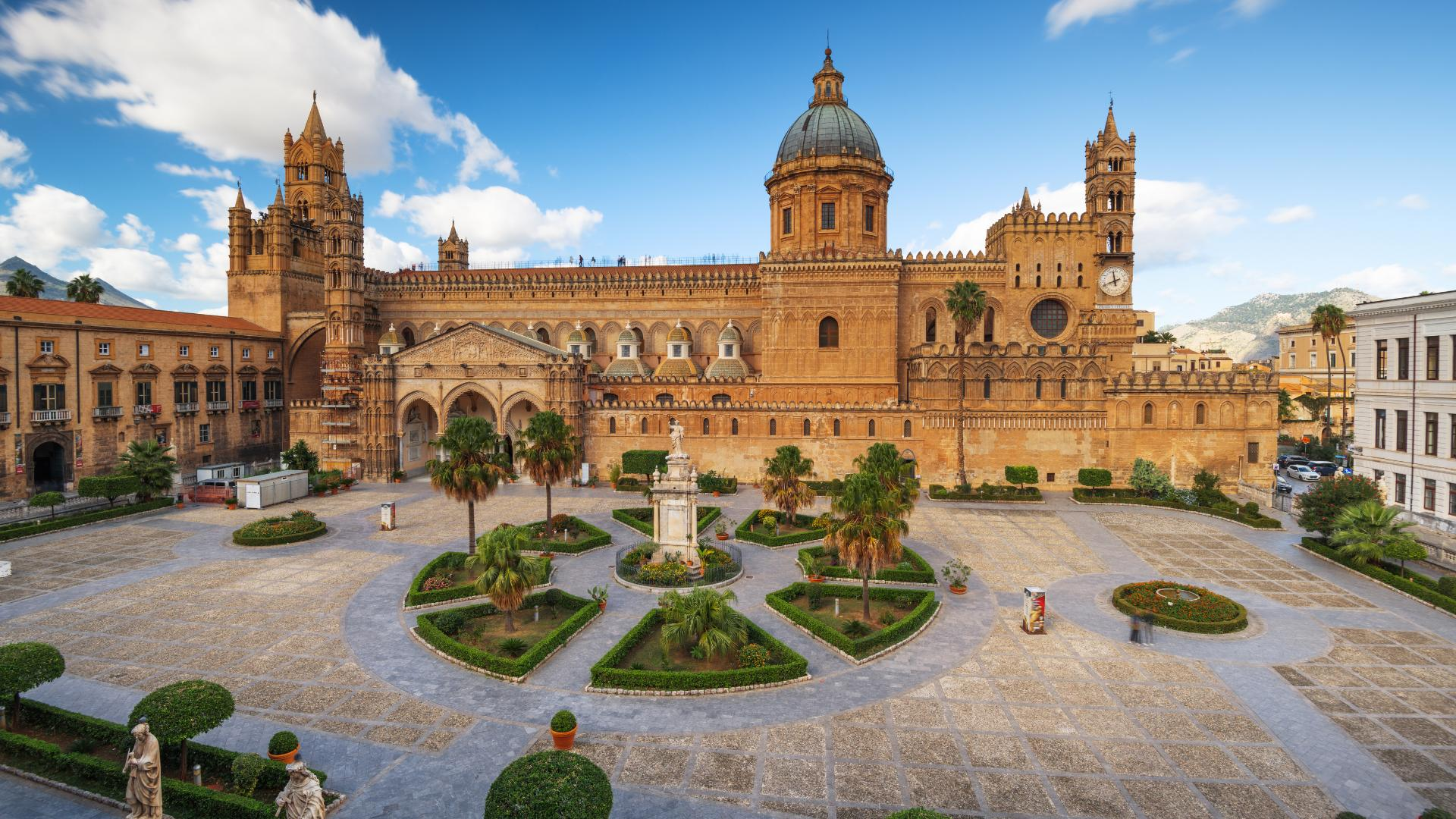
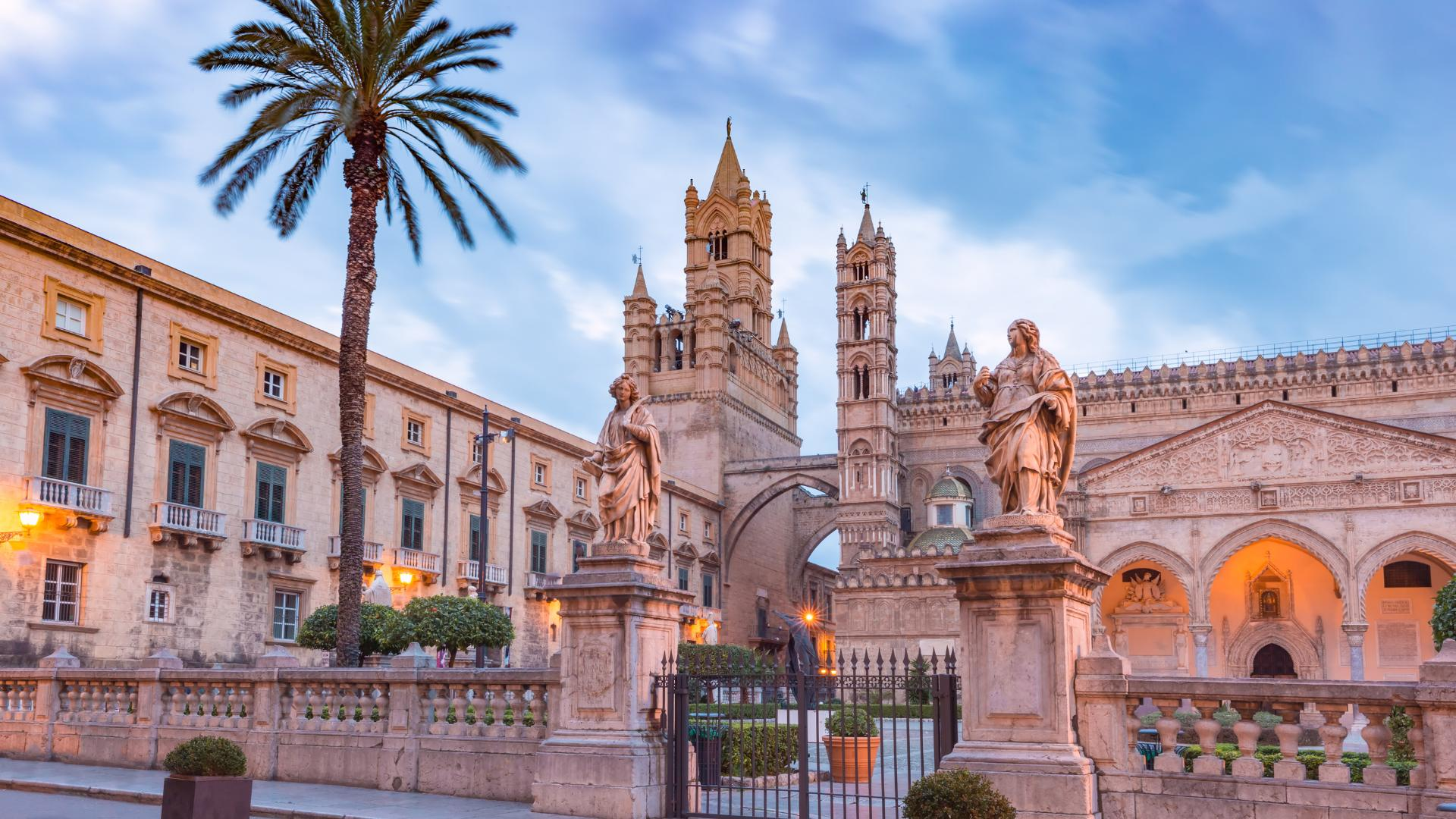 Palermo Cathedral stands as one of those buildings that makes you stop and stare. The cathedral was built in 1185, but it’s been modified so many times over the centuries that it’s become a physical timeline of Palermo’s history.
Inside, you can visit the royal tombs where Norman kings and Holy Roman emperors are buried, including Frederick II. The treasury houses precious relics and crowns, and if you’re up for it, you can climb to the roof terraces for panoramic views across the city. The entrance to the main cathedral is free, though there’s a small charge (around £7) to access the tombs, treasury, and rooftop.
This is undoubtedly one of the key Palermo landmarks you shouldn’t miss, and it features prominently in any Palermo sightseeing guide for good reason. The sheer ambition of the building, combined with its historical significance, makes it essential viewing when you explore Palermo.
3. Explore the Norman Palace & Palatine Chapel
If I had to choose just one highlight from all the things to do in Palermo, the Palatine Chapel inside the Norman Palace might be it. I’m not exaggerating when I say walking into this chapel literally took my breath away. Every surface—and I mean every single surface—is covered in golden Byzantine mosaics or intricate Arabic-style honeycomb ceilings. The result is so dazzling it almost doesn’t look real.
The Norman Palace itself has been the seat of power in Sicily since the 9th century, first as an Arab fortress, then as the residence of Norman kings. Today it houses Sicily’s regional parliament, but the historical sections are open to visitors. The Palatine Chapel, built by Roger II in the 12th century, represents the pinnacle of Arab-Norman artistry and is a UNESCO World Heritage site.
This is a highlight of historic sites in Palermo that showcases the Palermo Norman heritage better than anywhere else. The craftsmanship is extraordinary, and the symbolism woven into every mosaic tells stories of power, faith, and cultural fusion. Do book ahead if possible, as visitor numbers are sometimes limited to preserve the mosaics.
4. Discover Quattro Canti
Right at the heart of Palermo’s historic centre sits Quattro Canti, officially known as Piazza Vigliena. This Baroque crossroads was created in the early 1600s when Via Maqueda was cut through the city, intersecting with the ancient Via Vittorio Emanuele. The result is four curved Baroque facades, each adorned with fountains, statues, and architectural details representing the four seasons, four Spanish kings, and four patron saints of Palermo’s historic quarters.
It’s one of the most photogenic Palermo sightseeing spots you’ll find, especially when the afternoon sun hits the honey-colored stone and creates dramatic shadows across the carved facades.
Stand in the middle and you’ll see the city radiating out in four directions, each leading to a different neighbourhood. This makes Quattro Canti not just a visual highlight but also a practical starting point for understanding Palermo’s layout. It’s featured on virtually every Palermo city guide for good reason—it encapsulates the city’s Baroque flair in one spectacular intersection.
5. Walk Via Vittorio Emanuele
Via Vittorio Emanuele is the oldest street in Palermo, and walking its length gives you a fantastic overview of the city’s key sights. This ancient thoroughfare stretches from the Norman Palace at one end all the way to the waterfront, passing through Quattro Canti and connecting many of the best things to do in Palermo along the way.
What I loved about this street is how it balances tourist attractions with everyday Sicilian life. You’ll pass grand churches and historic palaces, but you’ll also see locals going about their daily business, children heading to school, and residents shopping for groceries at small neighborhood shops. The street has a wonderful rhythm to it, and it’s perfect for a Palermo walking tour at any time of day.
In the evening, Via Vittorio Emanuele takes on a different character. The heat of the day fades, locals come out for their evening passeggiata (leisurely stroll), and the whole street buzzes with social energy. Grab a gelato and join the flow—it’s one of those simple pleasures that captures what makes Palermo special.
6. Experience Ballarò Market
You see, I was traveling in Italy for a month before I visited Sicily, so I knew what Italian markets are usually like. What I encountered at Ballarò is nothing like the markets I saw elsewhere in the country. This market has raw energy that feels more North African than Italian, with vendors calling out in a rhythmic singsong that’s almost musical, vegetables piled in chaotic pyramids, and the smell of frying street food hanging in the air.
Ballarò is Palermo’s oldest market, and it’s where locals come to shop for their daily ingredients. You’ll find everything from fresh swordfish and octopus to prickly pears, wild fennel, and vegetables I couldn’t even name. But what really makes this market special is the Palermo street food. Vendors sell arancini (fried rice balls), panelle (chickpea fritters), sfincione (Sicilian pizza), and all manner of other delicacies that you can eat as you wander.
This is authentic local life at its most vibrant, and it’s one of the Palermo vibrant markets that gives you a true taste of the city’s soul. Come hungry, bring cash, and don’t be shy about trying things you’ve never seen before. Both Ballarò and the Vucciria market are worth a visit in my opinion, and in both places, you will be able to experience the true beauty of Palermo.
7. Visit Capuchin Catacombs
I’ll be honest—the Capuchin Catacombs aren’t for everyone. This is one of the more unusual things to do in Palermo, and it’s definitely not your typical tourist attraction. But if you’re interested in history, mortality, and how different cultures approach death, this is genuinely fascinating.
The catacombs contain thousands of mummified bodies, preserved and displayed in corridors beneath the Capuchin monastery. Some date back to the 16th century, and they’re arranged by profession, gender, and social status. The most famous resident is Rosalia Lombardo, a two-year-old girl who died in 1920 and whose body is so well preserved she looks like she’s sleeping.
Yes, it’s macabre. Yes, it’s a bit unsettling. But it’s also one of the more memorable Palermo attractions precisely because it’s so different from the usual sightseeing experience. The catacombs offer a stark reminder of mortality and give you insight into Sicilian attitudes toward death and remembrance. Just be respectful—these were real people with families who still visit.
8. Admire Teatro Massimo
Teatro Massimo is Italy’s largest opera house and one of the biggest in Europe. Even if you’re not particularly into opera, the building itself is worth seeing. The neoclassical facade is impressive, with its grand columns and sweeping steps, but the real magic is inside. The horseshoe-shaped auditorium is decorated in red and gold, with six tiers of boxes and acoustics that are considered among the finest in the world.
If you can, catch a performance during your visit—there’s something magical about experiencing opera in such a historic setting. Alternatively, guided tours run throughout the day and give you access to areas you’d never see otherwise, including backstage spaces and the royal box. It’s one of the cultural things to do in Palermo that adds depth to your visit beyond just food and architecture.
The theatre also featured in the final scenes of The Godfather Part III, so film fans might recognize the exterior steps. That cinematic connection has made it even more popular with visitors, though locals have been coming here for world-class performances since it opened in 1897.
9. Relax at Mondello Beach
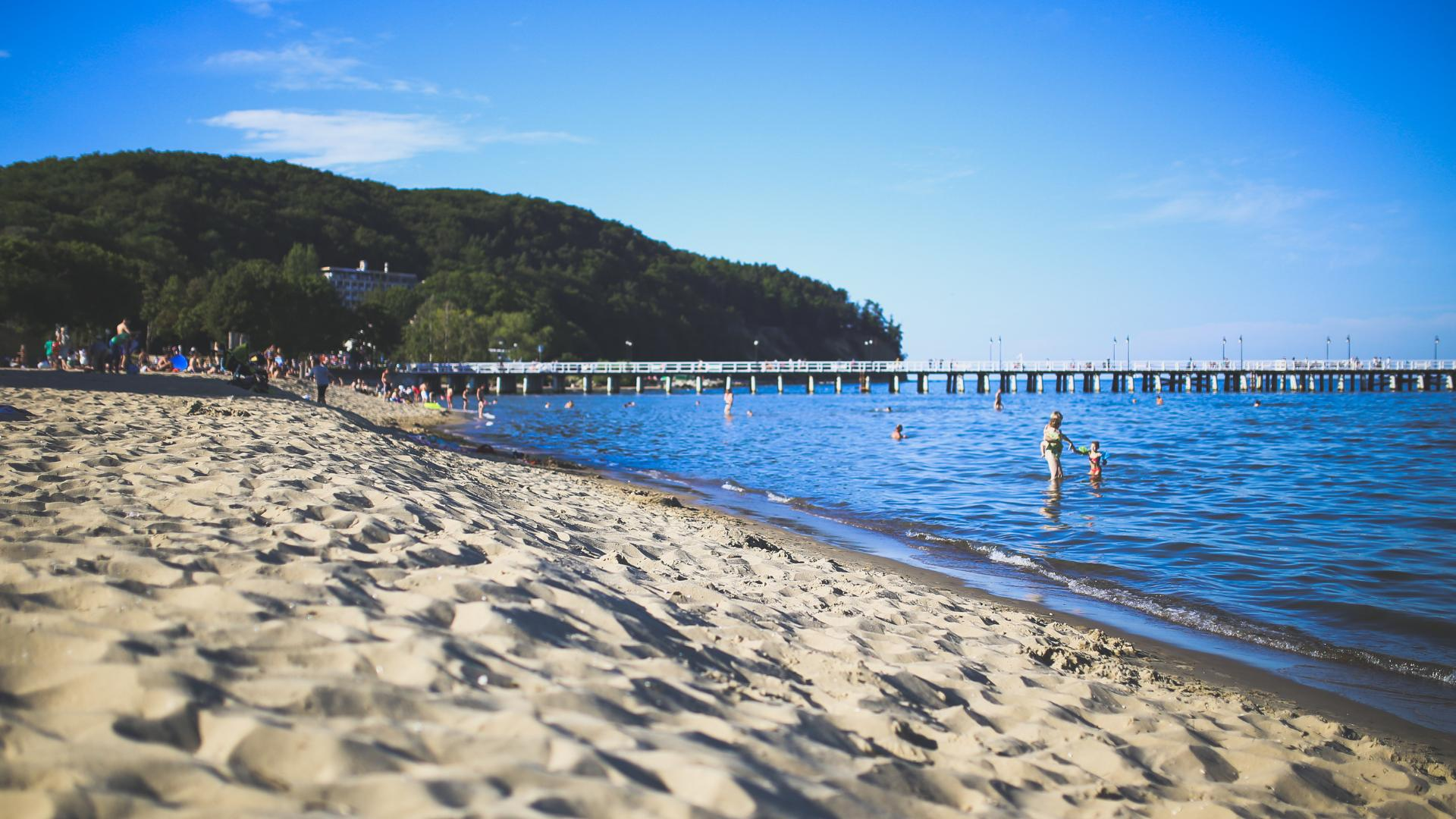 After days of sightseeing in the heat, Mondello Beach was exactly what I needed. This beautiful stretch of sand sits in a bay between Monte Pellegrino and Monte Gallo, about 20 minutes by bus from central Palermo. The water is incredibly clear, the sand is soft and pale, and the whole setting feels more like a postcard than real life.
Mondello has been Palermo’s beach escape since the early 20th century, when wealthy families built Art Nouveau villas along the waterfront. That elegant architecture is still there, particularly around the historic bathhouse that juts out into the water. During summer, the beach can get crowded with local families, but it’s still one of the most popular Palermo beaches for good reason.
You can rent beach chairs and umbrellas, or just lay your towel on the sand. There are plenty of restaurants and cafés along the waterfront if you want lunch or a cold drink.
10. Explore La Kalsa Neighbourhood
La Kalsa is one of those Palermo neighbourhoods that perfectly captures the city’s complexity. This historic district near the waterfront was badly damaged during World War II and spent decades in decay. In recent years, though, it’s been undergoing a slow renaissance, with artists, young Sicilians, and creative types moving in and breathing new life into the old buildings.
It’s atmospheric and slightly melancholic, but also vibrant in places, especially around the small bars and restaurants that have opened in recent years.
This area is great for Palermo hidden gems if you want to see a different side of the city. It’s less polished than the main tourist zones, and you get a real sense of urban change happening in real time. Just use common sense with your belongings, especially after dark, and enjoy exploring this fascinating district.
11. Visit Church of Martorana
The Church of Santa Maria dell’Ammiraglio, better known as La Martorana, houses some of the most spectacular Byzantine mosaics you’ll see anywhere in Sicily. Built in the 12th century by the Norman King Roger II’s admiral, this church is another example of the Palermo Arab Norman sites that make the city so architecturally significant.
The golden mosaics covering the dome and upper walls are simply breathtaking. They depict Christ Pantocrator, angels, prophets, and various biblical scenes in the Byzantine style, with that characteristic gold background that seems to glow with its own light. Unlike the Palatine Chapel, which is usually crowded, La Martorana often feels quieter and more contemplative, giving you time to really appreciate the artistry.
The church has been modified over the centuries—a Baroque facade was added in the 1600s—but the medieval core remains intact. It’s one of the Palermo religious landmarks that shouldn’t be missed, and it’s conveniently located right next to Quattro Canti, making it easy to include in your Palermo sightseeing route.
12. Stroll the Botanical Garden
Sometimes you need a break from the heat, noise, and intensity of Palermo’s streets, and the Botanical Garden offers exactly that. This peaceful green space was founded in 1779 and contains an impressive collection of tropical and subtropical plants, including some massive trees that provide welcome shade on hot days.
The garden sprawls across about 10 hectares and includes everything from towering palms and bamboo groves to succulents, aquatic plants, and exotic species from around the world. There’s something wonderfully calming about wandering these paths after days spent in busy markets and crowded churches. It’s a calm contrast to city streets and gives you a chance to slow down and catch your breath.
The Botanical Garden is an ideal outdoor attraction if you’re traveling with children or just need some nature time. It’s not flashy or dramatic like some of the other things to do in Palermo on this list, but sometimes that’s exactly what you want. Pack a book, find a shady bench, and enjoy the tranquility.
13. Take a Palermo Food Tour
For those who are interested in Sicilian cuisine, I highly recommend you go on a street food walking tour. You will not just learn the history of the local cuisine, but you will also get to try some of the most authentic dishes in the city. Palermo’s culinary scene is legendary, and food here isn’t just sustenance—it’s an expression of culture, history, and identity.
A good food tour will take you to family-run spots that have been making the same recipes for generations. You’ll try arancini (those glorious fried rice balls, usually filled with ragù, mozzarella, and peas), panelle (chickpea fritters served in bread), sfincione (the local style of pizza topped with tomato, onion, breadcrumbs, and anchovies), and if you’re brave, pani câ meusa (spleen sandwich). For dessert, there’s cannoli filled with sweetened ricotta and cassata, a sponge cake with marzipan and candied fruit.
What makes these tours valuable isn’t just the food—it’s the context and stories that come with it. You’ll learn why Palermo’s cuisine has so many Arab influences, how street food became central to local identity, and which neighborhoods are famous for which dishes. This deep dive into the Palermo culinary scene transforms eating from a simple activity into a way of understanding the city itself. It’s easily one of the best things to do in Palermo for anyone who loves food.
14. Explore Vucciria Market at Night
While Ballarò is the place for daytime market shopping, Vucciria transforms into something completely different after dark. This historic market, which has been feeding Palermo since the Middle Ages, has found new life as a nighttime gathering spot for young locals and visitors who want to experience Palermo’s social side.
In the evening, the butchers and fishmongers pack up, bars set up outside, and the whole area fills with people drinking, chatting, and soaking up the atmosphere. Music spills out from doorways, street vendors sell drinks and snacks, and the energy is infectious. It’s loud, chaotic, and absolutely brilliant if you’re in the mood for it.
This is where you get those authentic Palermo local experiences that feel completely different from organized tourist activities. You’re not watching Palermo—you’re part of it. Grab a drink from one of the street vendors, find a spot to stand, and chat with whoever’s nearby. It’s one of the best ways to connect with the city’s contemporary culture and see how young Palermitans enjoy themselves.
15. Visit Mount Pellegrino
Mount Pellegrino rises dramatically at the edge of Palermo, creating a natural backdrop to the city and offering some of the best views you’ll find anywhere in Sicily. Goethe called it “the most beautiful promontory in the world,” and while that might be a bit hyperbolic, the views from the top are genuinely spectacular.
You can drive or take a bus most of the way up, then walk the final section to the Sanctuary of Santa Rosalia, Palermo’s patron saint. The sanctuary itself is built into a cave where Rosalia supposedly lived as a hermit, and it’s become an important pilgrimage site. But honestly, most people come for the panoramic city and sea views that stretch from the city center all the way along the coast.
This is one of the best Palermo photography spots, especially at sunset when the light turns golden and the whole city seems to glow. It’s also a nice way to get some perspective—literally and figuratively—after days spent in Palermo’s intense urban environment. The contrast between the wild, natural mountain and the dense city below really highlights Sicily’s geographic drama.
16. Take a Day Trip to Monreale
While Monreale is technically outside Palermo, it’s one of the best day trips from Palermo and absolutely worth the short journey. This hilltop town sits just 15 minutes from Palermo by bus, but it feels like a different world. The main attraction is the Cathedral of Monreale, which contains what many consider the finest Norman mosaics in all of Sicily—and that’s saying something.
The interior of this cathedral is completely covered in golden mosaics depicting biblical scenes, covering over 6,000 square meters. The level of detail is extraordinary, and unlike some mosaics that feel static, these seem to tell fluid, dynamic stories. The cloister beside the cathedral is equally impressive, with its 228 twin columns, each uniquely decorated with mosaics, carvings, or inlaid stones.
This is a Palermo must see if you have the time, and it complements what you’ll see at the Palatine Chapel back in the city. Together, these two sites give you the fullest possible picture of Norman artistry in Sicily. The town of Monreale itself is charming, with good restaurants and lovely views over the Conca d’Oro valley toward Palermo, making this a satisfying half-day or full-day excursion.
17. Enjoy Sunset at Foro Italico
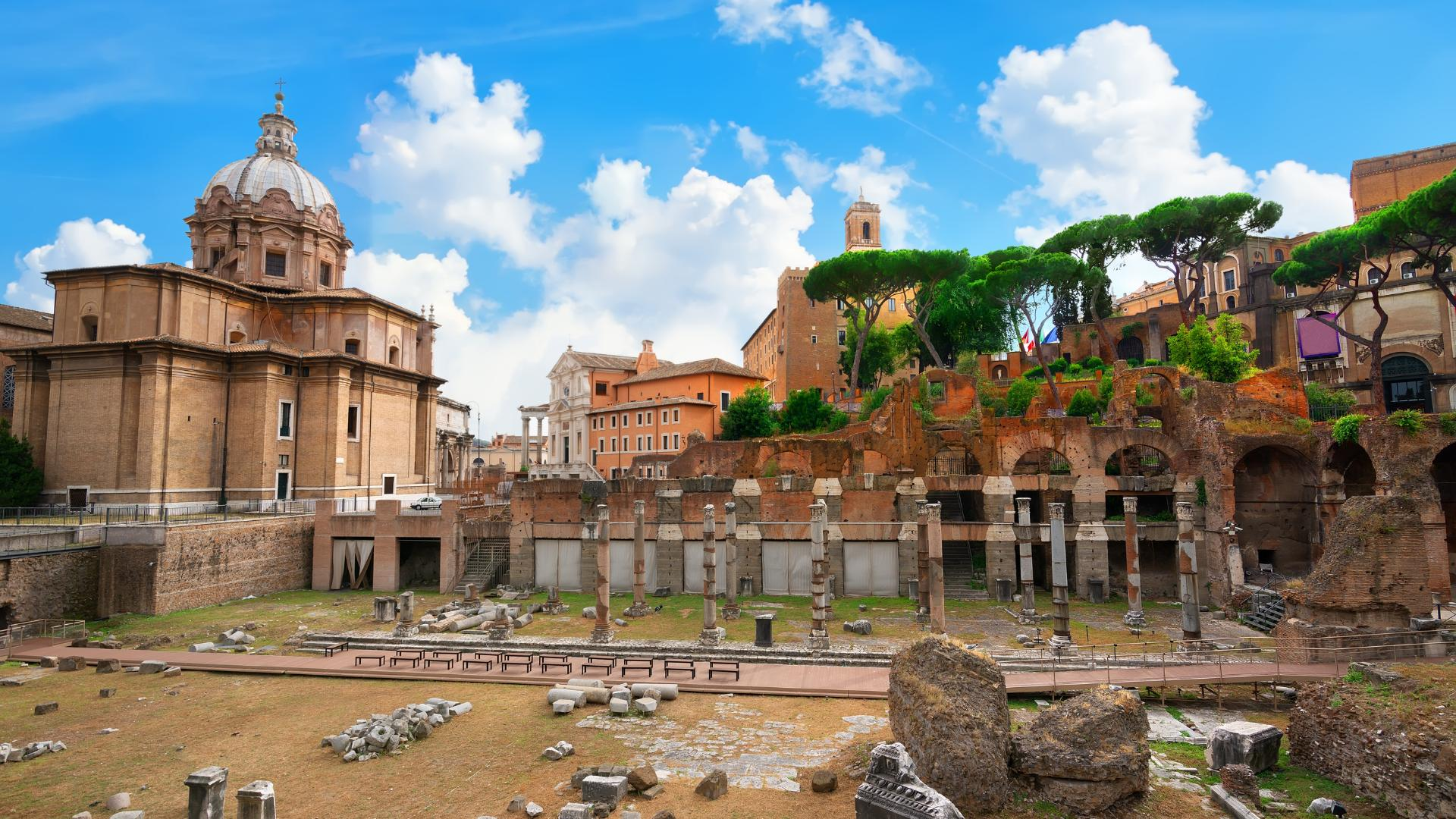 I want to end this list where I often ended my days in Palermo—at the Foro Italico, the waterfront promenade that runs along the city’s northern edge. This seafront strip has been redesigned in recent years and has become a favorite gathering spot for locals, especially in the evening.
As the day cools down, Palermitans come here to walk, jog, cycle, or just sit and watch the sun set over the Tyrrhenian Sea. There’s something magical about those Palermo coastal views as the light changes and the city transitions from day to night. Street performers often set up along the promenade, families push strollers, and teenagers gather in groups—it’s everyday life on display.
This is the perfect ending to a Palermo trip or to any day of sightseeing. No tickets, no entrance fees, no crowds—just you, the sea, and the fading light. Grab some street food from nearby vendors, find a spot on the grass or on the sea wall, and let Palermo’s rhythm wash over you one more time. It’s these simple moments that often stay with you longest.
How to Plan Your Palermo Itinerary
Planning how much time to spend in Palermo depends on what kind of traveler you are and what you want from your Sicily travel experience. If you’re doing a quick Palermo city break, you can hit the main highlights in two days—focus on the old town, the major churches and palaces, and at least one market experience. You’ll get a good taste of the city, though it’ll feel rushed.
Three to four days is ideal for balancing sightseeing and food without burning out. This gives you time to see the main Palermo attractions at a reasonable pace, take a food tour, visit Mondello beach, do the Monreale day trip, and still have time to just wander and discover things on your own. You’ll also have evenings free to experience Vucciria at night or enjoy long dinners.
If you have a week or more in Palermo, you can really slow down and dig deeper. Explore different neighborhoods, take multiple day trips, revisit your favorite markets, and develop a routine that feels less like tourism and more like temporary residence. This Palermo slow travel approach lets you discover those Palermo off the beaten path spots that don’t make it into guidebooks but that locals love.
Whatever length of stay you choose, try not to over-schedule. Palermo rewards wandering and spontaneity. Some of my best memories came from things I didn’t plan—stumbling into a neighborhood festival, chatting with a market vendor who insisted I try his figs, or finding a tiny church unlocked and empty where I could sit in cool, quiet contemplation. Leave room for these moments in your Palermo travel itinerary.
Best Time to Visit Palermo
The best time to visit Palermo is during spring (April to June) or autumn (September to October). During these seasons, temperatures are comfortable for walking around the city—usually between 18-26°C—and you’ll avoid both the intense summer heat and the occasional winter rain. The city also feels less crowded outside of peak summer, and locals are more relaxed and have more time to chat.
- Spring is particularly lovely because everything’s in bloom, the Botanical Garden is at its best, and Easter celebrations bring additional color and processions to the city. Autumn offers the advantage of warm sea temperatures if you want to swim at Mondello, plus the harvest season means markets are overflowing with fresh produce.
- Summer (July and August) can be brutally hot, with temperatures regularly exceeding 35°C. If you visit during these months, adjust your plans accordingly—sightsee early morning and late afternoon, take a long break during the hottest hours (ideally at Mondello beach), and drink lots of water. Many locals leave the city during August for their own holidays, so some restaurants and shops might be closed.
- Winter is the quietest season, with fewer tourists and occasional rain. It’s still mild compared to northern Europe—daytime temperatures usually hover around 12-16°C—but some seasonal attractions might have reduced hours. That said, winter does offer advantages: cheaper accommodation, no crowds, and a more authentic glimpse of everyday Palermo life.
Practical Travel Tips for Palermo
- Getting around Palermo is relatively straightforward once you understand the city’s layout. The historic centre is walkable, and honestly, walking is the best way to appreciate the architecture and stumble upon unexpected discoveries.
- For longer distances, the city has buses, though routes can be confusing for visitors. Taxis and ride-sharing apps are available but not always easy to find during busy times.
- If you’re arriving from elsewhere in Italy, trains connect Palermo to Messina and beyond, while the airport (Falcone-Borsellino) is about 35 kilometers from the city center.
- Airport buses run regularly to the central station and are much cheaper than taxis.
- For day trips around Sicily, renting a car gives you the most flexibility, though driving in Palermo itself can be chaotic if you’re not used to Italian traffic.
- Public transport in Italy is extensive and reliable, with major cities offering metro, tram, and bus services. Italy uses the Euro (EUR) as its currency. As of 1 January 2026, 1 EUR equals approximately 1.18 USD or 0.87 GBP, so you can budget accordingly. Italy uses plug types C, F, and L, with a standard voltage of 230V at 50Hz frequency, so bring appropriate adapters for your electronics. Italy operates on Central European Time (CET), which is UTC+1.
- Safety in Palermo is generally fine, but use common sense. Petty theft can happen in crowded markets and tourist areas, so keep valuables secure and stay aware of your surroundings. Some neighborhoods look rough and can feel sketchy after dark, but most areas tourists visit are perfectly safe. Trust your instincts—if a street or situation feels uncomfortable, turn back.
- Regarding pacing, remember that Sicily moves at its own rhythm. Shops close for long afternoon breaks, restaurants don’t serve dinner until 8 pm or later, and nobody rushes. This can be frustrating if you’re used to northern European efficiency, but try to embrace it.
These Palermo travel tips about timing and pace will save you frustration: plan your days around siesta hours, book restaurant tables for later than you normally would, and don’t expect things to run exactly on schedule.
Final Thoughts – Why Palermo Leaves a Lasting Impression
When people ask me about the best things to do in Palermo, I always struggle to give a simple answer. Yes, there are the obvious highlights—the stunning mosaics, the chaotic markets, the street food that changes how you think about Sicilian cuisine. But what really makes Palermo special is harder to quantify. It’s in the blend of history, food, and real life that creates something you won’t find anywhere else. The things to do in Palermo range from world-class UNESCO sites to simply wandering streets and watching daily life unfold. What I loved most was how these experiences coexisted—you can tour a Norman palace in the morning, eat street food in a thousand-year-old market at lunch, and spend the evening drinking with locals in a former fish market. That’s the essence of what makes Palermo work.